
Achieving optimal humidity levels in your chicken egg incubator is crucial for successful hatching. If you’re a backyard chicken enthusiast or an avid breeder, you know that maintaining precise humidity conditions can make all the difference between a healthy hatch and a disappointing failure. But what exactly is the ideal humidity level for chicken eggs, and how do you ensure it’s consistently met throughout the incubation period? In this article, we’ll delve into the importance of humidity in egg incubation, troubleshoot common issues that may arise, and provide expert tips on maximizing your hatch rates. By understanding the intricacies of humidity management, you’ll be well-equipped to create an ideal environment for your eggs to thrive – let’s dive in!
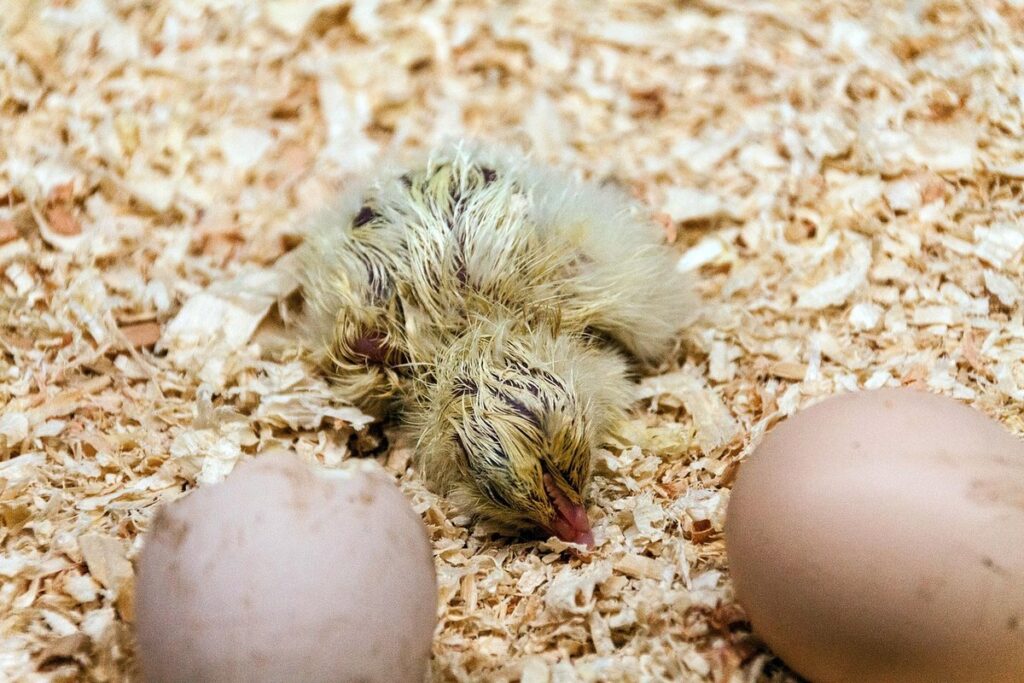
Understanding the Importance of Humidity in Chicken Egg Incubation
Maintaining optimal humidity levels is crucial for a successful incubation, and understanding its importance will help you ensure your chicks develop healthily and hatch strong. Let’s dive into why humidity matters.
The Role of Humidity in Embryo Development
Maintaining optimal humidity levels is crucial for embryo development within chicken eggs. The process of embryogenesis is sensitive to environmental fluctuations, and humidity plays a significant role in this delicate dance.
A stable and optimal environment allows the embryo to grow without undue stress or risk of complications. When the incubation chamber’s relative humidity (RH) exceeds 60%, the rate of evaporation from the egg increases significantly. This can lead to dehydration and stunted growth, potentially resulting in weak or deformed chicks.
On the other hand, maintaining a precise RH range between 50-60% during embryogenesis is vital for proper development. Within this window, the embryo’s membranes absorb water as needed, promoting optimal growth without risking excessive moisture accumulation.
Monitor your incubation equipment to ensure humidity levels remain within the optimal range. Regular checks can help prevent issues related to embryo development and contribute to healthier, more robust chicks.
The Impact of Humidity on Hatch Rates
Fluctuations in humidity can have a significant impact on hatch rates and chick mortality. When the incubation environment is not at an optimal level of humidity, it can lead to decreased hatch rates. For example, if the humidity level is too high, the embryo may drown in its own fluids, while low humidity levels can cause desiccation and stunted growth.
To put this into perspective, research has shown that a humidity deviation as small as 5% can result in a significant decrease in hatch rate. This is because the embryo relies on precise humidity levels to develop properly. If these levels are not met, it can lead to increased mortality rates among chicks.
Maintaining optimal humidity levels during incubation requires careful monitoring and adjustment of the environment. It’s essential to check temperature and humidity levels regularly and make adjustments as needed. A good rule of thumb is to maintain a relative humidity level between 50-60% for most breeds, with occasional deviations allowed during critical developmental periods such as the first few days after transfer.
Setting Up Your Incubator for Optimal Humidity Levels
To achieve optimal humidity levels, you’ll need to set up your incubator’s humidity control system correctly, which can be a bit tricky if you’re new to egg incubation. Let’s walk through this process together!
Choosing the Right Temperature Range
When it comes to setting up your incubator for optimal humidity levels, choosing the right temperature range is crucial. This involves considering the type of incubator you’re using and the thickness of the eggshells.
Different types of incubators have varying ideal temperature ranges. For example, digital incubators typically operate between 99°F (37°C) and 100°F (38°C), while analog incubators may require a slightly wider range. Be sure to check your specific incubator’s manual for guidance on optimal temperature settings.
Eggshell thickness also plays a role in determining the ideal temperature range. Thicker eggshells can tolerate higher temperatures, but if they’re too hot, it can cause the embryo to develop abnormally. A good rule of thumb is to aim for 99°F (37°C) for thinner eggshells and 100°F (38°C) for thicker ones.
Precise temperature control is also essential in maintaining optimal humidity levels. Even a small deviation from the ideal range can affect embryonic development, leading to lower hatch rates or poor chick quality. To ensure precise control, invest in a high-quality thermometer or use an incubator with built-in temperature monitoring and control features. Regularly check your incubator’s temperature readings to make adjustments as needed.
Maintaining a Consistent Humidity Level
Maintaining a consistent humidity level is crucial for successful incubation. You can’t just set it and forget it – you need to actively monitor and adjust the environment as necessary. Invest in a good hygrometer, which will give you an accurate reading of the current humidity level.
Check the humidity level at least twice a day, taking into account temperature fluctuations and changes in embryo development stages. You can also use multiple hygrometers placed throughout the incubator to get a more comprehensive picture. When adjusting the humidity level, do it gradually – don’t try to make drastic changes all at once.
For example, if your current humidity is 50% and you need to bring it up to 60%, adjust it by 5-10% increments over the course of several hours or days. This will help prevent sudden shocks that can stress the embryos. Additionally, keep an eye on the temperature – excessive heat can cause condensation, which can be detrimental to incubation.
It’s also essential to understand that different incubators and environments have unique humidity requirements. Research your specific setup and learn from others’ experiences to make informed decisions about maintaining optimal humidity levels for your eggs.
The Optimal Range for Incubation Humidity
Now that we’ve covered the basics, it’s time to dive into the specifics of incubation humidity, focusing on finding the perfect balance for healthy chick development. Let’s explore the optimal range together!
Understanding the Three Zones of Humidity
When it comes to maintaining optimal humidity levels during chicken egg incubation, understanding the concept of three zones is crucial for successful embryo development. The three zones of humidity are 60-70%, 40-50%, and below 30%. Each zone has a distinct impact on the developing embryo.
The first zone, between 60-70% relative humidity, is considered optimal for most chicken breeds. This range allows for even evaporation and prevents excessive moisture from accumulating in the incubator. However, some breeds like the Silkie or Polish may require slightly lower humidity levels. It’s essential to research specific breed requirements when deciding on your zone.
In contrast, a 40-50% relative humidity zone is more suitable for smaller eggs or those with a higher yolk-to-white ratio. This range helps prevent water loss and promotes even development. Below 30%, the risk of desiccation increases significantly, potentially leading to embryo death.
When selecting an incubator, consider its built-in humidistat and ensure it can accurately maintain one of these three zones. Monitoring temperature, humidity levels, and egg turning is also crucial for optimal results. By understanding these three zones and tailoring your incubation settings accordingly, you’ll increase the chances of successful hatching.
Setting the Right Humidity Level for Your Eggs
When setting the right humidity level for your eggs, it’s essential to consider several factors that can impact their development. One crucial factor is eggshell thickness. Thicker shells require a slightly higher humidity level to prevent moisture from being trapped between the shell and the embryo. Conversely, thinner-shelled eggs prefer lower humidity levels to avoid excessive water absorption.
The species of your chickens also plays a role in determining optimal humidity levels. For example, quail eggs have a more delicate shell than chicken eggs and require lower humidity levels (around 50-55%). In contrast, turkey or duck eggs need higher humidity levels (60-65%) due to their thicker shells.
Lastly, consider the specific model of your incubator as some may have built-in features for adjusting humidity levels. Always consult the manufacturer’s guidelines before making any adjustments. A general rule of thumb is to aim for a relative humidity level between 45% and 55%. Monitor the eggs closely during the first few days after setting, then make adjustments as needed to maintain an optimal range.
Managing Humidity Levels During Incubation
When it comes to incubating chicken eggs, maintaining optimal humidity levels is crucial for healthy development. This section will walk you through essential guidelines for managing humidity during the incubation process.
Monitoring and Adjusting Humidity Levels
Monitoring and adjusting humidity levels is crucial to maintaining an optimal environment for your incubating eggs. You can use a hygrometer to track temperature and humidity levels regularly throughout the day. Aim to maintain a consistent relative humidity (RH) between 50-60% during the first 18 days, then reduce it slightly to around 40-50% from day 18 until hatching.
It’s essential to check your incubator’s RH levels at least twice a day, making adjustments as needed. For example, if the RH level drops too low, you can place a wet cloth in front of the fan or add a pan of water near the eggs to raise the humidity. Conversely, if it gets too high, try increasing air circulation by adjusting the fan settings.
Keep in mind that even slight variations in humidity levels can impact your incubation success rate. Monitor and adjust RH levels regularly to ensure an optimal environment for your eggs to develop healthily. Remember, consistency is key when it comes to maintaining stable humidity levels during incubation.
Overcoming Common Challenges with Humidity Management
Managing humidity levels during incubation can be challenging, especially for beginners. One common issue is dealing with sudden changes in temperature and humidity, which can lead to cracked eggs or even entire batch failures.
To overcome this challenge, it’s essential to monitor the incubator’s temperature and humidity levels closely. You can use a hygrometer to track the humidity level and adjust it as needed. A good rule of thumb is to maintain a relative humidity (RH) between 40% to 60% during the first week of incubation.
Another common challenge is managing condensation, which can cause eggs to become wet and lead to contamination. To prevent this, make sure the incubator’s ventilation system is working correctly, and use a good quality thermometer to monitor temperature fluctuations.
When adjusting humidity levels, do it gradually to avoid shocking the embryos. For example, if you need to increase humidity from 40% to 55%, do it in increments of 5-10% over a period of several hours.
Keep in mind that different breeds of chickens may have specific requirements when it comes to incubation humidity. Research your breed’s needs and adjust your humidity management accordingly. With practice and patience, you’ll be able to overcome these challenges and achieve successful hatches.
The Effects of Low or High Humidity on Embryos
Maintaining optimal humidity levels is crucial for embryo development, and extreme conditions can have devastating effects on your chicks. We’ll explore how low and high humidity impacts embryos in this critical stage of incubation.
Dangers of Low Humidity: Dehydration and Malformation
Dehydration and malformation are two significant dangers that can arise when low humidity levels prevail during the incubation process. Embryos rely heavily on a stable environment to develop properly. When air is too dry, it strips away the natural moisture from the eggs, causing dehydration. This can lead to stunted growth, increased susceptibility to disease, and even death.
Malformation occurs due to water absorption issues within the egg. Low humidity prevents the embryo from absorbing essential nutrients, resulting in abnormal development. These defects can be seen in the chicken’s physical appearance after hatching. Studies have shown that embryos exposed to low humidity (below 40%) exhibit significant growth restrictions compared to those incubated at optimal levels.
Maintaining a consistent humidity level between 45-55% ensures proper water uptake and nutrient distribution, significantly reducing the risk of malformation and dehydration. Monitor your incubator’s temperature and ensure it is set between 99°F and 100°F (37°C – 38°C). Regularly check the eggs for any signs of stress or damage to prevent potential issues during incubation.
Risks of High Humidity: Infection and Respiratory Issues
High humidity can create an ideal environment for bacteria and other microorganisms to thrive. When the air is too humid, it’s easier for pathogens to survive on surfaces and in the incubation chamber. This increases the risk of infection among embryos. For example, a study found that E. coli contamination was significantly higher in high-humidity conditions.
Another concern with high humidity is respiratory issues. Embryos are delicate and susceptible to changes in their environment. High humidity can cause them to struggle for oxygen, leading to respiratory problems. In extreme cases, this can result in stunted growth or even embryo death. To mitigate these risks, it’s essential to maintain a consistent and moderate level of humidity. A good rule of thumb is to keep the incubation chamber between 30-50% relative humidity.
It’s also crucial to monitor temperature and humidity levels closely during incubation. Use a reliable hygrometer to ensure you’re within the optimal range. Additionally, regularly clean and disinfect the incubation equipment and surfaces to prevent bacterial growth. By taking these precautions, you can minimize the risks associated with high humidity and create a healthy environment for your embryos to develop.
Tips for Maintaining Optimal Humidity Levels During Transfer
Maintaining optimal humidity levels during transfer is crucial for the health and development of your chicks. This section shares expert advice on achieving the right balance for a smooth transition.
Preparing Your Eggs for Transfer
Before placing your eggs in the incubator, it’s essential to prepare them for transfer. This involves cleaning and drying them thoroughly to prevent contamination and ensure optimal humidity levels.
Start by gently washing the eggs with mild soap and warm water to remove any dirt or debris from the surface. Use a soft-bristled brush to scrub away any stubborn stains or marks. Rinse the eggs thoroughly with clean water, making sure to remove any soap residue. Next, dry the eggs using a lint-free cloth or paper towel, paying extra attention to the air cell end.
Once the eggs are clean and dry, you can place them in the incubator. Make sure they’re not touching each other, as this can lead to moisture transfer and reduced humidity levels. Instead, arrange the eggs in a single layer on the egg tray, leaving about 1-2 inches of space between each egg.
By following these simple steps, you’ll ensure your eggs are properly prepared for transfer and will thrive under optimal humidity conditions throughout the incubation process.
Ensuring Smooth Transitions Between Incubation Stages
As you navigate the complex process of chicken egg incubation, maintaining optimal humidity levels is crucial for successful transfer between incubation stages. However, ensuring smooth transitions can be challenging, especially when it comes to changing from one stage to another.
To avoid shocking the eggs with drastic changes in humidity, it’s essential to plan ahead and make gradual adjustments. For instance, if you’re transitioning from a high-humidity stage (around 80-90%) to a lower-humidity stage (around 50-60%), you should start reducing the humidity level 2-3 days before the transfer. This allows the eggs to acclimate slowly and minimizes the risk of drying out or cracking.
Here are some practical tips to keep in mind:
* Monitor your incubator’s humidity levels closely, taking note of any fluctuations or deviations.
* Use a hygrometer specifically designed for incubation purposes to ensure accurate readings.
* Keep records of previous transfers to identify potential problem areas and make adjustments accordingly.
* If you’re using a forced-draft incubator, be aware that the air circulation may impact humidity levels – adjust your settings accordingly.
By taking these steps and making gradual adjustments, you can help ensure smooth transitions between incubation stages and give your chicks the best possible start in life.
Troubleshooting Common Issues with Humidity Management
You’re likely to encounter some hiccups along the way, so we’ve put together a guide on how to troubleshoot common issues that arise when managing humidity in your chicken egg incubator.
Identifying Causes of Imbalance and Correcting Them
When it comes to chicken egg incubation, maintaining optimal humidity levels is crucial for successful hatching. However, even with a well-designed incubator and careful monitoring, issues can still arise that disrupt the delicate balance of humidity within the incubation environment.
One common cause of imbalance in humidity levels is poor incubator design or inadequate insulation. If your incubator is not properly sealed or insulated, moisture can escape, causing humidity levels to drop. This can be particularly problematic if you’re using a DIY incubator made from materials that don’t provide adequate insulation, such as plastic or wood.
Another common issue is improper use of humidifiers or misting systems. While these devices are designed to maintain optimal humidity levels, they can easily become clogged or malfunction, leading to fluctuations in humidity. For example, if your humidifier is not properly cleaned and maintained, mineral deposits can build up inside the device, reducing its effectiveness.
To correct these issues, it’s essential to identify the root cause of the problem and implement targeted solutions. Here are some step-by-step instructions for troubleshooting common causes of imbalance:
* Check the incubator design: Inspect your incubator for any gaps or openings that may be allowing moisture to escape. Consider adding additional insulation or sealing any gaps with silicone sealant.
* Clean and maintain humidifiers: Regularly clean and descale humidifiers and misting systems to prevent mineral buildup and ensure optimal performance.
* Monitor humidity levels closely: Use a hygrometer to track humidity levels in the incubator, adjusting as necessary to maintain optimal ranges.
* Maintain a consistent environment: Avoid sudden changes in temperature or humidity, which can stress embryos and affect hatching success.
By following these steps and addressing common causes of imbalance, you can ensure that your chicken eggs receive the optimal level of humidity needed for successful hatching.
Frequently Asked Questions
What are the key factors to consider when setting up my incubator for optimal humidity levels?
When setting up your incubator, it’s essential to consider the temperature range, air circulation, and egg tray size. Ensure that the incubator is clean and well-ventilated to prevent the buildup of bacteria and fungi. You should also choose an incubator with a hygrometer that can accurately measure relative humidity (RH) levels.
Can I use a humidifier or wet sponge in my incubator to maintain optimal humidity levels?
While it may seem like a simple solution, using a humidifier or wet sponge can be problematic. These methods can lead to uneven humidity distribution and create an environment conducive to bacterial growth. Instead, consider investing in a high-quality incubation chamber with built-in humidity control.
How often should I monitor and adjust the humidity levels during incubation?
Monitoring and adjusting humidity levels is crucial for successful hatching. Check your incubator’s hygrometer regularly (at least every 12 hours) to ensure that RH levels remain within the optimal range of 45-55%. Adjustments may be necessary, especially during transfer or when introducing new eggs.
What are some common issues I should watch out for in terms of humidity management?
Common challenges include fluctuations in temperature and humidity, inadequate air circulation, and contamination from external sources. To mitigate these risks, ensure proper incubator calibration, maintain a clean environment, and implement regular monitoring and maintenance routines.
Can I still achieve good hatch rates with a less-than-ideal incubation environment?
While some incubators may be more forgiving than others, maintaining optimal humidity levels is crucial for successful hatching. If you’re using an older or less reliable incubator, it’s essential to work closely with the manufacturer or consult with experienced breeders to optimize performance.