
As a backyard chicken keeper, you know that providing your flock with a balanced diet is crucial for their health and well-being. But did you know that chickens have different nutritional needs at various stages of their lives? From day-old chicks to laying hens, their dietary requirements change significantly, affecting their growth, egg production, and overall health. A customized chicken feeding schedule based on age ensures your birds get the optimal nutrition they need to thrive. In this article, we’ll guide you through creating a tailored feeding plan for your flock, covering everything from starter feed for chicks to layer feed for mature hens. Whether you’re a seasoned chicken keeper or just starting out, this article will help you create a customized feeding schedule that meets the unique needs of your chickens at every stage of their life.
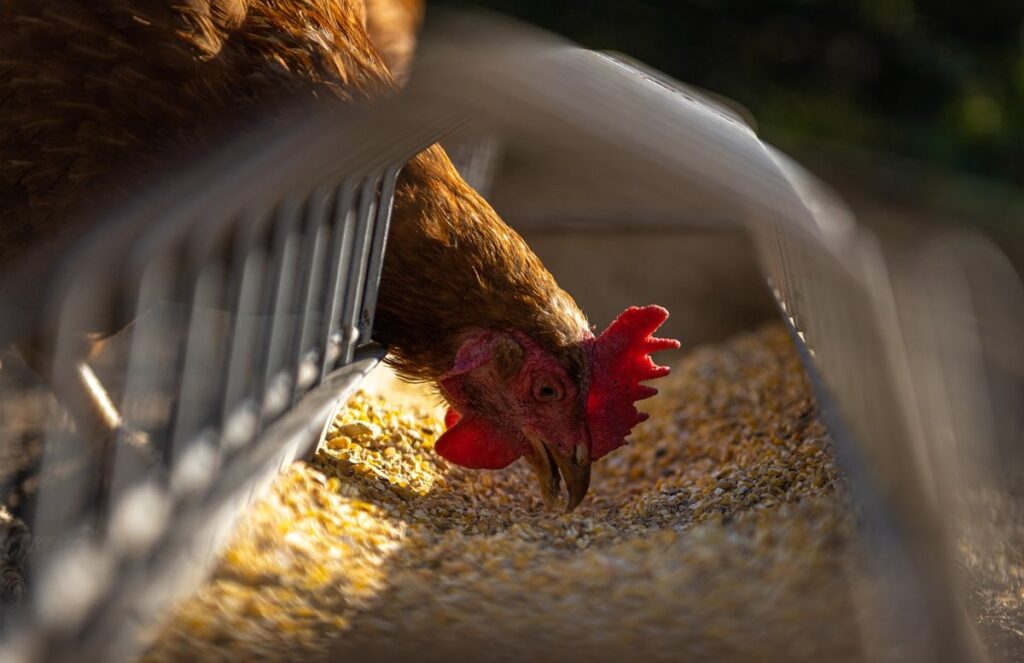
Understanding Chicken Nutrition and Growth Stages
To raise healthy chickens, it’s essential to understand their nutritional needs at different growth stages. This section breaks down the key factors influencing chicken nutrition and development.
Importance of Proper Nutrition in Chicken Development
Proper nutrition is crucial for optimal growth and development in chickens. It not only affects their overall health but also influences their performance and productivity. For instance, a study on broiler chicken nutrition found that adequate protein intake during the early stages of growth resulted in improved feed efficiency and increased body weight.
Chickens require a balanced diet to meet their nutritional needs at different stages of development. A deficiency in essential nutrients can lead to stunted growth, reduced egg production, or even illness. For example, a lack of calcium can cause softening of the bones, while inadequate vitamin D3 can lead to rickets and impaired immune function.
As you plan your chicken feeding schedule per age, consider the nutritional needs of each stage. Young chicks require high levels of protein to support growth, while laying hens need more calcium for eggshell production. Understanding these requirements will help you create a customized feeding plan that meets the unique needs of your flock at every stage.
Chicken Growth Stages and Nutritional Requirements
Chickens go through distinct growth stages, each requiring specific nutritional needs to ensure optimal health and development. The three main stages are starter, grower, and layer.
During the starter phase (0-4 weeks), chicks need a high-energy diet rich in protein to support rapid growth. A starter feed with 18-20% protein content is recommended. Feed them frequently to prevent hunger pangs, as their digestive system can’t handle large meals. Provide fresh water and a balanced starter feed, such as Crumbles or Mash.
As they mature into growers (4-16 weeks), chickens require less protein but more calcium for bone development. A grower feed with 15-18% protein content is suitable during this stage. Offer a variety of treats like mealworms or leafy greens to supplement their diet.
Layers (17 weeks and older) need a balanced feed rich in calcium, vitamin D3, and other essential nutrients for egg production. Feed them a layer feed with 16% protein content. Ensure they have access to fresh water, oyster shells or crushed eggshells for additional calcium.
A well-balanced diet is crucial during each growth stage. Monitor your chickens’ health and adjust their feeding schedule accordingly.
Raising Chickens from Day Old to 4 Weeks
When raising chicks from day old to 4 weeks, their nutritional needs change rapidly, so it’s essential to know what and when to feed them for optimal growth.
Feeding Starter Chicks (0-1 Week)
When it comes to feeding starter chicks, it’s essential to provide them with a high-quality starter feed that meets their nutritional needs. Chicks from 0-1 week old require a diet rich in protein and energy to support their rapid growth and development.
At this stage, chicks need around 20% protein and 3,000 kcal/kg of metabolizable energy (ME). Look for a starter feed that has these specifications to ensure your chicks are getting the nutrients they need. It’s also crucial to provide fresh water at all times, as chicks can easily become dehydrated.
When feeding starter chicks, it’s best to follow a simple rule: offer 20% of their body weight in feed per day, divided into multiple small meals throughout the day. For example, if your chick weighs around 10 grams, offer about 2-3 grams of starter feed at each meal. This will help prevent overeating and ensure they’re getting enough nutrients. Remember to adjust the amount of feed as your chicks grow and develop their feeding habits.
Transitioning to Grower Feed (1-2 Weeks)
At around 3-4 weeks of age, your chicks will start to outgrow their starter feed and require a more nutrient-dense diet. This is when it’s time to transition them to grower feed. The key is to make this switch gradually to prevent digestive upset.
Begin by mixing a small amount (about 10%) of grower feed with the starter feed for a day or two, then increase the proportion of grower feed to 25% and so on until you’re feeding 100% grower feed. Monitor your chicks’ growth closely during this transition period. You should start to see an increase in egg production and size, as well as improvements in feather quality.
As your chickens take to the grower feed, make sure to keep an eye out for any signs of digestive issues such as diarrhea or lethargy. These can be a sign that they’re not adjusting to the new feed quickly enough. If you notice any problems, slow down the transition process and give them more time to adjust.
Keep in mind that different breeds have varying growth rates, so it’s essential to tailor your feeding schedule accordingly.
Common Health Issues in Young Chicks
Young chicks are prone to several health issues between day old and 4 weeks of age. One common issue is Pasture Myiasis, a condition caused by flies laying eggs on the chick’s skin. To prevent this, keep the brooder area clean, remove soiled bedding regularly, and use fly control measures like citronella candles or ultrasonic devices. Another concern is Coccidiosis, a parasitic disease that can cause diarrhea, weight loss, and death. Feed chicks medicated starter feed during the first 2-3 weeks to prevent this issue.
At around 1-2 weeks of age, chicks may experience Marek’s Disease, a viral condition causing paralysis, lethargy, and death. Vaccination is key in preventing this disease. Ensure your chicks are vaccinated according to your veterinarian’s recommendations. Keep an eye out for signs like labored breathing, coughing, or lethargy, which can indicate Respiratory Tract Infections.
Regular monitoring of your chicks’ health, a clean environment, and proper vaccination protocols will help prevent these common issues. If you notice any unusual behavior or symptoms, consult with your veterinarian promptly to ensure prompt treatment and prevent disease spread within the flock.
Feeding Growing Chicks (4-12 Weeks)
As your chicks grow from 4 to 12 weeks old, they’ll need a diet rich in nutrients to support their rapid development and growth. Here’s how to provide them with just what they need during this critical period.
Nutritional Needs for Growing Chicks
Growing chicks require specific nutritional needs to support their rapid growth and development. Between 4-12 weeks of age, they need a diet rich in protein to build muscle mass, calcium to strengthen bones, and phosphorus to facilitate bone mineralization.
A good quality chick starter feed should contain around 18-20% protein content, which is essential for building lean body mass. However, if you’re raising heritage breeds or want to give your chicks an extra boost, you can supplement with mealworms or crickets, which provide up to 60% protein.
Calcium is also crucial at this stage as the chicks’ bones are rapidly developing. Ensure that their feed contains around 1-2% calcium content. Phosphorus, on the other hand, helps in bone mineralization and should be present in feeds at a level of about 0.5%.
Offer free-choice access to oyster shells or crushed eggshells to meet the chicks’ calcium needs. You can also dust their feed with crushed limestone, which is rich in phosphorus, but ensure not to overdo it, as excessive phosphorus intake can lead to bone softening.
Tips for Maintaining a Healthy Weight
Monitoring weight gain and maintaining a healthy weight in growing chickens is crucial to ensure they reach their full potential. To do this effectively, you’ll need to regularly weigh your chicks using a digital scale specifically designed for poultry. Start at around 4 weeks of age, when the chicks are most receptive to changes in feed.
Take note of the average weight gain per week, which can vary between breeds. For example, some breeds like Leghorns may grow faster than others like Orpingtons. Consider these differences and adjust your feeding schedule accordingly.
It’s also essential to monitor for any signs of overfeeding or underfeeding. Overfed chickens are prone to obesity-related issues, while those that don’t receive enough nutrients will not develop properly. Some common signs include:
* Droopy feathers
* Lethargy
* Decreased appetite
Regular weight checks and adjustments to the feeding schedule can help mitigate these risks and ensure your chicks grow into healthy adult birds.
Feeding Laying Hens (18-24 Weeks and Beyond)
As your girls approach laying age, their nutritional needs will shift to support egg production. In this next part of our feeding schedule guide, we’ll cover how to feed hens aged 18-24 weeks and beyond for optimal health.
Nutritional Needs for Laying Hens
As laying hens reach adulthood, their nutritional needs change significantly. At this stage, they require a balanced diet that supports egg production and overall health. One of the most crucial elements is calcium, which helps strengthen eggshells. Ensure your hens receive adequate calcium through high-quality layer feed or supplements.
Vitamin D3 is another essential nutrient for laying hens. It aids in calcium absorption and promotes strong bone density. Without sufficient vitamin D3, hens may develop metabolic disorders or weakened bones. To meet their needs, provide a diet rich in vitamin D3 or consider adding a supplement.
Maintaining an optimal calcium-to-phosphorus ratio is also vital. Aim for a 1:1 or 2:1 ratio of calcium to phosphorus to support strong eggshell production and bone health. Consult with your veterinarian or feed supplier to determine the best nutritional plan for your flock.
A well-balanced layer feed should include around 3-4% calcium and 1-2% vitamin D3. Adjust the amount according to your hens’ age, breed, and individual needs. Regularly monitoring their health and adjusting their diet accordingly will ensure optimal egg production and overall well-being.
Managing Flock Health During Peak Production
Managing Flock Health During Peak Production is crucial to maintain high productivity and prevent losses. Peak production typically occurs between 18-24 weeks of age, when hens are laying eggs at their maximum rate. However, this period can also be challenging due to the increased demand on the birds’ systems.
Common health issues during peak production include respiratory problems, such as airsacculitis and fowl cholera, which can lead to reduced egg output, mortality, and economic losses. Preventing these issues requires maintaining clean living conditions, ensuring adequate ventilation, and providing regular access to fresh water and nutritious feed. Regular vaccinations against diseases like Newcastle disease and infectious bronchitis are also essential.
Monitor your flock closely during peak production, and look out for signs of illness such as labored breathing, lethargy, or changes in appetite or egg-laying patterns. Implement a robust biosecurity program to minimize the risk of disease introduction, including regular cleaning and disinfection of coops, and restricting access to outsiders.
By prioritizing flock health during peak production, you can maintain optimal productivity, reduce losses, and ensure a healthy and thriving flock.
Integrating New Chickens into an Existing Flock
When introducing new chickens to your existing flock, it’s essential to do so gradually and under close supervision to prevent stress and potential fighting. This section provides valuable tips for a smooth integration process.
Feeding Strategies for Introducing New Birds
When introducing new birds to your existing flock, it’s essential to adopt a gradual and controlled feeding strategy to prevent competition for resources and potential aggression. Start by placing the new birds in a separate enclosure near the main coop, allowing them to become familiar with each other’s scent and sounds without direct contact.
Feed the new birds separately from the main flock at first, using identical food and feeders. Monitor their behavior and adjust feeding times accordingly. Gradually increase interaction time over several days or weeks, maintaining separate feeding areas until you’re confident they’ll eat peacefully together.
Key factors to consider when introducing new birds include:
• Age: Younger birds (less than 6 months old) are more adaptable, while older birds may require a longer introduction period.
• Breed characteristics: Some breeds are naturally more aggressive or territorial and may need extra time to adjust.
• Nutrition: Provide equal access to nutritious food to prevent competition and ensure overall health.
As new birds become integrated into the main flock, maintain separate feeding areas for a few weeks to allow them to establish their own social hierarchy.
Tips for Minimizing Stress and Aggression
When introducing new chickens to an existing flock, it’s essential to consider their welfare and prevent potential stress and aggression issues. A gradual integration process can help reduce tension among the birds.
Start by isolating the new birds for a few days before introducing them to the main coop. This allows them to get accustomed to the new environment without feeling overwhelmed. You can also keep the new flock in a separate enclosure within view of the existing birds, allowing them to become familiar with each other’s presence.
Gradually increase their exposure by switching off the dividing walls for short periods or letting them spend supervised time together under close supervision. Monitor your flock’s behavior and body language closely during this phase. If you notice signs of aggression or stress, separate the new birds immediately and restart the integration process from a slower pace.
Providing adequate space per bird (at least 5-6 square feet per chicken) can also alleviate potential conflicts over resources and territory.
Common Feeding Mistakes and How to Avoid Them
When it comes to feeding your chickens, there are several common mistakes that can have serious consequences for their health. Let’s cover some of these errors and provide guidance on how to avoid them.
Overfeeding and Underfeeding: Consequences and Solutions
Overfeeding and underfeeding can have severe consequences on your chickens’ health and well-being. When it comes to their diet, a delicate balance must be struck between providing enough nutrients and avoiding overindulgence.
Overfeeding can lead to obesity, increased risk of diseases such as fowl cholera and gout, and decreased egg production in hens. It’s essential to monitor your flock’s food intake regularly, taking into account their age, breed, and activity level. A good rule of thumb is to offer 1-2% of the bird’s body weight in food daily.
On the other hand, underfeeding can result in weakened immune systems, decreased egg production, and reduced growth rates in chicks and juveniles. To avoid this, ensure that you’re providing a balanced diet that meets your chickens’ nutritional needs at each stage of their life cycle.
To maintain a balanced diet, consider the following:
* Provide fresh water at all times
* Offer a varied diet including fruits, vegetables, and grains
* Supplement with calcium and other essential nutrients as needed
* Monitor food intake regularly to prevent overfeeding
Importance of Water Quality and Accessibility
Providing clean and accessible water is just as crucial as a well-planned feeding schedule for your chickens’ overall health. Water quality and accessibility can significantly impact their productivity, egg-laying capacity, and resistance to diseases.
Dirty or contaminated water can lead to dehydration, respiratory problems, and even death in severe cases. Chickens may be more susceptible to bacteria like E. coli and Salmonella when exposed to dirty water. Regularly clean the watering system using a mixture of water and vinegar (1 part vinegar for 10 parts water) every week to prevent bacterial buildup.
Ensure that your chickens have unrestricted access to fresh water at all times. Consider installing multiple watering stations or changing the location of the main water source regularly to encourage birds to drink more freely. For instance, in hot climates or during molting seasons when hens might be less active, it’s vital to provide an abundance of water for them to stay hydrated.
Always monitor your chickens’ behavior and adjust their water supply accordingly. Keep in mind that a single hen can consume up to 200-300 ml (6.8-10 oz) of water per day, depending on the breed and climate.
Conclusion: Creating a Sustainable Chicken Feeding Schedule
Now that you’ve learned how to create a feeding schedule for your chickens at every stage of their life, it’s time to put it all into practice. Let’s wrap up by discussing sustainable habits to make this process easier and more efficient.
Recap of Key Takeaways
As we conclude our comprehensive guide to creating a chicken feeding schedule per age, let’s recap the key takeaways that will help you ensure your flock receives the optimal nutrition at every stage of their life.
Developing a personalized feeding plan is crucial for maintaining your chickens’ overall health and preventing potential health issues. To do this effectively, you must consider factors such as breed, age, sex, and weight. For example, young pullets (16-20 weeks) require more protein than older hens to support their growth.
Another critical aspect of chicken feeding is understanding the nutritional requirements at different stages of life. A balanced diet should comprise essential nutrients like calcium, phosphorus, and vitamins D3 and E. By providing a nutrient-rich feed mix, you can minimize waste and optimize egg production.
To recap, remember that every stage of your chickens’ lives presents unique feeding challenges. Be prepared to adjust their diets as they grow from chicks to mature hens. With attention to detail and regular monitoring, you’ll be able to create a customized feeding schedule tailored to the specific needs of your flock.
Final Tips for Successful Flock Management
To ensure the long-term health and productivity of your flock, remember that creating a sustainable chicken feeding schedule is an ongoing process. It requires monitoring and adjusting as needed based on individual bird needs, environmental factors, and performance data.
Regularly track feed consumption, egg production, and weight gain to identify trends or anomalies that may indicate dietary issues or other health problems. Make adjustments accordingly, whether by changing feed types, frequency of feeding, or amounts fed.
Another crucial aspect is maintaining a clean and organized feeding area to prevent cross-contamination and reduce waste. Ensure access to fresh water at all times, and consider implementing automatic watering systems for added convenience.
Lastly, don’t hesitate to seek professional advice if you notice any unusual behavior or performance issues. A local poultry expert can provide personalized guidance on optimizing your flock’s diet based on factors such as breed, climate, and production goals. By adopting these habits, you’ll be well on your way to creating a sustainable feeding schedule that promotes the health and prosperity of your chickens for years to come.
In addition to this practical advice, it’s essential to plan for future adjustments in feed formulation and availability due to factors like seasonal changes or supply chain disruptions. This might involve setting aside contingency funds for emergency purchases or considering alternative sources of nutrition when necessary.
Frequently Asked Questions
How do I adjust my chicken feeding schedule for a flock with varying ages?
When managing a flock with different age groups, it’s essential to create separate feeding schedules for each group. For example, if you have chicks under 4 weeks and laying hens over 18 weeks, ensure their feed is tailored to their specific needs. Consider dividing your flock into smaller groups based on age and adjusting the feeding schedule accordingly.
Can I mix starter feed with grower feed in case of a shortage?
While it’s tempting to combine feeds to save money or due to shortages, this can lead to nutritional imbalances. Mixing starter feed with grower feed is not recommended as it may cause growth issues in young chickens and affect the overall health of your flock.
How often should I weigh my chickens to monitor their growth and weight?
Regular weighing is crucial to maintain a healthy weight for your chickens. Aim to weigh your birds weekly, especially during growth stages (4-12 weeks), to track their progress and make adjustments to their diet as needed.
What are some common signs of nutritional deficiencies in laying hens?
Nutritional deficiencies can manifest in various ways, including reduced egg production, changes in feather quality, or increased stress levels. Monitor your flock for signs like pale combs, weak eggshells, or excessive pecking behavior to identify potential nutritional issues.
Can I introduce new chickens to an existing flock without adjusting their feeding schedule?
When integrating new birds into an established flock, it’s essential to consider their feeding needs separately from the rest of the flock. Initially, feed them a starter diet for 1-2 weeks before transitioning them to the main flock’s feed. This helps prevent stress and competition for resources.