
Are you preparing to incubate eggs or trying to increase your hatch rates? Chicken hatching temperature is a critical factor in successful brooding. It’s not just about providing a cozy environment; it’s also crucial for optimal embryonic development, ensuring healthy chicks and high-quality egg production.
When it comes to chicken hatching temperature, many factors come into play. You need to consider the ideal temperatures during different phases of incubation, from fertilization to pipping. This includes the specific temperatures required for successful hatch rates, as well as strategies for managing temperature fluctuations that can negatively impact your brooding process.
In this ultimate guide, we’ll take a closer look at chicken hatching temperature and provide you with essential knowledge on how to create an ideal incubation environment for optimal hatch rates and healthy chicks.
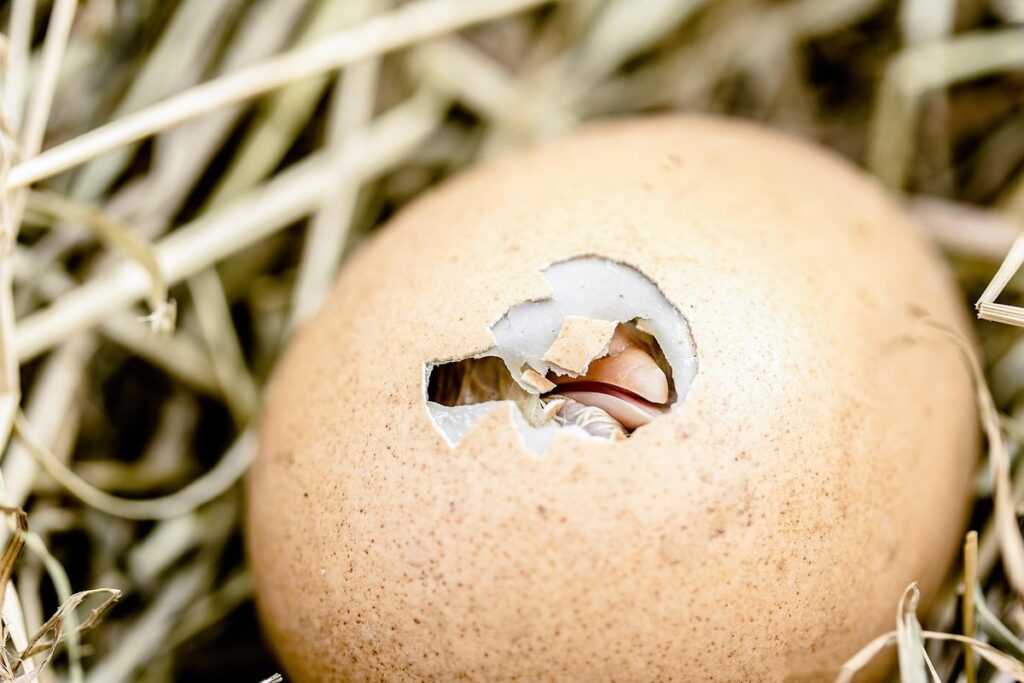
Understanding Chicken Embryonic Development
As you prepare for hatching, it’s essential to understand how chicken embryos develop and what factors affect their growth, including temperature fluctuations. Let’s dive into the world of embryonic development.
Critical Phases of Embryogenesis
Embryogenesis is the process of cell division and growth that occurs after fertilization, leading to the formation of a complex organism. In chickens, this process is highly temperature-dependent, with specific stages requiring optimal temperatures for proper development.
During fertilization, a single sperm penetrates the egg yolk, resulting in the fusion of genetic material. This marks the beginning of embryogenesis, which proceeds through several critical phases. The first phase, cleavage, involves multiple cell divisions without significant growth, occurring between 14-22 hours post-fertilization and requiring an optimal temperature range of 99°F to 100°F (37°C to 38°C).
Next, morula formation occurs at around 18-24 hours post-fertilization, where cells begin to compact and differentiate. This stage also requires a stable temperature between 99°F to 101°F (37°C to 39°C). The subsequent blastulation phase, taking place approximately 30-36 hours after fertilization, marks the formation of fluid-filled cavities within the embryo.
Maintaining precise temperature control during these initial stages is crucial for proper development and hatching success. Most commercial incubators maintain a consistent temperature range throughout embryogenesis to ensure optimal growth.
Importance of Temperature in Early Stages
Temperature plays a crucial role in the early stages of chicken embryonic development. During this critical period, even slight fluctuations can have a significant impact on viability, growth, and hatchability. As an embryo develops within the egg, temperature influences the pace at which it grows, and if it’s too far off from optimal levels, the consequences can be severe.
A 1°C (1.8°F) drop in incubation temperature can lead to a 10-15% decrease in hatch rates, making precise temperature control essential during this period. For example, during stage one (0-72 hours), a temperature deviation of just 2°C (3.6°F) can cause the embryo to enter “cold hardiness,” potentially leading to increased mortality.
Proper temperature management is particularly critical between stages two and three (73-192 hours), where growth accelerates, and embryos become more sensitive to fluctuations. During this phase, maintaining a stable temperature helps prevent developmental delays, ensuring a stronger, healthier chick at hatching.
The Role of Incubation Temperature
So, you’ve got your incubator all set up and your eggs are starting to hatch – now it’s time to talk about the crucial role that temperature plays in this process. Let’s dive into how different temperatures can affect hatching success.
Setting Up an Ideal Incubator Environment
Setting up an ideal incubator environment is crucial for successful chicken hatching. When it comes to temperature control methods, you have a few options. Digital thermostats are the most accurate and reliable option, as they can maintain a consistent temperature within 0.5-1°F. Hygrostats that monitor both temperature and humidity levels are also available, but may require more maintenance.
For effective temperature control, it’s essential to place the incubator in a draft-free area. A well-insulated room with minimal windows is ideal. You’ll also need a reliable thermometer, preferably one that can record temperatures over time. In terms of equipment requirements, you’ll need an incubator itself (a Styrofoam box or a commercial unit), a heat source (a heat lamp or heat mat), and a ventilation system.
Humidity management is equally important. Aim for a relative humidity (RH) level between 40-60%. You can achieve this by using a water tray or a humidifier in the incubator. Keep in mind that too high RH levels can lead to mold growth, while too low levels can cause eggs to dry out. Monitor your setup regularly to ensure optimal conditions for your chicks’ development.
Maintaining Optimal Temperature Range
Maintaining optimal temperature range is crucial throughout the incubation period. The ideal temperature for chicken hatching ranges from 99 to 100°F (37.2 to 37.8°C), and it’s essential to maintain this narrow range consistently.
To achieve this, it’s recommended to use a reliable thermometer that provides accurate readings. Some incubators come with built-in thermometers, while others require separate devices. Regardless of the type, it’s crucial to calibrate your thermometer before the first day of incubation to ensure accuracy.
You can also take advantage of temperature stabilizers or heat sinks to maintain a stable temperature within 0.1°F (0.05°C) of the set point. These accessories are designed to absorb excess heat and prevent temperature fluctuations.
To give you an idea of how crucial temperature control is, consider this: even a 2-3°F (1-1.5°C) deviation from the optimal range can significantly impact hatch rates. By maintaining the ideal temperature range throughout the incubation period, you’ll be well on your way to achieving successful hatches and healthy chicks.
The Impact of Temperature Fluctuations
Temperature fluctuations can be a major concern for chicken breeders, and understanding their impact on hatching success is crucial to raising healthy chicks. Let’s dive into the effects these variations have on your hatch rate.
Effects on Embryo Development and Hatchability
Temperature fluctuations can be detrimental to embryo development and hatchability. When the temperature drops below 99°F (37°C), it can cause embryos to stop developing, leading to delayed hatching or increased mortality rates. Conversely, overheating above 102°F (39°C) can also be catastrophic, resulting in stunted growth, developmental abnormalities, and reduced fertility.
Cooling or overheating can disrupt the delicate balance of embryo development, making it challenging for chicks to hatch successfully. A temperature swing of just 1-2°F (0.5-1°C) can significantly impact chick quality. For instance, a study revealed that embryos exposed to temperatures between 95-100°F (35-38°C) had a lower hatch rate compared to those incubated at a consistent 99-100°F (37-38°C).
To mitigate these risks, maintain a stable temperature environment, ideally within 1°F (0.5°C) of the optimal range. Regularly check your incubator’s thermometer and adjust as needed to ensure precise control over temperature fluctuations. By doing so, you can provide your chicks with the best possible start in life, increasing their chances of healthy development and successful hatching.
Strategies for Managing Temperature Variations
When it comes to managing temperature variations during chicken hatching, preparation is key. To minimize the effects of fluctuations, you need a solid backup plan in place. One crucial aspect of this is having reliable backup heating methods. A good backup heat source can be a lifesaver on cold days or when your primary heating system fails.
Consider investing in a separate heat lamp or ceramic heat emitter that can provide supplemental warmth to your incubator or brooder. These devices are designed specifically for poultry and can help maintain a stable temperature even during power outages. Just ensure you follow the manufacturer’s guidelines and take necessary safety precautions.
Another essential tool is a temperature monitoring system. This will allow you to closely track the temperature inside your incubator or brooder, receiving instant notifications if it falls outside of the optimal range. This can be particularly useful in cold climates where temperatures may drop significantly at night.
Developing an emergency plan is also vital. Identify potential temperature-related issues and have a contingency strategy in place for each scenario. This might include knowing how to quickly adjust your heat sources, relocating your birds to a warmer area, or even having a backup power source available.
Common Temperature-Related Issues
You may encounter temperature-related issues that can impact your chicken hatching success, such as incubation failures and chick health problems. Here are some common challenges to watch out for.
Overheating: Causes, Consequences, and Prevention
Overheating is one of the most significant temperature-related issues that can affect chicken hatchlings. When the incubation temperature gets too high, it can have devastating consequences for the developing embryos. One of the primary risks associated with overheating is embryo death. If the temperature exceeds 102°F (39°C), the embryo’s development can be severely impacted, leading to its demise.
Another consequence of overheating is malformation. When embryos are exposed to excessive heat, their development can become disrupted, resulting in physical deformities or developmental issues. These malformations can range from minor to severe and may even lead to the chick’s inability to thrive after hatching.
To prevent overheating, it’s essential to maintain a consistent temperature between 99.5°F (37.7°C) and 100.5°F (38°C). You can use a temperature gauge or hygrometer to monitor the incubator’s temperature. Additionally, ensure that your incubator is well-ventilated and that you’re using high-quality eggs from a reputable source. By taking these precautions, you can minimize the risk of overheating and increase the chances of successful hatching.
Underheating: Causes, Symptoms, and Solutions
Underheating can be just as detrimental to chicken development as overheating. When the temperature is too low, embryos may slow down their growth rate or even stop developing altogether. This can lead to delayed incubation, reduced hatch rates, and an increased risk of disease. For instance, if you’re keeping your eggs at 99°F (37°C) instead of 100°F (38°C), you might not notice a significant difference at first. However, this slight decrease in temperature can cause the embryos to develop more slowly.
As a result, underheating can lead to a host of problems. For example, chicks may hatch with weakened immune systems, making them more susceptible to disease and infections. Moreover, delayed incubation can cause embryos to exhaust their stored energy reserves, reducing their chances of survival after hatching. To avoid these issues, it’s crucial to maintain the correct temperature within your incubator or brooder. Aim for a consistent temperature range between 99°F (37°C) and 100°F (38°C). Regularly monitoring your thermometer will help you identify any potential problems early on, allowing you to take corrective action before underheating becomes an issue.
Best Practices for Monitoring Temperature
To ensure a healthy hatch, it’s essential to monitor temperature accurately. This is where setting up a reliable temperature monitoring system comes into play.
Types of Temperature Monitors
When it comes to monitoring temperature for chicken hatching, you’ll want to choose from various types of temperature monitoring systems. These range from digital thermometers to data loggers and probes. Each type has its own strengths and weaknesses, making it essential to understand the options before selecting one.
Digital thermometers are a popular choice among chicken keepers. They’re easy to use and provide accurate readings within seconds. You can find digital thermometers specifically designed for egg incubation, which often come with additional features like humidity control or alerts when temperatures deviate from the optimal range.
Data loggers, on the other hand, record temperature data over time, allowing you to track trends and patterns in your incubator’s temperature. This can be particularly useful if you’re using an electric or gas heater, as it will show you how well they maintain a stable temperature.
Probes are another option for monitoring temperature. They’re often used with digital thermometers but can also work independently. When selecting a probe, look for one that’s designed specifically for egg incubation and has a high degree of accuracy.
When choosing your temperature monitor, consider the size of your incubator, the type of heating or cooling system you have in place, and any additional features you might need (like alerts or data logging).
Regular Temperature Checks
Regular temperature checks are crucial during incubation to ensure that your eggs receive the optimal conditions for hatching. It’s recommended to check the temperature at least 2-3 times a day, ideally every 8 hours, but you should also pay attention to how the temperature changes throughout the day.
To accurately measure temperature, use an accurate digital thermometer specifically designed for incubation. Place it in the same position as the eggs, avoiding any drafts or air currents that could give false readings. If possible, invest in a thermometer with a probe that can be left inside the incubator to monitor the temperature continuously.
For example, if you’re using an electric incubator, make sure to check the temperature when it’s in use and also when it’s not, as some models may not retain heat evenly. You should aim for a consistent temperature between 99°F (37°C) and 100°F (38°C), with slight variations acceptable only during peak hatching periods. Don’t rely on the incubator’s built-in thermometer – always double-check with your own device to ensure accuracy.
Chicken Breed-Specific Temperature Requirements
When hatching chicken eggs, it’s essential to know that different breeds have unique temperature requirements for optimal incubation and healthy chicks. Let’s explore some breed-specific temperatures you should keep in mind.
Variations in Temperature Tolerance
When it comes to chicken hatching temperature, not all breeds are created equal. Some chickens have adapted to extreme temperatures and can thrive in conditions that would be challenging for others. The ideal incubation temperature may vary between 99°F (37°C) and 102°F (39°C), but some breeds require more specific conditions.
For example, Silkies and Polish chickens are sensitive to high temperatures and prefer a slightly cooler incubation environment, around 98-100°F (36-38°C). On the other hand, Brahmas and Cochin chickens can tolerate warmer temperatures up to 104°F (40°C). These variations in temperature tolerance can significantly impact hatching success and chick quality.
To ensure optimal hatching conditions for your breed of choice, it’s essential to research their specific requirements. Consult with experienced chicken keepers or check reputable sources for guidance on the ideal incubation temperature range for your flock. By taking into account the unique needs of each breed, you’ll be better equipped to create a nurturing environment that promotes successful hatching and healthy chicks.
Factors Influencing Breed-Specific Temperatures
When it comes to chicken hatching temperature requirements, breed specificity is crucial. But what factors contribute to these unique needs? To better understand and provide optimal conditions for your chicks, let’s explore the key influences on breed-specific temperatures.
Genetic predisposition plays a significant role in determining a breed’s ideal temperature range. Different breeds have evolved to thrive in various climates and environments, which has led to adaptations that can impact their temperature requirements. For example, tropical breeds like the Araucana tend to do well at slightly higher temperatures than temperate breeds like the Plymouth Rock.
Egg size is another factor to consider. Larger eggs, typically laid by heavier breeds, have a greater surface area-to-volume ratio. This means they lose heat more quickly and may require a warmer incubation environment to prevent cooling too rapidly. Conversely, smaller eggs tend to retain heat better, so they can thrive at slightly cooler temperatures.
Climate adaptation is also essential for breed-specific temperature requirements. Breeds developed in regions with high humidity or extreme temperatures have adapted accordingly. Understanding these adaptations will help you replicate the conditions your chicks need to develop optimally.
Frequently Asked Questions
What’s the best way to monitor temperature fluctuations during incubation?
Monitoring temperature is crucial for maintaining optimal conditions. Invest in a reliable digital thermometer with a probe that can be placed inside the incubator, ensuring accurate readings. Additionally, consider using an incubator with built-in temperature control and monitoring systems.
How do I know if my incubator’s temperature range is suitable for all breeds?
Not all chicken breeds have the same temperature requirements. Research your specific breed’s needs and ensure your incubator’s temperature range can accommodate those demands. Some breeds may require a narrower temperature range, so it’s essential to prioritize their specific needs.
Can I use a heat mat or heat lamp instead of an automated temperature control system?
While heat mats and lamps can provide warmth, they often struggle to maintain consistent temperatures, leading to fluctuations that can harm the embryos. Automated systems are generally more reliable for maintaining optimal temperatures throughout the incubation period.
What’s the best way to handle sudden power outages during incubation?
Power outages can be disastrous for your incubating eggs. Invest in a backup generator or uninterruptible power supply (UPS) specifically designed for incubators. This will ensure a smooth transition and prevent temperature fluctuations that could jeopardize the hatch.
How often should I perform regular temperature checks, even with automated systems?
Regular checks are still essential, even with automated systems. Schedule daily checks to verify the accuracy of your thermometer readings and confirm the system is functioning correctly.