
Incubating chickens can be a thrilling experience for backyard farmers and bird enthusiasts alike. If you’re new to raising chickens, learning how to incubate eggs successfully is an essential skill to master. With the right knowledge and equipment, you’ll be well on your way to hatching healthy chicks at home. But with so many variables to consider, from choosing the perfect incubator to maintaining a stable temperature, it’s no wonder that many people are intimidated by the process.
In this comprehensive guide, we’ll take the mystery out of incubating chickens and provide you with expert tips and techniques to ensure successful hatching rates. From selecting the best eggs for incubation to caring for your new chicks after they hatch, we’ve got you covered every step of the way. Whether you’re a seasoned farmer or just starting out, our ultimate guide will walk you through everything you need to know to become an expert in incubating chickens.
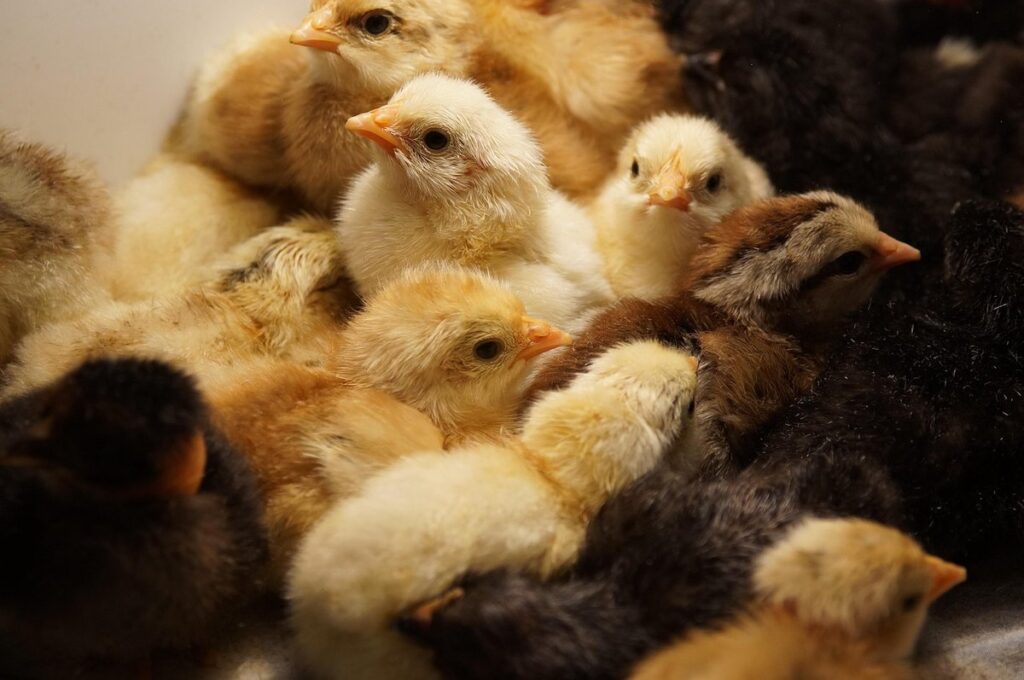
Understanding Chicken Incubation Basics
If you’re new to chicken incubation, it’s essential to grasp the fundamentals of how embryos develop and grow inside an egg before learning more advanced techniques. This section covers the basic process and factors that affect successful incubation.
What is Chicken Incubation?
Chicken incubation is a crucial process in poultry farming that allows breeders to hatch eggs outside of a mother hen’s brood. This technique is essential for increasing egg production, improving hatching rates, and providing a controlled environment for the developing embryos. By understanding how chicken incubation works, you can successfully raise healthy chicks.
The process involves placing fertile eggs into an incubator, which maintains a precise temperature between 99°F to 100°F (37°C to 38°C) and humidity levels around 50% to 60%. The eggs are turned regularly to prevent the embryo from sticking to the shell. After 21 days of incubation, the eggs start cracking, signaling that hatching is imminent.
To successfully incubate chickens, it’s essential to choose healthy, fertile eggs and follow a well-planned incubation schedule. A good quality incubator with precise temperature control and monitoring systems can significantly improve hatching rates. With proper care and attention, you can raise chicks from day one, giving them the best chance of survival and growth into strong, healthy birds.
Choosing the Right Incubator Type
When it comes to choosing the right incubator type, you have several options to consider. One popular choice is a digital incubator, which uses advanced technology to maintain precise temperatures and humidity levels. These incubators often come with built-in thermometers, hygrometers, and alarms that alert you if there’s an issue.
Another option is an automatic incubator, which can be set up to run on its own, making it ideal for busy hobbyists or commercial farmers. These incubators typically have multiple trays and can handle large batches of eggs at once.
For those on a budget or who prefer a more hands-on approach, manual incubators are a viable option. These require you to manually adjust the temperature and humidity levels throughout the incubation period. While they may not offer the same level of automation as digital or automatic models, they can still produce excellent results with proper care.
When selecting an incubator, consider factors such as egg capacity, power source (electricity or battery), and ease of use. Be sure to research different brands and read reviews from other users to find the best fit for your needs.
Understanding Fertility Rates and Egg Quality
When it comes to incubating chickens, understanding fertility rates and egg quality is crucial for success. Fertility rates refer to the percentage of eggs that will hatch when incubated. Factors such as breed, age, and egg quality play a significant role in determining fertility rates.
Some breeds are naturally more fertile than others, with certain breeds having higher hatch rates due to their genetic makeup. For example, Leghorns are known for their high fertility rates, whereas Orpingtons tend to be less fertile. Age is also an important factor, as hens that are too young or old may have lower fertility rates.
Egg quality is another critical aspect of fertility. Cleanliness and dryness of the eggshell can significantly impact hatchability. Tips for improving egg quality include storing eggs in a clean, cool environment, away from direct sunlight, and handling them gently to avoid cracking. Additionally, collecting eggs regularly will prevent breakage and maintain cleanliness.
To optimize fertility rates, it’s essential to use high-quality incubation equipment, maintain proper temperature and humidity levels, and handle the eggs carefully during transfer.
Preparing Eggs for Incubation
Before you start incubating eggs, it’s crucial to prepare them properly to ensure successful hatching. In this section, we’ll cover the essential steps to clean and set your eggs for a healthy hatch.
Collecting and Storing Eggs Properly
When collecting eggs from the coop, it’s essential to handle them gently to avoid damaging the embryos inside. Crack-sensitive cartons or paper towels can be used to transport eggs without causing harm. It’s also crucial to collect eggs frequently to prevent breakage and bacterial contamination.
Store eggs in a safe location with consistent temperature control, ideally between 60°F to 70°F (15°C to 21°C). Avoid direct sunlight, heat vents, or cold storage areas as they can compromise egg quality. A dedicated egg cooler or a cardboard box with a thermometer can be an effective way to maintain optimal temperatures.
Before incubation, ensure the eggs have been stored for at least 7-10 days to allow any remaining bacteria on the shells to dissipate. This helps prevent infection and ensures successful hatching. Label the eggs with their collection date to track storage time accurately.
Candler Inspection: A Critical Step in Incubation Preparation
A candler inspection is an essential step in preparing eggs for incubation. It’s crucial to inspect each egg carefully before placing it in the incubator to ensure that they are healthy and fertile. To perform a candler inspection, you’ll need a strong light source, such as a candler or a bright desk lamp, to examine the egg under its shell.
When holding an egg up to the light, look for any cracks, chips, or thin spots in the shell, which can compromise the embryo’s development. Check for any visible blood spots or dark specks, which may indicate that the egg was not fertilized properly. Also, inspect the air sac at the large end of the egg; it should be approximately 1/4 inch from the top of the shell.
If you notice any issues during the inspection, it’s best to discard the egg and replace it with a new one. Remember, the quality of the eggs will directly affect the success of your incubation. By performing a thorough candler inspection, you’ll be able to identify any potential problems early on and increase your chances of hatching healthy chicks.
Setting Up the Incubator and Beginning the Process
Now that you’ve set your goals and gathered your materials, let’s dive into setting up your incubator and beginning the process of bringing new life to those eggs.
Initial Temperature Settings and Humidity Control
When setting up the incubator, it’s essential to get the initial temperature settings and humidity levels just right. The ideal temperature range for hatching eggs is between 99.5°F and 100°F, with a slight drop to around 99°F once the eggs are Candling at day 18 of incubation.
To achieve this precise temperature control, make sure your incubator has a reliable thermostat and that you’re using accurate thermometers. You can also invest in an automatic egg turner, which not only rotates the eggs but also helps maintain a consistent temperature.
Humidity levels should be maintained between 50-60%, with a slight drop to around 40% during the last week of incubation. This is crucial for preventing dehydration and ensuring the development of strong, healthy chicks. You can achieve the right humidity level by misting the incubator regularly or using a humidifier.
It’s also vital to monitor these settings closely throughout the incubation process. Keep an eye on your thermometer and hygrometer readings, making adjustments as needed to maintain optimal conditions for hatching.
Turning and Monitoring Eggs Throughout Incubation
Regular egg turning is crucial during the incubation period to prevent the embryo from developing unevenly and to promote healthy growth. It’s essential to establish a regular turning schedule, which typically involves turning the eggs every 8-12 hours for the first week and then reducing the frequency to every 12-18 hours after that.
You should also monitor your eggs closely for any signs of distress or irregularities in development. Look out for swelling or soft spots on the eggshell, as these can be indicative of an embryo developing unevenly or being too large for its space. Check for blood or meconium stains, which can signal a potential issue with the embryo’s health.
Monitor your eggs daily, rotating them slowly to avoid cracking the shell. Use a reliable timer to ensure consistency in your turning schedule, and make adjustments as needed based on your observations of the embryos’ development. By staying vigilant and attentive throughout the incubation period, you’ll be better equipped to address any potential issues that arise, giving your eggs the best chance at successful hatching.
Managing Temperature Fluctuations and Issues During Incubation
One of the most critical factors in successful incubation is maintaining a stable temperature, but even the best setup can be affected by fluctuations. Let’s dive into some tips to troubleshoot and manage these issues.
Identifying and Addressing Temperature Deviations
Recognizing temperature deviations is crucial to ensure healthy embryo development. A slight dip in temperature can be catastrophic, while a significant drop may lead to embryonic demise. Monitoring the incubator’s temperature regularly will help you identify these fluctuations.
When temperature drops, it’s essential to act quickly. A common solution is using backup heat sources such as hot plates or heat lamps. However, this should only be done in emergency situations as they can cause over-heating if not monitored closely. In most cases, adjusting the incubator settings is a more effective and efficient way to correct temperature deviations.
Check your incubator’s manual for specific guidelines on adjusting temperature settings. Typically, you’ll need to increase or decrease the thermostat setting by a fraction of a degree. Be cautious not to over-correct as this can lead to over-heating or under-cooling. For example, if the temperature drops 1-2°F below the recommended range, you might need to adjust the setting by 0.5-1°F.
It’s also crucial to regularly inspect your incubator for any issues that may be causing temperature fluctuations, such as malfunctioning thermostats or blockages in ventilation systems. Addressing these underlying problems will help prevent future temperature deviations and ensure a healthy hatch rate.
Troubleshooting Common Incubation Issues
When it comes to incubation, temperature fluctuations are just one of many potential issues that can arise. In addition to maintaining a stable temperature, you’ll also need to contend with other common problems like mold and bacterial infections.
Mold growth can be particularly devastating if left unchecked, as it can completely ruin a batch of eggs and even pose health risks to your chickens once they hatch. To avoid this issue, make sure to monitor the humidity levels in your incubator closely – anything above 60% is prime breeding ground for mold. Regularly clean and disinfect the unit, and use a dehumidifier if necessary.
Bacterial infections can also cause significant problems during incubation. These types of issues often arise from poor hygiene or contamination within the incubator itself. To minimize this risk, wash your hands thoroughly before handling eggs, and make sure to sanitize any equipment that comes into contact with them. By paying close attention to these details and staying on top of maintenance tasks, you’ll be well-equipped to handle common incubation issues like mold and bacterial infections.
Caring for Hatched Chicks and Post-Hatching Care
Now that your chicks have hatched, it’s essential to provide them with proper care, including feeding, brooding, and monitoring their health. This section will guide you through these crucial post-hatching stages.
First 24-48 Hours After Hatching: Critical Period
The first 24-48 hours after hatching are critical for newly emerged chicks. During this period, they are most vulnerable to stress and environmental changes. To ensure their survival and proper development, it’s essential to provide a stable and nurturing environment.
Immediately after hatching, keep the chicks in a warm location, ideally between 90°F to 95°F (32°C to 35°C). A heat source such as a heat lamp or ceramic heat emitter can be used to maintain the temperature. Ensure that the chicks have access to clean, fresh water and food at all times.
Establishing a routine is also crucial during this period. Provide regular feeding sessions every 6-8 hours, making sure the chicks are eating and drinking adequately. Monitor their stool quality, as well-formed droppings indicate proper digestion.
Keep an eye on chick behavior, looking for signs of stress or distress such as huddling together, panting, or lethargy. If you notice any unusual behavior, consult with a veterinarian experienced in poultry care to rule out potential health issues. By providing a warm, nourishing environment and monitoring their progress closely, you can ensure your chicks receive the best possible start in life.
Gradual Transition to Brooder or Coop Environment
When it’s time to transition your hatched chicks from the incubator to their new home, whether it’s a brooder or coop environment, it’s essential to do so gradually. Sudden changes can be stressful for young birds, increasing the risk of respiratory problems and other health issues.
Begin by placing the incubator in the same room as the brooder or coop for 24-48 hours before transferring the chicks. This allows them to become familiar with the new surroundings and reduce stress during the transition process.
Once you’ve transferred the chicks to their new environment, acclimate them to temperature fluctuations gradually. The ideal temperature range for brooders is between 90°F and 100°F (32°C-38°C) for the first week, decreasing by 5°F each week thereafter.
Make sure to introduce feeders and water sources slowly, allowing the chicks to get accustomed to drinking from a sipper or dropper system. A shallow dish with fresh water and starter feed should be placed near the brooder or coop for easy access.
Remember, it’s crucial to monitor your chicks’ health and behavior closely during this transition period, as they are more susceptible to illness. Keep their environment clean, provide adequate ventilation, and ensure they have a balanced diet to promote healthy growth and development.
Common Mistakes to Avoid in Chicken Incubation
Don’t let mistakes cramp your chicken-hatching style – let’s take a look at some common pitfalls to avoid when incubating eggs. From temperature control to humidity levels, we’ll cover it all.
Key Takeaways From Experienced Incubators
From experienced incubators, we’ve gathered valuable insights on common mistakes to avoid during the chicken incubation process. It’s essential to acknowledge these errors and learn from them to ensure a successful hatch.
One of the most critical mistakes novice incubators make is incorrect temperature control. Temperature fluctuations can significantly impact embryo development, leading to poor hatching rates or even fatalities. To avoid this, it’s crucial to maintain a consistent temperature range between 99°F and 100°F (37°C to 38°C) throughout the incubation period.
Inadequate humidity levels are another common mistake. Chickens require a humid environment, typically ranging from 50% to 60%, to develop properly. Failing to maintain this level can cause embryos to dry out or become dehydrated, resulting in poor hatch rates.
Another critical error is improper egg handling and storage. Eggs must be stored pointed end down to prevent moisture from entering the egg, which can lead to bacterial contamination. It’s also essential to handle eggs gently to avoid cracking or breaking them, as this can allow bacteria to enter and compromise the developing embryo.
Furthermore, many incubators neglect to check for mold growth within the incubator. Mold can be a significant threat to healthy embryo development, so regular cleaning and monitoring of the incubation environment is crucial.
To correct these mistakes, experienced incubators recommend:
* Investing in a reliable temperature control system
* Using a hygrometer to monitor humidity levels
* Handling eggs with care and storing them properly
* Regularly inspecting and cleaning the incubator
By learning from these common errors and incorporating expert advice into your incubation routine, you can significantly improve your chances of successful hatching. Remember, it’s always better to err on the side of caution when it comes to temperature and humidity control, as small adjustments can make a big difference in the long run.
Frequently Asked Questions
What if I encounter a power outage during incubation?
In case of a power outage, it’s crucial to have a backup plan in place. Consider investing in a UPS (uninterruptible power supply) or a generator specifically designed for incubators. This will help maintain the ideal temperature and prevent potential embryo damage.
Can I reuse an old egg carton for collecting eggs?
No, it’s not recommended to reuse an old egg carton for collecting fresh eggs. The risk of bacterial contamination is higher with reused containers, which can lead to fertility issues or even egg spoilage. Instead, use clean, food-grade plastic or paper containers specifically designed for egg collection.
How do I troubleshoot common incubation issues related to temperature fluctuations?
When faced with temperature deviations, it’s essential to remain calm and take immediate action. First, verify the accuracy of your thermometer(s). Then, adjust the incubator settings according to the manufacturer’s guidelines. If the issue persists, consider investing in a temperature control system or seeking advice from experienced incubators.
Can I use an old refrigerator for incubating eggs?
Yes, but with careful consideration and modifications. An old refrigerator can be converted into a makeshift incubator by ensuring proper ventilation, precise temperature control (around 99°F), and maintaining humidity levels between 50-60%. However, it’s crucial to research specific requirements and potential challenges before attempting this setup.
What should I do if my chicks don’t hatch within the expected time frame?
If your chicks fail to hatch after the standard incubation period, inspect the eggs for any visible cracks or damage. Check the temperature settings and ensure proper humidity levels. If the issue persists, it may be due to poor egg quality, fertility issues, or equipment malfunctions. Consider consulting with a veterinarian or experienced breeder for further guidance.