
Are you tired of struggling with inconsistent nutrient levels in your garden, or worrying about the environmental impact of using chicken manure as fertilizer? Achieving the perfect balance is key to unlocking the full potential of this natural resource. But what exactly is the ideal chicken manure compost ratio, and how can you ensure it’s right for your specific needs?
In this article, we’ll explore the importance of balancing nutrients and minimizing environmental impacts when using chicken manure as a fertilizer. We’ll delve into lab testing methods that will help you accurately measure nutrient levels, review field trials that demonstrate the effectiveness of optimal compost ratios, and provide practical tips on how to apply this knowledge in your own garden or farm. By the end of this article, you’ll have a clear understanding of how to create the perfect chicken manure compost ratio for a thriving and sustainable gardening practice.
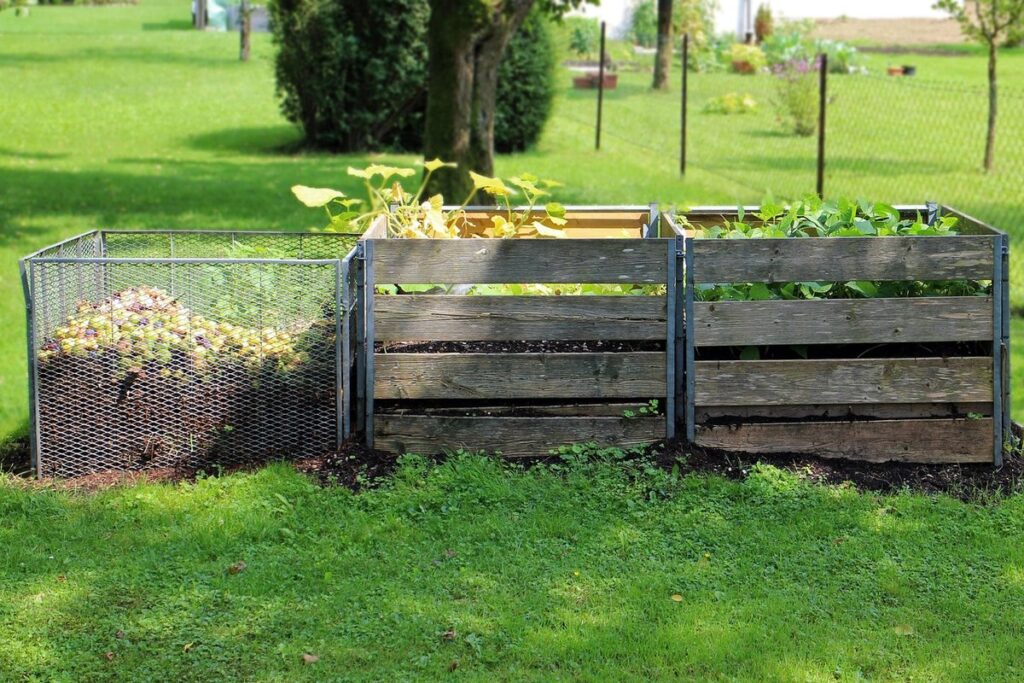
Understanding Chicken Manure Composition
Chicken manure composition is a critical factor in determining the optimal compost ratio, and understanding its unique characteristics will help you create a balanced blend for your garden. Let’s dive into what makes chicken manure so special.
Nutrient Breakdown in Chicken Manure
Chicken manure is an excellent source of nutrients for composting, and understanding its nutrient breakdown is crucial to optimizing the compost ratio. Let’s dive into the primary nutrients present in chicken manure.
Nitrogen (N) is one of the most significant components, making up around 8-10% of dry weight. This high nitrogen content makes chicken manure an excellent additive for compost piles looking to balance out carbon-rich materials. Phosphorus (P), another essential nutrient, accounts for about 4-6% of dry weight. Potassium (K) is also present in significant amounts, comprising around 2-3% of dry weight.
The ideal C:N ratio for effective composting is between 20:1 and 30:1. Chicken manure’s high nitrogen content makes it an excellent component to achieve this balance. However, its relatively low carbon-to-nitrogen ratio means it should be mixed with other materials rich in carbon, such as dried leaves or straw, to maintain a healthy compost pile.
When incorporating chicken manure into your compost mix, consider the following guidelines: aim for 20-30% nitrogen-rich materials (like chicken manure) and supplement with carbon-rich additives (such as wood chips or coconut coir). This balance ensures efficient decomposition and nutrient release.
Moisture Content and pH Levels in Chicken Manure
When handling chicken manure for composting, it’s essential to understand its typical moisture content and pH levels. These parameters significantly influence the composting process, affecting microbial activity, nutrient availability, and overall quality of the finished product.
The average moisture content in chicken manure ranges from 70% to 80%, making it a high-moisture organic waste material. This characteristic requires careful handling, as excessive water can lead to anaerobic conditions, resulting in unpleasant odors and reduced composting efficiency. To manage this issue, you should aim for an initial moisture level of about 50-60% by spreading the manure thinly or mixing it with other dry materials.
Chicken manure typically exhibits a pH range from 6.5 to 7.0, which is slightly acidic to neutral. While this pH range is suitable for composting, maintaining optimal conditions is crucial. If the pH level drops below 6.0 or exceeds 8.0, microbial activity may be negatively impacted, compromising the decomposition process. Regular monitoring of pH and moisture levels throughout the composting period ensures you can make adjustments as needed to optimize the process.
Maintaining ideal moisture and pH conditions requires consistent monitoring and adjustments.
Benefits of Using Chicken Manure Compost
Using chicken manure compost can have numerous benefits for your garden, from improving soil structure to increasing nutrient availability. We’ll explore these advantages in more detail below.
Soil Enrichment and Improved Fertility
When you incorporate chicken manure compost into your gardening routine, one of its most significant benefits is its contribution to enhanced soil health, structure, and fertility. By adding this nutrient-rich material to the soil, you’re essentially providing it with a boost of essential microorganisms that help break down organic matter.
These beneficial microbes are responsible for improving soil texture, increasing water retention capacity, and making nutrients more readily available to plants. Over time, this can lead to improved root growth, increased crop yields, and even better resistance to pests and diseases. Additionally, chicken manure compost helps to neutralize acidic soils, which is especially beneficial for gardeners dealing with pH imbalances.
To maximize the benefits of chicken manure compost on soil fertility, ensure you’re using it in moderation and mixing it well with other organic matter or topsoil. A general rule of thumb is to aim for a 1:10 ratio (one part chicken manure compost to ten parts other material). This will help prevent overloading the soil with excess nitrogen and promote a balanced ecosystem.
Water Retention and Erosion Control
When you incorporate chicken manure compost into your soil, it doesn’t only enrich the nutrient content but also improves its water retention capacity. This is particularly beneficial for gardeners dealing with areas prone to droughts or irregular rainfall patterns. By adding compost to the soil, you’re essentially giving it the ability to hold onto moisture better.
The organic matter present in chicken manure compost acts as a sponge, allowing it to absorb and retain more water than regular soil. This has two significant effects: it reduces soil erosion risks by holding the soil particles together, and it minimizes the need for frequent watering, which can be costly and time-consuming. To maximize these benefits, make sure you maintain an optimal chicken manure compost ratio in your blend – around 20-30% of the total mix should consist of chicken manure.
This way, you’ll be able to achieve a perfect balance between nutrient-rich soil and water efficiency. Regularly monitoring your soil’s moisture levels will also help you adjust your watering schedule accordingly.
Establishing a Balanced Chicken Manure Compost Ratio
To achieve a well-balanced compost, it’s essential to understand how to mix chicken manure with other carbon-rich materials in the right proportions. Let’s dive into the specifics of creating this perfect blend.
The Importance of Nitrogen-Phosphorus Balance
Maintaining a nitrogen-phosphorus balance is crucial when composting chicken manure to prevent excessive nutrient release. When the ratio of nitrogen to phosphorus becomes unbalanced, it can lead to unwanted consequences such as environmental pollution and decreased soil fertility. Nitrogen tends to be more readily available in chicken manure due to its high protein content, while phosphorus levels are typically lower.
To put this into perspective, consider a typical compost pile’s nitrogen-phosphorus ratio: 10-20 parts nitrogen to 1 part phosphorus (N:P 10:1 or N:P 20:1). Chicken manure alone has an average N:P ratio of around 3.5:1, making it necessary to balance the mix with other compost materials like sawdust or straw. To do this effectively, add a mix of dry and green materials to your compost pile in the following proportions:
• Nitrogen-rich materials (chicken manure): 30-40%
• Carbon-rich materials (sawdust or straw): 60-70%
By adhering to these guidelines, you’ll be able to create a balanced compost pile that utilizes nitrogen and phosphorus efficiently.
Carbon-to-Nitrogen (C:N) Ratio Considerations
Maintaining an optimal Carbon-to-Nitrogen (C:N) ratio is crucial when composting chicken manure. This balance ensures efficient decomposition and minimizes potential environmental impacts such as ammonia emissions, odors, and greenhouse gas production. An ideal C:N ratio ranges from 20:1 to 30:1, with a sweet spot around 25:1.
To put this into perspective, consider the typical composition of chicken manure: it’s high in nitrogen (around 8-10%) but low in carbon (about 2-3%). To balance this out, you’ll need to add sufficient carbon-rich materials like straw, sawdust, or shredded newspaper. The general rule of thumb is to mix one part chicken manure with two parts carbon-rich material.
Here’s a practical example: if you have 10 gallons of chicken manure, add 20 gallons of carbon-rich material (e.g., straw). This will create a more balanced mixture that promotes efficient decomposition and reduces the risk of environmental issues. Monitor your compost pile regularly to adjust the C:N ratio as needed, ensuring optimal performance. By paying attention to this critical aspect, you’ll be well on your way to creating a healthy, thriving compost system.
Methods for Determining the Optimal Compost Ratio
Now that you know what makes a great compost ratio, let’s dive into the methods for determining the perfect balance of materials to maximize nutrient retention and minimize odors. We’ll explore tried-and-true techniques for achieving optimal results.
Using Lab Testing and Analysis Results
Lab testing and analysis results play a crucial role in determining the optimal compost ratio for chicken manure. This process involves sending samples of the compost to a laboratory for comprehensive analysis. The lab tests can provide valuable information on the nutrient composition, including nitrogen (N), phosphorus (P), and potassium (K) levels, as well as other essential micronutrients.
A typical lab test report will include details such as moisture content, pH level, and C:N ratio. This data is then used to determine the optimal compost ratio for specific applications. For example, if you’re planning to use the compost as a fertilizer for vegetables, the ideal N:P:K ratio might be different from that required for fruit trees.
It’s essential to select a reputable laboratory that uses standardized methods and equipment to ensure accurate results. Once you have received the lab test results, you can use this data to adjust the compost ratio accordingly. This may involve adding more chicken manure or bulking agents like straw or coconut coir to achieve the desired balance of nutrients.
When interpreting lab test results, consider factors such as application rates and crop requirements. A general rule of thumb is to aim for a C:N ratio between 25:1 and 30:1 for most applications. However, this may vary depending on the specific crop or situation. Always consult with experts or refer to local guidelines for optimal compost ratios in your area.
Field-Based Composting Trials
Field-based composting trials are an essential method for determining the optimal chicken manure compost ratio. These trials involve conducting on-farm experiments to evaluate various compost ratios and their effects on soil health.
Researchers have conducted numerous field trials to assess the impact of different compost ratios on soil fertility, structure, and microbial activity. For instance, a study in Japan evaluated the effect of chicken manure compost with varying C:N ratios (20:1, 15:1, and 10:1) on soil fertility. The results showed that the 15:1 ratio improved soil organic matter content by 25% compared to the control.
Another field trial conducted in the United States found that a 30:1 chicken manure compost ratio increased soil microbial activity by 40%. These studies demonstrate the importance of optimizing compost ratios for specific farm conditions. When conducting your own field trials, consider factors such as climate, soil type, and crop requirements to determine the optimal C:N ratio.
When designing your trial, ensure that it is large enough to provide statistically significant results. Also, take regular measurements of soil parameters like pH, electrical conductivity, and microbial counts to assess the effects of different compost ratios on soil health.
Preparing and Applying Chicken Manure Compost
Now that you understand the ideal ratio, let’s move on to preparing and applying chicken manure compost effectively for optimal results. This section will walk you through a step-by-step guide on doing so safely and efficiently.
Mixing with Other Organic Materials
When mixing chicken manure compost with other organic materials, you open up a world of possibilities for creating a well-balanced fertilizer product. By combining chicken manure compost with other natural ingredients, you can improve its nutrient profile, enhance its effectiveness, and reduce potential drawbacks.
Some excellent options to mix with chicken manure compost include leaf mold, peat moss, or coconut coir. These materials not only add nutrients but also help regulate moisture levels and aeration in the compost. For example, adding 20-30% leaf mold can increase the carbon-to-nitrogen ratio, making it more suitable for high-nitrogen crops like vegetables.
You can also experiment with mixing chicken manure compost with other animal by-products, such as worm castings or horse manure. These combinations can create a rich, organic fertilizer with improved water-holding capacity and reduced odors. Remember to maintain the optimal C:N ratio (around 25:1) when mixing materials to ensure efficient decomposition and nutrient availability.
When blending different materials, start with small batches to monitor their effects on the compost’s consistency and odor. This will help you adjust ratios and find the perfect balance for your specific needs.
Best Practices for Compost Application Rates and Timing
When applying chicken manure compost to your garden or farm, it’s essential to get the rates and timing right. Too little compost can lead to under-nutrition of plants, while excessive amounts can cause environmental harm. To avoid these issues, follow these best practices for optimal application.
Start by determining the NPK (nitrogen-phosphorus-potassium) content in your chicken manure compost. This will help you calculate the ideal application rate based on your soil’s nutrient needs. As a general rule of thumb, apply 1-2% chicken manure compost to the soil surface or mix it into the top 6-8 inches. For example, if you’re applying a compost with 5% NPK content, start with a 0.25% application rate (5 x 0.05) and adjust as needed.
Timing is also crucial. Apply chicken manure compost in the fall or early spring when plants are dormant to minimize leaching risks. Avoid applying during peak growing seasons or after heavy rainfall events. Regularly monitor soil pH, moisture levels, and nutrient availability to fine-tune your application rates and ensure optimal results.
Addressing Common Challenges and Concerns
As you navigate the process of optimizing your chicken manure compost ratio, you’ll likely encounter some common challenges that can be tricky to overcome. Let’s tackle them together in this section.
Pathogen Reduction Strategies
When it comes to optimizing chicken manure compost ratio, ensuring the safety of the final product is crucial. Pathogens like E. coli and Salmonella can be present in raw chicken manure, posing a risk to human health if not properly managed. One effective method for reducing pathogens is pasteurization, which involves heating the compost to a temperature that’s hot enough to kill off bacteria and other microorganisms.
Another approach is solar drying, where the compost is spread out in thin layers and left to dry in the sun. This process can take several days or weeks, depending on weather conditions, but it’s a cost-effective and environmentally friendly option.
To implement these pathogen reduction strategies effectively, consider the following tips:
* Monitor temperature and moisture levels closely during pasteurization or solar drying
* Use thermometers to ensure the compost reaches a minimum temperature of 131°F (55°C) for pasteurization
* Regularly inspect the compost pile for signs of spoilage or contamination
* Consider combining these methods with other pathogen reduction techniques, such as adding lime or using UV light disinfection. By taking proactive steps to reduce pathogens in your chicken manure compost, you can create a safe and high-quality product for gardening and agriculture applications.
Economic Considerations and Cost-Benefit Analysis
When evaluating the economic considerations of producing and applying chicken manure compost, it’s essential to weigh the costs against potential benefits. One significant advantage is cost savings on fertilizers. By using compost made from chicken manure, farmers can reduce their reliance on synthetic fertilizers, which can be expensive and harm the environment.
According to a study by the US Department of Agriculture, farms that use compost can save up to 30% on fertilizer costs compared to those that don’t. Additionally, compost can increase crop yields by up to 20%, leading to increased revenue for farmers. To optimize these benefits, it’s crucial to determine the optimal chicken manure compost ratio.
To do this, consider the following factors:
* The nutrient content of the manure
* The type and amount of other organic materials added to the compost pile
* The temperature and moisture levels during the composting process
By fine-tuning these variables, farmers can produce high-quality compost that not only saves them money but also boosts their bottom line.
Frequently Asked Questions
How do I measure the nutrient levels in my chicken manure without lab testing?
To accurately determine nutrient levels, you can use a nutrient analysis kit or send a sample to a reputable laboratory for testing. These kits and labs provide reliable results, enabling you to adjust your compost ratio accordingly.
What if I’m using a mix of chicken manure with other organic materials – how do I adjust the compost ratio?
When combining different materials, consider their individual nutrient levels and adjust the overall ratio based on the specific needs of your garden. A general rule is to start with a 1:2 or 1:3 chicken manure-to-organic material mix and monitor nutrient levels before making adjustments.
How can I ensure pathogen reduction in my chicken manure compost?
To minimize pathogens, maintain optimal moisture levels (around 50-60%), ensure proper carbon-to-nitrogen ratio (C:N), and use adequate aeration. Regularly monitoring temperature (55°C – 65°C) also helps to reduce pathogens.
Can I use any type of chicken manure for composting, or are there specific requirements?
Choose fresh, unsoiled chicken droppings from healthy birds for the best results. Avoid using processed or aged manures, as they may have reduced nutrient levels and increased pathogen risk.
How long does it typically take to notice the benefits of using chicken manure compost in my garden?
Benefits such as improved fertility, water retention, and erosion control can become apparent within 1-3 months after application. Soil enrichment and nutrient uptake will continue over time with regular use, providing a lasting impact on your garden’s health.