
If you’re raising chickens or involved in sustainable farming, you’ve likely encountered the issue of chicken manure composting time. Managing this waste is crucial not only for environmental reasons but also to maintain a healthy and efficient farm operation. Composting chicken manure can reduce odors, increase nutrient availability, and create a valuable resource for your garden or fields. However, it requires careful planning and execution to avoid contamination, pathogens, and reduced carbon levels. In this article, we’ll delve into the key principles of optimizing chicken manure composting time, exploring benefits like improved soil quality, reduced waste disposal costs, and increased crop yields. With real-world case studies and practical tips, you’ll learn how to get the most out of your chicken manure composting efforts, from initial setup to final product application.
Understanding the Importance of Composting
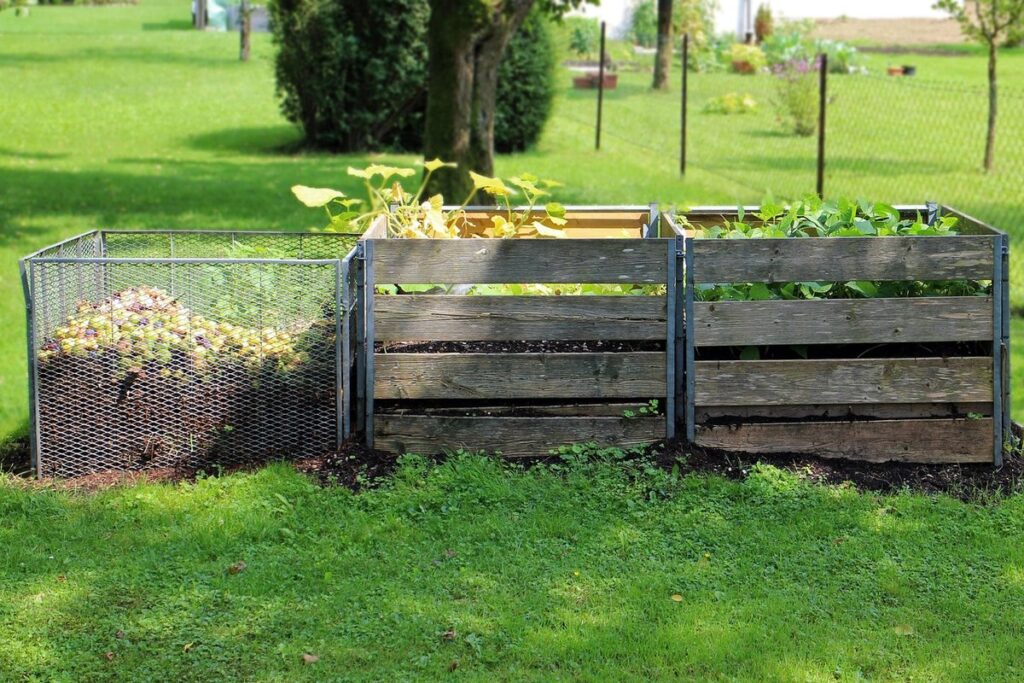
Composting is a vital process that not only helps reduce waste but also creates nutrient-rich soil for your garden. In this section, we’ll explore why composting chicken manure is essential.
Benefits of Composting Chicken Manure
Composting chicken manure is a game-changer for gardeners and farmers. Not only does it reduce waste, but it also boosts soil fertility and increases crop yields. When you compost chicken manure, the nutrients are released slowly over time, providing a steady supply of nitrogen, phosphorus, and potassium to your plants.
This can lead to healthier, more robust crops that require fewer fertilizers and pesticides. In fact, studies have shown that using composted chicken manure can increase crop yields by up to 20%. For example, a study on corn production found that farmers who used composted chicken manure saw a significant increase in yield compared to those who didn’t.
Composting chicken manure is also an eco-friendly alternative to synthetic fertilizers. By reducing waste and creating a nutrient-rich fertilizer, you’re not only improving your soil’s fertility but also minimizing the environmental impact of agricultural practices. With a little bit of effort, you can create a sustainable and thriving garden or farm using composted chicken manure.
Key Principles of Effective Composting
Composting is a complex process that requires careful consideration of several key principles to produce high-quality compost. To create a successful composting system, you need to balance the carbon-to-nitrogen (C:N) ratio of your materials. This means combining “brown” materials like dried leaves or straw with “green” materials like chicken manure and grass clippings.
The ideal C:N ratio is between 20:1 and 30:1, but this can vary depending on the specific materials you’re using. For example, if you’re composting chicken manure alone, you’ll need to add more carbon-rich materials to balance out the nitrogen levels. It’s also essential to maintain adequate oxygen levels in your compost pile, which can be achieved by regularly turning the material and ensuring proper airflow.
Temperature management is another critical aspect of successful composting. The ideal temperature range for decomposition is between 130°F and 140°F (54°C-60°C), but it’s not uncommon for temperatures to rise above this range during the composting process.
Factors Affecting Chicken Manure Composting Time
Factors such as moisture levels, temperature, and aeration can significantly impact how quickly chicken manure decomposes into compost. Understanding these variables is crucial for successful composting.
Temperature and Microbial Activity
Temperature plays a significant role in microbial activity and decomposition rates during chicken manure composting. Microorganisms such as bacteria and fungi thrive at optimal temperatures between 130°F to 140°F (54°C to 60°C). At these temperatures, they break down organic matter efficiently, speeding up the composting process.
However, if temperatures are too high or too low, microbial activity slows down. High temperatures can lead to a condition known as “heat stress,” where microorganisms die off, causing odor issues and slowing decomposition rates. On the other hand, low temperatures can result in slow or even stalled composting processes. In such cases, it may take months for chicken manure to break down.
To optimize temperature conditions, ensure adequate aeration and moisture levels. Regularly turn your compost pile to maintain optimal oxygen flow, keeping temperatures within the ideal range. Monitor temperature fluctuations using a thermometer, and adjust your strategy as needed. For instance, if temperatures rise above 140°F (60°C), add more bulking agents or water to reduce heat buildup. By managing temperature conditions effectively, you can speed up the composting process while maintaining quality.
Moisture Levels and Caking Prevention
Maintaining optimal moisture levels is crucial for efficient decomposition processes in chicken manure composting. Too little moisture can slow down decomposition, while excessive moisture can lead to anaerobic conditions and unpleasant odors.
Aim for a moisture content of 50-60% by weight, as this range supports the growth of beneficial microorganisms. To achieve this, you can add water to your pile or mix in high-moisture materials like manure tea or grass clippings. Monitor your pile’s moisture levels regularly and adjust as needed.
Caking is another issue that can arise from inadequate moisture control. This occurs when dry material sticks together, creating a hard, unmanageable mass. To prevent caking, ensure your pile has sufficient moisture and turn it frequently to maintain airflow. You can also add bulking agents like straw or shredded newspaper to improve drainage and prevent clumping.
For example, if you notice your compost pile is too dry, mix in some water to bring the moisture content up to 50-60%. If you’re unsure about your pile’s moisture levels, insert a wooden dowel or probe into the center of the pile. If it feels damp but not soggy, you’re on the right track.
Measuring Composting Time: Techniques and Tools
Now that you have a good understanding of the composting process, let’s dive into some essential techniques for measuring chicken manure composting time effectively.
Visual Inspection and Monitoring
Regular visual inspections and monitoring are crucial to assessing composting progress and determining if your chicken manure is ready for use. By observing changes in texture, color, and temperature, you can get a better understanding of the decomposition stages.
Look for signs such as increased moisture levels, which should be maintained between 40-60%. This indicates that microorganisms are actively breaking down organic matter. The pile’s color will also change from light brown to darker shades as it matures. Temperature is another key indicator – temperatures above 130°F (54°C) suggest active decomposition.
During your inspections, pay attention to odor levels and the presence of pests. While some odor is normal, an overwhelming smell can indicate anaerobic conditions or contamination. Keep an eye out for insects like flies, ants, and rodents, which may be attracted to nutrient-rich compost piles.
Monitor your pile’s structure by observing how it breaks down over time. The initial mix will begin to break apart, forming visible clumps and eventually a uniform texture. With regular inspections, you’ll develop a sense of what “finished” compost looks like, ensuring the quality of your final product.
pH and Moisture Testing
pH and moisture levels are crucial indicators of compost maturity. Measuring these factors can help you determine when your chicken manure compost is ready for use. pH testing involves using a probe or pH meter to check the compost’s acidity or alkalinity, with a range of 6.0-7.5 being ideal. If the pH level is too high or low, it can affect microbial activity and nutrient availability.
For moisture content, aim for a mix that feels like a damp sponge. Excessive dryness slows down decomposition, while excessive wetness leads to anaerobic conditions, creating unpleasant odors and attracting pests. Regularly check moisture levels by inserting your hand into the compost pile; if it feels dry, add water; if it’s too wet, turn the pile to aerate.
Aim for a moisture level between 40-60% for optimal decomposition. Over time, you’ll develop a sense of when the compost is ready – just stick with it and be patient.
Chicken Manure Composting Process Overview
Now that we’ve covered the basics of chicken manure composting, let’s dive into the process itself and explore how it works from start to finish. This section will break down each step of the journey.
The C-N Ratio and Its Impact on Decomposition
The C-N ratio is a crucial factor to consider when determining chicken manure composting time. This ratio measures the balance between carbon and nitrogen in the compost pile, with ideal levels ranging from 25:1 to 30:1. When this balance is disrupted, decomposition rates slow down or speed up, affecting overall composting time.
If the C-N ratio is too high (low nitrogen), decomposition slows down due to a lack of energy for microorganisms to break down organic matter. Conversely, if the ratio is too low (high nitrogen), decomposition accelerates, but excess ammonia production can lead to unpleasant odors and potentially harm plants.
To adjust the C-N ratio in your compost pile:
* Add carbon-rich materials like dried leaves or shredded newspaper to increase the C-N ratio
* Mix in nitrogen-rich materials like grass clippings or kitchen scraps to decrease the C-N ratio
Monitor the C-N ratio by observing temperature, odor, and texture changes. Aim for a balanced mix that promotes optimal decomposition rates, ensuring your composting time is optimized.
Role of Microorganisms in Decomposition
Microorganisms are the unsung heroes of the composting process. They work tirelessly behind the scenes to break down organic matter into nutrient-rich fertilizer. In the context of chicken manure composting, microorganisms play a crucial role in reducing pathogens and odor-causing compounds.
These beneficial microbes thrive on carbohydrates, proteins, and fats present in chicken manure, converting them into carbon dioxide, water, and energy. The ideal microorganism-to-material ratio ensures efficient decomposition and minimizes the risk of anaerobic conditions, which can lead to toxic gases. Factors influencing microorganism activity include moisture levels (optimal 40-60%), temperature (range 130°F – 140°F), pH balance (slightly acidic to neutral), and aeration.
To promote optimal microorganism growth, it’s essential to maintain a healthy compost pile with regular mixing and monitoring. This can be achieved by following the “3 Rs”: reduce (minimize excess moisture), retain (hold temperature between 130°F – 140°F), and remix (regularly turn the compost). By understanding and supporting the role of microorganisms, you’ll create an efficient and effective chicken manure composting process that yields high-quality fertilizer for your crops.
Case Studies and Examples: Real-World Composting Experiences
Let’s take a look at real-world composting experiences to see how other farmers and gardeners have successfully managed chicken manure. You’ll find valuable insights in these case studies.
Successful Composting Projects
When exploring successful composting projects, it’s essential to examine real-world examples that have achieved optimal results. A notable example is the composting operation at a large-scale poultry farm in Iowa. This farm implemented a mechanical composting system, which successfully reduced odors and pathogens associated with chicken manure.
Through this process, they were able to recycle 90% of their waste, generating a valuable fertilizer product for nearby farmers. One key takeaway from this project is the importance of proper moisture control – maintaining optimal levels allows for efficient breakdown and minimizes potential health risks.
Another exemplary case study comes from a small-scale urban farm in California, which employed a worm composting approach. By using red wiggler worms to break down their chicken manure, they successfully created a nutrient-rich fertilizer while reducing odors and pathogens.
In both examples, innovative solutions were applied to common challenges associated with chicken manure composting. These projects demonstrate the potential for successful outcomes when careful attention is paid to system design, moisture control, and process management.
Challenges Encountered and Lessons Learned
Composting chicken manure can be a complex process, and it’s not uncommon for practitioners to encounter challenges along the way. For instance, improper carbon-to-nitrogen ratios can lead to unpleasant odors and pests, while inadequate moisture levels can slow down the decomposition process.
In one notable case study, a farm struggled with high ammonia emissions due to an overabundance of nitrogen-rich chicken manure. To address this issue, they increased their carbon content by incorporating more wood chips into the compost pile. This adjustment significantly reduced odor and gas emissions, making the composting process much more manageable.
Another challenge practitioners may face is managing temperature fluctuations within the compost pile. If temperatures get too high, it can lead to the destruction of beneficial microorganisms. To mitigate this, some farmers opt for passive aeration methods or regular turning of the compost to maintain optimal oxygen levels and prevent overheating.
Conclusion: Optimizing Chicken Manure Composting Time
Now that you’ve learned the key factors affecting chicken manure composting time, let’s discuss how to optimize the process for faster results.
Recap of Key Takeaways
As we wrap up our comprehensive guide to optimizing chicken manure composting time, let’s recap the key takeaways that will help you achieve faster and more efficient composting results.
Understanding temperature is crucial in composting. The ideal temperature range for microbial activity is between 130°F and 140°F (54°C – 60°C). This temperature allows for optimal decomposition of organic matter. To monitor temperature, use a thermometer to check the pile’s core temperature. Aim for a balance between high temperatures that promote microbial growth and low temperatures that prevent overheating.
Maintaining proper moisture levels is equally important. A mix of 25-40% water content is ideal for composting. If the pile becomes too dry, microorganisms will slow down or die, while excessive moisture can lead to anaerobic conditions. Regularly check the pile’s moisture level by squeezing a handful of compost; if it crumbles easily, it’s ready.
Microbial activity plays a vital role in breaking down chicken manure. Adding bulking agents like straw or coconut coir can help maintain oxygen flow and prevent matting. By balancing temperature, moisture levels, and microbial activity, you’ll be well on your way to creating nutrient-rich compost from your chicken manure in no time.
Future Directions and Recommendations
As we conclude this comprehensive guide on chicken manure composting time, it’s essential to look towards the future and explore potential research opportunities that can further optimize decomposition rates. One area of focus should be on microorganisms’ role in breaking down complex organic matter.
Studies have shown that certain microbial communities can significantly accelerate the composting process. Researchers could investigate the application of these microbial communities in chicken manure composting, potentially leading to faster decomposition times and improved compost quality. Furthermore, exploring the use of pre-treatment methods, such as heat treatment or enzyme addition, may also provide valuable insights into speeding up the composting process.
To further improve composting techniques, we recommend incorporating advanced monitoring systems that allow for real-time tracking of temperature, moisture, and oxygen levels within the compost pile. This data can be used to fine-tune the composting process, ensuring optimal conditions are maintained for microbial activity. Additionally, adopting a more holistic approach to composting, considering factors like feedstock quality and nutrient management, may also contribute to faster decomposition rates and improved overall sustainability.
Frequently Asked Questions
What is the optimal carbon-to-nitrogen ratio for effective chicken manure composting?
The ideal C-N ratio varies between 20:1 to 30:1, depending on factors like temperature and moisture levels. Maintaining this balance ensures efficient decomposition and minimizes odors. You can achieve a balanced mix by adding brown materials (high carbon) like straw or shredded newspaper alongside the chicken manure.
How often should I turn the compost pile during the chicken manure composting process?
Turning the pile every 7-10 days helps maintain oxygen levels, speed up decomposition, and prevent odors. This frequency also depends on factors like temperature, moisture, and the type of materials added to the pile. Monitor your pile’s progress and adjust turning frequency accordingly.
Can I add other organic materials like grass clippings or leaves to the compost pile?
Yes, you can incorporate these materials into your chicken manure composting process. However, introduce them in moderation (about 10-20% of the total mix) to avoid creating too much moisture and potentially attracting pests. This will help maintain a balanced ecosystem within the compost pile.
What if I notice signs of contamination or pathogens during the composting process?
Stop the composting process immediately and isolate the affected area. Conduct pH and moisture testing to determine the cause of contamination. Then, re-start the composting process with fresh materials, focusing on maintaining optimal temperature and moisture levels to minimize pathogen growth.
Can I use the finished compost as a fertilizer for sensitive plants like tomatoes or lettuce?
Yes, the finished compost is rich in beneficial microbes that will help promote healthy plant growth. However, before applying it directly to your crops, consider the pH level of the compost (it should be within 6-7 range) and dilute it with other fertilizers if necessary to avoid over-fertilization. This will ensure optimal nutrient availability for your plants.