
Designing a chicken run that meets your flock’s needs is more than just providing them with some space to roam. It’s about creating an environment that promotes their health, happiness, and well-being. A poorly designed chicken run can lead to stress, disease, and even escape attempts. But with the right layout, ventilation, fencing, and infrastructure, you can create a safe and secure haven for your feathered friends.
In this comprehensive guide, we’ll take you through the essential elements of designing an optimal chicken run. We’ll cover expert tips on space requirements, predator protection, egg-laying station placement, and more. You’ll learn how to balance functionality with aesthetics, ensuring that your chicken run not only meets their needs but also fits seamlessly into your backyard landscape. Whether you’re a seasoned homesteader or just starting out, this article will provide you with the knowledge and inspiration to create a thriving and happy chicken flock.
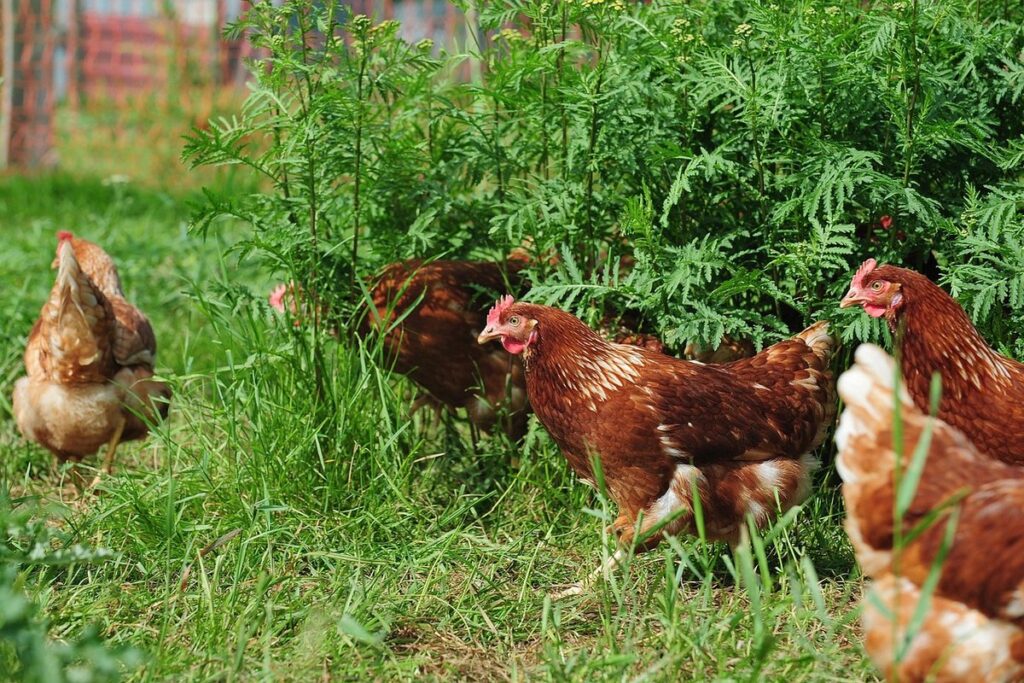
Understanding the Basics of a Healthy Chicken Run
A chicken run is only as good as its design, and getting it right from the start ensures your flock’s health and happiness are top priority. Let’s dive into the fundamental elements of a healthy chicken run layout.
Providing Adequate Space and Ventilation for Your Chickens
When it comes to designing a chicken run, one of the most critical aspects to consider is providing adequate space and ventilation for your flock. Chickens need room to move around comfortably, stretch their wings, and engage in natural behaviors like foraging and dust bathing.
Aim for a minimum of 2-4 square feet per chicken inside the run, but ideally, you should provide more space – especially if you’re keeping larger breeds or multiple chickens together. A good rule of thumb is to consider the mature size of your flock when planning the layout. For example, if you’re raising Leghorns, which can grow up to 5 pounds, you’ll want to ensure they have enough room to move around comfortably.
Ventilation is equally important, as it helps prevent heat stress and respiratory issues. Make sure there are windows or vents on opposite sides of the run that provide cross-ventilation. This will help keep your flock cool in summer and prevent moisture buildup. Consider adding a roof with adequate airflow to further enhance ventilation. By prioritizing space and ventilation, you’ll create a healthy and happy environment for your backyard flock.
Choosing the Right Location for Your Chicken Run
When it comes to setting up a chicken run, choosing the right location is crucial for your flock’s health and happiness. As you’re designing your backyard paradise, take into account several key factors that will impact the well-being of your chickens.
First and foremost, sunlight is essential for your chickens’ vitamin D levels and overall health. Opt for a spot that receives at least 6 hours of direct sunlight per day. Avoid areas with dense tree coverage or overhangs, which can block sunlight and create shaded spots where pests may thrive.
Consider the wind direction as well. A location that protects your chickens from harsh winds will keep them calm and comfortable. Also, take note of any neighboring animals or potential predators like foxes, raccoons, or hawks that might be drawn to the scent of food or birds. Keep a safe distance (at least 10 feet) between your chicken run and nearby animals’ living areas.
By carefully selecting a location for your chicken run, you’ll create a happy and healthy environment for your flock to thrive in.
Considering Your Flock’s Breed-Specific Needs
When designing your chicken run, it’s essential to consider the breed-specific needs of your flock. Each breed has unique characteristics that impact their living requirements. For instance, larger breeds like Orpingtons and Plymouth Rock require more space to roam, while smaller breeds like Leghorns and Silkies need less. Researching these differences can help you tailor your chicken run layout to meet the specific needs of each breed.
Some breeds are also better suited for specific climates or regions. For example, hardy breeds like Australorps excel in cold temperatures, but may struggle in hot climates. Meanwhile, heat-tolerant breeds like Marans and Rhode Island Reds thrive in warmer conditions. Understanding these climate-specific requirements can help you design a chicken run that’s both functional and comfortable for your flock.
By considering breed-specific needs, you’ll create a more harmonious and healthy environment for your chickens to live and thrive.
Designing a Safe and Secure Chicken Run
When designing a chicken run, safety and security should be top priorities for your flock’s health and well-being. In this critical area, we’ll explore essential design elements to protect your birds from predators.
Incorporating Predator-Proof Features into Your Design
When it comes to designing a safe and secure chicken run, one of the most crucial aspects is incorporating predator-proof features. Predators such as foxes, coyotes, and hawks are always on the lookout for an easy meal, and if they can access your flock, they won’t hesitate to attack.
One effective way to keep predators out is by using hardware cloth. This mesh material is specifically designed to prevent predators from getting a grip on it, making it almost impossible for them to climb or dig through. Simply wrap the hardware cloth around the perimeter of your chicken run and secure it with wire or fencing posts. You can also use it to cover any gaps or holes in the fence.
Another option is netting, which provides an extra layer of protection against aerial predators like hawks and owls. Netting can be hung over the top of your chicken run or wrapped around the sides for added security. Some chicken keepers also swear by electrified fencing, which deters predators with a harmless but unpleasant shock.
To choose the right predator-proof feature for your chicken run, consider the types of predators common in your area and the design of your run. For example, if you live near a forested area, you may need to use more robust materials like metal mesh or electrified fencing to protect against larger predators like coyotes.
Creating a Fencing System That Prevents Escape
When designing your chicken run, it’s essential to create a fencing system that prevents both escape and predator entry. This may seem like an obvious consideration, but many backyard flock owners overlook this crucial aspect of chicken run layout.
First and foremost, chickens are notorious for their ability to squeeze through tiny openings. A single gap as small as 2 inches can be enough for even the smallest breeds to slip through. To prevent escape, it’s essential to use a sturdy fencing material with openings no larger than 1 inch in diameter. Hardware cloth, chicken wire, and hog wire are popular choices for their durability and versatility.
In addition to preventing escape, your fencing system should also deter predators from getting in. Predators like coyotes, foxes, and raccoons can easily dig under or climb over weak fencing. To prevent this, bury the fencing material at least 12 inches underground and ensure it extends at least 3 feet above ground level. This will make it difficult for predators to access your flock without leaving visible signs of digging or climbing.
Consider using a double-layered fencing system, where the bottom layer is buried underground and the top layer extends above ground. This not only prevents escape and predator entry but also creates a clear barrier between your flock and potential threats.
Building and Managing Your Chicken Run’s Infrastructure
Let’s talk about the often-overlooked yet crucial part of your chicken run design: building a safe and functional infrastructure that will keep your flock happy and healthy. This includes coop placement, fencing, and other essential features.
Installing Nesting Boxes, Perches, and Feeders
When it comes to creating a happy and healthy flock, installing essential infrastructure such as nesting boxes, perches, and feeders is crucial. These components not only provide the necessary amenities for your chickens but also play a significant role in maintaining their overall well-being.
Nesting boxes should be installed at a height of about 2-3 feet off the ground, allowing hens to easily access them without having to jump or climb. A good rule of thumb is to have one nesting box per 3-4 hens, depending on their breed and size. Make sure the nesting box is well-ventilated and has a smooth, dry surface for egg-laying.
Perches should be sturdy enough to support the weight of your chickens and provide adequate space for them to roost comfortably. A general guideline is to install perches at various levels within the run, allowing hens to choose their preferred roosting spot. This will also help distribute their weight evenly throughout the enclosure.
Feeders come in various shapes, sizes, and types, but it’s essential to choose one that suits your flock’s needs. Consider using a feeder with a wide opening to prevent hens from getting stuck or having trouble accessing food. You can place feeders at different points within the run to encourage foraging behavior and reduce waste.
When installing these essential infrastructure components, remember to secure them firmly in place to prevent damage or collapse. It’s also a good idea to integrate them into your chicken run design early on to avoid any last-minute adjustments that might compromise their functionality or aesthetics.
Creating a Watering System That Meets Your Flock’s Needs
Providing access to clean water at all times is crucial for maintaining your flock’s health and well-being. Chickens need approximately 0.5-1% of their body weight in water each day, which translates to about 3-4 gallons per week for a small flock.
When designing your chicken run’s infrastructure, consider installing an automatic watering system. These systems can be equipped with float valves or sensors that detect when the water level drops below a certain threshold, triggering a refill. This ensures your chickens always have access to fresh water without the need for daily manual intervention.
Another option is to use manual watering solutions such as galvanized tubs or plastic containers with built-in watersavers. These can be placed in various locations throughout the run, allowing chickens to access water at their convenience. It’s essential to change the water frequently to prevent bacterial growth and contamination. Regular cleaning and maintenance of your watering system will also help keep it functional and effective.
Chicken Health and Hygiene in the Run
Keeping your flock healthy is just as important as designing a spacious run, so let’s talk about creating a clean and safe environment for them. This includes maintaining hygiene practices and monitoring health indicators in your chicken run.
Maintaining Cleanliness and Reducing Disease Risk
A clean and hygienic chicken run is crucial for maintaining the health and well-being of your flock. Poor sanitation can lead to the spread of diseases, which can be costly and devastating for backyard chicken keepers. To reduce disease risk and promote overall flock health, it’s essential to implement good hygiene practices in your chicken run.
Regularly remove soiled bedding materials such as droppings and uneaten food waste, and replace with fresh, clean bedding like straw or wood shavings. This not only keeps the area clean but also helps control pests and odors. Ensure that the run is well-ventilated to prevent ammonia buildup from urine and feces.
Create a roosting bar for your chickens to sleep on at night, keeping them off the ground and reducing the risk of disease transmission. Keep feeders and waterers clean by regularly scrubbing with soap and water. Consider implementing a “chicken hotel” or coop design that allows for easy access and cleaning.
Remember, a clean chicken run is an investment in your flock’s health and happiness. By incorporating these simple yet effective practices into your backyard chicken-keeping routine, you’ll be well on your way to raising a happy, healthy flock.
Monitoring Flock Behavior and Detecting Potential Health Issues
Monitoring your flock’s behavior is crucial for maintaining their overall health and well-being. A healthy chicken is one that exhibits a natural instinct to forage, explore, and interact with its surroundings. However, if you notice changes in behavior such as lethargy, loss of appetite, or unusual vocalizations, it may indicate underlying health issues.
To detect potential health problems early on, keep an eye out for subtle signs such as:
* Changes in droppings – excessive watery stools, diarrhea, or bloody discharge can be indicative of internal parasites, bacterial infections, or other conditions.
* Unusual feather loss or pecking at feathers may suggest stress, mites, or lice infestations.
* Abnormal scratching or pacing behaviors could indicate respiratory issues, arthritis, or discomfort.
Regular observation will help you identify potential health concerns before they escalate into more severe problems. Take note of any unusual patterns and consult with a veterinarian if you’re unsure about your flock’s well-being.
Integrating Your Chicken Run into Your Backyard Landscape
Now that you’ve designed a fabulous chicken run, let’s focus on seamlessly integrating it into your backyard landscape, creating a cohesive and beautiful space for both humans and chickens to enjoy.
Designing for Aesthetics: How to Make Your Chicken Run Blend In
When designing your chicken run, it’s easy to get caught up in the functionality of the enclosure and forget about its aesthetic appeal. However, a well-designed chicken run can not only provide a safe and healthy environment for your flock but also become a beautiful feature in your backyard landscape.
To make your chicken run blend in with its surroundings, consider using natural materials such as wood or bamboo for the fencing and roofing. These materials will not only add a touch of warmth to the overall design but also allow for easy blending into the existing landscape. For example, you can stain the wood to match the color of nearby trees or plants.
Another key principle is to integrate your chicken run with the surrounding garden beds. This can be achieved by creating a seamless transition between the two areas using plants and flowers that spill over from the garden beds onto the run’s fencing. Not only will this create a visually appealing effect but also provide an additional layer of protection for your flock.
Some other design elements to consider include:
* Incorporating native plants and trees around the chicken run, which not only add beauty but also provide food and shelter for beneficial insects.
* Using curved lines and shapes in the fencing to create a softer, more natural look.
* Adding a roof or gazebo over the entrance to create a sense of depth and visual interest.
Building a Functional and Efficient Chicken Run That Maximizes Space
When designing your chicken run, it’s essential to maximize space while ensuring an efficient and functional layout that meets the needs of both you and your flock. To do this, consider the following strategies:
Start by assessing your yard’s dimensions and identifying areas that can be repurposed for a chicken run. Even small spaces can accommodate a compact coop and run combination, such as a 2×4-foot area. Consider vertical space as well – add shelves or nesting boxes to maximize storage capacity.
When choosing the location of your chicken run, prioritize accessibility, sunlight, and shade. Ensure easy access for cleaning, feeding, and collecting eggs, while also considering wind direction to keep dust and debris at bay. For instance, positioning a coop near a fence can provide protection from strong winds while also creating a safe zone for your flock.
To further optimize space, incorporate multi-functional elements like nesting boxes that double as perches or feeders that also serve as roosts. This clever design will not only save space but also reduce the overall footprint of your chicken run. By implementing these strategies, you’ll create a harmonious balance between form and function in your backyard flock’s paradise.
Frequently Asked Questions
Can I use existing structures or materials for my chicken run, such as old pallets or fencing?
Yes, repurposing existing materials can be a great way to save money and reduce waste. However, ensure that the materials are sturdy, safe for your flock, and meet local building codes.
How often should I clean and disinfect my chicken run to prevent disease?
Regular cleaning is crucial to maintaining a healthy environment. Aim to clean your chicken run at least once a week, removing soiled bedding, disinfecting surfaces, and replacing fresh bedding as needed.
What’s the best way to handle extreme weather conditions in my chicken run, such as heavy rain or intense heat?
Prepare for extreme weather by incorporating shade structures, waterproof roofing, and proper drainage. Consider investing in automatic door openers or manual doors that allow you to quickly ventilate your coop during hot spells.
Can I integrate a greenhouse or cold frame into my chicken run design to extend the growing season?
Yes, incorporating a greenhouse or cold frame can be an excellent way to provide year-round access to fresh fruits and vegetables while also extending the lives of your flock. Ensure that it’s predator-proof and easy to clean.
How do I balance the needs of different breeds in my flock when designing a chicken run?
Consider the unique characteristics, space requirements, and climate tolerance of each breed. Group birds with similar needs together, provide adequate space for foraging, and ensure access to shelter from extreme weather conditions.