
Are you looking to take your cooking game to the next level with one of the most versatile ingredients out there? Chicken soft shell eggs are a staple in many cuisines, and for good reason. Not only do they offer an impressive array of nutrition benefits, but their unique texture also makes them a joy to work with in the kitchen. Whether you’re whipping up breakfast burritos or experimenting with new recipes, understanding how to prepare and store chicken soft shell eggs can make all the difference. In this article, we’ll dive into the world of chicken soft shell eggs, covering everything from their nutritional value and cooking methods to expert tips on storing them at home. Get ready to elevate your meals and unlock a whole new world of culinary possibilities!
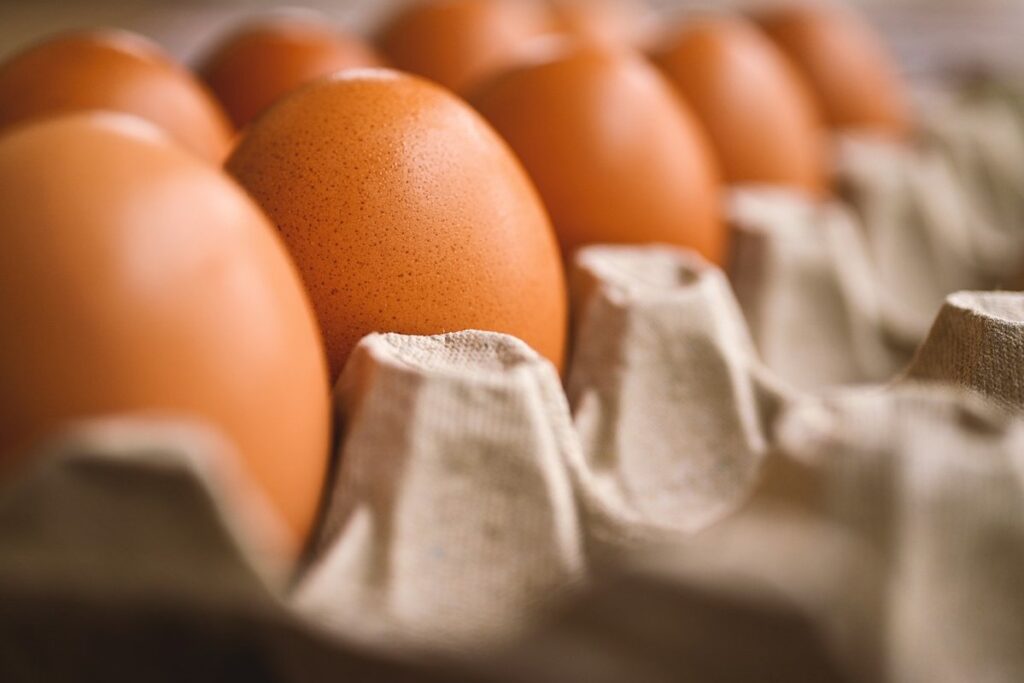
What are Soft Shell Eggs?
So, you’re wondering what soft shell eggs are all about? Let’s dive right in and explore the definition of these unique and delicious eggs.
Definition and Description
Soft shell eggs are a type of egg that has gained popularity among chefs and home cooks due to their unique characteristics. Unlike regular eggs with hard shells, soft shell eggs have a thin membrane covering the yolk, which makes them easier to peel and cook. One of the main differences between soft shell eggs and regular eggs is their moisture content. Soft shell eggs tend to have higher moisture levels, resulting in a richer, creamier taste.
When compared to regular eggs, soft shell eggs also have a more delicate texture. The thin membrane surrounding the yolk makes it prone to breaking, which can be beneficial for dishes where a runny yolk is desired. In terms of appearance, soft shell eggs often have a slightly smaller size and more irregular shape than regular eggs. This unique shape can make them stand out on a plate or in a recipe. Overall, soft shell eggs offer a distinct flavor profile and texture that can elevate various dishes.
History of Soft Shell Eggs
Soft shell eggs have been around for centuries, with their origins dating back to ancient China. The first recorded mention of soft shell eggs was during the Song Dynasty (960-1279 AD), where they were considered a delicacy and served at special occasions. However, it wasn’t until the 20th century that soft shell eggs started gaining popularity worldwide.
In the United States, soft shell eggs gained momentum in the 1970s, particularly among backyard chicken enthusiasts. As people began to raise their own chickens for fresh eggs, they discovered that some breeds laid softer-shelled eggs due to genetic traits or environmental factors. This led to a surge in interest and innovation in breeding and production methods.
One notable development was the introduction of new strains specifically bred for soft shell egg production, such as the Australorp and the Barred Plymouth Rock. These breeds were designed to produce high-quality soft shell eggs with consistent quality control. Today, soft shell eggs are enjoyed worldwide, not only for their unique texture but also for their rich flavor and nutritional profile.
Some farmers have even started experimenting with heritage breeds to produce artisanal soft shell eggs, adding a new level of sophistication to the industry. Whether you’re an experienced farmer or just starting out, understanding the history and evolution of soft shell eggs can help you appreciate their value and make informed decisions about production.
Benefits of Soft Shell Eggs
Consuming soft shell eggs offers numerous benefits that set them apart from their hard-boiled counterparts. One of the most significant advantages is their higher nutritional value. Soft shell eggs contain more protein and less fat than hard-boiled eggs, making them an excellent choice for health-conscious individuals.
The cooking versatility of soft shell eggs is another significant benefit. Since they haven’t been cooked in boiling water, the yolks remain runny and creamy, allowing you to cook them to your desired doneness. This makes them ideal for dishes like omelets, frittatas, or as a topping for salads. Additionally, their unique texture adds moisture and flavor to baked goods.
Some studies suggest that soft shell eggs may have potential health benefits due to their higher levels of omega-3 fatty acids and antioxidants. These nutrients can help reduce inflammation and improve heart health. However, more research is needed to confirm these findings.
To incorporate the benefits of soft shell eggs into your diet, try using them in place of hard-boiled eggs for breakfast or as a topping for sandwiches. Experiment with different cooking methods, such as poaching or pan-frying, to find your favorite way to prepare them.
Types of Soft Shell Eggs
Now that you know what soft shell eggs are, let’s dive into the different types you can find, each with its own unique characteristics and uses in cooking.
Brown vs. White Soft Shell Eggs
When it comes to soft shell eggs, one of the most debated topics is the difference between brown and white eggs. While some claim that brown eggs are more nutritious, others swear by the taste of white eggs. Let’s break down the facts.
In terms of nutritional content, both brown and white eggs have similar profiles. According to the United States Department of Agriculture (USDA), a large egg contains around 70 calories, 6 grams of protein, and varying amounts of vitamins and minerals like vitamin D and B12. The main difference lies in the color of the shell, which is determined by the breed of chicken.
When it comes to taste, personal preferences play a significant role. Some people prefer the richer, earthier flavor of brown eggs, while others enjoy the milder taste of white eggs. However, research suggests that the taste of an egg is largely influenced by the diet and living conditions of the chicken, rather than its shell color.
Ultimately, the choice between brown and white soft shell eggs comes down to personal preference. If you’re looking for a richer flavor, brown eggs might be the way to go. But if you prefer a milder taste, white eggs are still a great option. Experiment with both types to find your favorite!
Free-Range vs. Caged Soft Shell Eggs
When it comes to choosing between free-range and caged soft shell eggs, many consumers are also concerned about the welfare of the hens that produce them. The production methods behind these two types of eggs have significant implications for animal welfare and the environment.
Free-range egg farms allow hens to roam freely outdoors, where they can engage in natural behaviors like foraging and exercising. This approach promotes better physical and mental health for the birds, as well as reduced stress levels. In contrast, caged systems confine hens to small spaces with limited access to light, fresh air, or exercise.
Studies have shown that free-range hens are less likely to contract diseases and experience behavioral problems compared to those in caged systems. Additionally, many consumers prefer the taste and texture of eggs produced by happy, healthy hens. However, it’s essential to note that not all free-range farms meet high welfare standards – some may be little more than “cage-free” confinement.
When selecting soft shell eggs from a free-range farm, look for certifications like Certified Humane or Animal Welfare Approved to ensure the highest standards are met. Consider supporting local, small-scale producers who prioritize animal welfare and environmental sustainability. By choosing free-range over caged soft shell eggs, you’re not only improving the lives of hens but also contributing to more environmentally friendly practices.
Organic vs. Conventional Soft Shell Eggs
When it comes to choosing between organic and conventional soft shell eggs, understanding the differences in production methods is crucial. Organic soft shell egg farms prioritize animal welfare and environmental sustainability by providing their hens with access to the outdoors, where they can forage for insects and seeds. These hens are also fed 100% organic feed, free from antibiotics, hormones, and pesticides.
Conventional soft shell egg farms, on the other hand, often keep their hens indoors in crowded conditions, relying on artificial light to simulate daylight. The feed used is typically a mix of conventional grains and animal by-products, which may contain low levels of antibiotics and added growth promoters.
Processing standards also differ between organic and conventional farms. Organic eggs must be collected from farms that follow strict guidelines for egg handling and storage. Conventional eggs often undergo more extensive processing steps to extend shelf life.
When shopping for soft shell eggs, consider the following: if you prioritize animal welfare and environmental sustainability, choose organic. If budget is a concern, or you’re looking for a reliable option with consistent taste, conventional may be a better choice.
Nutrition and Health Benefits
When it comes to chicken soft shell eggs, they’re not just a tasty addition to your breakfast plate – they also offer some amazing nutrition and health benefits. Let’s explore what makes them a superfood.
Protein Content and Amino Acid Profile
When it comes to nutrition and health benefits, one of the most critical aspects of soft shell eggs is their protein content. A large soft shell egg typically contains about 6-7 grams of protein, which is an excellent source for muscle growth and repair. In comparison, a large chicken egg with a hard shell may have around 5-6 grams of protein.
The amino acid profile of soft shell eggs is also noteworthy. They contain all nine essential amino acids that the human body cannot produce on its own. These include histidine, isoleucine, leucine, lysine, methionine, phenylalanine, threonine, tryptophan, and valine. Amino acids like methionine and cysteine are particularly abundant in soft shell eggs.
The optimal amino acid profile of soft shell eggs makes them an excellent choice for individuals looking to boost their protein intake or support muscle growth. They’re also a great option for vegans and vegetarians who struggle to get enough protein from plant-based sources. To maximize the nutritional benefits, it’s essential to consume soft shell eggs in moderation as part of a balanced diet.
Cholesterol and Fat Content
One of the most common concerns about soft shell eggs is their cholesterol and fat content. As we discussed earlier, soft shell eggs are essentially unripe or half-ripe chicken eggs that have not yet fully formed a hard shell. When it comes to nutrition, these eggs differ from their regular counterparts in several ways.
Soft shell eggs generally contain less cholesterol than large eggs due to the young age of the chickens producing them. In fact, according to research, soft shell eggs can be up to 14% lower in cholesterol than larger eggs. However, it’s essential to note that this doesn’t necessarily make them a “heart-healthy” option.
In terms of fat content, soft shell eggs tend to have less saturated fats compared to regular eggs. This is due to the fact that younger chickens produce eggs with more unsaturated fatty acids, which are often considered healthier for heart health and weight management. For those monitoring their fat intake, a serving size of two to three soft shell eggs can be a relatively low-fat option.
To put this into perspective, let’s consider an example: if you’re looking to reduce your cholesterol consumption by up to 14%, incorporating soft shell eggs into your diet might be a viable choice. However, it’s crucial to maintain overall moderation and balance when making dietary decisions.
Vitamins and Minerals
Soft shell eggs are not only a culinary delight but also a nutritional powerhouse. They are an excellent source of essential vitamins and minerals that play a crucial role in various bodily functions.
One of the key vitamins found in soft shell eggs is vitamin D, which is vital for bone health, immune function, and even mood regulation. A single large soft shell egg can provide up to 6% of the recommended daily intake of vitamin D. Vitamin B12 is another essential nutrient found in these eggs, playing a critical role in the production of red blood cells and nerve function.
Soft shell eggs are also rich in iron, an essential mineral that helps transport oxygen throughout the body. A deficiency in iron can lead to fatigue, weakness, and poor cognitive function. Other minerals like zinc, phosphorus, and potassium are also present in these eggs, supporting immune function, bone health, and heart function, respectively.
Incorporating soft shell eggs into your diet can have a significant impact on overall nutrition and well-being. To maximize the benefits, consider pairing them with other nutrient-dense foods or incorporating them into omelets, frittatas, or as a topping for salads.
Cooking and Preparation Methods
To cook chicken soft shell eggs perfectly, you’ll want to master various cooking techniques such as steaming, pan-frying, and boiling. We’ll walk you through each method step-by-step in this section.
Boiling, Scrambling, and Poaching
Cooking soft shell eggs is an art that requires precision and patience. Three popular methods to cook these delicate eggs are boiling, scrambling, and poaching. Let’s dive into the step-by-step instructions for each method.
Boiling soft shell eggs involves submerging them in boiling water for a specified time. To prevent overcooking, it’s essential to adjust the cooking time based on personal preference and the desired level of doneness. For example, if you prefer your eggs slightly runny, cook them for 6-7 minutes. However, if you prefer them fully set, cook them for 9-10 minutes.
To scramble soft shell eggs, crack them into a bowl and whisk them together with a fork until the whites and yolks are well combined. Heat a non-stick pan over medium heat and add a small amount of oil or butter to prevent sticking. Pour in the egg mixture and cook until the eggs start to set, then use a spatula to gently scramble them.
Poaching soft shell eggs is an art that requires finesse. Bring a pot of water to a simmer and add a tablespoon of white vinegar to help the eggs hold their shape. Crack the egg into a small bowl or ramekin, creating a whirlpool in the water with a spoon before gently sliding the egg into the center. Cook for 3-5 minutes, or until the whites are set and the yolks are cooked to your desired level of doneness.
Frying and Grilling Techniques
When it comes to cooking soft shell eggs, frying and grilling techniques are essential for achieving that perfect balance of crispy exterior and runny interior. To start with, it’s crucial to have the right temperature control in place. For frying, heat a non-stick pan over medium-low heat (around 275°F/135°C), and add a small amount of oil or butter to prevent sticking.
For grilling, preheat your grill to 300°F-325°F (150°C-165°C) for a crispy exterior. To ensure even cooking, cook the eggs for about 2-3 minutes on each side, depending on your desired level of doneness. When it comes to seasoning, keep it simple with salt and pepper or try adding some garlic powder, paprika, or dried herbs like thyme or parsley.
To take your grilling game up a notch, try using a cast-iron skillet directly over the grill grates for added smoky flavor. For frying, don’t overcrowd the pan – cook eggs in batches if necessary – and use a thermometer to ensure the oil reaches 375°F (190°C) for crispy results.
When cooking soft shell eggs, it’s all about achieving that perfect balance of texture and flavor. By mastering temperature control and seasoning suggestions, you’ll be well on your way to serving up perfectly cooked soft shell eggs every time!
Salads, Sandwiches, and Other Dishes
One of the most exciting aspects of working with chicken soft shell eggs is their versatility in various dishes. When it comes to salads, sandwiches, and other meals, these eggs offer a unique twist that can elevate your creations.
For salads, try pairing soft shell eggs with mixed greens, cherry tomatoes, and a tangy vinaigrette for a fresh take on the classic Caprese salad. Alternatively, add sliced soft shell eggs to a bed of spinach, crumbled feta cheese, and a drizzle of balsamic glaze for a Greek-inspired delight.
In sandwiches, use soft shell eggs as a substitute for traditional mayonnaise or mustard for added richness and texture. Simply peel the egg, slice it thinly, and layer it with your favorite meats, cheeses, and vegetables between two slices of bread.
When incorporating soft shell eggs into other dishes, consider making a breakfast burrito by wrapping scrambled soft shell eggs, chorizo, and shredded cheese in a flour tortilla. Or, use them as a topping for baked potatoes, tacos, or even pizza. The possibilities are endless with these versatile eggs!
Storage and Handling Tips
When working with delicate chicken soft shell eggs, proper storage and handling are crucial to maintaining their freshness and quality. Learn expert tips on storing and handling your eggs with care.
Freshness and Shelf Life
When it comes to maintaining the freshness and extending the shelf life of soft shell eggs, proper storage conditions are crucial. Store soft shell eggs in a cool, dry place, away from direct sunlight, heat sources, and moisture. The ideal temperature for storing eggs is between 38°F and 40°F (3°C to 4°C). This will help slow down bacterial growth and prevent odors.
To ensure the best storage conditions, keep your refrigerator at a consistent temperature below 40°F (4°C). Store eggs in their original carton or packaging, which should be tightly sealed. If you don’t have the original packaging, place the eggs in a covered container to maintain humidity levels.
Soft shell eggs typically last longer than regular eggs due to their unique membrane structure. However, they still require proper handling and storage to extend their shelf life. For optimal freshness, use your soft shell eggs within 5-7 days of purchase. Always check for visible signs of spoilage before consuming them, such as cracked shells or an off smell. By following these simple guidelines, you can enjoy your soft shell eggs at their best.
Cleaning and Sanitizing Equipment
When handling soft shell eggs, it’s crucial to maintain cleanliness and prevent contamination by regularly cleaning and sanitizing equipment. Start by washing hands thoroughly with soap and warm water before touching any egg-handling equipment. This simple step can help eliminate bacteria and other microorganisms that can compromise the quality of your eggs.
To clean equipment, mix a solution of 1 tablespoon of unscented bleach in 1 gallon of water. Dip a soft-bristled brush or sponge into the solution and gently scrub all surfaces of the equipment, paying close attention to areas where eggs come into contact. Rinse with fresh water and allow the equipment to air dry.
Sanitizing is an essential step in maintaining cleanliness. After washing and rinsing equipment, apply a sanitizing solution specifically designed for egg handling or use 1 tablespoon of unscented bleach per gallon of water as previously mentioned. Submerge the equipment in the sanitizing solution for 10 minutes, then rinse with fresh water and let air dry.
It’s also essential to regularly inspect equipment for signs of wear and tear, which can lead to cracks and contamination. By following these cleaning and sanitizing procedures, you’ll be able to maintain a clean and healthy environment for your soft shell eggs.
Avoiding Cross-Contamination
When handling soft shell eggs, it’s essential to prevent cross-contamination with other food products during storage and preparation. Soft shell eggs are more prone to bacterial contamination than their hard-boiled counterparts due to the thin layer of membrane surrounding the yolk.
To minimize the risk of contamination:
* Always store soft shell eggs in a dedicated container or basket that can be easily sanitized.
* Separate soft shell eggs from other food products, such as meat, dairy, and prepared salads, which can harbor bacteria like Salmonella.
* Clean your hands thoroughly before handling soft shell eggs, and ensure all utensils and equipment are clean and dry.
When transporting soft shell eggs to the preparation area, consider using a sealed container or bag to prevent accidental contact with other foods. For example, if you’re preparing a salad with pre-washed greens, make sure to wash your hands again before handling the soft shell eggs.
Remember that cross-contamination can occur quickly, so it’s crucial to be mindful of your surroundings and take necessary precautions when working with soft shell eggs.
Conclusion and Future Outlook
Now that you’ve learned the ins and outs of soft shell eggs, let’s take a look at what the future holds for this popular ingredient in your cooking adventures.
Recap of Key Points
As we come to the end of our comprehensive guide to chicken soft shell eggs, let’s recap the key takeaways that will help you make informed choices and elevate your cooking game.
Choosing high-quality soft shell eggs is crucial for optimal nutrition and flavor. We’ve discussed how these eggs have a higher yolk-to-white ratio, making them richer in nutrients like vitamins A and D, as well as healthier fats. By selecting eggs from hens that roam free outdoors or have access to pasture, you’ll get the best possible taste and nutritional benefits.
When it comes to cooking soft shell eggs, we’ve explored various methods to achieve perfect doneness every time. Whether you prefer your eggs scrambled, poached, or boiled, our guide has provided you with expert tips and tricks to get it just right.
To reap the full rewards of soft shell eggs, remember to always choose farm-fresh options from local farms or reputable suppliers. With these high-quality eggs as your starting point, you’ll be well on your way to creating delicious, nutrient-dense dishes that will impress family and friends alike.
Emerging Trends in Soft Shell Egg Production
As we conclude our comprehensive guide to chicken soft shell eggs, it’s exciting to consider the emerging trends that will shape the industry in the years to come. Innovative farming practices are revolutionizing the way soft shell eggs are produced, making them more sustainable and efficient.
One notable trend is vertical farming, which allows for year-round production regardless of climate or seasonality. This method enables farmers to control temperature, humidity, and light levels, resulting in higher quality eggs and reduced energy consumption. For instance, companies like Green Sense Farms use hydroponics and LED lighting to cultivate crops, including soft shell eggs, with minimal environmental impact.
Another trend gaining momentum is the use of AI-powered monitoring systems to optimize egg production. These advanced systems track vital signs, detect potential health issues early on, and even predict future yields. By leveraging such technology, farmers can reduce waste, improve profitability, and enhance overall sustainability.
New market trends are also emerging, with a growing demand for organic, pasture-raised soft shell eggs. Consumers are increasingly seeking products that align with their values of animal welfare and environmental responsibility. To capitalize on this trend, producers will need to adapt their practices to meet these changing consumer preferences. By embracing innovative farming methods and prioritizing sustainability, the future of soft shell egg production looks brighter than ever.
Frequently Asked Questions
Can I substitute soft shell eggs with regular eggs in all recipes?
Yes, you can use regular eggs as a substitute in some recipes, but keep in mind that the texture and taste may vary due to the differences in moisture content and yolk membrane. Soft shell eggs are particularly well-suited for dishes where a creamy or rich texture is desired.
How do I store soft shell eggs at home to maintain their freshness?
Soft shell eggs should be stored in their original carton in the coldest part of your refrigerator (usually the bottom shelf) at 40°F (4°C) or below. It’s essential to keep them away from strong-smelling foods, as they can absorb odors easily.
Can I use soft shell eggs for making omelets and frittatas?
Yes, soft shell eggs work beautifully in egg-based dishes like omelets and frittatas. Their moist and creamy texture will add richness to your creations. Simply adjust the cooking time according to your desired level of doneness.
How can I identify fresh soft shell eggs from older ones?
Fresh soft shell eggs have a clean, dry appearance with no visible cracks or stains. The egg white should be clear and firm when pressed on the surface. If you notice any odors or an unusual texture, it’s best to err on the side of caution and discard the egg.
Can I freeze soft shell eggs for future use?
No, freezing soft shell eggs is not recommended due to their high moisture content. Freezing can cause the eggs to become watery or develop off-flavors when thawed. However, you can store them in the refrigerator for up to 5 weeks before using.