
Are you considering adding some feathered friends to your backyard or farm? Domestic geese have been a popular choice for many homeowners and farmers, but did you know that these majestic birds require careful care and attention to thrive? With over 10 breeds to choose from, understanding their history, temperament, and needs is crucial for a happy and healthy flock. In this expert guide, we’ll take you through the ins and outs of raising domestic geese, covering everything from their origins and different breeds to providing proper nutrition, maintaining health, and training tips. Whether you’re a seasoned farmer or just starting out, our comprehensive guide will equip you with the knowledge to raise your very own thriving flock of domestic geese.
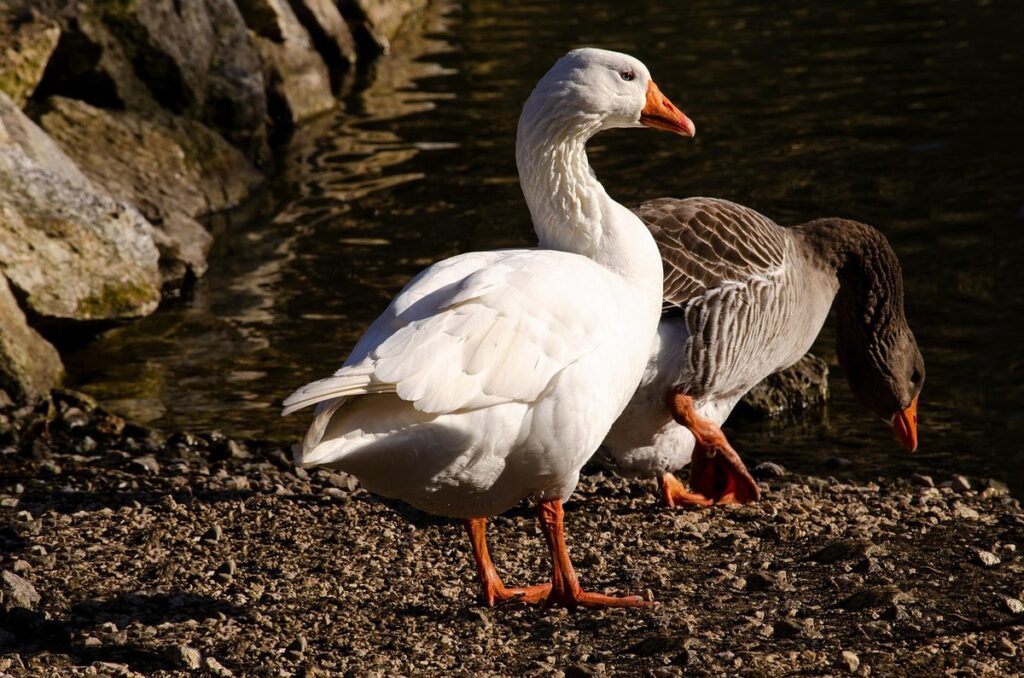
History and Origin of Domestic Geese
Domestic geese have a rich history that spans thousands of years, originating from wild geese in ancient Egypt and China. In this section, we’ll explore their fascinating origins and evolution into the beloved farm birds they are today.
Ancient Origins and Uses
Domestic geese have been an integral part of human history and culture for thousands of years. Their versatility and unique characteristics made them a valuable asset to ancient civilizations. In agricultural settings, domestic geese were employed as natural pest control agents, consuming insects, slugs, and other invertebrates that could damage crops. This allowed farmers to maintain their harvests without the need for chemical pesticides.
Beyond their practical uses, domestic geese also served as a source of food, with their meat being consumed by many ancient cultures. The Egyptians, for instance, revered geese as a luxury item and only the wealthy could afford to keep them as a status symbol.
Domestic geese have also been kept as companions throughout history. They are social animals that form strong bonds with their owners and can be trained to perform various tasks. In some ancient cultures, domestic geese were even considered sacred animals, associated with spiritual and mystical powers.
If you’re considering keeping domestic geese for agricultural or companion purposes, it’s essential to understand their unique needs and requirements. With proper care and attention, domestic geese can become valuable assets to your farm or family.
Breeds and Their Characteristics
Domestic geese come in an array of breeds, each boasting its own distinct characteristics and purposes. For instance, some breeds excel at meat production, while others are prized for their egg-laying abilities. The Egyptian goose is one such breed that stands out due to its exceptional size – males can reach up to 25 pounds. Their temperament is also known to be more aggressive than other domestic geese breeds.
On the other hand, the Embden goose is renowned for its peaceful nature and impressive egg-laying capabilities. With an average of 20-30 eggs produced per year, these birds are ideal for families looking to supplement their household with fresh eggs. The Toulouse goose is another breed worth mentioning, often kept as ornamental due to its striking appearance and size.
In addition to these breeds, other popular domestic geese include the Chinese, Sebastopol, and African. Each has its unique traits and uses – whether it be meat production or show purposes. Knowing which breed best suits your needs is crucial when deciding on bringing a new goose into your flock.
Choosing the Right Geese for Your Needs
When it comes to selecting the perfect geese for your backyard, it’s essential to consider factors such as size, temperament, and purpose, ensuring you choose birds that fit your needs. Let’s break down these key considerations together.
Factors to Consider Before Buying
When selecting domestic geese for your needs, there are several essential factors to consider. First and foremost, think about space requirements. Domestic geese need room to roam and exercise, so ensure you have a large enough area to accommodate them comfortably. A general rule of thumb is to provide at least 10 square feet per goose in a fenced enclosure or pasture.
Another crucial consideration is noise levels. Geese are loud birds and can be quite vocal, especially during mating season. If you live in close proximity to neighbors or have noise restrictions, you may want to opt for breeds that are known to be quieter than others.
You should also think about the desired behaviors of your geese. Do you want them to be friendly and interactive, or more independent? Some breeds are naturally more docile and easier to handle, while others can be quite territorial and aggressive. For example, Toulouse and Embden geese are known for their friendly and affectionate nature, making them a great choice for families with children.
Lastly, consider the climate and weather conditions in your area. Geese need protection from extreme temperatures, wind, and precipitation. A suitable shelter or coop should be provided to ensure their well-being during harsh weather conditions.
Understanding Different Age Groups
When choosing domestic geese, it’s essential to consider their age group and how it aligns with your individual needs and circumstances. Different age groups bring unique characteristics, advantages, and challenges that can significantly impact the success of your goose-keeping experience.
If you’re new to raising geese, goslings (young birds between 0-12 weeks old) might be a good starting point. They are relatively low-maintenance, easy to handle, and require less space compared to mature geese. However, they do need regular feeding and monitoring to ensure proper development.
Juvenile geese (between 1-2 years old) offer a balance between energy and responsibility. They’re generally more robust than goslings but still relatively manageable in terms of size and behavior. This age group is ideal for those who want to establish a small flock without the initial investment required by mature birds.
Mature geese, on the other hand, are perfect for experienced goose keepers or those seeking companionship. They can thrive with proper care, providing loyal protection and affection in return.
Housing and Equipment for Geese
When it comes to housing and equipment for your geese, you’ll want to provide a safe and comfortable environment that meets their unique needs. This includes choosing the right fencing, shelter, and feeding systems.
Enclosures and Fencing Requirements
When it comes to housing domestic geese, their enclosure is just as crucial as providing them with adequate food and water. The right fencing can make all the difference between a happy, healthy flock and one that’s prone to escape attempts or injuries.
For a suitable enclosure, consider using durable materials such as metal, wood, or plastic netting. Chicken wire, on the other hand, is not recommended due to its flimsy nature and potential for damage from predators like foxes or raccoons.
The size of your enclosure will depend on several factors, including the number of geese you plan to keep, their age, and whether they’re intended for breeding. A general rule of thumb is to provide at least 10 square feet per adult goose. You’ll also want to ensure adequate space between pens or enclosures if you’re housing multiple flocks.
In terms of layout, make sure your enclosure includes the following features: a protected area for sleeping and roosting, easy access points for feeding and watering, and enough room for exercise and movement. Consider adding a gate that can be easily opened and closed to prevent predators from getting in.
Nesting Boxes and Other Essential Equipment
When it comes to providing a comfortable and healthy environment for your domestic geese, having the right equipment is essential. One of the most critical pieces of equipment you’ll need is a nesting box. Geese typically prefer to nest on elevated surfaces or in enclosed areas where they feel safe from predators. A nesting box can be installed at least 3-4 feet off the ground and should have a sloping roof to prevent water accumulation. Make sure it’s large enough for your geese, as they will need space to turn around comfortably.
In addition to nesting boxes, you’ll also need feeders and waterers that are specifically designed for geese. Geese are social birds and often prefer to eat and drink in groups, so consider using a feeder and waterer that can hold enough food and water for multiple birds at once. You should also place these feeders and waterers in an area where your geese feel safe and protected from predators.
Consider installing a large feeding trough or a bucket-style feeder with a capacity of around 5-10 gallons to ensure that your geese have plenty of space to eat comfortably. Place the feeders at least 2-3 feet off the ground to prevent overcrowding and make cleaning easier.
Feeding and Nutrition for Geese
When it comes to feeding your domestic geese, providing a balanced diet is crucial to their overall health and well-being. This means understanding what they can and can’t eat, as well as how much food they need at different stages of life.
Dietary Needs at Different Life Stages
As geese grow and mature, their dietary needs change significantly. Meeting these requirements is crucial for optimal health and well-being.
Goslings (0-6 weeks): At this stage, goslings need high-quality protein sources, including starter crumbles or pellets specifically formulated for waterfowl. Supplement with a calcium-rich food like crushed oyster shells to support strong bone development. You can also offer fresh greens like grasses and aquatic plants.
Juvenile geese (6-12 weeks): As they grow, their diet should be gradually transitioned to more adult-formulated feed. Continue offering high-quality pellets or crumbles with a balanced mix of nutrients. Introduce small amounts of whole grains like oats or barley. Fresh fruits and vegetables can also be introduced in moderation.
Adult geese: At this stage, provide a nutrient-rich layer feed that’s formulated for waterfowl. Limit treats to 10% of their daily diet, focusing on nutrient-dense foods like carrots, sweet potatoes, and leafy greens. Avoid overfeeding, as this can lead to obesity and related health issues.
Incorporating these dietary stages into your care routine will ensure your geese receive the right nutrients at each life stage.
Avoiding Common Nutritional Mistakes
When it comes to feeding domestic geese, it’s easy to fall into common nutritional pitfalls. One of the most significant mistakes is overfeeding, which can lead to obesity and a range of health problems. A study by the American Society for the Prevention of Cruelty to Animals (ASPCA) found that over 50% of pet birds are overweight or obese due to overfeeding.
To avoid this mistake, monitor your geese’s food intake closely and adjust as needed. For example, if you notice they’re not finishing their meals or have excess energy, it may be time to reassess their feeding schedule. A general rule of thumb is to provide 1/4 pound of food per bird per day for the first year, gradually increasing to 1/2 pound per bird per day as they mature.
Another critical mistake is underfeeding, which can lead to stunted growth and weakened immune systems. To ensure your geese are getting enough nutrients, consider supplementing with a high-quality commercial goose feed or mixing in nutrient-rich treats like leafy greens and fruits.
Health Considerations and First Aid
When caring for domestic geese, it’s essential to be prepared for potential health issues that may arise, such as respiratory problems or injuries. This section will walk you through common health concerns and basic first aid tips.
Common Health Issues in Domestic Geese
Domestic geese are generally hardy birds, but they can be susceptible to certain health issues. One of the most common problems is respiratory infections, which can be caused by bacteria, viruses, and fungi. Signs of infection may include labored breathing, wheezing, and a runny nose or eyes.
Another prevalent issue is nutritional disorders, often resulting from inadequate or unbalanced diets. For example, a lack of vitamin A can lead to night blindness in geese, while excessive intake of certain minerals can cause kidney damage. Preventive measures include providing a high-quality commercial feed, supplemented with fresh fruits and vegetables, and ensuring access to clean water.
Geese are also prone to obesity, which can be life-threatening if not managed properly. Overeating or overfeeding can lead to serious health problems, including heart disease and diabetes. To prevent this, it’s essential to monitor your geese’s food intake and ensure they have plenty of exercise opportunities.
Bumblefoot is another common issue affecting domestic geese, caused by bacterial infections that thrive in moist environments. Signs include redness, swelling, and pain around the footpad or toes. Regular cleaning and disinfection of enclosures can help prevent this condition.
Basic First Aid Techniques and When to Seek Professional Help
When it comes to caring for domestic geese, understanding basic first aid techniques is crucial. Geese are prone to injuries and illnesses, especially during molting season when their immunity is low. Common issues include cuts, wounds, respiratory problems, and eye infections.
For minor injuries like cuts or scrapes, apply gentle pressure with a clean cloth to stop bleeding. Clean the wound with mild soap and water, then cover it with an antibiotic ointment and a bandage. However, if the cut is deep, bleeding heavily, or showing signs of infection (redness, swelling, discharge), seek veterinary attention immediately.
For respiratory issues like labored breathing or coughing, provide plenty of fresh air and mist their nostrils with a saline solution to loosen mucus. In severe cases, consult your vet for proper treatment. Eye infections can be treated with antibiotic ointment and rest for the affected eye. Remember, if you’re unsure about the severity of an injury or illness, it’s always best to err on the side of caution and seek professional help from a qualified avian veterinarian.
Training and Handling Domestic Geese
Training domestic geese requires patience, consistency, and positive reinforcement techniques. In this section, we’ll explore essential tips for teaching your gander to walk on a leash and respond to basic commands.
Understanding Social Structure and Communication
Domestic geese are highly social creatures that live in hierarchical groups. In their natural environment, they form close bonds with each other and establish a pecking order to maintain harmony within the flock. When it comes to domesticating these birds, understanding their social dynamics is crucial for successful training and handling.
When two or more geese are introduced together, they will quickly establish a hierarchy based on factors such as age, size, and dominance experience. The dominant bird will often assert its position through vocalizations, posturing, and gentle but firm nipping. It’s essential to respect this natural order and not intervene unless necessary.
Effective communication with domestic geese involves being aware of their body language. They use a variety of sounds, including honking, chirping, and hissing, to convey emotions and intentions. For example, a loud honk may signal aggression or fear, while a soft clucking noise can indicate contentment or curiosity. By paying attention to these cues, you can build trust with your geese and respond appropriately to their needs.
To minimize the risk of aggression, establish clear boundaries and rules within the flock. Provide separate spaces for each bird to relax and retreat from social interactions when needed. With patience and understanding, you can develop a harmonious relationship with your domestic geese and enjoy many years of companionship.
Techniques for Positive Reinforcement Training
Training domestic geese using positive reinforcement techniques can be an effective way to establish trust and desired behaviors. This approach focuses on rewarding good behavior rather than punishing bad behavior, which helps build a strong bond between you and your geese.
To begin with, it’s essential to understand that geese are social animals and respond well to routine and clear communication. Start by establishing a daily schedule for feeding, exercise, and interaction, making sure your geese know what to expect from each session. Use treats like corn or berries to reward desired behaviors, such as walking on a leash or coming when called.
When introducing new tasks or behaviors, start with short sessions and gradually increase the duration as your geese become more comfortable and proficient. Be patient and consistent in your approach, as building trust takes time. For example, if you want your geese to walk on a leash, begin by having them follow you without the leash, then introduce the leash while rewarding calm behavior.
By using positive reinforcement techniques, you can teach your domestic geese to respond to basic commands, become more social and interactive, and strengthen your bond with these fascinating birds.
Frequently Asked Questions
How do I know if domestic geese are a good fit for my backyard or farm?
If you live in an area with predators, noisy neighbors, or small children, it’s essential to consider the pros and cons of raising domestic geese. They require regular maintenance, can be loud, and may not be suitable for every household.
What’s the best way to introduce new geese to my existing flock?
When introducing new geese, it’s crucial to do so gradually and under close supervision. Start by keeping them separate and allowing them to get accustomed to each other’s sounds, sights, and smells before slowly introducing them to the same enclosure.
How often should I clean and maintain my goose enclosure?
Regular cleaning and maintenance of your goose enclosure is vital for their health and well-being. Aim to remove soiled bedding, clean feeding and watering areas daily, and thoroughly disinfect all surfaces every 2-3 weeks to prevent the spread of diseases.
What are some common mistakes beginners make when raising domestic geese?
Common mistakes include inadequate housing, poor nutrition, and insufficient social interaction. Make sure your enclosure is spacious enough, provide a balanced diet, and ensure they have regular access to fresh water and adequate space for exercise.
Can I raise domestic geese in cold climates without supplemental heat?
Yes, with proper planning and preparation, you can raise domestic geese in cold climates without supplemental heat. Ensure their housing is well-insulated, provide a warm shelter or coop, and offer adequate bedding to keep them dry and comfortable during harsh winter months.