
Are you looking to add some unique charm to your backyard flock? Look no further than the Dorking chicken breed! With their rich history dating back to ancient Rome, these birds have been delighting farmers and enthusiasts alike for centuries. But what makes them so special? In this article, we’ll delve into the physical characteristics that set Dorkings apart – from their striking golden-hued plumage to their sturdy build. We’ll also explore the temperament of these gentle giants and discuss the importance of considering their health needs when raising them. Whether you’re a seasoned breeder or just starting out, our expert advice will cover everything from breeding and raising techniques to showing your Dorkings with confidence. By the end of this article, you’ll be well on your way to becoming a Dorking expert!
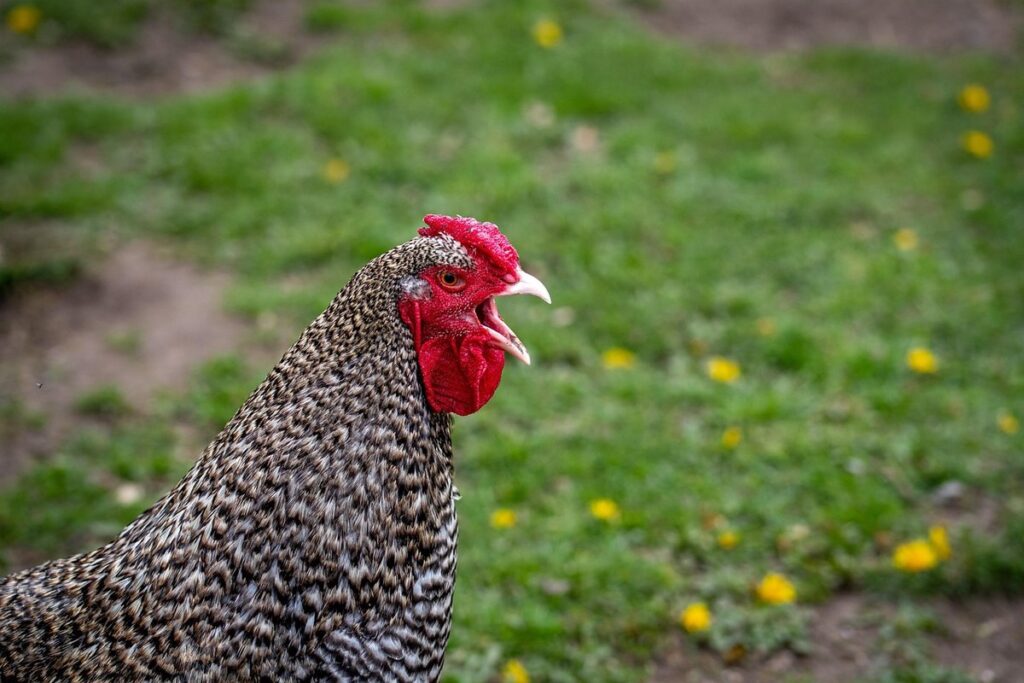
History and Origin
The Dorking breed has a rich history that dates back over 2,000 years, originating from England where it was highly valued for its unique characteristics. Let’s dive into how this ancient bird came to be.
The Ancient Roots of the Dorking Breed
The Dorking breed has a rich history dating back to 15th century England. It’s believed that these chickens were first bred in the West Sussex region for their exceptional meat production qualities. The breed was highly prized among early poultry enthusiasts, who valued its robust frame, hardiness, and rich flavor.
As a result of its popularity, Dorkings quickly spread throughout England, with many farmers adopting them as a primary source of protein. In fact, during the 17th century, Dorking meat was considered a delicacy among the upper class, with some accounts suggesting it was even served at royal banquets.
The breed’s reputation for quality and quantity earned it a place in the early poultry shows and exhibitions, where it often took top honors. This success solidified its position as one of England’s premier dual-purpose breeds, used both for meat production and egg-laying.
Early Breed Development and Characteristics
The development of the modern Dorking breed is a fascinating story that spans centuries. Originating from England in the 18th century, the Dorking was one of the first breeds to be developed through selective breeding. Prior to this, chickens were kept for their meat and eggs, but with the introduction of new breeds such as the Cochin and the Brahma, breeders began to experiment with combining these characteristics.
The key characteristic that set the Dorking apart from other breeds was its unique five-toed foot structure. Breeders selectively bred birds with this trait, eventually producing a distinct breed that excelled in both meat and egg production. The modern Dorking breed is known for its impressive size, with roosters weighing up to 9 pounds and hens reaching 8 pounds.
Today’s Dorking chickens are direct descendants of these early-bred birds, and their unique characteristics continue to make them a popular choice among backyard chicken keepers and heritage breed enthusiasts alike. If you’re considering adding Dorkings to your flock, be sure to look for birds with the distinctive five-toed foot structure – it’s a clear indication of the breed’s rich history and heritage.
Physical Characteristics
When it comes to identifying Dorking chickens, understanding their physical characteristics is crucial. Let’s take a closer look at the breed’s distinctive features and what sets them apart.
Body Type and Size
When it comes to body type and size, Dorking chickens are quite distinctive. They have a compact, sturdy build with a broad, flat back and a short, well-rounded tail. The breed’s plumage is smooth and glossy, with no feathers on the legs or feet.
Males typically weigh between 3.5 and 4 pounds (1.6 to 1.8 kg), while females are slightly smaller, weighing in at around 2.5 to 3 pounds (1.1 to 1.4 kg). It’s essential to note that these weights can vary depending on factors like diet and living conditions.
One of the most notable features of Dorking chickens is their unique body shape, which gives them a somewhat rustic or old-fashioned appearance. Their compact size makes them an excellent choice for smaller backyard flocks or for those with limited space.
When selecting a Dorking rooster or hen, look for birds that are well-proportioned and have good muscle tone. Avoid any individuals that appear scrawny or overly large, as these may be signs of health issues or poor genetics. By choosing the right bird, you’ll be off to a great start in raising happy and healthy Dorking chickens.
Comb Types and Colors
When it comes to the physical characteristics of the Dorking chicken breed, one notable feature is its comb type. The Dorking has three main types: rose, single, and pea combs. The rose comb is a gentle, rounded shape with small projections, while the single comb is a straight, erect comb with five or six points. The pea comb, on the other hand, resembles a small pea in appearance.
As for the color, Dorkings can display a wide range of plumage colors, including white, black, blue, and spangled. Some Dorking chickens may have a combination of these colors, creating unique patterns such as black and white or blue and white. When choosing a Dorking breed, keep in mind that some color variations are more common than others. For example, the White Dorking is one of the most popular varieties.
In terms of maintenance, it’s worth noting that roosters with single combs tend to be more prone to heat stress due to their exposed comb shape. To minimize this risk, make sure your flock has access to shade and water on hot days.
Temperament and Personality
When it comes to the Dorking chicken breed, their temperament and personality are a key part of what makes them so lovable and endearing to many owners. Let’s take a closer look at these important traits!
Known Traits and Characteristics
Dorking chickens are renowned for their gentle and docile nature, making them an ideal choice for backyard flocks. These birds are known to be friendly towards humans, and they have a unique ability to form close bonds with their owners. They are relatively easy-going and adaptable, which makes them a great fit for families or individuals who want a low-maintenance pet.
When it comes to interacting with other animals, Dorking chickens tend to be calm and peaceful. They are not aggressive towards other birds, and they can even coexist harmoniously with smaller pets like cats and dogs if socialized properly. In fact, many backyard flock owners have reported that their Dorkings get along famously with their existing pet menagerie.
One of the key advantages of owning a Dorking is their suitability for small spaces. They require minimal space to roam and are happy to scratch and peck around in even the smallest yards. This makes them an excellent choice for urban or suburban residents who want to raise chickens without sacrificing too much space or energy.
Training and Handling
When it comes to training and handling Dorkings, it’s essential to understand their temperament and personality traits. These gentle giants are known for being docile and laid-back, but they can be sensitive to noise and stress.
Dorkings tend to respond well to gentle, patient handling, and they’re often described as ” Velcro chickens” due to their affectionate nature. They love human interaction and will follow you around the yard or coop with ease. However, they do require regular exercise to stay happy and healthy. A daily walk or forage session can help burn off excess energy and prevent boredom.
To train a Dorking, start by introducing them to new environments and people gradually. Use positive reinforcement techniques, such as offering treats and praise, to encourage good behavior. Avoid sudden loud noises or quick movements, which can startle them. Instead, move slowly and calmly when approaching your bird.
In terms of exercise, provide plenty of space for your Dorkings to roam and forage. A securely fenced area with adequate shelter will give them the freedom they need to stay active and engaged. With patience, consistency, and positive reinforcement, you can develop a strong bond with your Dorking and help them thrive in their new environment.
Health Considerations
When keeping Dorking chickens, it’s essential to consider their specific health needs, as they can be prone to certain issues due to their unique characteristics. Understanding these factors will help you provide the best care for your flock.
Common Health Issues and Concerns
As you consider adding the dorking chicken breed to your flock, it’s essential to be aware of some common health issues that can affect them. One of the most significant concerns is obesity, which can lead to various problems, including joint issues and cardiovascular disease. Dorkings are prone to putting on weight due to their large size and laid-back nature, so regular monitoring of food intake and providing plenty of exercise opportunities are crucial.
Respiratory problems are another concern for dorking chickens. Their large beaks and compact bodies can make breathing difficult in hot or humid weather. Keep your coop well-ventilated, and consider installing a fogger to maintain a comfortable humidity level.
Parasite infestations, including mites, lice, and worms, can also affect dorkings. Regular cleaning of the coop and run, as well as frequent grooming and checks for signs of parasites, will help prevent infestations. Monitor your flock regularly, and take prompt action if you notice any issues. Consult with a veterinarian or experienced breeder to develop a parasite control plan tailored to your specific needs.
Nutrition and Diet Requirements
When it comes to keeping your Dorking chicken breed healthy and thriving, nutrition plays a vital role. As a responsible chicken owner, you’ll want to ensure that your feathered friends receive the right balance of nutrients through their diet.
Start by providing high-quality commercial layer feed as the main staple of their diet. This should account for about 80-90% of their daily calorie intake. However, it’s also essential to supplement with fresh fruits and vegetables, which can make up around 5-10% of their diet. Some recommended options include leafy greens like kale and spinach, carrots, and apples.
Consider adding supplements to their feed to boost the nutritional value. Crushed oyster shells or grit can help support healthy digestion, while probiotics can aid in gut health. Fresh water should always be available for your Dorking chickens to drink from.
In terms of specific dietary needs, Dorkings require a balanced mix of protein (around 16-18% on average), calcium, and phosphorus. You can also try offering mealworms or chopped hard-boiled eggs as a treat.
Breeding and Raising Dorking Chicks
If you’re planning to raise Dorking chickens, learning how to breed and raise healthy chicks is essential for a successful flock. This section will walk you through the process of hatching and raising these adorable birds.
Choosing the Right Breeders or Hatchery
When choosing breeders or hatcheries for your Dorking chicks, it’s essential to prioritize their reputation and health records. Research local breeders through online directories like the American Bantam Association or the Dorking Club of America. Look for breeders who specialize in heritage breeds and have a track record of producing healthy birds.
Check online reviews, ask for referrals from other chicken keepers, and visit the breeder’s farm to assess their operations. A reputable breeder will be transparent about their breeding program, provide detailed health records, and offer guidance on caring for your new chicks.
When purchasing from a hatchery, ensure they’re a member of a reputable organization like the National Poultry Improvement Plan (NPIP). This ensures the hatchery follows strict biosecurity protocols to minimize disease risks. Always ask about vaccination programs and genetic testing for diseases like Marek’s and avian influenza. By doing your due diligence, you’ll increase the chances of receiving healthy Dorking chicks that thrive in their new environment.
Care and Management of Chicks
When raising Dorking chicks, it’s essential to provide them with a safe and nurturing environment. A well-designed brooder is crucial for their growth and development. Ensure the brooder is spacious enough to accommodate at least 1-2 square feet per chick. A temperature range of 90-100°F (32-38°C) is ideal during the first week, gradually decreasing by 5°F (3°C) every week until it reaches around 70°F (21°C).
Maintain a clean and dry environment by regularly changing bedding material and disinfecting food and water dishes. Keep an eye on your chicks’ weight and adjust feeding schedules accordingly. Start with a starter feed that contains around 20% protein, gradually increasing to 18% as they grow.
Monitor temperature and humidity levels closely, ensuring they remain within the optimal range for Dorking chicks. A brooder with good ventilation is also crucial in preventing disease and respiratory issues. Make sure your chicks have access to fresh water at all times.
Showing and Judging the Dorking Breed
When showing and judging your Dorking chickens, it’s essential to understand the breed standards that will help you make a great impression in the ring. This section breaks down what judges look for in a top-notch Dorking exhibit.
Understanding Show Standards and Regulations
When it comes to showing and judging the Dorking breed, understanding show standards and regulations is crucial. The ideal characteristics of a Dorking chicken at a show include a sturdy build, strong legs, and a distinctive red or black plumage with white trim. However, judges also look for other key features such as a well-rounded breast, a broad back, and a compact tail.
According to the American Poultry Association (APA) breed standard, Dorkings should have a “short, stout body with strong legs” and be between 14-17 inches in height. In terms of judging criteria, show organizers typically assess the birds’ conformation, plumage, and overall presentation. When it comes time to prepare your Dorking for a show, focus on keeping its feathers clean and well-groomed, making sure its legs are clean and free from dirt or debris.
Judges will also be looking at your bird’s temperament, so make sure it is calm and quiet during the judging process. With careful attention to detail and preparation, you can give your Dorking chicken the best chance of success in the show ring.
Tips for Beginners and Experienced Breeders Alike
As you prepare to show off your stunning Dorking chickens, it’s essential to remember that their appearance and overall health are just as important as their breed characteristics. For beginners and experienced breeders alike, here are some valuable tips to help you get started:
When preparing your birds for a show, make sure they’re clean and well-groomed. This means giving them a good bath the day before, and trimming any overgrown nails or beaks. Keep in mind that Dorkings have a distinctive beard, so be gentle when cleaning around their faces.
To minimize nerves and stress on show day, get your birds accustomed to being handled by multiple people. Practice lifting them gently but firmly, making sure they’re comfortable with the process. This will not only help reduce stress but also make handling easier for you and others involved in the judging process.
In terms of improving chances of winning, focus on developing a well-rounded bird that excels in several areas, including egg-laying ability, feather quality, and temperament. Study the breed standard closely to understand what judges look for, and work towards achieving those standards.
Conclusion
As we wrap up our comprehensive guide to the Dorking chicken breed, let’s summarize the key takeaways and final thoughts on what makes this heritage bird so special. You now have a solid foundation for choosing and caring for your own Dorking chickens.
Recap and Summary
As we conclude our comprehensive guide to the Dorking chicken breed, let’s take a moment to recap the key points that will help you make an informed decision about adding this unique and fascinating breed to your flock.
One of the primary characteristics of the Dorking breed is its size, with roosters weighing around 8-10 pounds and hens weighing between 6-8 pounds. This compact size makes them ideal for backyard flocks or small farms where space is limited. Their small stature also means they require less feed and maintenance compared to larger breeds.
Another notable feature of the Dorking breed is its rich history, with evidence suggesting that it originated in Europe over 200 years ago. They were highly prized for their meat quality and were often used as a foundation breed by other poultry farmers. The Dorking’s unique genetic makeup has also made them resistant to certain diseases, such as Marek’s disease, making them an excellent choice for small-scale producers.
In terms of egg production, the Dorking breed is known for its moderate laying capacity, producing around 200-220 brown eggs per year. While this may not be as prolific as some other breeds, their eggs are highly valued for their rich flavor and dark coloration.
If you’re considering adding a Dorking to your flock, it’s essential to provide them with the right environment and care. They require regular exercise, access to fresh water and feed, and a balanced diet that includes plenty of calcium and protein. With proper care, they can thrive in a variety of settings and make excellent additions to any backyard or small farm.
By following the guidelines outlined in this guide, you’ll be well-equipped to make an informed decision about whether the Dorking breed is right for you. Whether you’re a seasoned poultry farmer or a beginner looking to start your first flock, this comprehensive guide has provided you with all the information you need to get started.
Frequently Asked Questions
How can I ensure the health of my Dorking chickens, especially considering their ancient origins?
Dorkings are generally a hardy breed, but like all birds, they require proper care to stay healthy. Regular vaccinations, deworming, and parasite control are crucial. Also, make sure your flock has access to clean water, nutritious feed, and adequate shelter. Be aware of common health issues such as Marek’s disease and coccidiosis, and take steps to prevent them.
Can Dorkings be kept in small backyards or do they require a lot of space?
Dorkings are relatively compact birds and can thrive in smaller spaces. However, providing at least 2-3 square feet per bird is essential for their comfort and well-being. Make sure your coop has adequate ventilation and protection from the elements.
What’s the ideal ratio of males to females when breeding Dorking chickens?
When breeding Dorkings, a good starting point is to have 1 male for every 5-6 females. This ratio allows for natural selection and minimizes aggression among roosters. Monitor your flock closely to adjust the ratio as needed.
How can I tell if my Dorking chick is a purebred?
Verifying the purity of your Dorking chicks can be challenging, especially when purchasing from unknown breeders. Look for documentation or certifications from reputable organizations like the American Poultry Association (APA). You can also consult with experienced breeders or conduct DNA testing to confirm the bird’s heritage.
What are some key considerations for showing a Dorking chicken at a poultry exhibition?
When showing your Dorkings, remember that judges evaluate birds based on their breed standard. Ensure your flock meets these standards by maintaining proper plumage, posture, and weight. Familiarize yourself with show regulations and rules to avoid disqualification or penalties.