
As a duck breeder, you know that timing is everything when it comes to optimizing fertility and hatchability. Duck breeding season can be a critical period for your operation, influenced by a complex interplay of biological and environmental factors. From selecting high-quality breeding stock to creating an optimal environment for reproduction, there are many variables at play. In this article, we’ll delve into the essential elements that impact duck breeding season, including expert advice on choosing the right breeders, strategies for improving fertility, and tips for boosting hatchability. Whether you’re a seasoned pro or just starting out, understanding these key factors can help you maximize your flock’s reproductive potential and take your operation to the next level. Let’s explore what makes duck breeding season tick!
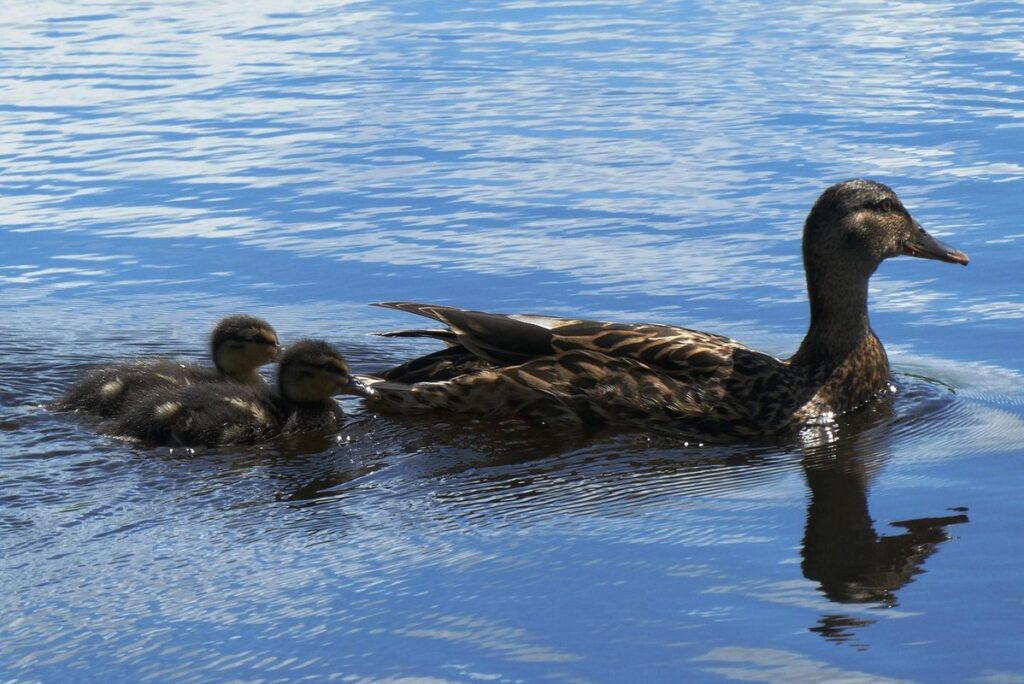
Understanding Duck Breeding Cycles
To successfully breed ducks, you need to understand their natural breeding cycles and how they influence your flock’s reproductive patterns. This includes recognizing key milestones like molting season.
Biological Bases of Breeding Seasonality
Ducks, like many other bird species, are seasonal breeders, meaning their reproductive cycles are influenced by environmental cues. One of the primary biological factors driving these seasonal fluctuations is hormonal changes. As daylight hours increase and temperatures rise, ducks experience a surge in luteinizing hormone (LH) production, triggering egg laying and ovulation. Conversely, as daylight hours shorten and temperatures drop, LH levels decrease, leading to a natural reduction in reproductive activity.
Photoperiodism also plays a crucial role in regulating duck breeding cycles. The length of daylight affects the hypothalamic-pituitary-gonadal axis, influencing hormone production and triggering the onset of breeding season. For example, ducks bred in northern latitudes tend to breed earlier than those kept in more temperate climates due to shorter winter days.
Understanding these biological factors is essential for effective duck breeding management. By mimicking natural light-dark cycles through supplemental lighting or manipulating environmental temperatures, farmers can manipulate their flock’s reproductive cycles and optimize breeding success.
Factors Influencing Breeding Season Start
When it comes to determining the start of duck breeding season, external factors play a significant role. Changes in water levels, for instance, can be an important cue for ducks. As water bodies begin to dry up or flood, ducks will typically adjust their behavior accordingly. A general rule of thumb is that ducks tend to breed when water levels are moderate, providing ample food and suitable breeding grounds.
Vegetation growth is another external factor influencing the start of duck breeding season. As plants start to sprout and vegetation becomes more abundant, ducks will begin to take notice. This not only provides them with a source of nutrition but also creates an ideal environment for mating and nesting.
Weather patterns are yet another crucial factor in determining when duck breeding season starts. Warm temperatures, gentle rainfall, and moderate humidity levels create the perfect conditions for ducks to breed. If you’re planning to breed ducks, keeping an eye on local weather forecasts can help you anticipate when the optimal breeding conditions will arise.
Preparing for Duck Breeding Season
As you prepare to welcome a new batch of ducklings into your flock, it’s essential to ensure you’re ready for the responsibilities and joys that come with breeding season. This section will walk you through the key steps to get your ducks in line for a successful hatch.
Breeding Stock Selection and Management
When it comes to breeding ducks, selecting the right stock is crucial for a successful breeding season. The breed of duck you choose will depend on your desired outcome – whether it’s meat production, egg laying, or ornamental purposes.
For most backyard breeders, Khaki Campbell and Indian Runner are popular choices due to their high egg-laying capacity. However, if you’re looking for a more niche market, consider heritage breeds like Muscovy or Wood Ducks. Regardless of breed, ensure the ducks are at least six months old before introducing them to your breeding program.
When selecting individual birds, prioritize health and genetic diversity. Ensure they have been vaccinated against common diseases such as duck plague and Marek’s disease. Also, observe their feather quality, beak shape, and overall appearance – these traits often indicate a bird’s potential for fertility and reproductive success.
Maintaining a healthy breeding flock requires attention to sanitation, nutrition, and proper housing conditions. Keep the area clean and well-ventilated to prevent respiratory issues. Provide adequate feeding and ensure access to fresh water at all times. Regular health checks will also help identify any potential problems early on.
Nutrition and Health Considerations for Breeders
When it comes to duck breeding season, ensuring that your flock receives proper nutrition is crucial for their overall health and reproductive success. During this time, ducks require a balanced diet rich in protein, calcium, and other essential nutrients to support egg production and embryonic development.
A common mistake breeders make is underestimating the nutritional needs of their ducks during breeding season. A duck’s daily protein intake should be around 15-20% of its total diet, with a focus on high-quality feed sources like mealworms, oats, and barley. It’s also essential to provide clean water at all times, as dehydration can lead to reproductive problems.
Health issues in breeders are not uncommon during breeding season. Reproductive problems such as egg binding, infertility, or poor fertility rates can be caused by inadequate nutrition, stress, or genetic factors. Stress-related illnesses like respiratory infections and feather pecking can also arise due to overcrowding, poor ventilation, or lack of forage.
To mitigate these issues, ensure your flock has adequate space (around 2-4 square feet per bird), proper ventilation, and regular veterinary check-ups. A nutritious diet and a stress-free environment will significantly improve the chances of successful breeding and healthy ducklings.
Breeding Techniques and Strategies
To successfully breed ducks, you’ll need to understand various techniques and strategies that ensure a healthy hatch rate and strong flock. We’ll dive into these essential methods next.
Artificial Insemination vs. Natural Mating
When it comes to duck breeding, two common methods are artificial insemination (AI) and natural mating. Both have their advantages and disadvantages, which we’ll explore below.
Artificial Insemination (AI): AI involves collecting and storing sperm from a male duck, then using specialized equipment to fertilize an egg laid by the female duck. This method is beneficial for several reasons: it eliminates the risk of disease transmission during mating, allows for greater control over breeding schedules, and enables breeders to select specific traits from multiple males.
However, AI also has its drawbacks: it requires significant investment in equipment and expertise, can be time-consuming and labor-intensive, and may not always result in viable offspring. For example, if the stored sperm is of poor quality or expires before use, the entire process becomes pointless.
On the other hand, natural mating involves allowing a male duck to mate with multiple females over several breeding cycles. This method has its advantages: it allows for instinctual behavior and natural selection, can increase genetic diversity within the flock, and often results in higher fertility rates. Nevertheless, natural mating carries risks of disease transmission between birds and may lead to decreased egg production due to stress caused by repeated matings.
To decide which method is best for your duck breeding operation, weigh these factors carefully: do you prioritize efficiency and control over the breeding process? Or are you willing to take on the challenges associated with natural mating in exchange for potentially better fertility rates and genetic diversity?
In practice, many breeders opt for a hybrid approach that combines elements of both methods. This might involve collecting sperm from male ducks using AI during peak breeding season, then allowing natural matings to occur outside this period when the birds are less stressed. By doing so, they can balance efficiency with instinctual behavior and maximize their chances of successful breeding outcomes.
Keep in mind that the suitability of either method will depend on your specific operation, including factors like flock size, breed selection, and personal experience level. If you’re new to duck breeding, it’s a good idea to start with natural mating and gradually incorporate AI techniques as you gain more knowledge and confidence.
Breeding Stock Improvement through Selective Breeding
Selective breeding is a powerful tool for breeders to improve their ducks’ desirable traits. The principle behind it is simple: by choosing which birds to breed and selecting the best qualities from each generation, you can gradually improve the overall health, fertility, and performance of your flock.
To start selective breeding, identify the characteristics you want to enhance in your ducks. This could be anything from better egg-laying capacity to improved foraging efficiency or enhanced feather quality. Once you’ve determined what traits to focus on, select birds that exhibit these desirable features and breed them with each other.
Genetic diversity is crucial when implementing selective breeding. Introduce new bloodlines into your flock periodically to prevent inbreeding depression and maintain genetic vigor. This will also allow you to capture valuable genes from other breeds or lines, further enriching your stock.
When selecting ducks for breeding, prioritize the top 20% of performers in each category. Breed these birds together to create offspring that inherit their desirable traits. Monitor the progress over several generations, making adjustments as needed to maintain genetic integrity and optimize results.
It’s essential to keep accurate records throughout this process. Tracking growth rates, egg production, feather quality, and other relevant metrics will help you refine your selection criteria and make informed decisions about future breeding pairs.
Selective breeding can significantly improve the quality of your duck flock over time. By applying these principles, you’ll be able to create a more resilient and productive group that meets your specific needs and goals.
Managing Duck Breeding Flocks
When it comes to managing your duck breeding flock, there are several key considerations to keep in mind to ensure a successful and healthy season. This includes determining optimal breeding ratios and schedules.
Housing and Environmental Considerations
When it comes to managing duck breeding flocks, providing a safe and healthy environment is crucial for their well-being and productivity. A significant aspect of this is ensuring they have adequate space to move around, stretch their wings, and engage in natural behaviors.
As a general rule, the recommended space per duck is around 2-4 square feet (0.19-0.37 square meters) inside the coop, depending on breed size and age. For example, a Muscovy drake requires more space than a Khaki Campbell duckling. Ensure your enclosure provides enough room for the birds to move comfortably, including any nesting boxes or roosting areas.
Proper ventilation is also essential to prevent ammonia buildup from droppings and maintain good air quality. A well-designed coop should allow for airflow through windows, vents, or other openings. Additionally, a reliable lighting system that simulates natural daylight-dark cycles is vital for regulating the birds’ internal clocks and reproductive cycles.
Maintaining high sanitation standards within your duck enclosure can significantly impact the health of your flock. This includes regularly cleaning feeders and waterers, disinfecting perches and nesting boxes, and removing any dead or dying birds promptly.
Biosecurity Measures for Disease Prevention
Maintaining biosecurity during breeding season is crucial to prevent disease outbreaks and ensure the health of the breeding flock. Disease can spread rapidly through close contact between birds, making it essential to implement robust measures to safeguard against infection.
A good starting point is to establish a quarantine protocol for new birds introduced to the flock. This involves isolating them from existing birds for a period of 30 days before integrating them into the main flock. Regular health checks should be performed on all birds, including monitoring for signs of illness and inspecting their living conditions.
Cleanliness is also vital in preventing disease spread. Ensure that feeders, waterers, and other equipment are regularly cleaned and disinfected with a solution of one part bleach to nine parts water. Manure and litter should be removed daily, and any contaminated bedding replaced immediately.
Flock hygiene practices can help reduce the risk of disease transmission. For example, avoid overcrowding pens and provide adequate ventilation to prevent ammonia buildup. By prioritizing biosecurity measures, you can significantly reduce the likelihood of disease outbreaks and protect the health of your breeding flock.
Monitoring and Evaluating Breeding Performance
Now that you’ve set up your breeding operation, it’s essential to track key performance indicators to refine your techniques and make informed decisions. This involves monitoring duck health, fertility rates, and hatch success.
Record Keeping and Data Analysis
Accurate record keeping and data analysis are crucial components of evaluating breeding performance. By tracking reproductive rates, fertility, and hatchability, you can identify trends and areas for improvement in your duck breeding operation.
Start by setting up a comprehensive record-keeping system that captures key data points such as breed, age, weight, and sex of ducks, as well as dates of mating, egg laying, and hatching. You can use a spreadsheet or a dedicated poultry management software to make tracking easier.
Key performance indicators (KPIs) to focus on include:
• Fertility rate: The percentage of eggs fertilized by the male
• Hatchability rate: The percentage of fertile eggs that hatch successfully
• Brood size: The average number of ducklings per clutch
Regularly reviewing these metrics will help you identify potential issues, such as low fertility rates or inconsistent hatchability. For example, if your fertility rate is consistently below 80%, it may indicate a problem with the male’s sperm quality or the female’s reproductive health.
By monitoring and analyzing these KPIs, you can make informed decisions about breeding strategies, nutrition, and healthcare to optimize your duck breeding performance.
Identifying and Addressing Reproductive Issues
Identifying potential reproductive issues in ducks is crucial for improving breeding success. Obvious signs of trouble may not always be apparent, so it’s essential to stay vigilant and proactive.
Some common indicators of reproductive problems include irregular egg-laying patterns, decreased fertility rates, or a sudden drop in the number of fertile eggs. If you notice any of these symptoms, investigate further by observing your ducks’ behavior, checking their overall health, and consulting with a veterinarian if necessary.
To address potential issues, start by ensuring that your ducks have access to clean water, nutritious food, and adequate space for exercise. Provide a balanced diet rich in nutrients, particularly vitamins A and E, which play crucial roles in reproductive health. Regularly monitor the flock’s overall health, watching for signs of stress or illness.
Maintain accurate breeding records to help identify any recurring issues. By doing so, you can pinpoint areas for improvement and make informed decisions to optimize your breeding program.
Frequently Asked Questions
How do I determine the optimal breeding season start date for my duck flock?
While understanding the biological factors that drive seasonal fluctuations is essential, it’s also crucial to consider local climate and weather patterns when determining the ideal start date for your breeding season. Consult with local experts or research regional data to identify the best time to initiate breeding based on temperature, daylight hours, and other environmental conditions.
Can I use artificial insemination instead of natural mating for my duck breeders?
Yes. Artificial insemination (AI) can be a valuable tool in managing your breeding stock and improving hatch rates. However, it requires proper training and equipment to ensure the quality and fertility of the semen are maintained during storage and application. Consult with experienced professionals or conduct thorough research before adopting AI methods.
How do I identify reproductive issues in my duck flock?
Monitoring for signs of reproductive problems, such as irregular egg-laying, low hatch rates, or abnormal behavior, is essential to maintaining a healthy and productive breeding program. Regular health checks, tracking reproductive metrics, and implementing disease prevention measures can help identify potential issues early on.
What are some key considerations when selecting new breeding stock?
When choosing new breeders for your flock, consider factors such as fertility, hatch rate, growth rate, feather quality, and temperament. Evaluate multiple bloodlines or breeds to determine which will best meet your operational goals and adapt to local environmental conditions.
Can I use different duck breeds in the same breeding program?
Yes, but careful planning and management are essential when integrating different breeds into a single breeding program. Consider factors such as breed-specific characteristics, reproductive traits, growth rates, and genetic diversity to ensure compatibility and maximize the benefits of crossbreeding.