
If you’re a backyard chicken keeper or an aspiring poultry enthusiast, you’re likely curious about the fascinating world of duck eggs. These oval wonders undergo a remarkable transformation from tiny cells to fully formed chicks, but have you ever wondered what’s happening inside that eggshell? Understanding the different stages of duck egg development is crucial for successful breeding and hatching. From fertilization to pip, we’ll take you through each critical phase, including incubation tips and common issues that may affect the process. Our comprehensive guide covers everything you need to know about duck egg stages, from preparation and temperature control to candling and hatching day. By the end of this article, you’ll have a deeper appreciation for these incredible eggs and be better equipped to raise healthy, thriving ducks.
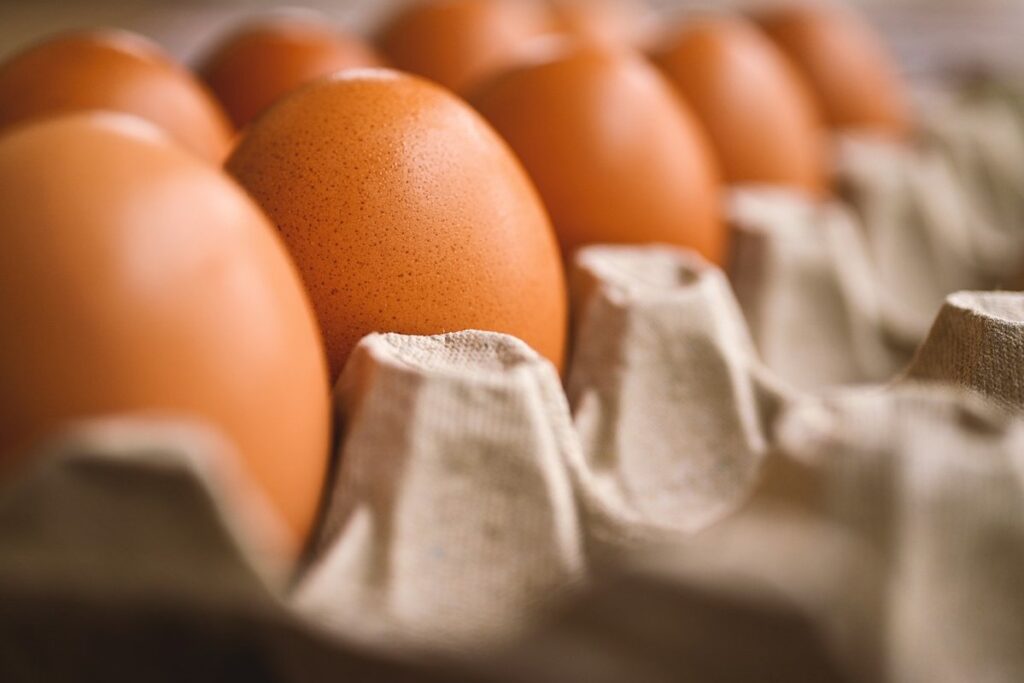
Understanding Duck Egg Development
Now that you know a little about duck egg laying, let’s dive into understanding how these eggs develop from the moment they’re laid to when they’re ready to hatch. This process is more fascinating than you might think!
Stage 1: Ovum Formation and Yolk Production
When it comes to duck egg development, the journey begins with ovum formation and yolk production. This stage is crucial as it lays the foundation for a healthy, viable embryo. The process starts when the hen’s pituitary gland releases hormones that stimulate the growth of follicles in her ovaries. Each follicle contains an immature ovum surrounded by a nourishing yolk sac.
As the follicle matures, the ovum is released from its stalk and falls into the oviduct, where fertilization can occur. Meanwhile, the yolk continues to grow and mature within the follicle. The size of the yolk determines the size of the embryo that will eventually develop inside the egg. A larger yolk will result in a bigger duckling.
In a natural setting, this stage often occurs without human intervention. However, backyard breeders can help facilitate ovum formation by providing their hens with a balanced diet rich in protein and calcium, which supports healthy reproductive function. By creating an optimal environment for your ducks, you’ll be well on your way to producing healthy eggs and viable embryos.
Stage 2: Egg White Formation and Shell Calcification
At this stage of duck egg development, you’ll notice significant changes happening within and outside the egg. The process begins with egg white formation, also known as albumen production. This is where the hen’s body starts producing proteins, which coagulate to form a clear, thin liquid that makes up about 90% of the egg’s contents.
As the egg white continues to develop, it becomes more viscous and begins to separate into different layers. The innermost layer is rich in protein, while the outer layer contains more water and lipids. This separation process helps regulate the embryo’s growth during incubation.
Meanwhile, shell calcification starts taking place on the outside of the egg. Calcium ions from the hen’s bloodstream are deposited onto the eggshell, gradually increasing its thickness and hardness. This process can take up to 24 hours, depending on various factors like temperature and humidity.
Proper handling and storage of duck eggs during this stage are crucial for optimal development. Make sure they’re kept in a cool, dry place, turned regularly to prevent pressure points from forming on the eggshell.
Breeding and Laying Habits of Ducks
When it comes to duck egg stages, understanding the breeding and laying habits of ducks is crucial for ensuring healthy eggs and successful incubation. Let’s dive into how different breeds lay their eggs.
Factors Affecting Egg Laying in Ducks
A duck’s ability to lay eggs is influenced by several factors, and understanding these can help you optimize their reproductive health. Breed plays a significant role, with certain breeds laying more eggs than others. For example, Khaki Campbells are known to produce an average of 300 large white eggs per year, while Muscovy ducks may only lay around 120-150 eggs annually.
Nutrition is also crucial for egg production. A balanced diet rich in protein and calcium ensures that your ducks have the necessary building blocks to create healthy eggs. Laying hens require around 15-20% protein in their diet, which can be achieved through a combination of grains and vegetables.
Health issues, such as reproductive problems or stress, can significantly impact egg laying. Regular veterinary check-ups and maintaining a clean living environment are essential for preventing these issues. Ensure your ducks have access to fresh water and adequate space to roam, reducing the risk of stress-related egg-laying problems.
Average Number of Eggs Laid by Different Duck Breeds
When it comes to duck egg production, different breeds have varying levels of productivity. The average number of eggs laid by a specific breed can be an essential factor for farmers and backyard duck keepers to consider.
Some popular duck breeds known for their high egg-laying abilities include Leghorns, which can produce up to 300 eggs per year, Khaki Campbells with around 280 eggs annually, and Golden 300 Hybrid ducks laying approximately 260 eggs each year. These numbers are impressive but may vary depending on factors such as nutrition, health conditions, and environmental conditions.
In contrast, other breeds like Muscovy ducks have a lower average egg production of around 120-150 eggs per year. While they might not be as prolific layers as some other breeds, their eggs often come with unique characteristics, such as being larger in size or having thicker shells.
When choosing a duck breed for egg production, it’s crucial to research the specific needs and capabilities of each breed to make an informed decision.
Incubation Process for Duck Eggs
Now that we’ve covered the pre-incubation stages, let’s dive into what happens once you place those precious duck eggs in the incubator. We’ll walk through each step of the incubation process together!
Importance of Temperature Control During Incubation
Temperature control is one of the most critical factors during incubation. A narrow temperature range is essential to ensure that ducklings develop properly. The ideal temperature for incubating duck eggs is between 99°F and 100°F (37°C to 38°C). Maintaining a consistent temperature within this range will help prevent the risk of fungal growth, bacterial contamination, and other potential issues.
If the temperature becomes too high or too low, it can significantly impact the development of the ducklings. For example, temperatures above 102°F (39°C) can cause increased evaporation of moisture from the egg, leading to dehydration and potentially fatal consequences for the developing embryo.
To ensure accurate temperature control during incubation, it’s essential to use a reliable thermometer and maintain the optimal temperature range throughout the process. Regular checks and adjustments will help prevent temperature fluctuations that could harm your ducklings. By maintaining precise temperature control, you’ll significantly increase the chances of healthy and robust ducklings emerging from your eggs.
Turning and Humidity Levels During Incubation
Maintaining optimal humidity levels and turning your duck eggs regularly during incubation is crucial for successful hatching. If the humidity level drops too low, the membranes inside the egg can dry out, causing damage to the embryo and potentially leading to a failed hatch.
The ideal humidity level for duck eggs is between 50-60%. You can achieve this by using a humidifier or misting the incubator with water daily. Some breeders also use a damp cloth to cover the eggs, but this method can be less effective.
Turning your duck eggs regularly is equally important. It’s recommended to turn them every hour or two, making sure they’re always in a new position. This prevents the embryo from developing unevenly and ensures even growth. You can set an alarm on your phone or use a turner machine specifically designed for this purpose.
Remember, consistency is key when it comes to incubation. Stick to your schedule, maintain accurate temperature and humidity levels, and you’ll be well on your way to hatching healthy ducklings.
Common Issues Affecting Duck Egg Development
As you’re learning about duck egg stages, it’s essential to know what can go wrong and affect development. We’ll cover some common issues that may impact your eggs’ chances of hatching successfully.
Factors Leading to Infertile or Deformed Eggs
When it comes to duck egg development, several factors can lead to infertile or deformed eggs. Poor breeding practices are a significant contributor, as they often result in ducks with genetic defects or health issues that can affect their reproductive capabilities. For instance, if you’re breeding ducks without proper pedigree records or knowledge of their ancestry, you may inadvertently perpetuate inherited traits that impact fertility.
Environmental stressors also play a crucial role in the development of infertile or deformed eggs. Factors like inadequate nutrition, exposure to disease-causing pathogens, and poor living conditions can all take a toll on duck health and reproductive fitness. For example, if your ducks are not receiving a balanced diet or are subjected to excessive noise pollution, it may lead to stress that negatively impacts their egg-laying abilities.
To mitigate these risks, make sure you’re breeding healthy, well-cared-for ducks and maintaining optimal living conditions for them. This includes providing adequate shelter, space, and nutrition, as well as regular health checks and disease prevention measures. By doing so, you can help ensure the quality of your duck eggs and minimize the likelihood of infertile or deformed eggs.
Identifying and Addressing Problems in Duck Egg Development
Identifying and addressing problems in duck egg development is crucial for ensuring healthy hatch rates. One common issue is low fertility rates due to factors such as inadequate nutrition, stress, or poor breeding management. To improve fertility rates, it’s essential to provide ducks with a balanced diet rich in protein, vitamins, and minerals. Aiming for 16-18% protein content in their feed can significantly boost fertility.
Embryonic mortality is another significant concern, often caused by temperature fluctuations, humidity imbalances, or inadequate incubation. To mitigate this, maintain a consistent temperature range of 99°F to 100°F (37°C to 38°C) and ensure proper ventilation within the incubator. Regular candling can also help detect any issues early on, allowing for prompt intervention.
Monitoring duck behavior and health is critical in identifying potential problems before they impact egg development. Keep an eye out for signs of stress, such as changes in appetite or water intake, and address any underlying issues promptly. By staying vigilant and implementing these measures, you can significantly reduce the risk of problems in duck egg development and improve overall hatch rates.
Frequently Asked Questions
What temperature range should I maintain during incubation to ensure healthy duckling development?
The ideal temperature for incubating duck eggs is between 99°F (37°C) and 100°F (38°C). Maintaining a consistent temperature within this range will promote healthy embryonic growth. You can use an incubator with automatic temperature control or manually check the temperature several times a day.
How often should I turn my duck eggs during incubation, and what’s the best method?
Turning your duck eggs 3-5 times a day is crucial to prevent embryo malposition. Use an automatic egg-turning system or rotate the eggs by hand, making sure each egg is turned end-over-end for even development.
Can I candle my duck eggs too early, and what are some signs of healthy embryos?
Candling your duck eggs before 7-8 days can be too soon to detect any significant development. Wait until around 14-15 days to observe the embryo’s heartbeats and movement. Healthy embryos will show a clear outline of their body parts.
What should I do if my incubator suddenly loses power, and how long can duck eggs survive without power?
If your incubator loses power, immediately move it to a safe location with minimal temperature fluctuations. Duck eggs can survive up to 24-48 hours without power, but prolonged exposure to temperatures above 100°F (38°C) can be detrimental.
How do I identify and address potential problems in duck egg development, such as infertile or deformed eggs?
Regularly monitor your incubator’s temperature, humidity, and turning mechanisms. Check for signs of stress or damage on the eggshell, and candling will help you detect any embryo issues early on. If you notice any irregularities, consult with a poultry expert or veterinarian for guidance.