
Duck eggs have long been a staple in many kitchens, prized for their rich flavor and versatility. But did you know that duck egg thickness plays a crucial role in determining their nutritional benefits? From baking to cooking, the size of these eggs can make all the difference. Whether you’re a seasoned baker or a curious home cook, understanding the importance of duck egg thickness is essential to getting the most out of these delicious eggs.
In this article, we’ll delve into the world of duck egg thickness and explore how it affects their nutritional value. We’ll cover the best ways to measure the thickness accurately, including tips on how to determine if your duck eggs are fresh or not. By unlocking the secrets of duck egg thickness, you can enhance your recipes and make the most of these incredible ingredients. Get ready to take your baking and cooking to the next level with this essential guide to duck egg thickness!
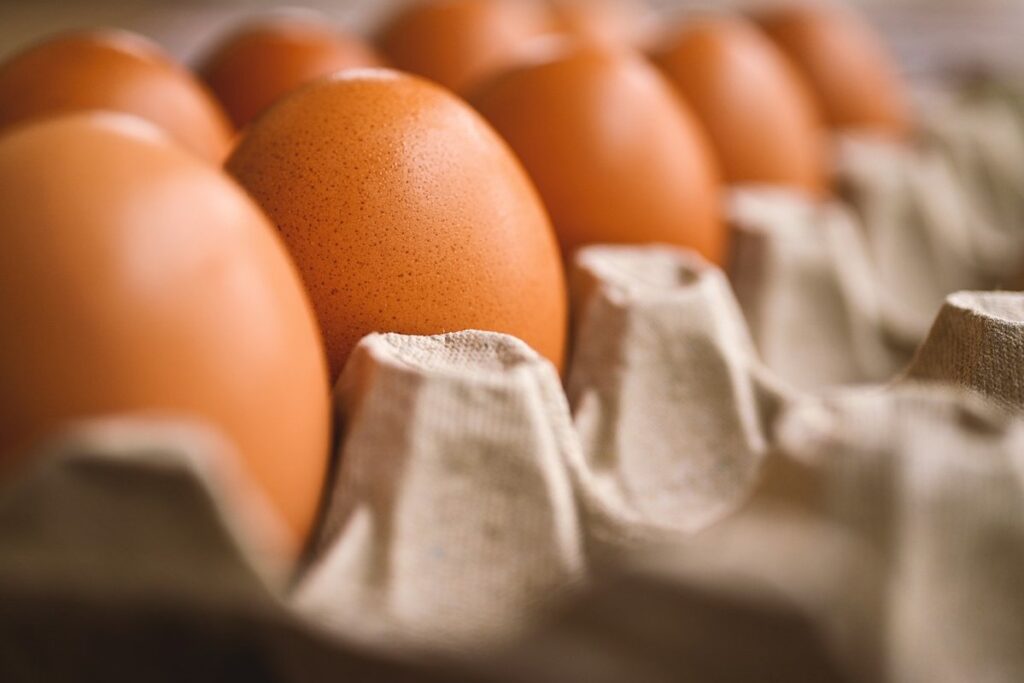
What Are Duck Eggs?
So, you’re new to duck eggs and wondering what all the fuss is about. Let’s start by defining what a duck egg actually is: it’s an egg laid by a female duck.
Characteristics of Duck Eggs
Duck eggs are often overlooked in favor of their more common chicken counterparts, but they offer a wealth of benefits and unique characteristics that make them worth considering. Not only do duck eggs have a richer nutritional profile than chicken eggs, with higher levels of iron, zinc, and omega-3 fatty acids, but they also boast a thicker shell and a firmer texture.
One of the key differences between duck eggs and chicken eggs lies in their size: duck eggs are generally larger and more oval in shape. This means that when it comes to cooking and baking, you’ll need to adjust your recipes accordingly – think bigger, fluffier omelets and cakes! Another notable characteristic is the darker yolk of a duck egg, which has a deeper, richer flavor profile than its chicken equivalent.
In terms of unique characteristics, duck eggs are also prized for their rich, buttery taste and creamy texture. They’re often used in baking to add moisture and tenderness to pastries and cakes, while also providing a boost of protein and nutrients. So whether you’re a seasoned chef or an amateur cook, exploring the world of duck eggs can be a fun and rewarding experience – just remember to adjust your expectations (and recipes!) accordingly!
History of Duck Egg Consumption
Duck eggs have been an integral part of various cultures around the world for centuries. In many Asian countries, including China, Japan, and Korea, duck eggs are considered a staple food source and are often used as a symbol of good fortune and prosperity. In these cultures, duck eggs are prized for their rich flavor, creamy texture, and high nutritional value.
In Europe, particularly in the UK, France, and Italy, duck eggs have been consumed since ancient times. They were highly valued by farmers and cooks due to their exceptional eggshell strength and resistance to cracking. This made them ideal for transporting and storing without worrying about damage.
Interestingly, the importance of duck eggs as a food source has also been recognized in some African cultures. For instance, in Nigeria and Ghana, duck eggs are considered a delicacy and are often served at special occasions like weddings and festivals.
It’s worth noting that the unique characteristics of duck eggs, including their larger size and thicker shell, make them an attractive alternative to chicken eggs for many consumers. If you’re considering incorporating duck eggs into your diet or culinary repertoire, understanding their history and cultural significance can be a great starting point.
Comparison with Chicken Eggs
When it comes to comparing duck eggs with chicken eggs, several differences emerge, especially when considering size, shell thickness, and nutritional content. One of the most noticeable distinctions is in size; duck eggs are generally larger than their chicken counterparts. On average, a large duck egg can weigh around 60-70 grams, while a large chicken egg weighs about 50-55 grams.
Another key difference lies in shell thickness: duck eggs have thicker shells than chicken eggs, which is due to the fact that ducks produce more calcium during the laying process. This means that duck eggs are less prone to breakage and require more force to crack open. In terms of nutritional content, both types of eggs provide essential proteins, vitamins, and minerals; however, duck eggs have a higher fat content and slightly lower protein levels compared to chicken eggs.
Understanding these differences will help you appreciate the unique characteristics of duck eggs and make informed decisions when it comes to choosing the right type of egg for your needs. If you’re looking to use duck eggs in baking or cooking, knowing their size and shell thickness can impact the outcome of your recipes.
Measuring Duck Egg Thickness: The Importance of Consistency
When measuring duck egg thickness, consistency is crucial to ensure optimal cooking results and prevent overcooking or undercooking. Let’s dive into the methods for accurately measuring the thickness of your eggs.
Why Consistency Matters
When it comes to baking, cooking, or using duck eggs in other applications, consistency is key. Consistent egg thickness ensures that your recipes turn out as expected, every time. Imagine making a batch of homemade pasta only to have it fall apart because one of the duck eggs added too much moisture.
Inconsistent egg thickness can also affect the texture and flavor of final products. For instance, if you’re making duck egg-based mayonnaise, an irregularly thick egg can cause the mixture to break or separate. This is especially true in commercial kitchens where precise measurements are crucial for large-scale production.
To achieve consistency in duck egg thickness, consider using a specialized egg tester or caliper. These tools allow you to accurately measure and record the thickness of each egg. You can also develop a system for categorizing eggs based on their thickness, ensuring that you’re using the right ones for specific recipes. By prioritizing consistent egg thickness, you’ll be able to replicate your favorite dishes with confidence and precision.
How to Measure Egg Thickness
To accurately measure the thickness of duck eggs, you’ll need to use one of two primary methods: calipers or egg sizers. Calipers are a more precise tool that can be used for measuring individual eggs or batches of eggs. To use calipers, place the egg on a flat surface and position the caliper jaws around it, making sure they’re centered and even.
Egg sizers, on the other hand, are designed to measure multiple eggs at once and provide an average thickness reading. They typically consist of a series of metal pins or probes that press into the eggshell, with each pin corresponding to a specific weight range.
When using either method, it’s essential to take precise measurements by ensuring the calipers or sizer is aligned correctly and taking multiple readings from different areas of the egg to account for any irregularities in shape. By measuring egg thickness consistently, you can better assess the quality of your duck eggs and make informed decisions about their usage or sale.
Factors Affecting Egg Thickness
Duck egg thickness is not solely determined by genetics, but also influenced by several external and internal factors. Breed plays a significant role in determining egg size, with some breeds known to lay larger eggs than others. However, even within the same breed, individual ducks can vary significantly in terms of egg size due to other factors.
Age is another crucial factor affecting duck egg thickness. Younger ducks tend to produce smaller eggs as they mature, while older ducks may lay slightly larger eggs due to accumulated fat reserves and hormonal changes. A balanced diet that includes essential nutrients like calcium, protein, and vitamins is vital for optimal egg production and size. Deficiencies in these nutrients can lead to reduced egg size or even cessation of laying.
Environmental conditions also impact duck egg thickness. Temperature fluctuations, humidity levels, and light exposure all influence a duck’s metabolism and reproductive cycle. For instance, high temperatures during peak breeding season may stress the duck, leading to smaller eggs or irregularities in laying.
Understanding these factors can help you identify any issues affecting your flock’s egg production and take corrective measures accordingly. By optimizing breed selection, dietary care, and environmental conditions, you can promote healthier ducks that lay more consistently sized eggs.
The Impact of Breed on Duck Egg Thickness
Let’s dive into one crucial factor affecting duck egg thickness: breed. Different breeds can produce eggs with varying degrees of thickness, influenced by their genetics and overall health.
Popular Breeds for Egg-Laying
When it comes to duck egg thickness, many factors come into play. One crucial aspect is the breed of the duck itself. Certain breeds are renowned for their high egg-laying capacity and desirable egg characteristics. If you’re an avid duck keeper or breeder looking to produce high-quality eggs, here are some popular breeds worth considering.
Some notable examples include Khaki Campbells, which lay large, brown eggs with a thickness of around 5-6 mm. Cayugas are another popular choice, producing extra-large, blue-green eggs that measure approximately 7-8 mm in thickness. Rouen ducks, known for their friendly and docile nature, also yield large, white eggs with an average thickness of 6-7 mm.
When selecting a breed, consider factors like climate, available space, and your personal preferences. For instance, Khaki Campbells are well-suited to colder climates due to their thick feathers, while Cayugas require more space and a balanced diet to reach optimal egg-laying capacity. By choosing the right breed for your needs, you’ll be well on your way to producing high-quality eggs with desirable characteristics.
It’s worth noting that even within breeds, there can be variations in egg thickness due to factors like nutrition, health, and age. However, by selecting a reputable breeder or bloodline known for its consistency, you can increase the chances of getting ducks that lay thick, well-formed eggs.
Breed-Specific Characteristics
When it comes to duck egg thickness, one of the most significant factors that influence its quality is the breed of the duck. Different breeds have distinct characteristics that affect their eggs’ size, shape, and thickness.
For instance, Muscovy ducks are known for laying larger eggs, which can be up to 20-25% thicker than those laid by Khaki Campbells or Welsh Harlequins. This is due in part to the Muscovy’s unique reproductive physiology, which allows them to produce bigger yolks.
On the other hand, Indian Runner ducks tend to lay smaller eggs with a more oval shape, resulting in lower egg thickness. However, their eggs often have a higher yolk-to-white ratio, making them richer in nutrients.
If you’re looking to breed ducks for thicker eggs, consider introducing Muscovy or Aylesbury breeds into your flock. These breeds are naturally inclined to produce larger eggs and can be cross-bred with other varieties to enhance egg thickness.
Keep in mind that breeding alone is not enough – a balanced diet, proper health care, and optimal living conditions also play crucial roles in determining duck egg thickness.
Examples of High-Producing Breeds
When it comes to duck egg thickness, some breeds stand out from the rest. If you’re looking to produce large, thick-shelled eggs, consider these high-producing breeds:
Khaki Campbells and Golden 300 Hybrids are two popular breeds known for their impressive egg-laying abilities. On average, a Khaki Campbell hen will lay around 300-320 brown eggs per year, while a Golden 300 Hybrid can produce up to 300-310 large white or brown eggs annually. These breeds have been specifically bred for high egg production and are ideal for backyard duck keepers who want consistent, thick-shelled eggs.
Another breed worth mentioning is the Muscovy Duck. While they’re not as prolific egg-layers as some of the other breeds mentioned here, their eggs tend to be thicker and larger than many other varieties. A single Muscovy hen can lay around 120-150 large white or brown eggs per year, making them a great choice for those who want fewer but more substantial eggs.
These breeds are not only capable of producing thick-shelled eggs but also tend to thrive in a variety of living conditions, making them an excellent choice for backyard duck keepers.
Nutrition and Health Implications of Duck Egg Thickness
Understanding the nutritional value of duck eggs depends heavily on their thickness, which can impact calorie and protein content. This is where we dive into the health implications for consumers.
Nutritional Content of Thick-Shelled Eggs
When it comes to nutritional content, thicker-shelled duck eggs are often misunderstood. While they may have a slightly higher risk of shell breakage during transport and storage, the nutritional benefits far outweigh this concern.
Thicker-shelled duck eggs tend to have a higher proportion of yolk-to-white due to the thicker shell membrane, which helps preserve the nutrients within. This means that consuming thicker-shelled duck eggs can provide an increased amount of protein, vitamins A, D, and E, as well as essential minerals like iron and zinc.
However, it’s worth noting that the nutritional content may vary depending on factors such as diet, genetics, and living conditions of the ducks. Generally speaking, a 50-gram serving of duck egg yolk is rich in protein (6 grams), healthy fats (4 grams), and vitamins A and E. When choosing thicker-shelled duck eggs, ensure they are obtained from reputable sources to minimize potential bacterial contamination risks.
In practical terms, incorporating thicker-shelled duck eggs into your diet can provide a boost of essential nutrients, making them an excellent addition to omelets, scrambled eggs, or as a topping for salads and other dishes.
Impact on Human Health
Consuming duck eggs can have both positive and negative effects on human health. On one hand, they are an excellent source of high-quality protein, vitamins, and minerals that can contribute to a balanced diet. However, some individuals may experience adverse reactions due to potential allergies or intolerances.
For instance, duck egg whites contain a higher concentration of IgY antibodies than chicken eggs, which can trigger allergic responses in sensitive individuals. Similarly, some people might be lactose intolerant, as duck eggs contain small amounts of casein and whey proteins that could cause digestive issues in those with dairy sensitivities.
It’s essential to note that duck eggs also pose a risk of salmonella poisoning if not handled properly. According to the US Centers for Disease Control and Prevention (CDC), approximately 1 million cases of foodborne illnesses occur each year due to improper egg handling.
If you’re considering incorporating duck eggs into your diet, start by monitoring your body’s reaction and consult with a healthcare professional or registered dietitian for personalized advice. Additionally, ensure proper storage and cooking techniques to minimize the risk of foodborne illness. By being aware of these potential risks, you can enjoy the nutritional benefits of duck eggs while maintaining optimal health.
Comparison with Chicken Egg Nutrition
When it comes to nutrition, duck eggs are often compared to their chicken counterparts. But what’s the difference between thick-shelled duck eggs and chicken eggs when it comes to nutritional content? In general, duck eggs have a slightly higher fat content than chicken eggs, but they’re also richer in protein and several key vitamins and minerals.
One of the main differences is in cholesterol levels: duck eggs typically contain about 10% more cholesterol than chicken eggs. However, if you’re concerned about cholesterol intake, don’t worry – moderate consumption of duck eggs as part of a balanced diet is unlikely to have negative effects on heart health. In fact, the high-quality protein and micronutrients found in duck eggs can even help reduce the risk of certain diseases.
To put things into perspective: a large chicken egg contains about 5 grams of fat, whereas a large duck egg has around 7-8 grams. But don’t let that extra fat content scare you off – it’s primarily composed of healthy unsaturated fats that can actually aid in reducing inflammation and improving heart health.
Applications of Duck Eggs in Baking and Cooking
Whether you’re whipping up a cake or cooking a hearty stir-fry, duck eggs offer unique benefits that can elevate your dishes to new heights. Let’s explore their versatile applications in baking and cooking.
Baking with Thick-Shelled Eggs
When working with thick-shelled duck eggs in baking, it’s essential to understand their unique characteristics. Thick-shelled eggs are more prone to cracking during the beating process, which can lead to a less desirable texture and appearance in baked goods. To achieve consistent results when using these eggs, try gently piercing the yolk before adding sugar or other dry ingredients. This helps prevent the shell from cracking and causing the egg mixture to become uneven.
Another important consideration is temperature control. Thick-shelled duck eggs may not whip as well as thinner-shelled eggs, so be cautious not to overmix. Monitor your egg mixture closely, stopping to scrape down the sides of the bowl frequently to ensure all ingredients are incorporated evenly. This will help you maintain a smooth consistency and avoid any lumps.
In addition, it’s crucial to adjust your leavening agents accordingly when using thick-shelled duck eggs. These eggs tend to have a slightly denser texture than regular chicken eggs, so increasing the amount of leavening agents can help balance out their heavier nature. By understanding these unique characteristics and adjusting your baking techniques, you’ll be able to achieve consistent results with ease.
Cooking Methods for Thicker-Shelled Eggs
When working with thicker-shelled duck eggs, it’s essential to adjust cooking methods accordingly. This is because thicker shells require more heat and pressure to penetrate the egg white and yolk. Here are some effective cooking methods for preparing thicker-shelled duck eggs:
One popular method is steaming. Steaming helps retain moisture in the eggs, making them tender and easier to separate. To steam duck eggs, place them gently into a steamer basket over boiling water. Cover with a lid and steam for 10-12 minutes. This gentle heat helps cook the egg without cracking the shell.
Another method is poaching. Thicker-shelled duck eggs can be poached just like chicken eggs. Bring a pot of water to a boil, reduce the heat, and create a whirlpool in the water. Crack an egg into a small bowl or ramekin, then gently pour it into the center of the whirlpool. Cook for 3-5 minutes, or until the whites are set.
When cooking thicker-shelled duck eggs, it’s crucial to be patient and gentle to avoid cracking the shell. With practice, you’ll become more confident in your ability to cook these unique eggs with precision and care.
Creative Uses for Duck Egg Whites and Yolks
Duck eggs are not just an alternative to chicken eggs, but they also offer unique possibilities for creative cooking and baking. When working with duck eggs, it’s essential to understand that the whites and yolks can be used separately in various recipes.
One of the most exciting aspects of using duck eggs is experimenting with different meringues and souffles. The thicker egg white from a duck egg creates a more stable foam structure, making it ideal for dishes like French meringue or Italian meringue. Simply whip the egg whites until they reach stiff peaks, then fold in sugar and flavorings as desired.
On the other hand, the rich and creamy yolk of a duck egg is perfect for adding depth to sauces and dressings. Try using it instead of traditional mayonnaise or hollandaise sauce for a more indulgent flavor. When separating the yolks, you can also use them in baking recipes like cakes, custards, or ice cream.
In addition to these uses, you can also incorporate duck egg whites and yolks into desserts like crème brûlée or flan. The thicker yolk provides a rich texture, while the whipped white adds airiness. For example, try making a classic crème brûlée by mixing heavy cream with sugar, eggs (or in this case, duck egg yolks), and flavorings, then baking until set.
Conclusion: Harnessing the Benefits of Thick-Shelled Duck Eggs
In conclusion, understanding the importance of duck egg thickness is crucial for both backyard farmers and commercial producers. By harnessing the benefits of thick-shelled duck eggs, you can significantly enhance the nutritional value and shelf life of your eggs. For instance, thicker shells have been shown to contain more calcium and other essential minerals, making them a healthier choice for consumers. As a producer, consider implementing strategies such as adjusting feed formulations or providing access to outdoor ranges to promote stronger eggshells. This not only benefits the consumer but also contributes to a sustainable and eco-friendly farming practice. By embracing the advantages of thick-shelled duck eggs, you can elevate your brand reputation and attract customers seeking high-quality products.
Frequently Asked Questions
Can I use duck eggs with thin shells for baking?
While duck eggs with thinner shells may not be ideal for all recipes, they can still be used for certain types of baked goods, such as cakes and muffins. However, if you’re looking to make a specific recipe that requires thicker-shelled duck eggs, it’s best to choose eggs from ducks known for their thick shell production.
How do I store duck eggs to maintain their thickness?
Proper storage is crucial in maintaining the thickness of duck eggs. Store them in a cool, dry place away from direct sunlight and moisture. You can also refrigerate them at a consistent temperature below 40°F (4°C) to slow down the loss of thickness.
Can I use duck eggs with thick shells for making meringues?
Yes, you can use duck eggs with thick shells for making meringues, but keep in mind that they may require some adjustments. Due to their higher moisture content and thicker shell, duck eggs may produce a slightly different texture in meringues.
How often should I check the thickness of my duck eggs?
Regular checks are essential to ensure the quality and consistency of your duck eggs. Check the thickness of your eggs every 1-2 weeks, especially if you’re new to raising ducks or haven’t used them for baking before.
Can I feed my ducks a diet that promotes thicker eggshells?
Yes, feeding your ducks a balanced diet rich in calcium and other essential nutrients can help promote thicker eggshells. Consider adding oyster shells or crushed eggshells to their diet, as well as providing access to fresh greens and fruits.