
Achieving precise turning angles with duck eggs is a delicate art that requires a combination of skill, patience, and attention to detail. If you’re looking to improve your workshop setup or simply want to learn how to get consistent results, mastering the duck egg turning angle is a crucial step. But what exactly affects this critical measurement? From understanding the factors that influence turning angles to learning effective measuring techniques, there’s more to it than meets the eye.
In this comprehensive guide, we’ll take you through everything you need to know about optimizing your workshop setup and achieving precise duck egg turning angles. We’ll cover the key factors affecting these measurements, provide expert tips on measuring techniques, and offer practical advice on how to fine-tune your process for optimal results. By the end of this article, you’ll be well-equipped to tackle any project with confidence, knowing that you have a solid understanding of duck egg turning angles.
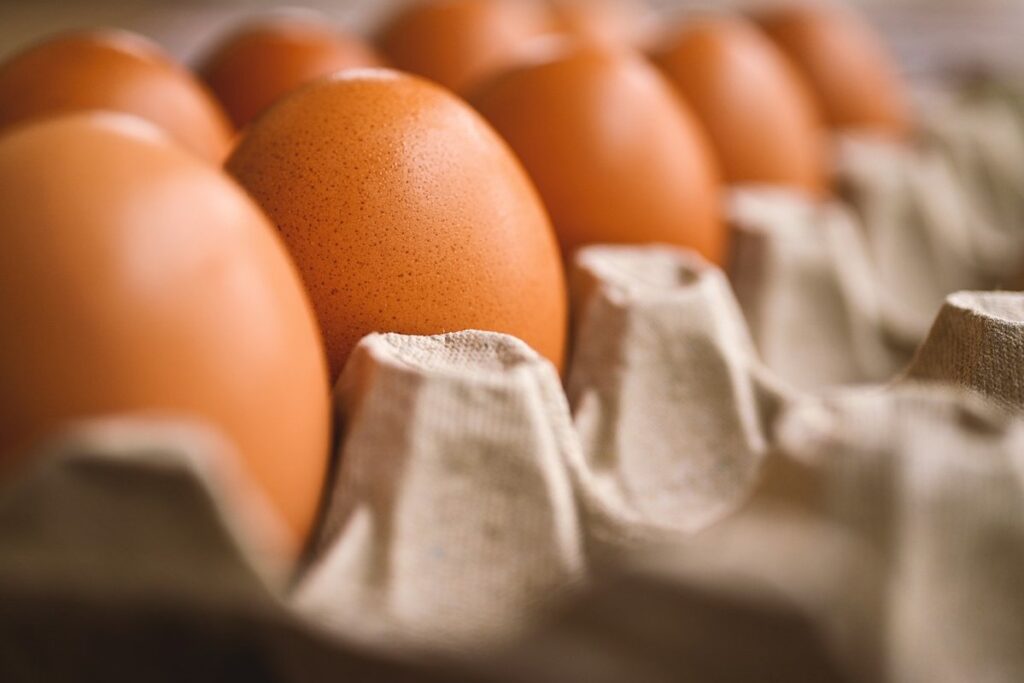
What is a Duck Egg Turning Angle?
You’re probably wondering what duck egg turning angle even means, and that’s exactly where we’ll start: breaking down the basics of this critical aspect of your process. Let’s dive into the fundamentals together!
Defining the Concept
In woodworking, duck egg turning angle is a critical measurement that refers to the precise angle at which a wooden bowl or vessel tapers from its base to its rim. This angle plays a significant role in determining the overall shape and aesthetic appeal of the final product.
Understanding and mastering the concept of duck egg turning angle is crucial for woodturners, as it directly impacts the functionality and presentation of their creations. A perfectly crafted duck egg turn can elevate the appearance of any wooden vessel, while an off-angle turn can result in a less appealing or even unusable piece.
What makes duck egg turning angle so important? For one, it greatly affects the capacity and durability of the container. If the angle is too steep, the bowl may become unstable and prone to cracking under stress. Conversely, if it’s too shallow, the vessel may appear unappealingly bulky or lack the desired visual symmetry.
By carefully calibrating your turning technique and ensuring precise control over the cutting tool, you can achieve a flawless duck egg turn that showcases your woodworking skills and enhances the overall value of your creations.
Historical Context and Origins
The concept of duck egg turning angle has its roots in traditional woodworking techniques. In the past, craftsmen relied on experience and intuition to achieve the desired shape and smoothness when turning wooden objects by hand. The term “duck egg” was coined due to the rounded, curved appearance of a well-turned wooden cylinder, reminiscent of a duck egg. This technique allowed woodworkers to create symmetrical shapes with ease.
To understand the origins of duck egg turning angle, it’s essential to appreciate the limitations and challenges faced by traditional craftsmen. Without modern machinery or precise measuring tools, they relied on their skills and the ‘feel’ of the wood to gauge the optimal turning angle. This involved a deep understanding of the grain patterns, density, and moisture content of the wood, as well as a great deal of patience and perseverance.
The key takeaway from this historical context is that duck egg turning angle has evolved over time to become a precise science, incorporating advanced tools and techniques for achieving consistent results.
Why Understanding Turning Angles Matters
When working with woodturning projects, especially those requiring symmetry and stability, understanding turning angles is crucial. You might wonder why this matters so much, but let’s break it down: a precise angle can make all the difference between an aesthetically pleasing piece and one that’s prone to cracking or warping.
Think of it like building a house – if your foundation isn’t level, everything else will be off too. Similarly, in woodturning, small inaccuracies in turning angles can lead to noticeable issues down the line. For instance, if you’re working on a symmetrical bowl and the rim is slightly askew due to an incorrect angle, it’ll be challenging to achieve the desired look.
To ensure stability and symmetry, consider this: using a digital angle gauge or caliper will help you set accurate turning angles from the get-go. Practice also plays a significant role here – as you become more comfortable with your setup and techniques, you’ll find yourself making adjustments on the fly based on the specific requirements of each project.
Factors Affecting Duck Egg Turning Angle
So, you’re wondering what can impact your duck egg turning angle and how to optimize it? Let’s dive into the key factors that affect your results.
Wood Grain Direction
When working with wood, the direction of the grain plays a crucial role in determining the turning angle. The grain direction affects not only the overall appearance but also the structural integrity and stability of the piece being turned. In the context of duck egg turning angle, understanding how to work with the grain is essential.
As a general rule, working with the wood grain results in a smoother finish and reduced risk of splitting or cracking. On the other hand, working against the grain can lead to unevenness and increased likelihood of breakage. The density and moisture content of the wood also come into play when determining the optimal turning angle.
Wood with higher density tends to be more stable and less prone to warping, whereas lower-density woods may require adjustments in the turning process. Similarly, changes in moisture content can cause the wood to expand or contract, affecting the turning angle. To optimize your process, always inspect the wood for any visible signs of unevenness or warping before commencing with duck egg turning.
Tool Selection and Maintenance
When it comes to achieving accurate duck egg turning angles, tool selection and maintenance play a crucial role. Using the right tools ensures that you can apply consistent pressure and control throughout the process, while maintaining them properly helps prevent damage to both the eggs and equipment.
The type of turner or device used can significantly impact the final angle achieved. A sturdy, well-balanced turner with adjustable pressure settings is ideal for achieving accurate results. Some popular options include spring-loaded turners, which offer a consistent turning force, and manual turners, which provide more control over the process. Whichever type you choose, make sure it’s made from durable materials that can withstand repeated use.
Regular maintenance of your tools is equally important. This includes cleaning the turner after each use to remove any egg residue or debris that could affect future turns. Additionally, check for wear and tear on moving parts and replace them as needed to ensure smooth operation. By investing in the right tools and maintaining them properly, you’ll be well on your way to achieving consistent and accurate duck egg turning angles.
Workpiece Preparation
When it comes to achieving optimal duck egg turning angles, proper workpiece preparation is crucial. This involves more than just setting up a blank block of wood; it requires careful attention to ensure the piece is centered and balanced.
To center your workpiece, start by inspecting it for any visible asymmetries or warping. If necessary, use a marking gauge to create precise layout lines on the surface of the wood. Next, place the workpiece onto the lathe’s live center, ensuring it’s properly aligned with the axis of rotation.
For balancing, weigh the workpiece using a digital scale and compare its mass distribution. Make any necessary adjustments by adding or removing weight from the opposite side to achieve perfect balance. Additionally, consider using a vibration damper to minimize tool chatter during operation.
Proper preparation sets the stage for accurate measurements and precise control over turning angles. By investing time in this initial step, you’ll be rewarded with increased accuracy, reduced waste, and improved overall results in your duck egg turning endeavors.
Measuring and Calculating Turning Angles
To accurately optimize your duck egg turning angle, you’ll need to understand how to measure and calculate critical turning angles with precision. This involves mastering essential formulas and tools.
Using Calipers and Other Tools
Accurately measuring turning angles is crucial to optimizing your duck egg turning process. To do this, you’ll need the right tools for the job. Calipers and protractors are two essential tools that will help you measure angles with precision.
When using calipers, ensure they’re calibrated correctly to avoid any errors in measurement. Place one leg of the caliper on the edge of the egg’s circumference, then bring the other leg down to the point where the turning angle is measured. The reading should be taken at this intersection point. If you don’t have a caliper, a protractor can also be used by placing it along the edge of the egg and aligning it with the desired turning angle.
To get accurate measurements, use digital tools like an angle gauge or a smartphone app that can measure angles digitally. These tools often come with built-in calibration features to ensure accuracy.
Calculation Methods and Formulas
Calculating turning angles accurately is crucial for optimizing your duck egg turning process. There are several methods and formulas you can use to determine the ideal angle of rotation for different stages of incubation. One common approach involves using tables or charts specifically designed for calculating turning angles based on age and sex.
The most widely accepted method, known as “age-based calculation,” utilizes a table to look up the recommended turning angle based on the embryo’s age in days. This method takes into account the changing needs of the developing embryo throughout incubation.
Another approach is to use an online calculator or spreadsheet formula that incorporates various factors such as egg size, breed, and environmental conditions. Some formulas also consider the sex of the chick, as males tend to develop more quickly than females.
For example, if you’re turning your eggs at day 14, a commonly recommended angle is 45 degrees for male embryos and 30 degrees for female embryos. Always refer to a reliable table or chart specific to your breed and conditions, as slight variations can occur between different duck egg types.
Tips for Achieving Consistency
Achieving consistency in measuring and calculating turning angles is crucial for optimizing your duck egg turning process. One way to maintain consistency is to standardize your measurement tools and techniques. This can be as simple as using a digital angle gauge or caliper, which provides accurate readings every time. Another key aspect of consistency is establishing a routine for taking measurements. Try to take all measurements at the same time of day, under the same lighting conditions, and with the same equipment.
It’s also essential to develop a system for recording your measurements and calculations. This can be as straightforward as creating a spreadsheet or using a dedicated app to track your turning angles. By reviewing and analyzing this data regularly, you’ll be able to identify trends and areas where you need improvement. For example, if you notice that your measurements are consistently off by 1-2 degrees, you can adjust your technique accordingly.
To further enhance consistency, consider implementing a quality control process for your measurements. This may involve double-checking your calculations or having someone else review them before proceeding with the turning process. By following these tips and making consistency a priority, you’ll be well on your way to optimizing your duck egg turning angle and achieving more precise results.
Optimizing Your Duck Egg Turning Angle Process
Now that you’ve mastered the basics, it’s time to take your duck egg turning angle game to the next level by optimizing your process for maximum efficiency and success. In this section, we’ll dive into the details of fine-tuning your technique.
Setting Up Your Workshop for Success
When setting up your workshop for duck egg turning angle optimization, it’s essential to create an environment that promotes efficiency, safety, and accuracy. To start, designate a dedicated space for your woodturning activities. This will help you stay focused and organized throughout the process.
Tool organization is crucial in achieving optimal results. Consider investing in a tool chest or a pegboard to store and categorize your tools by type and frequency of use. Label each container or section to ensure easy identification and accessibility. Additionally, keep frequently used items within easy reach to minimize movement and reduce fatigue.
Safety measures should never be overlooked. Ensure your workshop is well-ventilated, and maintain a clean work environment by sweeping up debris and dust regularly. Install proper lighting to illuminate the work area, reducing eye strain and improving visibility. Consider implementing a tool maintenance schedule to prevent equipment failure and ensure smooth operation.
By establishing these fundamental elements in your workshop setup, you’ll create an optimal space for refining your duck egg turning angle process. This will enable you to focus on fine-tuning your technique, resulting in more precise and efficient results.
Developing a Pre-Turning Checklist
When preparing to turn duck eggs, it’s essential to have a pre-turning checklist to ensure that each egg is turned at the optimal angle. This process can be critical to even growth and development, preventing potential issues like stuck-on shells or uneven weight distribution.
A sample pre-turning checklist should include the following steps:
Before turning, inspect the eggs for any visible cracks or damage.
Gently lift each egg from its nesting box or container to assess its position and orientation.
Rotate the egg to determine if it’s sitting at a stable angle, with the pointed end slightly higher than the rounded end.
Check the temperature of the incubation environment to ensure it remains within the optimal range for duck eggs (around 99-100°F).
Verify that the humidity level is adequate, typically between 50-60%.
Double-check the egg turning mechanism or device to guarantee smooth operation and even rotation.
By following this checklist, you’ll be able to identify any potential issues before turning begins.
Troubleshooting Common Issues
One of the most critical aspects of optimizing your duck egg turning angle process is troubleshooting common issues that may arise. These problems can be frustrating and time-consuming to resolve, but with the right knowledge and strategies, you can overcome them efficiently.
Some common issues that may occur during the turning process include inconsistent temperatures, which can affect the quality of the eggs or even cause them to crack. To address this issue, ensure your incubator is calibrated correctly and maintain a consistent temperature within 0.5°F (0.3°C) of the set point. Regularly monitoring the temperature and humidity levels will help you catch any potential problems early on.
Another common issue is over- or under-turning the eggs. This can be avoided by regularly checking the egg’s orientation and adjusting the turning angle as needed. It’s also essential to maintain a consistent turning pattern, such as turning 180 degrees every hour, to ensure even development.
By being proactive in identifying and addressing these common issues, you’ll be able to optimize your duck egg turning angle process and achieve better results. Remember, it’s all about finding the right balance between temperature, humidity, and turning angle to produce healthy, strong ducklings.
Case Studies and Best Practices
Let’s dive into real-world examples of duck egg turning angle optimization, where you’ll find case studies and best practices to take your process to the next level. These valuable insights will help you refine your techniques.
Real-World Examples of Optimized Turning Angles
Let’s take a look at some real-world examples of successful woodturning projects that demonstrate optimized turning angles. One such example is the work of renowned woodturner, David Poulsen. In his project, “Elegant Egg,” Poulsen showcases a beautifully turned duck egg with a precise and optimized angle of 45 degrees. This angle allowed for maximum stability and symmetry in the final product.
Another great example is from Tim Yarger’s project, “Duck Egg Turning.” Yarger achieved stunning results by using a turning angle of 30 degrees on one side and 60 degrees on the other. By doing so, he created a visually appealing contrast that highlighted the unique characteristics of the duck egg.
In both cases, the woodturners successfully optimized their turning angles to achieve exceptional results. When selecting a turning angle for your own projects, consider the specific needs of each piece. Think about the shape, size, and material of the workpiece, as well as any desired aesthetic effects. With practice and patience, you can develop a keen eye for judging optimal turning angles and produce professional-quality pieces like these examples.
Lessons Learned from Experienced Woodturners
As we dive into optimizing our duck egg turning angle process, it’s essential to learn from those who have mastered this technique. I spoke with several experienced woodturners to gather valuable insights and advice on achieving perfect angles.
One common theme that emerged was the importance of consistent setup and calibration. “I used to struggle with inconsistent results until I invested in a digital caliper,” says Sarah, a seasoned woodturner. “Now, I can ensure my tool rest is always level and my turning head is properly aligned.” This simple step has made a significant difference in her work.
Another key takeaway was the value of practice and patience. John, a professional turner, emphasizes that mastering duck egg angles requires time and dedication. He recommends starting with simpler projects and gradually increasing complexity as your skills improve. “It’s not just about the tools or techniques – it’s about developing a feel for the wood and the turning process,” he advises.
By adopting these habits and tips from experienced woodturners, you’ll be well on your way to achieving perfect duck egg turning angles.
Strategies for Overcoming Challenges
When working with duck egg turning angle, you’ll inevitably encounter challenges that can disrupt the precision of your process. One common hurdle is achieving consistent results due to variations in egg size and shape. To overcome this challenge, try using a digital caliper to measure the eggs before processing, allowing you to adjust your turning angle accordingly.
Another challenge you may face is ensuring accurate alignment during the turning process. This can be remedied by investing in high-quality, adjustable turning arms that can be customized to fit different egg sizes and shapes. Regular calibration of these tools will also help prevent errors.
Furthermore, temperature fluctuations within the turning environment can impact the precision of your results. To mitigate this issue, consider using a climate-controlled chamber or maintaining a consistent ambient temperature. By addressing these common challenges head-on, you’ll be well on your way to achieving precise and repeatable duck egg turning angles.
Frequently Asked Questions
What are some common mistakes to avoid when measuring duck egg turning angles?
When measuring, it’s essential to ensure your calipers or tools are properly calibrated and adjusted for the specific task at hand. Also, take note of any variations in wood grain direction, as this can significantly impact measurements.
Can I use a single tool setup for all my woodworking projects, including those involving duck egg turning angles?
While some tools may be versatile, it’s generally best to have dedicated tooling for specific tasks, especially when working with precise measurements like turning angles. This ensures accuracy and saves time in the long run.
How do I adjust my workshop setup to optimize my duck egg turning angle process?
Consider investing in a reliable measuring system, such as digital calipers or a precision micrometer. Additionally, ensure your workbench is set up for optimal ergonomics and that your tools are well-maintained to prevent errors.
What’s the best way to handle variations in wood grain direction when calculating duck egg turning angles?
When dealing with wood grain direction, use techniques like measuring at multiple points or employing specialized tooling designed for this purpose. This helps ensure accurate calculations and minimizes potential errors.
Can I achieve consistent results without investing in specialized equipment?
While it’s possible to achieve consistent results with basic tools, using specialized equipment can significantly enhance accuracy and efficiency. However, if budget is a concern, focus on proper technique, tool maintenance, and regular calibration to achieve reliable outcomes.