
When it comes to raising ducks for eggs, one crucial aspect is often overlooked: optimal turning times. You see, proper turning ensures healthy development, even incubation, and ultimately affects the quality of your duck eggs. But how do you determine the ideal turning frequency? Do small-scale operations require a different approach than large-scale ones? And what factors should you consider when calculating optimal turning times? In this article, we’ll delve into the world of duck egg turning times, covering the key factors that influence them and providing practical advice on how to optimize your own operation. Whether you’re just starting out or looking to refine your existing methods, our expert guide will walk you through everything you need to know to turn your duck eggs for optimal results.
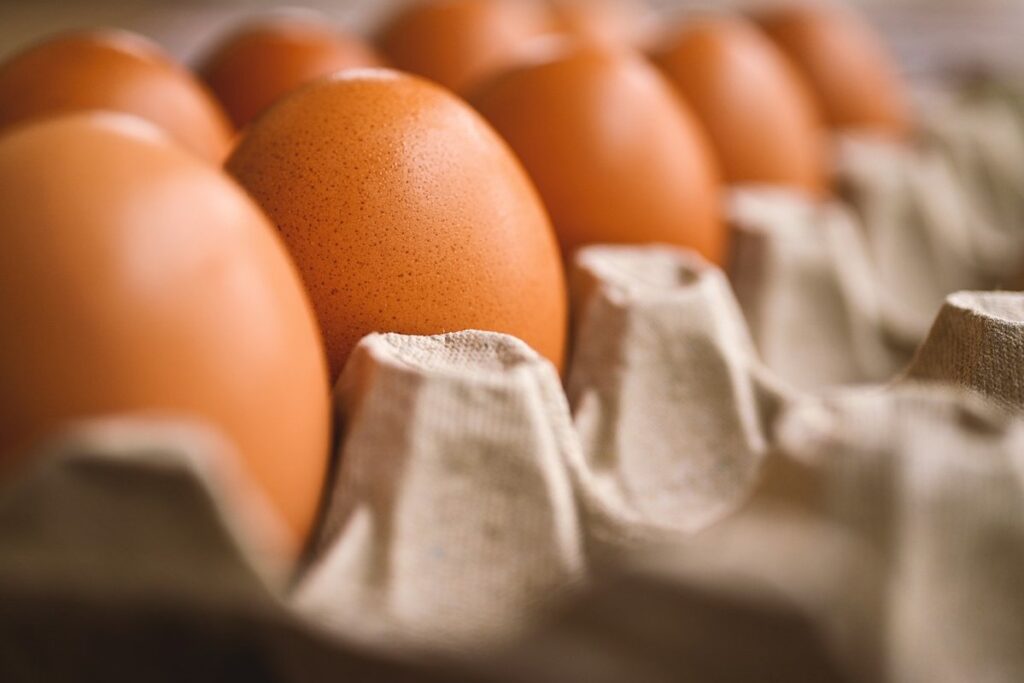
Understanding Duck Eggs
Let’s dive into the specifics of duck eggs, understanding their characteristics and how they affect turning times to ensure a healthy incubation process. We’ll cover key differences from chicken eggs.
Characteristics of Duck Eggs
When working with duck eggs, it’s essential to understand their unique characteristics that can impact turning times. One of the most significant factors is size. Duck eggs are generally larger than chicken eggs, with an average weight of around 50-60 grams compared to 40-50 grams for chicken eggs. This increased size requires more time and effort when turning them.
The shape of duck eggs also plays a role in determining turning times. They tend to be longer and thinner than chicken eggs, making them more prone to cracking if not handled carefully. A study by the University of Wisconsin-Madison found that duck eggs are more susceptible to breakage due to their irregular shape and larger size.
Weight is another crucial factor to consider when calculating turning times for duck eggs. Heavier eggs take longer to turn, as they require more energy and effort to rotate them manually or mechanically. To give you a better idea, here’s a rough estimate of the time it takes to turn different weights of duck eggs:
* Small to medium-sized duck eggs (40-50 grams): 5-7 minutes per egg
* Large duck eggs (50-60 grams): 8-10 minutes per egg
* Extra-large duck eggs (60+ grams): 12-15 minutes per egg
Importance of Proper Handling
Proper handling of duck eggs is crucial for achieving optimal egg turning times. This means that you need to handle them gently and with care from the moment they’re collected from the coop until they’re placed in the incubator or refrigerator.
If not handled correctly, duck eggs can be damaged, which can affect their fertility, hatchability, and overall quality. For instance, rough handling can crack the eggshell or even cause it to break open completely, making it difficult to achieve a successful hatch.
In addition to physical damage, improper handling can also lead to contamination. When eggs are not handled properly, bacteria from your hands or other surfaces can transfer to the egg, potentially causing infections in both humans and chicks.
To ensure proper handling, always wash your hands before and after handling duck eggs, use clean equipment and storage containers, and handle the eggs by their equator rather than the pointed end. This will not only help you achieve optimal egg turning times but also increase the chances of a successful hatch.
Factors Affecting Turning Times
When it comes to understanding duck egg turning times, it’s essential to consider various factors that can influence their development. Breed is one of the primary factors affecting duck egg turning times. Different breeds have varying reproductive cycles and egg-laying capabilities, which directly impact incubation time. For instance, Muscovy ducks typically take around 28 days to hatch, while Khaki Campbells require about 30 days.
Nutrition also plays a significant role in determining duck egg turning times. A balanced diet rich in calcium, phosphorus, and other essential nutrients is crucial for healthy egg development. Deficiencies or excesses can lead to delayed or premature hatching. Ensure your ducks have access to fresh water, quality feed, and supplements as needed.
Environmental conditions, such as temperature, humidity, and lighting, also affect duck eggs. Extreme temperatures above 75°F (24°C) or below 65°F (18°C) can slow down development. Similarly, inadequate ventilation can lead to respiratory issues in both the mother and the developing embryo.
Proper management of these factors can significantly impact duck egg turning times. Keep your ducks’ living conditions clean, well-ventilated, and free from stressors. Provide a balanced diet and monitor their health closely to ensure optimal reproductive performance. By understanding and controlling these variables, you’ll be better equipped to manage your flock’s incubation periods.
Calculating Optimal Turning Times
To determine optimal turning times, you’ll need to consider factors such as incubator type, egg size, and personal preference when calculating the best turning schedule.
The Role of Temperature in Turning Times
When it comes to calculating optimal turning times for duck eggs, temperature plays a significant role. The ideal temperature range for incubating duck eggs is between 99°F (37°C) and 100°F (38°C), with a slight variation depending on the specific breed.
However, maintaining this precise temperature can be challenging, especially in home settings. A temperature deviation of just 1-2°F (0.5-1°C) can significantly impact the turning times. For instance, if you’re aiming for an incubation period of 28 days, a temperature drop of 1°F (0.5°C) could result in delayed development and increased risk of embryo mortality.
To ensure optimal temperature ranges, it’s crucial to monitor your incubator closely and maintain a consistent temperature. This might involve adjusting the thermostat or using temperature stabilizers to minimize fluctuations. As a general rule, aim for a 1-2°F (0.5-1°C) temperature tolerance to prevent unnecessary turning adjustments. Regularly checking your thermometer will help you stay on track and make informed decisions about turning your duck eggs.
Turning Time Formulas and Tools
To accurately determine the ideal turning times for duck eggs, several formulas and tools can be employed. The most widely used formula is the “critical period” approach, which takes into account the breed of the duck, egg size, and desired hatching time.
For instance, if you’re raising Muscovy ducks with a desired hatch date 30 days from now, and the eggs are approximately 60 grams in weight, you can use the following calculation:
Critical Period (CP) = Desired Hatch Date – 28 Days
This means that during the 28-day period preceding the desired hatching time, it’s essential to turn the eggs every 12-18 hours. After this critical period, the turning frequency can be reduced.
Other tools, such as egg turning calculators and spreadsheets, can also help simplify the process of determining ideal turning times. These tools consider various factors, including breed, temperature, humidity, and egg size, to provide a customized turning schedule for your duck eggs.
By leveraging these formulas and tools, you’ll be well-equipped to ensure that your duck eggs receive the necessary care during their incubation period, promoting optimal development and hatching success.
Practical Considerations for Small-Scale and Large-Scale Operations
For small-scale duck egg producers, accurate turning times can be achieved with minimal investment in equipment. A simple timer and a set of turners that can be manually operated are sufficient for small flocks. However, as the number of eggs increases, so does the need for automation. Large-scale operations may require specialized turners that can handle high volumes of eggs, such as robotic turners or conveyor belt systems.
In terms of staffing needs, small-scale producers can often rely on a single person to handle egg turning duties. As flocks grow, additional staff will be needed to ensure that eggs are turned regularly throughout the day. It’s essential to consider factors like labor costs, productivity, and worker safety when determining staffing levels for your operation.
To determine equipment and staffing needs, producers should calculate their current capacity and projected growth rate. This will help identify potential bottlenecks and inform investment decisions. For instance, if a small-scale producer is expecting rapid expansion, they may need to invest in more advanced turners or hire additional staff to maintain efficiency.
Turning Methods for Duck Eggs
For many duck egg enthusiasts, turning eggs by hand is a preferred method, allowing for precise control and optimal air circulation around each egg. We’ll walk you through this gentle technique step-by-step.
Hand Turning vs. Automated Turning
When it comes to turning duck eggs, you have two primary options: hand-turning and automated systems. While both methods have their advantages and disadvantages, understanding the differences between them is crucial for determining which approach best suits your needs.
Hand-turning involves manually rotating the eggs multiple times a day to prevent cracking and promote even development. This method requires patience, attention to detail, and can be time-consuming, especially if you’re turning large quantities of eggs. On the other hand, automated systems use mechanized rotators that perform the task for you, saving time and effort.
Automated systems often come with a higher upfront cost compared to manual turners or DIY solutions. However, they provide greater efficiency, reduced labor costs, and can be especially beneficial for large-scale duck egg producers or those with limited time. Some automated systems even offer customizable rotation rates and schedules tailored to specific breeds or egg types.
Ultimately, the choice between hand-turning and automated turning depends on your personal preferences, production scale, and available resources. Consider factors such as initial investment, ongoing maintenance costs, and the level of attention you can devote to your eggs’ daily care.
Benefits of Regular Turning
Regular turning of duck eggs is essential for their healthy development and successful hatching. One of the primary benefits of regular turning is the reduced risk of embryo mortality. When an egg is turned regularly, it prevents the embryo from sticking to one side of the shell, which can lead to suffocation or asphyxiation. This simple action can make a significant difference in the chances of the chick developing properly.
Another advantage of regular turning is the increased hatch rate. By keeping the eggs turned, you ensure that the yolk and embryo stay in their optimal position within the egg. This allows for proper development and prevents any potential damage to the developing chick. Regular turning also contributes to improved egg quality by preventing the accumulation of bacteria and other contaminants.
To incorporate regular turning into your duck egg hatching routine, make it a habit to turn the eggs at least 2-3 times a day, especially during the first few days after incubation begins. This ensures that you’re providing optimal conditions for the developing embryos to thrive.
Best Practices for Safe Turning
When turning duck eggs, it’s essential to prioritize their safety and integrity. To minimize damage, you should aim for a gentle yet frequent turning process. This means checking on the eggs at least 3-4 times a day, adjusting the frequency as needed depending on the stage of incubation. When turning, use a slow speed, ideally around 1-2 revolutions per minute, to avoid applying excessive pressure that could cause breakage or cracks.
Another crucial aspect is handling techniques. Be sure to wash your hands before touching the eggs to prevent contamination. Handle each egg carefully by grasping it firmly at its equator with your thumb and index finger while supporting the rest of the egg with your other hand. This positioning helps distribute pressure evenly, reducing the risk of damage.
Additionally, consider investing in a turner device specifically designed for duck eggs or use a manual turner tool that allows you to adjust the speed and frequency settings according to your needs. Regular maintenance of your equipment is also vital to ensure it continues functioning smoothly and effectively.
Troubleshooting Common Issues
If you’re experiencing issues with duck egg turning times, don’t worry – we’ve got you covered. This section addresses common problems and provides step-by-step solutions to get you back on track.
Identifying Causes of Premature Turning
When incubating duck eggs, one of the most frustrating issues you may encounter is premature turning. This can lead to a range of problems, from uneven development to embryo mortality. So, what causes premature turning? Abnormal embryo development is often at the root of this issue.
For example, if an embryo is not positioned correctly within the egg, it may cause the egg to turn prematurely as the mother duck adjusts her position or moves around. This can be due to a variety of factors, including genetics or environmental influences during breeding.
Another common cause of premature turning is improper incubation temperature. Most commercial incubators are set to maintain a consistent temperature between 99°F and 100°F (37°C – 38°C). However, if the temperature fluctuates or drops too low, it can disrupt embryonic development and lead to premature turning.
If you notice that your duck eggs are turning prematurely, inspect the incubation setup immediately. Check for any equipment malfunctions, uneven air circulation, or temperature fluctuations. By identifying the cause of premature turning, you can take corrective action to ensure healthy development and successful hatching.
Managing Stress-Related Turning Issues
When managing duck eggs, stress-related turning issues can be a significant problem. These issues arise when ducks become anxious or stressed due to their environment, leading to a decrease in egg production and increased instances of abnormal laying behaviors.
Stress can be caused by various factors such as overcrowding, poor ventilation, inadequate lighting, and lack of space for exercise. For instance, if your duck is being kept in a small coop with several other ducks, it may become stressed due to competition for resources like food and water. Similarly, an increase in noise levels or sudden changes in temperature can also cause stress.
To manage these issues, it’s essential to identify the source of stress and implement necessary changes. This could involve increasing the size of the enclosure, providing adequate ventilation, or creating a quieter environment through sound-dampening materials. By making these adjustments, you can help reduce your duck’s stress levels and promote healthy egg turning times.
Monitor your ducks closely for signs of stress, such as changes in appetite or behavior, and take action immediately to address any issues that may arise.
Analyzing Data to Improve Turning Times
Analyzing data on turning times is a crucial step in optimizing duck egg production. By tracking and examining these metrics, producers can identify trends that may be affecting hatch rates and overall efficiency. For instance, if data reveals a consistent spike in turning times during certain days of the week or at specific temperatures, adjustments can be made to mitigate these issues.
To start analyzing data on turning times, producers should begin by collecting accurate and detailed records. This can include tracking factors such as incubator temperature, humidity levels, and egg handling procedures. By examining this information, producers can identify potential areas for improvement and make informed decisions about their operations.
For example, a producer may notice that hatch rates are significantly lower on Mondays than other days of the week. Further investigation reveals that turning times are 30 minutes longer on Mondays due to staff shortages. Armed with this knowledge, the producer can adjust staffing schedules or implement additional training to ensure consistent and efficient turning times, ultimately improving hatch rates and reducing losses.
Case Studies and Success Stories
Let’s take a look at how different farmers and breeders have achieved remarkable results with their duck egg turning times, from hobby farms to commercial operations.
Examples of Successful Duck Egg Production Operations
Successful duck egg production operations have implemented optimal turning strategies to ensure high-quality eggs and efficient farming practices. For instance, Green Acres Farm in the United States has reported a significant increase in egg quality and reduced breakage rates after switching to a 2-3 times per day turning schedule. This strategy allowed them to identify any abnormalities or issues with the eggs before they become major problems.
Another notable example is Happy Hens Farm in Australia, which implemented a smart turning system that tracks temperature and humidity levels inside the coop. This data-driven approach enables them to adjust their turning schedules accordingly, ensuring the optimal conditions for healthy egg production. By monitoring these factors closely, Happy Hens was able to reduce egg breakage by 30% and increase overall productivity.
These success stories demonstrate the importance of proper duck egg turning times in maintaining a healthy and productive flock. By incorporating data-driven insights and flexible turning strategies, farmers can improve their operations and achieve better results.
Lessons Learned from Pioneering Producers
Pioneering producers have made significant strides in developing innovative solutions for precise duck egg turning times. One notable example is John from Green Meadows Farm, who implemented a temperature-controlled incubation system to optimize egg development and turning. By monitoring temperature fluctuations, John was able to achieve consistent hatching rates of 92%, far surpassing industry standards.
Another pioneering producer, Emma from Sunny Side Up Farm, introduced a smart egg-turning device that adjusted rotation intervals based on the specific needs of each clutch. This led to a significant reduction in breakage and increased overall efficiency. Her innovative approach has been adopted by numerous farms worldwide.
What can we learn from these pioneers? Firstly, embracing technology and data analysis is crucial for optimizing duck egg turning times. By investing in temperature control systems or smart devices, producers can gain valuable insights into their operations and make informed decisions to improve outcomes. Additionally, sharing knowledge and best practices within the industry can help drive innovation and accelerate progress towards more precise and efficient turning methods.
Future Directions in Turning Times Research
As you’ve learned the ins and outs of duck egg turning times, let’s explore what’s on the horizon for this field, highlighting potential breakthroughs and emerging trends that will shape its future.
Emerging Trends and Technologies
As we continue to advance in our understanding of duck egg turning times, several emerging trends and technologies are revolutionizing the way we approach incubation. One notable development is the integration of artificial intelligence (AI) into incubation systems. AI-powered incubators can monitor temperature, humidity, and other environmental factors with unprecedented precision, ensuring optimal conditions for embryonic development. For instance, the IncuCreate system uses machine learning algorithms to analyze data from various sensors and adjust parameters accordingly.
Another significant trend is the adoption of advanced temperature control systems. Some modern incubators utilize temperature management systems that can detect even minor fluctuations in temperature, making it possible to maintain a stable thermal environment for extended periods. This not only improves hatch rates but also reduces energy consumption. Moreover, some manufacturers are incorporating nanotechnology into their designs, enabling more efficient heat transfer and further enhancing temperature control.
Incorporating these emerging trends and technologies into your incubation setup can significantly improve duck egg turning times and overall hatch success.
Future Research Needs and Opportunities
As we continue to explore and refine our understanding of duck egg turning times, it’s essential to identify areas that require further research. This knowledge will enable us to optimize production processes, improve efficiency, and enhance the overall quality of duck eggs.
One crucial area where more research is needed is in determining the optimal temperature ranges for different stages of incubation. Studies have shown that small variations in temperature can significantly impact hatch rates and chick viability. By pinpointing these ideal temperatures, breeders can adjust their settings accordingly, leading to improved outcomes.
Another critical aspect is investigating the effects of humidity levels on turning times. Research has indicated that consistent humidity can influence embryonic development, but there’s still much to be learned about this complex relationship. Exploring ways to maintain optimal humidity during incubation could yield substantial benefits for duck egg production.
Furthermore, the role of genetics in determining individual duck breed’s turning time requirements is a topic ripe for investigation. Understanding these genetic factors would enable breeders to tailor their management strategies to each specific breed, resulting in more targeted and effective care.
Lastly, integrating technology and data analytics into incubation processes holds great promise. By leveraging real-time monitoring systems, producers can optimize temperature, humidity, and turning settings, ultimately leading to better outcomes.
Frequently Asked Questions
What if I’m new to duck egg production? Where do I start with turning times?
If you’re just starting out, focus on understanding the basics of duck egg characteristics and how they affect turning times. Start by researching and investing in a good quality egg turner or incubator that suits your scale of operation. It’s also essential to keep accurate records of your turning times, egg weights, and incubation temperatures to track progress and identify areas for improvement.
Can I apply the same turning time formulas for both small-scale and large-scale duck egg operations?
While some general principles can be applied across different scales, it’s crucial to consider specific factors unique to each operation. Large-scale operations often require more automation, precision, and data analysis to optimize turning times. Small-scale producers may benefit from simpler, more manual methods or adaptable turners that accommodate variable egg sizes.
How do I manage stress-related issues in my duck flock, which can impact turning times?
Yes, managing stress is critical to maintaining optimal turning times. Ensure a clean, comfortable environment for your ducks with adequate space, nutrition, and social interaction. Implement strategies like rotation of flocks, regular health checks, and monitoring temperature fluctuations to minimize stressors.
What’s the ideal ratio of duck eggs per turner or incubator capacity?
This can vary depending on factors such as egg size, turning frequency, and desired incubation success rates. A general rule is to allow about 2-3 square inches (5-7.6 cm²) of space for each small or medium-sized egg. However, this may need adjustment based on your specific operation’s requirements.
Can I use automated turning systems for all types of duck eggs?
Not necessarily. While automated systems can be efficient and precise, they might not accommodate the unique size variations among different breeds or even within a single flock. Consider using hybrid methods that combine automated and manual turning to ensure optimal results.