
Duck eggs are a delight to work with, but they can be finicky when it comes to turning. To achieve professional-looking results, you need to know the right techniques and take certain precautions. With their thicker shells and denser whites, duck eggs require special handling to avoid cracks and imperfections.
In this article, we’ll share essential tips for turning duck eggs, from selecting fresh eggs with well-developed embryos to mastering advanced designs and patterns. We’ll also cover safety precautions to ensure a smooth and enjoyable experience. Whether you’re a seasoned crafter or just starting out, our expert advice will help you get started on your next project. By following these techniques and taking the right approach, you can create beautiful and intricate duck egg turns that showcase your skills and add a personal touch to any room.
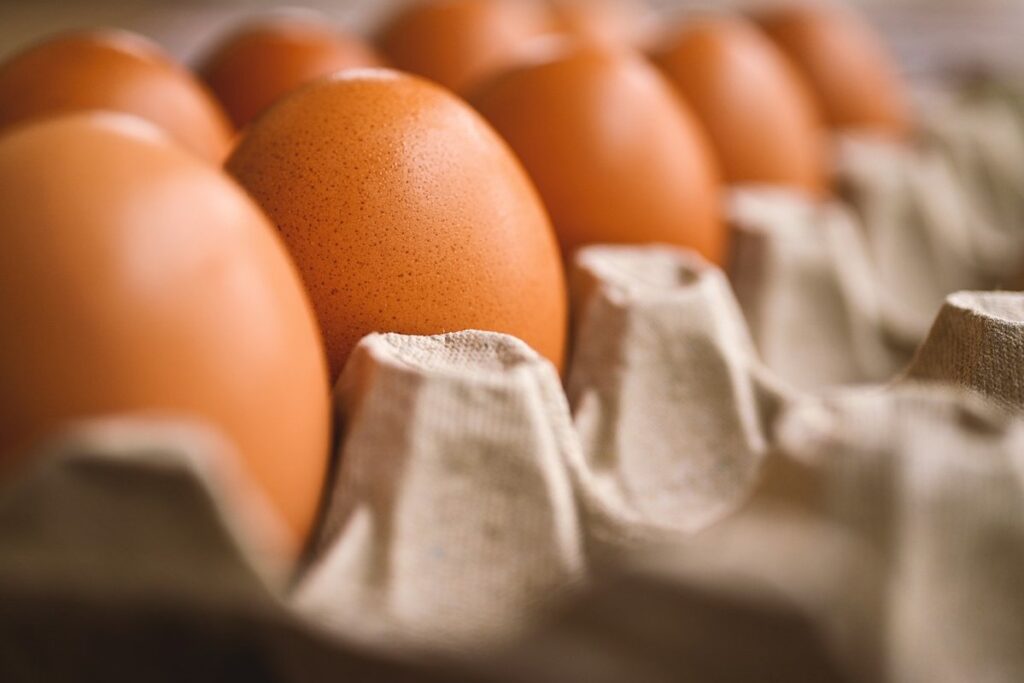
Choosing the Right Eggs
When it comes to mastering duck egg turning, selecting the right eggs is crucial for achieving consistent results and avoiding costly mistakes along the way. In this next step, we’ll cover the factors to consider when choosing your eggs.
Selecting Fresh Eggs
When it comes to duck egg turning, using fresh eggs is crucial. Fresh eggs are essential for achieving perfect whites and yolks, which are critical components of a well-turned egg. If you’re unsure whether an egg is still good to use, there are several ways to inspect it.
Start by visually checking the egg for any cracks or damage on the shell. Check the weight too – a fresh egg will be slightly heavier than a stale one due to its higher moisture content. Fresh eggs should also have a firm, smooth texture under the fingers when turned over, while older eggs may feel lighter and softer.
Proper storage can help extend the freshness of your duck eggs. Store them in a cool, dry place or in the refrigerator at a consistent temperature below 40°F (4°C). Keep them pointed end down to prevent moisture from seeping inside through the large end. With these simple checks and proper storage practices, you’ll be able to identify fresh eggs for turning and get the best results possible.
Egg Size and Shape Considerations
When it comes to duck egg turning, choosing the right size of egg is crucial for achieving the desired shape and minimizing cracks. Larger eggs require more vigorous turning to prevent them from becoming misshapen or developing cracks on their wide ends.
Smaller eggs, on the other hand, are generally easier to turn and can be used to create intricate designs. However, they may not provide enough surface area to achieve a clear pattern or design. Consider using a smaller egg if you’re new to duck egg turning, as it will allow you to practice techniques without the risk of large-scale failure.
Some specialty eggs, such as ostrich or emu eggs, can be used for unique and dramatic designs due to their larger size. However, they also require more patience and attention during the turning process to avoid cracking.
When selecting an egg, remember that its shape is just as important as its size. A symmetrical egg will yield a more uniform pattern than one with a notable curvature or asymmetry.
Preparing the Eggs for Turning
Now that you’ve carefully selected your duck eggs, let’s discuss how to prepare them perfectly for turning by gently rinsing and drying them thoroughly. This simple step ensures a smooth process from start to finish.
Cleaning and Sanitizing
Before you start turning those beautiful duck eggs, it’s essential to give them a good cleaning and sanitizing. This step may seem trivial, but trust me, it makes all the difference in the quality of your final product.
First, collect your eggs from the incubator or nesting box and gently transfer them to a clean container filled with warm water (around 90°F/32°C). Soak the eggs for about 10-15 minutes to loosen any dirt or debris. Be gentle, as you don’t want to crack those precious eggs.
After soaking, remove the eggs from the water and scrub them with a soft-bristled brush to gently remove any remaining dirt or bacteria. Rinse the eggs under cool running water to remove any soap residue. Then, submerge them in a sanitizing solution (1 tablespoon unscented chlorine bleach per quart of water) for 10-15 minutes to kill any bacteria.
Remember, maintaining a clean environment is crucial when working with duck eggs. Make sure your workspace, equipment, and hands are all clean before handling the eggs. This will prevent cross-contamination and ensure a healthy start for your turning process.
Drying and Cracking
Drying the eggshell thoroughly is crucial before turning it to prevent water spots and uneven drying. To dry the egg, gently wipe the shell with a clean towel, paying extra attention to the pointed end where moisture tends to collect. You can also use a soft-bristled brush or a cotton swab to remove any excess moisture.
For cracking the eggshell, you’ll want to use a gentle yet firm motion. Hold the eggshell between your thumb and index finger, with the pointed end facing up. Use your other hand to apply gentle pressure on the shell, starting at the wider end and working your way down towards the pointed end. This technique helps prevent the shell from cracking unevenly or shattering into pieces.
It’s essential to remove any imperfections or damage that may affect the turning process. Check for any weak spots, such as cracks or rough edges, and carefully smooth them out with a fine-grit sandpaper. This will ensure that your duck egg turns smoothly and evenly.
Basic Turning Techniques
Now that you’ve got the basics down, let’s dive into some fundamental turning techniques that will help you achieve a beautiful duck egg finish every time. You’ll master the art of smooth turning in no time!
Hand-Turning vs. Machine-Assisted Turning
When it comes to mastering duck egg turning, understanding the differences between hand-turning and machine-assisted turning is crucial. Both methods have their own set of benefits and drawbacks that you should consider before starting a project.
Hand-turning involves using a lathe by hand, where you control every detail of the process, from roughing out the shape to fine-tuning the finish. This method allows for complete creative control and can be more cost-effective in the long run. However, it requires significant skill and patience, as even small mistakes can be difficult to correct.
On the other hand, machine-assisted turning uses a combination of manual and automated processes to achieve precise results. While this method saves time and effort, it may limit your creative control and require a higher upfront investment in equipment.
In general, hand-turning is ideal for smaller projects or intricate details that demand precision. Machine-assisted turning, however, is better suited for larger projects where speed and efficiency are key. As a beginner, you may want to start with machine-assisted turning to gain experience and then transition to hand-turning as your skills improve.
Creating Symmetry and Balance
Achieving symmetry and balance is crucial when turning duck eggs to create visually appealing patterns and designs. To start, focus on centering the egg as evenly as possible on the lathe headstock. This will provide a stable foundation for your design.
Use a combination of measurement techniques, such as calipers or a digital caliper, to ensure that the egg is centered and balanced. For more intricate designs, consider using a compass or other specialized tools to create symmetrical patterns. Practice with simple projects first, like turning a plain cylinder or sphere, before moving on to more complex designs.
When creating visually appealing patterns, consider the concept of radial symmetry. This involves dividing the egg into equal sections and creating identical patterns in each one. You can achieve this using various techniques, such as using a drill press attachment or a specialized tool for creating intricate details. Experiment with different patterns and techniques to develop your skills and create unique designs that showcase your creativity.
Advanced Techniques and Designs
As you become more confident in your duck egg turning skills, it’s time to take your creations to the next level by mastering advanced techniques and intricate designs. We’ll walk you through these expert-level methods.
Intricate Patterns and Designs
As you become more comfortable with the basics of duck egg turning, it’s time to take your skills to the next level by experimenting with intricate patterns and designs. This is where the true artistry of turning comes into play.
To create ornate bands or delicate filigree, you’ll need to develop a keen sense of balance and symmetry. Start by selecting a design that resonates with you, whether it’s a classic floral pattern or a modern geometric shape. Study the design and visualize how it can be broken down into manageable parts. For example, if working on an ornate band, divide the project into smaller sections and focus on creating one intricate detail at a time.
To achieve complex patterns, use various techniques such as layering, texture, and color manipulation. Experiment with different tooling methods to create subtle variations in design elements. Practice makes perfect, so don’t be discouraged if your early attempts don’t yield the desired results – keep pushing yourself to refine your skills, and you’ll soon be creating stunning patterns that will elevate your duck egg turning projects to new heights.
Using a combination of hand tools and turner’s wheels, create unique textures by manipulating the surface of the wood. For instance, use a gouge to carve out delicate patterns or a skew to create intricate details. Apply subtle color variations using natural dyes or stains to bring your designs to life.
Working with Different Materials
Working with different materials can elevate your duck egg turning creations to new heights. Let’s explore some popular options: wood, shell, and metal accents.
Wood is a natural choice for incorporating into your designs. You can use thin slices of wood to create intricate patterns or add small wooden details like buttons or tiny figurines. When working with wood, keep in mind that it may shrink during the turning process, so make sure to apply a finish or sealant to minimize movement.
Shell accents are another option for adding visual interest to your duck eggs. You can use real seashells, shell fragments, or even create shell-inspired patterns using ceramic or metal techniques. Be mindful of the shell’s texture and weight when embedding it into the egg, as this may affect the overall balance and stability of the piece.
Metal accents like small charms, beads, or tiny figurines can add a sophisticated touch to your duck eggs. When working with metal, ensure you have a suitable adhesive and follow proper safety precautions to avoid injury.
Tips for Successful Turning Projects
Now that you’ve got the basics of duck egg turning down, let’s dive into some valuable tips to help you achieve consistent and beautiful results.
Troubleshooting Common Issues
When working with duck eggs, it’s not uncommon to encounter issues during the turning process. One of the most frustrating problems is splitting or cracking, which can lead to a ruined project and wasted time.
To prevent cracking, make sure to turn your project at the right moment – when the egg white is fully set but still slightly jiggly in the center. If you’ve already started turning and notice signs of cracking, try gently manipulating the material back into place using a small tool or even a toothpick.
Another issue beginners may face is unevenness. To achieve smooth, even turns, it’s essential to use a steady hand and maintain consistent pressure on the lathe. You can also experiment with different cutting tools or techniques to find what works best for you.
If your project develops unevenness despite your best efforts, consider revising the design to accommodate the imperfections or try re-turning the piece altogether.
Keep in mind that experience is key when it comes to mastering duck egg turning, and even seasoned craftsmen encounter setbacks from time to time. The important thing is to stay calm, analyze what went wrong, and adjust your approach for future projects.
Safety Precautions and Best Practices
When working with sharp tools and fragile materials like duck eggs, it’s essential to prioritize your safety. A safe workspace can prevent accidents and injuries, allowing you to focus on mastering the art of turning.
To maintain a safe workspace, ensure that your work area is well-ventilated and free from clutter. Keep your turner and other equipment away from children and pets to avoid any potential hazards. Always handle sharp tools with care, keeping your fingers curled under and out of the way of spinning blades.
Wear protective gear such as safety glasses and a dust mask when necessary, especially when working with materials that produce fine particles or debris.
When handling duck eggs, be gentle to avoid breaking them, but also keep in mind that even small cracks can compromise the integrity of the piece. Always inspect your workpieces before turning to ensure they are stable and secure.
Additionally, consider investing in a push stick or other safety device to help prevent accidents when working with small or delicate pieces.
Showcasing Your Masterpiece
Now that you’ve turned your duck egg into a beautiful piece of art, it’s time to show it off and share your masterpiece with others in its best light. This is where showcasing truly matters.
Displaying and Preserving Finished Pieces
When you’ve finally completed a beautiful duck egg turning project, it’s essential to showcase and preserve your masterpiece for years to come. Displaying your work can be just as important as creating it, and there are several ways to do so.
Presentation is key when displaying your turned duck eggs. Consider arranging them in a decorative bowl or dish to create a visually appealing display. You could also group similar pieces together or pair them with complementary items like branches or pebbles. For a more dramatic effect, hang your finished pieces on the wall using picture frames or shadow boxes.
Storage is another crucial aspect of preserving your duck egg creations. To prevent damage and maintain their beauty, store them in a cool, dry place away from direct sunlight. You can use acid-free tissue paper to separate each piece and keep them organized in a designated container or cabinet.
To protect your turned duck eggs from fading and degradation over time, consider applying a clear coat of varnish or polyurethane. This will help shield the surface from dust and moisture while maintaining their natural beauty.
Sharing Your Creations with Others
Once you’ve perfected your turned duck egg, it’s time to share it with others. This is an exciting milestone, and there are several ways to do so. One of the most thrilling experiences for beginners is entering competitions specifically designed for woodturners. These events not only provide a platform to showcase your skills but also offer valuable feedback from experienced judges.
Another way to share your creations is through online marketplaces or in-person sales. You can sell your turned duck eggs on platforms like Etsy, eBay, or social media groups dedicated to woodworking enthusiasts. When selling online, make sure to include high-quality photos and detailed descriptions of the pieces, including materials used, dimensions, and any unique features.
Local craft fairs are also an excellent way to connect with potential buyers in person. These events allow you to showcase your work in a more tactile setting, where people can see and touch your creations firsthand. Consider participating in local woodworking clubs or organizations that often host such events.
Frequently Asked Questions
What’s the best way to store duck eggs for turning, considering their fragile nature?
To minimize damage, store fresh duck eggs in a cool, dry place with the large end facing down. This helps prevent moisture from entering through the air cell and reduces the risk of breakage. Avoid storing them near direct sunlight or in areas prone to temperature fluctuations.
How do I handle cracks that appear during turning, especially when working with thin-walled designs?
If a crack appears during turning, carefully stop the process and assess the extent of the damage. For minor cracks, try to reinforce the area by applying gentle pressure with a soft cloth. If the crack is significant, consider starting over or using an alternative design that accommodates potential breakage.
Can I use machine-assisted turning for intricate patterns and designs, or do I need hand-turning skills?
Both methods have their advantages and disadvantages. Machine-assisted turning can help achieve intricate designs more efficiently but may not allow for the same level of precision as hand-turning. Master both techniques to expand your creative possibilities and adjust them according to your project’s specific needs.
How long should I dry a turned duck egg before applying a finish, considering its unique shell composition?
Drying time depends on several factors including ambient temperature, humidity levels, and the depth of the design. Generally, it takes anywhere from 24 hours to several weeks for a turned duck egg to completely dry. Apply a test finish after 3-5 days to gauge drying progress and adjust your application schedule accordingly.
Can I reuse or repurpose failed projects, or should I start over?
While failed projects can be disappointing, they also offer valuable learning opportunities. If the failure was due to technique issues or incorrect material choices, consider reusing the egg for a different project or repurposing it in a more creative way. This approach helps reduce waste and develops your resourcefulness as a crafter.