
When it comes to raising ducks, accurately determining their sex is crucial for breeding programs, reproductive health, and overall management. However, sexing young ducks can be challenging, especially if you’re new to duck keeping. That’s where duck feather sexing techniques come in – a vital skill for any serious duck breeder or enthusiast. By mastering these methods, you’ll be able to identify the sex of your ducks at hatching and throughout their lives, ensuring that your breeding program is on track. In this article, we’ll delve into the world of duck sexing, covering effective methods for determining sex at different stages, physical characteristics to look out for, and best practices for accurate classification and optimal reproductive health in your flock. Whether you’re a seasoned breeder or just starting out, this guide has got you covered.
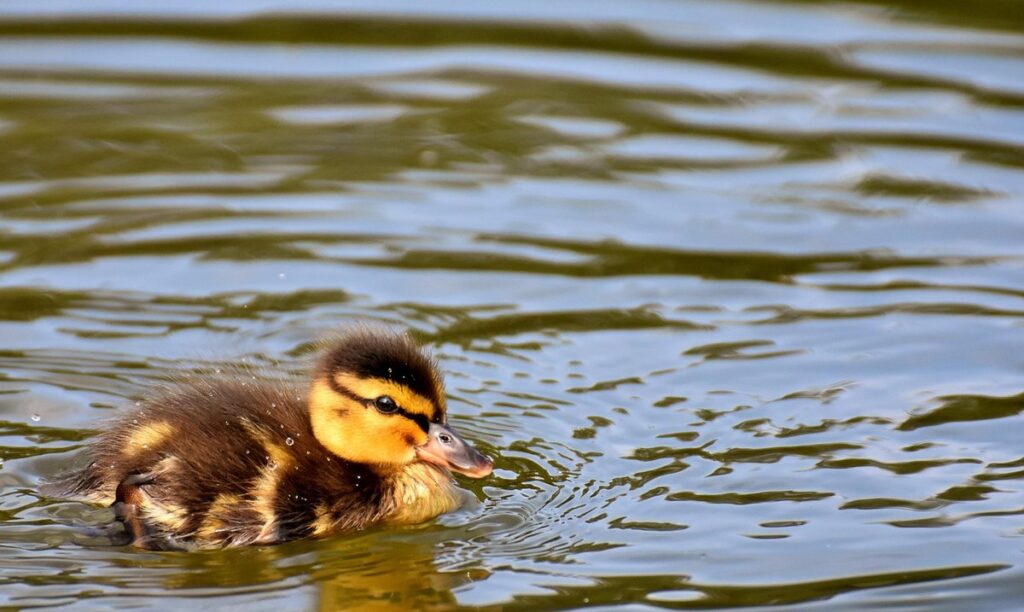
Understanding Duck Sexing
Duck sexing can be a complex topic, but understanding the basics is essential for any duck enthusiast. Let’s dive into the specifics of sexing ducks based on their feathers.
Why Sexing Ducks is Important
Sexing ducks is crucial for both breeders and enthusiasts. When you’re able to identify the sex of your ducklings at a young age, it can greatly impact their growth rates and overall development. Female ducks tend to grow slower than males, which means they may require more time and resources in terms of food and care.
On top of that, feather quality is another significant factor when it comes to sexing ducks. Males typically have longer, thicker feathers, while females often have shorter, fluffier ones. This difference can affect the overall appearance and marketability of your ducks, especially if you’re planning to breed them for show or sale.
Additionally, understanding a duck’s mating habits is essential for responsible breeding practices. Sexing ducks helps ensure that male and female ducks are paired correctly, which prevents unwanted breeding and reduces stress on both birds. By sexing your ducks early on, you can make informed decisions about their placement in the flock and avoid potential problems down the line.
Techniques for Determining Duck Sex at Hatching
Determining duck sex at hatching is crucial for breeders and farmers to ensure the health and well-being of their flocks. Several techniques can be used to determine duck sex at hatching, including physical examination and specialized equipment.
A common method involves examining the cloaca, a multi-purpose opening used for reproduction, digestion, and excretion in waterfowl. By gently feeling the cloacal protuberance, which is located just above the vent, you can determine the sex of the duckling. For example, male ducks have a longer, more pointed cloacal protuberance compared to females. However, this method requires experience and can be challenging for beginners.
Another technique uses specialized equipment like the “sex machine” or candling equipment that shines a light through the eggshell to examine the reproductive organs without breaking open the egg. This method is more accurate than physical examination but also requires proper training and expertise.
Limitations of Early Sexing Methods
Early sexing methods can be prone to errors and inconsistencies, making them less reliable than more advanced techniques. One of the main limitations is false positives, where a female duck is incorrectly identified as male due to the presence of certain feather characteristics that are not exclusive to males. This can lead to unnecessary culling or mismanagement of females in breeding programs.
Operator variability also plays a significant role in early sexing methods. Different handlers may interpret feather patterns and coloration differently, leading to inconsistent results. For example, two experienced sexers may disagree on the sex of the same duckling due to variations in their evaluation criteria. This operator bias can be minimized with proper training and calibration, but it remains a concern for breeders relying on early sexing methods.
To mitigate these risks, many breeders opt for more advanced techniques, such as laparoscopic sexing or ultrasound sexing, which offer higher accuracy rates.
Physical Characteristics for Identifying Maturity
When examining a duck’s feathers, certain physical characteristics can indicate its maturity level. Here are some key signs to look out for in both males and females.
Factors Affecting Feather Growth in Ducks
When it comes to feather growth and development in ducks, several factors come into play. Genetics is one of the primary influencers, as certain breeds are naturally more prone to rapid feather growth than others. For instance, Muscovy ducks tend to develop their adult plumage faster than Pekin ducks.
Nutrition also plays a crucial role in feather growth. A balanced diet rich in protein and essential vitamins is vital for healthy feather development. Ducks require around 20% protein in their feed to support optimal growth. However, overfeeding can lead to malnutrition and impact feather quality.
Stress is another significant factor affecting feather growth. Ducks subjected to chronic stress may experience delayed or stunted feather development. Factors contributing to stress include environmental changes, overcrowding, and inadequate shelter. To mitigate these effects, ensure a comfortable living environment with adequate space and shelter for your ducks.
Adequate lighting is also essential for optimal feather growth. Natural sunlight exposure can stimulate melanin production, which helps regulate pigmentation in feathers.
Key Indicators of Sexual Maturity
Determining sexual maturity in ducks can be a challenging task, but understanding the physical characteristics that indicate readiness for breeding is crucial. In terms of plumage changes, male ducks typically exhibit a more vibrant and pronounced coloration, particularly around the neck, throat, and belly regions. This intense feathering is often accompanied by a more robust appearance, with increased muscle mass.
Female ducks, on the other hand, may display a subtle change in their breast feathers, which can become slightly longer or more rounded. However, these changes are less pronounced than those exhibited by males and should be carefully observed to avoid misidentification. Gonadal development is another key indicator of sexual maturity. In male ducks, this involves the growth and maturation of testes, while in females it pertains to ovary development.
It’s essential to note that not all ducks will exhibit these characteristics simultaneously or with equal intensity. Experienced breeders often develop a sense for identifying mature birds based on their overall appearance and behavior.
Challenges in Identifying Mature Ducks
One of the most significant challenges breeders face when trying to identify mature ducks is variability between breeds. Different duck breeds have distinct physical characteristics that can make it difficult to determine age and sex through feather sexing alone. For instance, Khaki Campbells tend to retain their juvenile plumage longer than Muscovy ducks, making it harder to assess maturity.
Individual differences within a breed also pose a challenge. Even among the same breed, ducks can exhibit varying levels of feather development at the same age, making it tough for breeders to establish a clear standard for determining maturity. Moreover, factors such as nutrition and health can influence a duck’s growth rate and feather development, further complicating the process.
To overcome these challenges, breeders must be aware of the unique characteristics of their specific breed and take into account individual variations when assessing maturity. They should also maintain detailed records of their ducks’ growth patterns, including weight, length, and feather development, to help establish a baseline for determining age and sex.
Sexing Techniques for Younger Ducks
When it comes to sexing younger ducks, a keen eye and some basic knowledge of their feather patterns can make all the difference. Let’s take a closer look at how to accurately determine the sex of young ducklings.
Visually Assessing Duck Characteristics
As you observe younger ducks, it’s essential to visually assess their characteristics to estimate age and sex. One way to do this is by examining beak shape and size. In most duck breeds, males have a slightly longer, thicker beak compared to females. However, this can be subtle, so look for consistency in the shape rather than just length.
Another characteristic to examine is feather coloration. As ducks mature, their plumage develops distinct sex-linked traits. For example, Khaki Campbell and Silver Appleyard drakes (males) typically display a more vibrant orange or red sheen on their feathers compared to pullets (females). Conversely, female duck breeds like Muscovy show a stronger black or dark brown sheen.
Leg length is another indicator of sex. In general, males tend to have slightly longer legs than females due to testosterone-induced growth during development. By the time they’re about 5-6 weeks old, the difference in leg length becomes more apparent. It’s essential to consider breed-specific characteristics and observe multiple ducks within each group for accurate assessment.
Using Measurement Tools for Accuracy
When it comes to sexing younger ducks, accuracy is crucial. Measurement tools like calipers and micrometers can help you achieve this goal by allowing for precise measurements of physical traits.
To get started, you’ll need a set of calipers that are designed for measuring small objects. A digital caliper with high precision (0.01mm or better) is recommended. You’ll also need to understand what specific measurements to take and how to interpret the results. For example, the length of the quill knobs on the back of the duck’s head can be a determining factor in sexing.
Measure the distance between the base of the nostrils and the tip of the upper mandible (beak) for another critical measurement. Typically, males have a shorter distance than females. Keep in mind that these measurements should be taken with caution to avoid causing injury to your duck. Practice makes perfect, so it’s essential to work with experienced individuals or consult resources to learn proper technique and ensure accurate results.
Training and Practice in Sexing Younger Ducks
When it comes to sexing younger ducks, proper training and practice are essential for achieving accuracy. Without extensive experience, even the most skilled practitioners can struggle to identify breed characteristics that distinguish males from females. This is particularly challenging with young ducks, as their plumage may not yet exhibit the full range of coloration and patterning typical of mature birds.
To improve your skills in sexing younger ducks, it’s crucial to familiarize yourself with individual breed characteristics. For example, Khaki Campbells tend to have a more robust build and distinctive bay or black bay feathering, while Cayugas are often marked by their striking white stripes on the back. By studying these nuances, you can develop a keen eye for recognizing sex-linked traits in young birds.
As you practice sexing younger ducks, keep in mind that accuracy improves with experience and repetition. Start by working with experienced practitioners or mentors who can guide you through the process. Begin with a small group of birds and gradually increase your sample size as you become more confident in your abilities.
Health Considerations in Duck Sexing
When it comes to duck sexing, understanding health considerations is crucial for a successful experience. We’ll explore the potential risks and precautions you should take when determining your ducks’ sex.
Risks Associated with Inaccurate Sexing
Accurate sexing of ducks is crucial for ensuring their optimal health and well-being. Inaccurate sexing can lead to mismating, which can have severe consequences on the health and productivity of both males and females.
Mismating can result from inaccurate sexing due to various factors such as inadequate examination techniques or limited experience in duck sexing. When a male is mated with another male or vice versa, the birds are unable to reproduce naturally, leading to frustration and stress for the breeders. This, in turn, can cause health issues, such as reproductive problems, anxiety, and depression.
In addition, mismating can also lead to inadequate care based on incorrect sex classification. For instance, a breeder may provide excessive care or attention to an individual they believe to be female when it’s actually male. Similarly, males that are mated with females in a breeding program may receive inadequate nutrition or less attention than needed.
Therefore, accurate sexing is critical for ensuring the health and well-being of your ducks. Always consult experienced breeders or veterinarians for assistance if you’re unsure about the sex of your birds.
Factors Affecting Gonadal Development
When it comes to gonadal development and reproductive health in ducks, several key factors come into play. Nutrition, for instance, plays a crucial role in the growth and maturation of duck gonads. A well-balanced diet rich in essential vitamins and minerals is vital for proper gonad development. For example, research has shown that ducks fed with a diet deficient in vitamin D3 exhibit delayed gonadal development and reduced fertility rates.
Stress is another critical factor affecting gonadal development in ducks. Chronic stress can disrupt the delicate balance of hormones necessary for reproductive health, leading to issues such as delayed or incomplete gonad development. Farmers can mitigate this risk by providing a stress-free environment with adequate space, proper ventilation, and a consistent routine.
Genetics also have a significant impact on gonadal development and reproductive health in ducks. Breeding programs that prioritize genetic diversity and select for desirable traits can help ensure healthy gonads and optimal fertility rates. By understanding these factors and taking steps to address them, farmers and breeders can optimize gonadal development and reproductive success in their duck populations.
Long-Term Consequences of Inadequate Sexing
Inadequate sexing can have far-reaching consequences for duck breeders and owners. When ducks are not properly sexed at a young age, it can lead to difficulties in integrating them into breeding programs or social groups. Misidentified males may be kept with females, leading to unwanted reproductive activity and potential stress on the birds.
Additionally, if ducks are sold as the wrong sex to customers, it can result in financial losses for both the breeder and the owner. This can also damage the reputation of the breeder and lead to a loss of customer trust.
In some cases, inadequate sexing may not have immediate consequences, but it can affect the overall health and well-being of the ducks over time. For example, if females are kept with males, they may become stressed or develop behavioral problems due to the presence of a dominant male. On the other hand, if males are sold as females, they may be subjected to unnecessary molting or hormonal treatments to induce egg-laying.
To avoid these long-term consequences, it is crucial for breeders and owners to invest in accurate sexing methods, such as feather sexing, to ensure that ducks are correctly identified at a young age. This not only saves time and money but also promotes the health and well-being of the birds.
Best Practices for Breeding Programs
As you develop your breeding program, knowing how to sex ducklings accurately is crucial; here are essential best practices to help ensure success.
Implementing Effective Sexing Protocols
Implementing effective sexing protocols within breeding programs is crucial to minimize errors and improve efficiency. To achieve this, it’s essential to establish clear guidelines and procedures for duck feather sexing. First, define the criteria for sexing accuracy, such as the size of the feather shaft or the color intensity of the plumage.
Develop a standardized system for recording and reporting sexing results, including photographs or digital images of the feathers being evaluated. This helps ensure consistency and reduces human error. Additionally, train all staff members involved in the sexing process to use the same criteria and methods.
It’s also vital to maintain accurate breeding records, including parentage information, sexing results, and any related data points. This enables breeders to track genetic traits and make informed decisions about their breeding program. Regular audits and quality control measures can further enhance the accuracy of sexing protocols.
Continuous Education and Training
Continuous education and training are crucial for breeders to stay ahead of the curve when it comes to duck feather sexing. New research and techniques emerge regularly, making it essential to update knowledge and skills to ensure accurate sex determination. Breeders can benefit from attending workshops, seminars, and online courses that focus on duck sexing methods.
Some notable examples include the annual meetings of the American Bantam Association (ABA) and the International Duck Association (IDA), which provide opportunities for breeders to network with experts and learn about the latest developments in duck feather sexing. Online platforms such as YouTube and webinars are also valuable resources, offering tutorials and presentations on specific techniques.
To take your skills to the next level, consider participating in online forums or discussion groups focused on duck breeding and sexing. Collaborate with experienced breeders to share knowledge and best practices, and don’t be afraid to ask questions or seek guidance when needed. By committing to ongoing education and training, you’ll enhance your accuracy and confidence in determining the sex of your ducks.
Review and Revision of Breeding Program Objectives
When reviewing and revising breeding program objectives, it’s essential to ensure that they remain aligned with the goals of duck feather sexing. This involves regularly assessing the effectiveness of current practices and making adjustments as needed. Start by identifying key performance indicators (KPIs) such as hatch rate, fertility rates, and overall efficiency.
Review your data collection methods and accuracy to ensure reliable results. Consider implementing quality control measures like tracking temperature fluctuations during incubation or monitoring embryonic development through ultrasound imaging. Analyze the success of different sex-linked traits, including genetic markers, DNA testing, and morphological characteristics.
Regularly consult with industry experts, attend conferences, and stay up-to-date on new research to identify best practices in duck feather sexing breeding programs. Collaborate with colleagues to share knowledge and expertise, thereby fostering a culture of continuous improvement within your organization. By regularly revisiting and refining your objectives, you can optimize your program for maximum efficiency and accuracy, ultimately leading to higher quality ducklings that meet industry standards.
Final Considerations
As you wrap up your journey learning about duck feather sexing, take a moment to consider these final thoughts and ensure you’re prepared for the realities of sexing duck feathers. Remember, accuracy is key!
Addressing Common Misconceptions about Duck Sexing
It’s not uncommon for people to have misconceptions about duck sexing. Some may think that sexing ducks by their feathers is a complex and scientifically-based process, when in reality it’s often based on observation and experience.
One common myth is that only experienced breeders can accurately sex ducks. While having knowledge of the breed and its characteristics certainly helps, anyone with attention to detail and some basic understanding of duck anatomy can learn to sex ducks effectively.
Another misconception is that sexing ducks by their feathers is an inexact science. In fact, many professional duck sexers rely on a combination of visual cues, such as feather coloration, beak shape, and leg size, to determine the sex of a duckling. With practice, anyone can become proficient in identifying these characteristics.
To get started with sexing ducks yourself, take note of the key differences between male and female ducks. For example, males tend to have longer tails, more pronounced feather coloration, and larger legs than females. By paying attention to these subtleties and gaining some hands-on experience, you can become a skilled duck sexer in no time.
Conclusion and Future Directions
In conclusion, duck feather sexing has proven to be an effective and reliable method for determining the sex of young ducks. By identifying key characteristics such as feather structure, coloration, and pattern, breeders can make informed decisions about their flock’s reproductive needs.
As we wrap up this comprehensive guide, it’s essential to acknowledge areas where further research is needed to refine the technique. Advanced studies on the genetics underlying feather morphology could provide a more nuanced understanding of sex-linked traits. Moreover, exploring the possibility of developing non-invasive or low-cost methods for sexing larger ducks could significantly improve efficiency.
For breeders seeking to improve their sexing skills, it’s crucial to practice regularly and consult with experienced professionals. By combining observation with detailed record-keeping, individuals can develop a keen eye for distinguishing between male and female features. As the demand for precision breeding continues to grow, continued investment in duck feather sexing research will be essential for driving progress in this field.
Frequently Asked Questions
What if I’m still unsure about the sex of my ducklings after using all the techniques mentioned in the article?
Don’t worry, it’s normal to encounter some uncertainty when determining the sex of young ducks. To improve your accuracy, practice sexing multiple times and focus on developing a keen eye for subtle differences in feather patterns and growth rates. Consider seeking guidance from an experienced breeder or taking online courses to refine your skills.
Can I use duck sexing techniques for rare or unusual breeds?
Yes, the fundamental principles of duck sexing apply to most breeds. However, some breeds may exhibit unique characteristics that require specialized knowledge. Research the specific breed you’re working with and consult with experts in the field to ensure you’re using the best methods for their identification.
How often should I re-sex my ducks as they mature?
As your ducks reach reproductive maturity (around 20-24 weeks), it’s essential to re-evaluate their sex. This is because some individuals may exhibit unexpected characteristics, and accurate classification at this stage ensures optimal breeding program success.
What are the best tools for accurately measuring duck growth rates and feather development?
Using a digital caliper or ruler can help you measure your ducks’ growth rates and track feather development. For more precise measurements, consider investing in specialized equipment like a growth chart or a poultry measurement kit.
Can I use duck sexing techniques to determine the sex of incubating eggs?
No, it’s not possible to accurately sex incubating eggs using visual examination alone. Sex determination through embryonic sexing is a complex process that typically requires specialized equipment and expertise. Focus on developing your skills in post-hatching sexing methods for more reliable results.