
Duck herding is an ancient practice that has been used for centuries to manage waterfowl populations, but its importance extends far beyond just farming. By learning how to effectively herd ducks, farmers can improve their yields, reduce labor costs, and even contribute to conservation efforts. Whether you’re a seasoned farmer or just starting out, understanding the art of duck herding is crucial for anyone working with waterfowl.
In this article, we’ll delve into the history and origins of duck herding, exploring how it has evolved over time and adapted to modern techniques. We’ll also discuss the benefits of incorporating duck herding into your farming practices, from increased efficiency to reduced stress on both humans and animals. Additionally, we’ll provide guidance on building a successful duck herding team and navigating common challenges. By the end of this article, you’ll have a comprehensive understanding of the role duck herding plays in modern agriculture and conservation.
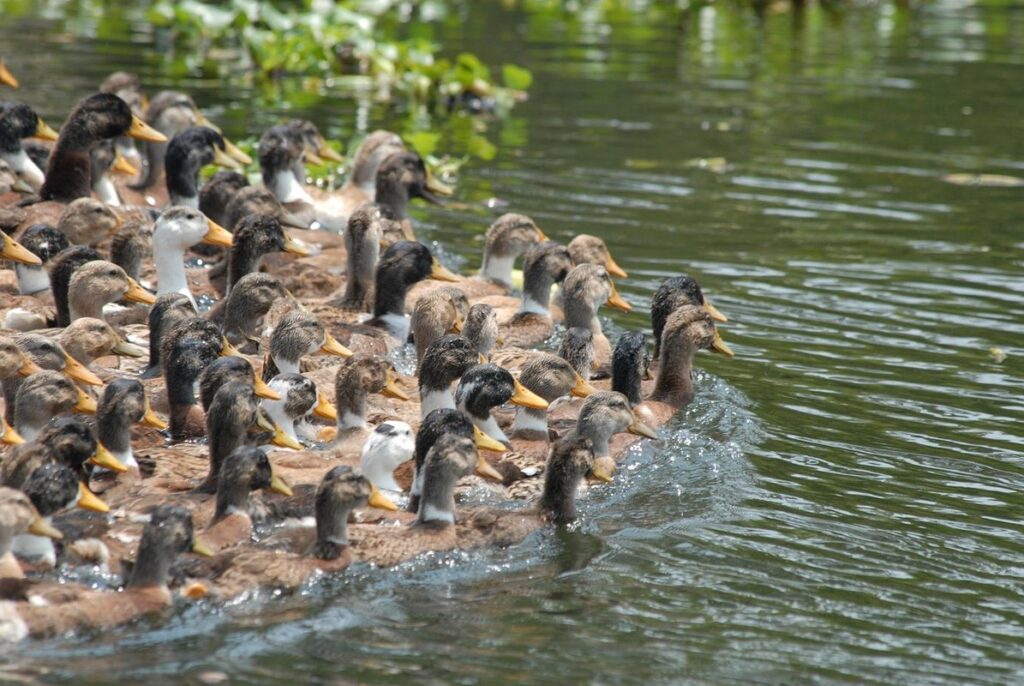
History and Origins of Duck Herding
Duck herding has a rich and fascinating history, dating back centuries to ancient civilizations where waterfowl were an integral part of daily life. Let’s dive into its intriguing origins and evolution over time.
Early Beginnings of Duck Herding in Ancient Cultures
Duck herding has its roots in ancient civilizations, where these waterfowl were highly valued for their meat, eggs, and feathers. In many cultures, ducks were considered a staple food source, and herding them was an essential skill for survival. For instance, in ancient Egypt, around 2000 BCE, duck herding was practiced on a large scale to meet the demand for meat and eggs.
Similarly, in China’s Shang Dynasty (16th-11th centuries BCE), ducks were domesticated and used for their feathers, which were highly prized for making clothing. The Chinese also developed sophisticated methods of duck breeding and management, laying the foundation for modern duck herding practices.
These early civilizations not only valued ducks for their utility but also recognized their unique characteristics and behaviors. They understood that different breeds suited various climates, environments, and uses, which is a key principle in modern duck herding. By studying these ancient cultures, we can appreciate the evolution of duck herding over time and gain insights into effective management strategies.
It’s worth noting that many indigenous communities around the world have long practiced sustainable duck herding practices, often in harmony with their natural environments. Learning from these traditions can provide valuable lessons for modern farmers and enthusiasts looking to adopt more eco-friendly methods of duck herding.
Development of Modern Duck Herding Techniques
Over time, duck herding has evolved significantly from its ancient origins. Modern techniques have been developed to make this task more efficient and humane. One key development is the introduction of specialized equipment such as duck herding dogs, also known as duckdogs or duck retrievers. These breeds are specifically trained to herd ducks with precision and care.
In addition to specialized equipment, modern duck herders now use various strategies to manage their flocks effectively. For instance, many breeders employ rotational grazing methods to ensure the health of both the ducks and the pastureland. This approach involves moving the ducks to new areas on a regular basis to allow pastures time to recover.
Moreover, advancements in communication have also improved duck herding techniques. Modern farmers now use ear tags or other forms of identification to track individual duck movements and monitor their overall health. These innovations have greatly enhanced the efficiency and effectiveness of modern duck herding practices.
Benefits of Duck Herding for Farmers and Conservation Efforts
Duck herding isn’t just a fun activity, it also provides several benefits to farmers and conservation efforts in unique and meaningful ways. Let’s dive into the details.
Economic Advantages of Duck Herding for Small-Scale Farmers
Incorporating duck herding into small-scale farming practices can have a significant impact on a farmer’s bottom line. One of the most notable economic advantages is increased income. By selling ducklings and eggs, farmers can diversify their revenue streams and reduce dependence on a single crop or livestock species.
For example, a study in the United States found that duck herding can generate an additional $10,000 to $20,000 per year for small-scale farmers. This income can be especially beneficial during periods of drought or crop failure when other sources of income may be compromised.
In addition to increased income, duck herding also offers cost savings. Ducklings are relatively low-maintenance compared to larger livestock, requiring less feed and veterinary care. Farmers can also use the ducks’ natural foraging abilities to reduce their reliance on expensive fertilizers and pest control methods.
To maximize these economic benefits, farmers should start by assessing their land and resources to determine if duck herding is a viable option. This may involve conducting a feasibility study or consulting with experienced duck herders. By carefully planning and implementing a duck herding operation, small-scale farmers can reap the financial rewards of this unique and sustainable practice.
Environmental Impact of Duck Herding on Wetland Ecosystems
When practiced sustainably, duck herding can have a positive impact on wetland ecosystems. By introducing domestic ducks to these areas, farmers and conservationists can encourage the natural behavior of native waterfowl species, promoting their return and subsequent restoration of habitats.
For instance, certain duck breeds are known to prey upon invasive plant species such as cattails and reeds that can choke out native vegetation. This not only helps restore biodiversity but also opens up pathways for other wildlife species to inhabit these areas once again.
Water quality is another key area where duck herding can be beneficial. Ducks feed on aquatic plants, which in turn help break down excess nutrients and sediments in the water, ultimately reducing algae blooms and improving overall ecosystem health. This symbiotic relationship between ducks and their environment highlights the potential for sustainable duck herding as a conservation tool.
Farmers who implement such practices often report notable improvements in wetland ecosystems, including increased wildlife diversity and healthier waterways.
Techniques and Strategies for Effective Duck Herding
Effective duck herding requires a combination of patience, persistence, and clever techniques. In this crucial part of our guide, we’ll share expert tips to help you master the art of directing those ducks exactly where you want them.
Introduction to Basic Herding Commands and Equipment
Duck herding is not just about chasing ducks with your dog; it’s an art that requires precision, strategy, and practice. To get started, you’ll need to familiarize yourself with the basic commands and equipment used in the sport.
When it comes to communication with your herding dog, a whistle is often the most effective tool. A series of distinct whistle signals can convey commands such as “come bye” (turn left), “come on” (move forward), or “stand still” (stop moving). It’s essential to choose a whistle that’s loud and clear, yet not ear-piercingly shrill. Some herders even use different whistles for specific situations, like when introducing their dog to new ducks.
In terms of handling tools, you’ll need a sturdy stick or “herding staff” to help guide your dogs without getting too close to the quacking frenzy. A well-made herding staff can make all the difference in maintaining control and safety during a session. As for herding dogs themselves, breeds like Border Collies, Kelpies, and Australian Shepherds are commonly used due to their intelligence, athleticism, and strong work ethic. When selecting a breed or individual dog, consider factors such as temperament, energy level, and past experience with ducks.
By investing in the right equipment and understanding basic commands, you’ll be well on your way to developing a harmonious partnership with your herding dog and becoming proficient in the art of duck herding.
Advanced Herding Techniques: Weaving, Gathering, and Penning
As you progress in mastering the art of duck herding, it’s essential to explore more complex techniques that will elevate your skills and allow you to handle larger flocks with ease. Weaving, gathering, and penning are three advanced methods that will become indispensable tools in your toolkit.
Weaving involves expertly guiding ducks through a narrow space, such as between two pens or under a low-hanging obstacle. This technique requires a deep understanding of the ducks’ behavior and movement patterns, allowing you to anticipate and adapt to their actions. To master weaving, focus on developing a clear and consistent direction, using subtle cues and body positioning to guide the flock.
Gathering is another advanced technique that involves rounding up scattered or loose ducks into a manageable group. This requires patience, persistence, and an understanding of the ducks’ instincts, as they will naturally respond to pressure and movement. By employing a gentle yet firm approach, you can effectively gather ducks from various locations and bring them together.
Penning is perhaps the most impressive advanced technique, involving herding ducks into a contained area using precise movements and communication. This requires a deep understanding of the flock’s dynamics, allowing you to anticipate and manipulate their movement patterns to achieve the desired outcome. With practice and experience, you’ll be able to confidently pen even the most skittish or difficult-to-handle flocks.
When attempting these advanced techniques, remember that clear communication with your dogs is crucial. Use consistent verbal cues, body language, and visual signals to convey your intentions and guide your team. Practice regularly, starting with small groups and gradually increasing the complexity of the situations as you build confidence and expertise. With dedication and persistence, you’ll become proficient in weaving, gathering, and penning, solidifying your position as a skilled duck herder.
Building a Duck Herding Team: Training and Selecting the Right Dogs
When it comes to building a successful duck herding team, choosing the right dogs is crucial – but how do you select them? This section will guide you through training and selection.
Choosing the Ideal Breed for Duck Herding
When it comes to choosing the ideal breed for duck herding, you’ll want to consider dogs with specific characteristics that excel in this unique and rewarding activity. Temperament is a top priority, as ducks can be skittish and easily frightened by loud or boisterous dogs. A calm and gentle breed will help keep your feathered friends at ease.
Intelligence also plays a crucial role in duck herding. Dogs with high problem-solving skills and trainability are essential for navigating the complex task of gathering and managing large groups of ducks. Athleticism is another vital trait, as ducks can be unpredictable and require quick reflexes to chase them down.
Some popular breeds that excel in duck herding include the Border Collie, Australian Shepherd, and Kelpie. These dogs possess the right combination of intelligence, athleticism, and calm temperament, making them ideal for this type of work. If you’re just starting out, consider cross-training your dog with a more experienced handler to get a feel for what’s involved in duck herding. This will give you a better understanding of the skills and qualities required for success.
Training Your Duck Herding Dog: Tips and Best Practices
When training your dog for duck herding, it’s essential to lay the foundation with basic obedience commands. Start by teaching your dog to respond to simple cues like “sit,” “stay,” and “come.” These commands will help you maintain control during herding exercises and ensure a safe environment for both you and the ducks.
Socialization is also crucial in preparing your dog for duck herding. Introduce your dog to various environments, people, and other animals to desensitize them to new stimuli. Gradually increase exposure to loud noises, other dogs, and even birds to help your dog become confident and calm in the face of distractions.
To develop your dog’s herding skills, incorporate specialized training exercises into your daily routine. Begin by practicing “fetch” with a ball or toy, then progress to using a lure, such as a rope or stick, to mimic the movement of ducks. As your dog becomes more confident, introduce actual ducks to the mix, starting with small groups and gradually increasing the number.
Keep in mind that every dog learns at its own pace, so be patient and consistent throughout the training process.
Challenges and Considerations in Modern Duck Herding
As you delve into the world of duck herding, it’s essential to consider the unique challenges that come with this specialized form of dog work. From unpredictable water conditions to sensitive animal handling.
Managing Stress and Fatigue in Ducks and Dogs
When it comes to duck herding, managing stress and fatigue is crucial for both ducks and dogs. A safe and comfortable environment is essential to prevent physical and emotional harm. Dogs, like any working animal, need regular breaks and adequate rest periods to avoid exhaustion.
Ducks, on the other hand, can become stressed if they feel threatened or overwhelmed by loud noises, sudden movements, or unfamiliar surroundings. A key aspect of duck herding is providing a calm and peaceful space for them to move freely and naturally. This includes ensuring their living quarters are clean, spacious, and well-ventilated.
To mitigate stress and fatigue, consider the following:
* Provide regular breaks during training sessions
* Offer plenty of fresh water and nutritious food
* Ensure dogs receive adequate exercise and rest periods before and after herding activities
* Minimize loud noises and sudden movements around ducks
* Create a safe and secure enclosure for ducks to retreat to when needed
By prioritizing the well-being of both ducks and dogs, you can build trust, promote harmony, and develop effective herding strategies that benefit all parties involved.
Navigating Regulations and Liability Concerns
As you embark on the art of duck herding, it’s essential to navigate the regulatory aspects of this unique and fascinating activity. Duck herding is considered a form of animal husbandry and may be subject to local, state, or national regulations, depending on your location.
To ensure compliance, start by researching the permits and licenses required in your area. These might include permits for holding events with live animals, licenses for professional herders, or even zoning restrictions related to property usage. It’s also crucial to understand the liability implications of duck herding. Consider investing in liability insurance to protect yourself and your business from potential risks.
Some examples of regulations you might encounter include:
* Health department permits for ensuring animal health and safety
* Permits for events that attract large crowds, such as festivals or competitions
* Local ordinances governing noise levels, property usage, or other concerns
Conclusion: Embracing the Rewards of Duck Herding
Now that you’ve mastered the basics, let’s dive into the exciting rewards of making duck herding a part of your life. You’ll discover why it’s more than just a hobby.
Reflecting on the Benefits and Joys of Duck Herding
Engaging with duck herding has far-reaching benefits that extend beyond the realm of animal behavior and training. As you delve into this unique pastime, you’ll discover a profound impact on both your mental well-being and personal relationships.
Mental health experts often emphasize the importance of stress relief and mindfulness in everyday life. Duck herding offers an ideal outlet for achieving these objectives. The calming presence of nature, coupled with the physical demands of herding, serves as a natural stress-reduction therapy. Many participants attest to the meditative quality of watching ducks respond to commands, fostering a sense of calm and focus.
Moreover, duck herding fosters strong relationships between humans and animals. By forming trusting bonds with your feathered companions, you’ll develop a deeper understanding of their behavior, body language, and needs. This empathetic connection encourages responsible animal care, leading to more effective communication and better overall welfare for the ducks.
The personal rewards of duck herding are multifaceted:
• Improved mental clarity and focus
• Enhanced empathy towards animals
• Opportunities for physical exercise and outdoor activity
• A sense of accomplishment through training and leadership
• Social connections with fellow enthusiasts
To maximize these benefits, consider the following tips:
* Start small: Begin with a few ducks and gradually increase the number as you gain experience.
* Develop patience: Building trust takes time; be gentle and consistent in your approach.
* Practice mindfulness: Stay present while herding to fully appreciate the process.
* Learn from others: Seek guidance from experienced herders and attend workshops or online forums.
By embracing duck herding, you’ll not only cultivate a unique bond with nature but also unlock personal growth through this engaging and rewarding activity.
Frequently Asked Questions
What are the ideal environmental conditions for duck herding?
Duck herding requires a suitable environment with adequate space, water supply, and shelter for both ducks and dogs. Ideally, a duck farm or ranch should have at least 10-15 square meters of grazing area per duck, with access to clean water and shade. The terrain should also be flat and even, allowing for easy movement and control over the flock.
How do I train my dog for advanced herding techniques like weaving, gathering, and penning?
To train your dog for advanced herding techniques, start by practicing basic obedience commands and introducing them to the duck herd gradually. Introduce one new skill at a time, allowing your dog to learn and adapt before moving on to the next step. Be patient, consistent, and positive in your training approach, rewarding good behavior with treats and praise.
Can I use electric fencing or other deterrents to manage my duck flock?
Yes, electric fencing can be an effective tool for managing your duck flock, but it’s essential to use it correctly and safely. Ensure the fence is at least 1.5 meters high and has a sufficient voltage to deter ducks from crossing over. However, always follow local regulations and take into account the welfare of both your ducks and dogs when using electric fencing or other deterrents.
What are some common mistakes beginners make when starting a duck herding operation?
Common mistakes include inadequate training for both humans and animals, insufficient planning and preparation, and a lack of patience and flexibility. It’s also essential to remember that duck herding is not just about moving ducks; it’s an art that requires understanding animal behavior, spatial reasoning, and effective communication.
How can I ensure the health and well-being of my duck herd during hot summer months?
During hot summer months, provide your ducks with access to shade, cool water, and a balanced diet. Ensure they have adequate shelter from the sun and wind, and consider introducing a misting system or sprinkler to help keep them cool. Monitor their behavior closely for signs of heat stress, such as panting, lethargy, or loss of appetite.