
Raising ducklings can be a delightful experience, but it also comes with its own set of challenges. As a duck enthusiast or new parent to these adorable creatures, you’re likely eager to ensure your little ones grow into healthy and well-behaved ducks. But what if you’re unsure about their nutritional needs or struggle to address behavioral problems? A comprehensive guide on duckling behavior is just what you need.
In this article, we’ll delve into the essential tips for raising happy and healthy ducklings. From identifying potential health issues to training techniques that work wonders, we’ve got you covered. Learn how to meet your ducklings’ nutritional needs, spot behavioral problems early on, and teach them valuable habits that will make their lives easier and more enjoyable. By the end of this guide, you’ll be well-equipped to provide your feathered friends with a happy and healthy start in life.
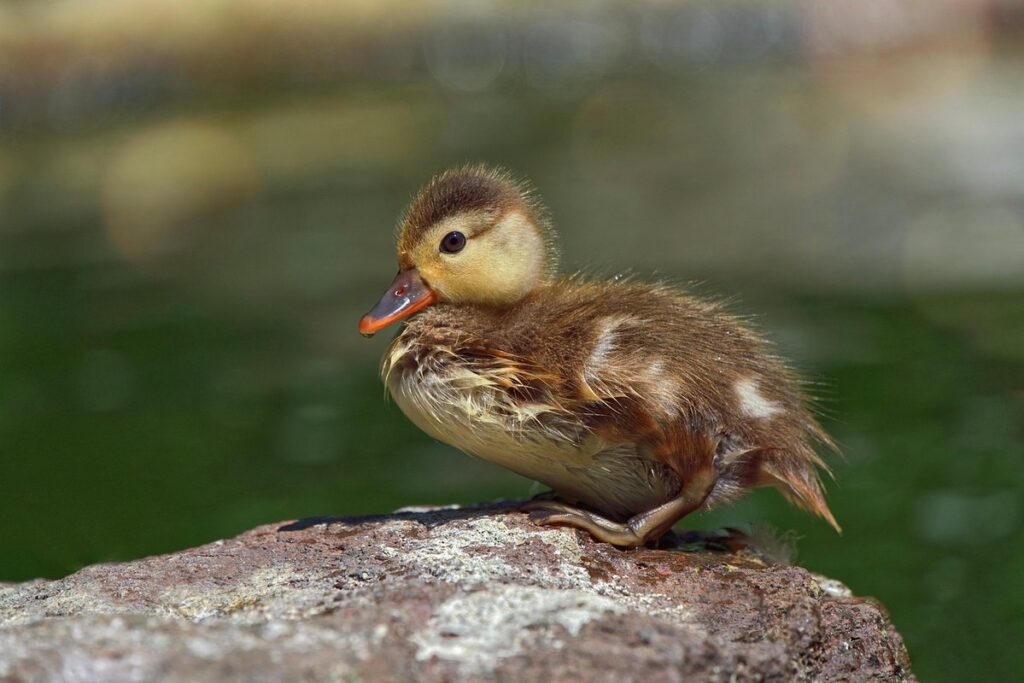
Understanding Ducklings: Basic Needs and Care
Ducklings have unique needs that require attention from day one, so let’s dive into what they need to thrive. From food and water to shelter and safety, we’ll cover it all.
Nutritional Requirements for Ducklings
When it comes to meeting the nutritional needs of ducklings, it’s essential to provide them with a balanced diet that includes all the necessary nutrients for growth and development. Ducklings require a diet rich in protein, especially during their first few weeks of life.
A good starting point is to offer a starter feed specifically formulated for ducklings, which should be available at most pet stores or online. The starter feed should contain around 18-20% protein, as well as essential vitamins and minerals like calcium, phosphorus, and vitamin D3.
In addition to the starter feed, you can also supplement with fresh vegetables and fruits, such as leafy greens, squash, and berries. However, be sure to introduce these new foods gradually to prevent digestive upset.
A general rule of thumb is to provide ducklings with around 1/4 cup of starter feed per pound of body weight per day. For example, a 100g duckling would require about 2-3 tablespoons of starter feed daily. Be sure to divide the daily ration into 3-4 meals to prevent overeating and digestive issues.
Health Checks and First Aid for Ducklings
As a duckling owner, it’s essential to be aware of common health issues that can affect your feathered friends. One of the most significant threats is respiratory problems, which can manifest as labored breathing, wheezing, or coughing. Keep an eye out for signs of illness, such as lethargy, loss of appetite, or a decrease in stool quality.
If you suspect a duckling is unwell, quarantine it immediately to prevent the spread of disease. For basic first aid, provide plenty of fresh water and a balanced diet. You can also use a saline solution (1 teaspoon of salt per quart of water) to help soothe respiratory issues.
In case of an emergency, have a plan in place for veterinary care. Know your local veterinarian’s availability and schedule regular check-ups to catch any potential health issues early on. Regular health checks can help prevent problems from arising in the first place. Keep an eye out for signs of injury, such as bleeding or limping, and seek professional help if you notice anything unusual.
If a duckling is experiencing respiratory distress, try gently holding it upright with its beak above water to help it breathe more easily. In severe cases, consult a veterinarian immediately.
Creating a Safe Environment for Ducklings
Creating a safe and nurturing environment is crucial for ducklings to thrive. When it comes to habitat setup, provide a spacious area with adequate ventilation and protection from the elements. A minimum of 2-3 square feet per duckling is recommended, but more space is always better. Ensure the enclosure has a secure roof or netting to prevent flying predators like hawks or owls.
Socialization with adult ducks is also vital for ducklings’ emotional development. Introduce them to the adults gradually, starting from visual contact and progressing to supervised interactions under close observation. This helps ducklings learn essential skills, such as feeding, grooming, and communicating effectively.
Predator protection is another critical aspect of creating a safe environment. Keep an eye out for potential threats like foxes, raccoons, or stray dogs. Consider using fencing that’s at least 3 feet high to prevent digging predators from accessing the enclosure. Regularly inspect the area for any signs of damage or weakness.
By setting up a secure and stimulating environment, you’ll give your ducklings the best chance to grow into healthy, confident birds.
Developmental Stages of Ducklings: Growth and Milestones
As your ducklings grow, understanding their developmental stages is crucial for nurturing healthy habits and behaviors. In this next part of our guide, we’ll walk you through the key milestones to expect as they mature.
Embryonic Development and Hatching
As you observe your ducklings grow and develop, it’s fascinating to note that their journey from fertilized egg to hatching is a remarkable process. The embryonic development of ducklings occurs over 28 days, divided into three main stages: cleavage, gastrulation, and organogenesis.
During the first week, the fertilized egg undergoes rapid cell division, forming a cluster of cells called the blastoderm. By day 4-5, the embryo reaches the gastrulation stage, where it starts to take on its basic shape and form three primary germ layers: ectoderm, mesoderm, and endoderm.
By day 12-14, organogenesis begins, and the duckling’s vital organs start to develop. The heart begins to beat, lungs start to inflate, and the digestive system forms. It’s essential to maintain a consistent temperature between 99°F and 100°F during this critical period to ensure proper development.
As you approach day 28, the duckling’s growth accelerates, and it becomes increasingly active within the eggshell. Keep an eye on your incubator’s humidity levels, as they should be around 50-60% to promote hatching success.
Neonatal Stage (0-3 weeks): Key Behaviors and Needs
During the neonatal stage (0-3 weeks), ducklings are entirely dependent on their mother for survival. Their primary needs are centered around feeding and warmth. At birth, ducklings are unable to regulate their body temperature, making a warm brooder or incubator essential to prevent hypothermia.
Feeding habits during this period are also crucial. Mother ducks will feed their young frequently, often every 30 minutes, regurgitating nutrient-rich food that’s easily digestible for the newbies. If you’re raising ducklings without a mother, it’s vital to mimic this schedule and provide high-quality starter feed or a specialized duckling formula.
Social interactions also begin early in this stage. Ducklings will start exploring their surroundings cautiously, often following their mother closely as they move around the enclosure. This social bonding is essential for their development and helps establish hierarchy within the flock.
Keep an eye on your ducklings’ habitat exploration during this period, as it’s a critical phase of learning about their environment and developing natural behaviors.
Transition Phase (4-6 weeks): Growing Independence
As ducklings enter their transition phase between 4 to 6 weeks of age, you’ll notice significant growth and changes in behavior. During this period, they start to assert their independence from their mother and develop increased activity levels.
One key sign of growing independence is the duckling’s ability to forage on its own. They begin to explore their surroundings, pecking at insects and plants with more confidence. You may observe them venturing further away from their mother or taking longer strolls around the enclosure.
Another notable change is the development of stronger social bonds among ducklings. As they mature, they start to interact more with each other, engaging in playful activities like chasing and splashing. This increased socialization is a crucial milestone in their growth.
To encourage healthy development during this phase, ensure your ducklings have access to a spacious enclosure with adequate food, water, and shelter. Provide a varied diet that includes protein-rich foods to support their rapid growth.
Social Learning and Development in Ducklings
As duckling parents, it’s fascinating to watch your little ones learn essential skills from each other and their environment. This is where social learning and development come into play.
Peer Interaction: Importance for Socialization
As ducklings grow and develop, they learn valuable social skills through interaction with their peers. This critical stage of development is essential for bonding with littermates and adult ducks. Peer interaction helps ducklings establish a sense of belonging within the group, which is vital for their emotional and psychological well-being.
When ducklings are around 1-2 weeks old, they begin to engage in playful activities like chasing, quacking, and preening each other’s feathers. This behavior not only reinforces social bonds but also helps them develop essential communication skills. As they interact with one another, ducklings learn to recognize individual voices, body language, and personalities.
To encourage healthy peer interaction among your ducklings, provide a stimulating environment with ample space for exploration and play. Ensure the enclosure is escape-proof and offers plenty of hiding places and visual barriers to reduce stress and promote socialization. By observing and engaging with their peers, ducklings will develop essential skills that will benefit them throughout their lives.
Observational Learning: Imitating Behavior from Others
When it comes to learning new behaviors, ducklings don’t just rely on trial and error. They also learn by observing others around them, a process known as observational learning. This is where they imitate the actions of other ducks, including both positive and negative behaviors.
For instance, if you have a group of ducklings that are being fed by their mother or another experienced duck, they will watch closely to see how she does it. They’ll observe her pecking at food, recognizing what’s edible and what isn’t. This is an essential skill for them to learn, as it will determine their survival in the wild.
But observational learning isn’t limited to just positive behaviors. Ducklings also pick up on negative habits from others. If they see another duck getting into trouble by swimming too close to predators or exploring areas that are off-limits, they may imitate this behavior as well. This is why it’s crucial for duck parents and caregivers to model good behavior around their young.
By being mindful of the behaviors we exhibit in front of our ducklings, we can guide them towards developing healthy habits that will serve them well throughout their lives.
Communication Skills in Ducklings: Quacking, Feeding Calls, and Warning Sounds
Communication is key for ducklings to navigate their surroundings and interact with their environment. One of the primary ways they communicate is through vocalizations. Ducklings use different quacks, feeding calls, and warning sounds to convey various messages.
Ducklings start making sounds from birth, and their vocabulary expands as they grow. A mother duckling’s presence triggers a series of peeps and chirps, while her absence may prompt more urgent quacks. Feeding calls are distinct, higher-pitched, and often repeated until the mother responds. You can identify these calls by listening for the rising pitch at the end.
Warning sounds serve as alerts to potential threats like predators or other dangers. These alarm calls are louder and more drawn out than usual quacks. If you notice your ducklings producing such sounds frequently, it’s essential to investigate their surroundings and ensure they’re safe.
Behavioral Problems in Ducklings: Identification and Solutions
When it comes to raising ducklings, identifying behavioral problems early on is crucial for their health and well-being. This guide will help you identify common issues and find effective solutions.
Common Issues: Stress, Feather Pecking, and Chirping
Stress is one of the most common behavioral issues in ducklings. You might notice it when they become withdrawn, stop interacting with their siblings, and seem lethargic. High temperatures, loud noises, and changes in environment can cause stress in ducklings. To alleviate this issue, make sure to provide a quiet and shaded area for your ducklings. Ensure that the water is clean and easily accessible.
Feather pecking is another common problem in ducklings. It occurs when one duckling starts pecking at the feathers of others, often due to stress or boredom. To prevent feather pecking, ensure that you have a large enough enclosure for your ducklings to move around comfortably. Provide them with toys and activities that stimulate their natural behavior.
Chirping is another behavioral issue in ducklings, especially if they are not receiving adequate attention from their mother or human caregivers. If a duckling is chirping excessively, it may be a sign of hunger or thirst. Check the duckling’s surroundings to see if there are any obvious issues that need addressing.
By recognizing these signs early on and taking corrective action, you can prevent behavioral problems in your ducklings and ensure they grow into happy, healthy ducks.
Addressing Abnormal Behavior in Duckling Groups
When you notice abnormal behavior in duckling groups, it’s essential to address the issue promptly to prevent further conflicts and ensure a harmonious flock. Since ducklings learn social behaviors from their mothers and peers, any disruption can lead to long-term behavioral problems.
To rectify group issues, observe the ducklings’ behavior and identify the source of conflict. Is it related to food or water access? Dominance hierarchy? Or something else entirely? Once you’ve pinpointed the issue, implement strategies to encourage social harmony. For instance, provide a separate feeding area for each brood or establish a clear pecking order by introducing ducklings gradually.
To manage conflict resolution within the flock, create a safe environment where ducklings feel secure enough to interact without fear of aggression. This can be achieved by providing adequate space and visual barriers between groups. It’s also crucial to supervise interactions closely, intervening if necessary to prevent injuries or establish clear boundaries. By doing so, you’ll help your duckling group develop essential social skills, reducing the likelihood of behavioral problems in the long run.
Training Your Ducklings: Encouraging Good Habits and Preventing Bad Ones
As your ducklings grow, it’s essential to establish good habits early on and prevent bad ones from forming, ensuring a well-behaved and happy flock. Let’s dive into some practical tips for training your ducklings.
Basic Commands and Hand-Feeding Techniques
When introducing basic commands and hand-feeding techniques to your ducklings, it’s essential to start with small, manageable steps. Begin by choosing a quiet area with minimal distractions where your ducklings can focus on you. Start by holding a treat in front of their beaks and moving it towards your mouth, encouraging them to follow the food source with their heads.
As they become more comfortable with this movement, try using verbal cues such as “come” or “follow me.” Hold treats close to your voice to associate the sound with the action. When your ducklings consistently respond to these commands, you can gradually phase out the treats and use praise or affection as rewards.
Hand-feeding is an excellent way to bond with your ducklings while teaching basic obedience skills. Start by holding a small amount of food in your hand and allowing them to peck at it. As they become more confident, try moving the food further away from their beaks, encouraging them to take steps towards you. This exercise helps establish trust and reinforces desired behavior.
Establishing Boundaries and Setting Rules for Ducklings
As ducklings grow and develop their own personalities, it’s essential to establish clear rules and maintain consistent boundaries. This may seem counterintuitive, as you want your feathered friends to be happy and free-spirited, but setting limits is crucial for teaching them what behavior is acceptable.
To start, determine the specific rules and expectations you have for your ducklings’ behavior. For example, you might decide that they should not enter certain areas of the yard or that they must stay within a designated swimming area. Make sure these rules are communicated clearly to all family members who interact with the ducklings.
Consistency is key when enforcing these boundaries. If your ducklings see that you’re allowing them to ignore the rules one day, but not another, they’ll quickly learn to disregard them altogether. Establishing clear rules and maintaining consistent boundaries will help prevent undesirable habits from forming, such as feather pecking or territorial aggression. By setting clear expectations early on, you’ll be well on your way to raising well-adjusted, happy ducklings that are a joy to care for.
Frequently Asked Questions
How often should I provide fresh water for my ducklings?
Ducklings need access to clean, fresh water at all times. Change the water daily to prevent bacterial growth and maintain a healthy environment. Make sure the water is easily accessible for your ducklings, and consider providing a shallow dish or pool with warm water for easier drinking.
What if I notice stress behavior in my duckling group?
Stress can lead to abnormal behaviors like feather pecking or aggression. Identify the cause of stress (e.g., overcrowding, inadequate space) and take corrective action. Provide sufficient space per duckling, ensure proper nutrition, and maintain a calm environment to reduce stress levels.
Can I hand-feed my ducklings at any age?
While it’s essential to establish trust with your ducklings through regular handling, avoid hand-feeding them until they’re around 4-6 weeks old. At this stage, they’ve developed enough independence to learn from you and begin accepting food offerings safely.
How do I recognize signs of developmental milestones in my ducklings?
Monitor your ducklings’ growth by observing changes in their behavior, appearance, and physical development. Notice when they start swimming, exploring, or exhibiting more complex social interactions. Be prepared to adjust care routines as they progress through different stages of development.
What if I encounter common issues like stress, feather pecking, or excessive chirping?
These behaviors often stem from underlying causes such as inadequate space, poor nutrition, or lack of proper training. Identify the root cause and implement targeted solutions (e.g., separating stressed birds, providing enrichment activities, setting clear boundaries). Addressing these issues promptly will prevent long-term behavioral problems.