
If you’re like most duck enthusiasts, you know how adorable but also challenging raising ducklings can be. One crucial aspect to consider for their safety and comfort is the right harness. A good duckling harness is more than just a cute accessory; it’s essential for preventing escapes, reducing stress on your birds, and keeping them healthy. But with so many options available, choosing the perfect one can be overwhelming. In this article, we’ll guide you through everything you need to know about duckling harnesses, from selecting the right size and material to expert tips on training and maintenance. By the end of it, you’ll be well-equipped to make an informed decision for your flock’s safety and comfort.
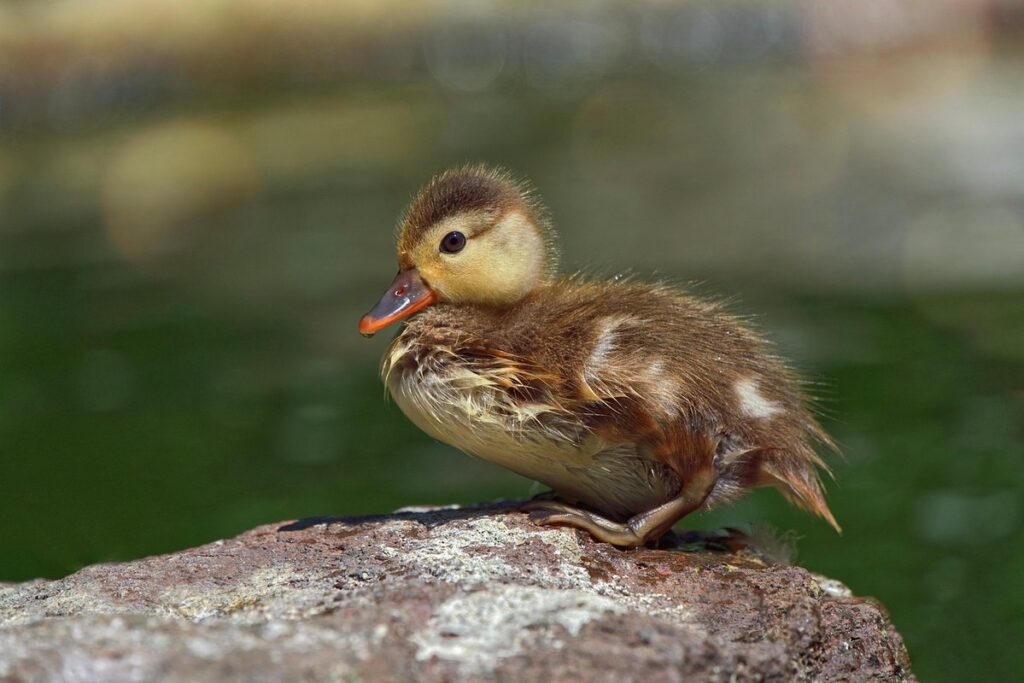
Understanding the Importance of a Duckling Harness
When introducing new ducklings to your flock, ensuring their safety and well-being is crucial, especially when it comes to preventing escapes and stress. This section will explore the significance of using a duckling harness in your backyard.
Benefits of Using a Duckling Harness
Using a duckling harness offers numerous benefits that can significantly impact both the ducklings’ well-being and your ability to care for them. One of the primary advantages is increased safety. When ducklings are wearing a harness, they’re less likely to escape or get lost, especially in open areas like gardens or yards.
A duckling harness also reduces stress on the ducklings themselves. Without a harness, young ducks may become anxious when separated from their mother or siblings, which can lead to behavioral problems and decreased appetite. By keeping them secure and close to you, a harness helps minimize this stress and promotes a healthier environment for growth.
Another benefit is that a harness makes it easier to care for your ducklings. For example, with a harness, you can take your young ducks on walks around the yard or even outside the premises without worrying about their escape. This not only keeps them safe but also gives you more opportunities to interact and monitor their development closely.
Types of Duckling Harnesses Available
When it comes to choosing a duckling harness, you’ll find that there are various types available in the market. The most common materials used to make these harnesses are nylon, polyester, and canvas. Nylon harnesses are lightweight and easy to clean, making them an excellent choice for busy farmers or backyard breeders. On the other hand, canvas harnesses offer a more rustic look and feel, but may require more maintenance.
In terms of design, you’ll find that duckling harnesses come in various styles, from simple collars to elaborate vests with attached leg straps. Consider your needs: if you’re raising a small flock of ducks on a farm, a sturdy vest might be the best option; for backyard breeders or those with limited space, a more compact collar could suffice.
Price is another factor to consider when selecting a duckling harness. You can find basic nylon collars for under $5, while sturdier canvas vests may cost upwards of $20. Consider investing in a higher-quality harness to ensure your ducks’ safety and comfort.
Selecting the Right Size for Your Duckling
Choosing the right size for your duckling harness is crucial, so let’s dive into how to ensure a comfortable and secure fit. Measure those little ones carefully!
Measuring Your Duckling’s Neck and Chest
Measuring your duckling’s neck and chest is crucial to ensure a comfortable and safe fit for their harness. To do this accurately, you’ll need a flexible tape measure or a piece of string that can be wrapped around the neck and chest without causing discomfort.
First, gently wrap the measuring tool around the thickest part of the neck, just behind the head. Make sure not to stretch the tape too tightly as this will give you an inaccurate reading. For a more precise measurement, try wrapping the tape around the neck twice: once from underneath and then again from the top. Take note of both measurements for comparison.
Next, measure around the chest at its widest point, usually just in front of the wing’s base. Keep the tape level and parallel to the ground for an accurate reading. For ducklings under 4 weeks old, you may need to use a smaller measuring tool as their growth rate can be quite rapid during this period.
To find the right harness size, add 1-2 inches to your measurements to allow for adjustments and future growth. Remember that duckling harnesses are designed to fit snugly but not too tightly, ensuring your little one’s comfort and safety.
Choosing a Harness with Adjustable Straps
When choosing a harness with adjustable straps, consider it a non-negotiable feature. Adjustable straps ensure that your duckling gets a comfortable fit as they grow and develop. A well-fitting harness prevents skin irritation and chafing, which can be painful for young ducks.
To adjust the straps correctly, look for a harness with a buckle or snap system at the shoulder area. This allows you to easily loosen or tighten the straps without having to remove the entire harness. Start by placing the harness on your duckling, making sure it’s centered and comfortable. Then, adjust the straps so that they’re not too tight, which can restrict movement.
As a general rule of thumb, aim for about two fingers’ worth of space between the strap and your duckling’s neck. This will give them enough room to move around comfortably without compromising safety. Remember, adjustable straps are particularly useful during periods of rapid growth, such as when your duckling transitions from waterfowl pellets to a more varied diet. By choosing a harness with this feature, you’ll be able to accommodate your duckling’s changing needs and ensure their comfort throughout the process.
Materials and Durability of Duckling Harnesses
When it comes to choosing a duckling harness, you’ll want to consider its materials and durability to ensure your little ones stay safe and comfortable. High-quality materials like nylon and polyester are often used in these harnesses.
Understanding Fabric Options (Cotton, Nylon, etc.)
When it comes to choosing a duckling harness, the fabric option can make all the difference. Different fabrics offer varying degrees of comfort, durability, and ease of cleaning. Let’s take a closer look at some popular fabric options used in duckling harnesses.
Cotton is a popular choice for its softness and breathability. However, it may not be the most durable option, as cotton can fray easily and lose shape over time. On the other hand, nylon and polyester are more resistant to wear and tear, but they can be less comfortable against your duckling’s skin.
Considerations for fabric options also include ease of cleaning. Cotton is generally easy to clean, while nylon and polyester may require special care. If you’re planning to use your harness in muddy or wet conditions, a water-resistant option like nylon or polyester might be the way to go.
Ultimately, the best fabric option will depend on your specific needs and preferences. If you prioritize comfort above all else, cotton might be the way to go. But if durability and ease of cleaning are more important to you, consider opting for nylon or polyester.
Assessing the Quality of Hardware and Buckles
When it comes to duckling harnesses, durable hardware and buckles are not just nice-to-haves – they’re essential for ensuring the safety and well-being of your feathered friends. Cheap or flimsy components can lead to broken straps, lost ducklings, and even injuries.
To identify high-quality hardware and buckles, look for materials that can withstand regular use and harsh weather conditions. Metal buckles are generally more reliable than plastic ones, as they resist corrosion and won’t break easily. However, even metal buckles can be poorly designed or constructed, so inspect them carefully before making a purchase.
Some red flags to watch out for include loose connections, rust spots, or an overall flimsy feel. On the other hand, good hardware should have a solid weight to it, with smooth-operating buckles that glide easily along the strap. When shopping for a duckling harness, don’t be afraid to ask about the materials and construction methods used – a reputable manufacturer will be happy to share this information with you.
Safety Considerations When Using a Duckling Harness
When introducing your ducklings to a harness, safety should always be top of mind. This section will cover essential precautions to take when using a duckling harness for safe and enjoyable outings.
Preventing Escape and Injury
When it comes to using a duckling harness, safety is paramount. Preventing escape and injury is crucial, not only for your feathered friends but also for yourself. To ensure a safe experience, let’s dive into the importance of proper training and supervision.
Proper Training: Before putting on the harness, introduce your ducklings to it gradually. Start by letting them get accustomed to the sight, smell, and feel of the harness. Reward their curiosity with treats, making the process enjoyable and stress-free. Next, practice putting the harness on and taking it off under close supervision. Be patient, as this may take some time for young ducks to understand.
Supervise at All Times: Always keep a close eye on your ducklings when they’re wearing their harnesses. Ensure you have control over them, especially in areas with potential escape routes or hazards. With proper training and supervision, you’ll be able to enjoy the great outdoors with your flock while minimizing risks.
Managing Weather Conditions
When using a duckling harness, it’s essential to consider the impact of harsh weather conditions on your young charges. Extreme temperatures can be particularly hazardous for ducklings, so it’s crucial to take precautions when venturing outdoors.
In extremely hot or cold weather, ensure that you provide adequate shelter and protection for your ducklings. A well-ventilated, shaded area with access to fresh water and a clean surface will help keep them cool in the summer months. Conversely, during winter, use a waterproof and windproof covering to shield your ducklings from harsh winds and precipitation.
If you must venture outdoors in wet conditions, choose a harness made from quick-drying materials that can withstand moisture without compromising comfort or safety. Additionally, avoid walking through deep puddles or standing water to prevent waterborne diseases.
To mitigate the risks associated with weather-related hazards, consider the following:
* Monitor local forecasts and plan your outings accordingly.
* Dress your ducklings in layers for better temperature regulation.
* Regularly inspect and maintain your harnesses to ensure they remain in good condition.
Training Your Duckling to Wear a Harness
Now that you have your harness, it’s time to teach your duckling how to wear it comfortably and safely. In this next step, we’ll cover the training process in detail.
Introducing the Harness Gradually
Introducing a new harness to your duckling can be a daunting task if not done correctly. To avoid stressing out your little one and ensure a smooth transition, it’s essential to introduce the harness gradually.
Begin by letting your duckling get accustomed to wearing just a towel or a soft cloth around its body. This will help them become comfortable with the feeling of something being placed on their skin. Gradually increase the weight and texture of the item over time, making sure not to rush the process.
Once they’re comfortable with a towel or cloth, it’s time to introduce the harness itself. Start by placing the harness near their favorite play area, allowing them to explore it at their own pace. Reward them with treats for simply looking at or approaching the harness. This positive reinforcement will help your duckling build trust in the new item.
When they seem relaxed around the harness, you can begin putting it on them while giving plenty of praise and rewards. Make this a fun experience by using verbal cues like “harness time!” to signal that it’s playtime.
Positive Reinforcement Techniques
Training a duckling to wear a harness can be a daunting task, but with positive reinforcement techniques, you can make it a stress-free and enjoyable experience for both you and your feathered friend. The key is to associate the harness with positive experiences and rewards.
Start by introducing the harness gradually, allowing your duckling to become familiar with its sight, smell, and feel. Begin by placing the harness on a flat surface near their favorite food or toy, then reward them with treats for simply approaching it. Gradually move on to placing the harness on a duckling dummy or a willing helper, again rewarding calm behavior.
Next, try placing the harness on your duckling under close supervision, starting with short periods and gradually increasing the duration. Reward their calmness with treats and praise, and be sure to provide regular breaks for rest and relaxation. With patience and consistency, your duckling will learn to associate the harness with positive experiences, making the training process a breeze.
Maintenance and Care of Your Duckling’s Harness
To keep your little ducklings’ harnesses in tip-top shape, we’ll walk you through how to properly clean, dry, and store their gear. Proper care will ensure a long lifespan for your harnesses.
Cleaning and Sanitizing the Harness
Cleaning and sanitizing your duckling’s harness regularly is crucial to prevent bacterial growth and maintain hygiene. Bacteria can multiply quickly on a dirty harness, leading to skin irritations, infections, and potentially serious health issues for your ducklings.
To clean the harness, start by removing any loose dirt or debris using a soft-bristled brush or a damp cloth. For tougher stains, you can mix a solution of mild soap and warm water, then gently scrub the affected area with a soft-bristled brush. Rinse thoroughly with clean water to remove all soap residue.
Sanitizing is just as important as cleaning. You can use a pet-safe sanitizer or a mixture of equal parts water and white vinegar in a spray bottle. Spray the harness evenly, making sure to saturate all areas, then let it air dry. This will help kill any bacteria that may be present.
Remember to wash your hands thoroughly before and after handling your ducklings’ harnesses to prevent cross-contamination. Regular cleaning and sanitizing can go a long way in keeping your ducklings healthy and happy.
Repairing or Replacing Damaged Parts
If you’ve been using your duckling’s harness regularly and notice some wear and tear on certain parts, it’s essential to address these issues promptly. Damaged harnesses can cause discomfort for your feathered friends, compromising their overall well-being.
Inspect the damaged areas carefully, identifying any cracks or breaks in the fabric, buckles, or straps. For minor repairs like loose stitching or a torn seam, you can try patching the affected area with some duckling-friendly thread and needle. However, more extensive damage may necessitate replacing parts entirely.
Before attempting to repair your harness, refer to its manufacturer’s instructions for guidance on suitable materials and techniques. If you’re unsure about how to proceed or if the issue is beyond basic repairs, consider consulting a professional for assistance. They will be able to assess the situation accurately and recommend the necessary steps to restore your duckling’s harness to optimal condition.
When replacing parts, opt for high-quality alternatives from reputable suppliers that ensure compatibility with your existing harness.
Frequently Asked Questions
Can I use a duckling harness for ducks of all ages, or are they specifically designed for young birds?
Yes, while duckling harnesses are primarily used for young ducks, many brands offer versions suitable for adult ducks as well. However, it’s essential to choose a harness designed for the size and weight of your bird, regardless of age.
How often should I clean and sanitize my duckling’s harness to prevent bacterial growth?
Cleaning and sanitizing your duckling’s harness regularly is crucial for their health. Aim to wash the harness every 1-2 weeks with mild soap and water, then dry thoroughly before returning it to your bird. This frequency may vary depending on usage and environmental factors.
Can I use a single harness for multiple ducklings, or should each one have its own?
Each duckling needs its own harness to ensure proper fit and comfort. Using a single harness can lead to skin irritation, discomfort, and potential health issues. Invest in separate harnesses tailored to the specific size of each bird.
How do I introduce a new duckling to wearing a harness if they’re initially resistant or aggressive?
Introducing a harness gradually is key when dealing with resistant birds. Start by placing the harness near their favorite resting spots, then slowly acclimate them to wearing it for short periods under close supervision. Positive reinforcement techniques, like treats and praise, can help ease the process.
Can I use a duckling harness in wet or snowy conditions, or are they only suitable for dry environments?
While duckling harnesses are designed for outdoor use, exposure to prolonged rain or snow may compromise their effectiveness. Opt for waterproof or water-resistant materials, and consider additional protective measures like applying a waterproof coating to maintain the harness’s integrity.