
As a duck breeder or owner, you know how crucial the first few weeks of life are for your precious ducklings. Their early development sets them up for a healthy and thriving adulthood. But did you know that maintaining the right temperature is vital during this critical period? A duckling heat chart can help you track their growth rates and ensure they’re getting enough warmth to stay cozy and prevent health issues like hypothermia or metabolic bone disease. With so many factors to consider, it’s easy to get overwhelmed. But don’t worry, we’ve got you covered! This article will walk you through creating an effective duckling heat chart, understanding temperature requirements, and implementing best practices for monitoring your ducklings’ progress. Let’s dive in and give your feathered friends the best possible start in life.
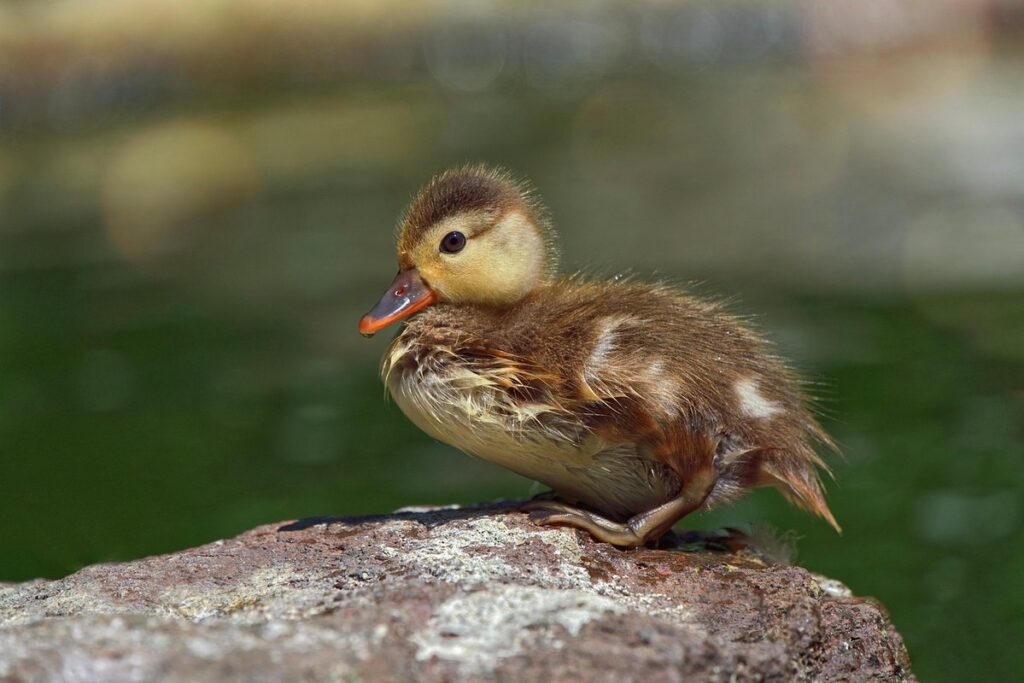
Understanding Duckling Development and Temperature Requirements
To raise healthy ducklings, it’s essential to understand their unique development stages and how temperature affects them. Let’s dive into the specifics of each stage!
Normal vs Abnormal Growth Rates in Ducklings
When it comes to monitoring duckling growth rates, it’s essential to know what constitutes normal versus abnormal development. A healthy duckling will grow at a rate of around 1-2 pounds per week during the first few weeks after hatching. However, this can vary depending on breed and individual factors.
Signs of heat stress in ducklings include lethargy, panting, and a reluctance to move or eat. On the other hand, cold stress may manifest as shivering, huddling together with siblings, or an increase in appetite. To determine if your ducklings are experiencing either type of stress, monitor their growth rates closely. A sudden drop-off in weight gain or failure to reach expected milestones can indicate heat or cold stress.
Keep a close eye on your ducklings’ behavior and physical condition. If you notice any unusual signs, take immediate action to adjust the temperature of their environment as needed. Remember that every duckling is different, so be prepared to make adjustments based on individual needs. By monitoring growth rates and responding promptly to any changes, you can help ensure your young ones stay comfortable and thrive.
Factors Influencing Heat Stress in Ducklings
When it comes to keeping your ducklings comfortable and healthy, understanding the factors that influence heat stress is crucial. Temperature is a significant factor, as ducklings can quickly become stressed when their environment exceeds 90°F (32°C). For every degree above 80°F (27°C), their water consumption increases by 10%. To put this into perspective, if you live in an area with frequent temperature fluctuations, consider keeping your ducklings indoors during heatwaves.
Humidity also plays a significant role, as high levels can exacerbate heat stress. Aim for a humidity level between 50-60% to prevent respiratory issues and keep your ducklings comfortable. Proper ventilation is equally important, allowing fresh air to circulate and reducing the risk of heat-related problems. Nutrition-wise, ensure your ducklings have access to adequate water and a balanced diet rich in protein, vitamins, and minerals. A well-fed duckling is better equipped to handle environmental stressors.
In addition to these factors, it’s also essential to monitor your ducklings’ behavior for signs of heat stress, such as panting, lethargy, or loss of appetite.
Importance of Monitoring Temperature in Brooders
Monitoring temperature in brooders is crucial to prevent heat-related issues that can be detrimental to ducklings. When temperatures are too high, ducklings may experience stress, which can weaken their immune system and lead to respiratory problems. On the other hand, if temperatures are too low, ducklings may struggle to maintain their body heat, causing them to lose energy and potentially develop hypothermia.
To avoid these issues, it’s essential to monitor temperature closely in the brooder. A common mistake is to rely solely on a thermometer, which can be inaccurate or not provide real-time data. A better approach is to use a digital temperature logger that allows for precise monitoring and tracking of temperature fluctuations over time. This helps identify patterns and anomalies, enabling you to make adjustments as needed.
Aim to maintain a brooder temperature between 90°F and 95°F (32°C to 35°C) during the first few weeks of life, gradually reducing it by 5-10 degrees every week thereafter. It’s also vital to ensure good ventilation in the brooder to prevent overheating. By closely monitoring temperature and making adjustments as necessary, you can create a comfortable environment for your ducklings to thrive.
What is a Duckling Heat Chart?
A duckling heat chart is a simple, yet crucial tool that helps you monitor and ensure your young ducks stay at the ideal temperature for growth and development. Let’s break it down together.
Definition and Purpose of a Duckling Heat Chart
A duckling heat chart is a crucial tool for waterfowl keepers to monitor their young ones’ growth and overall health. It’s essentially a visual representation of the ideal temperature range for ducklings at different stages of development. By tracking this information, you can ensure that your ducklings stay within a comfortable zone, which is essential for their healthy growth.
The primary purpose of a duckling heat chart is to help you identify potential health issues before they become severe. For instance, if the ambient temperature drops below the recommended level, it may cause stress and discomfort in your ducklings, leading to respiratory problems or even death. Conversely, temperatures that are too high can also be detrimental.
To create an effective duckling heat chart, start by consulting with experienced waterfowl breeders or veterinarians who specialize in poultry care. They will provide you with the specific temperature guidelines for your breed and age group of ducklings. Once you have this information, simply plot it on a graph or spreadsheet to visualize the optimal temperature range for each stage of development.
Types of Duckling Heat Charts Available
When it comes to monitoring and maintaining the perfect temperature for your ducklings, you’ll find that there are various types of heat charts available. These range from traditional paper-based options to electronic heat chart systems.
Electronic heat charts use sensors to track temperature fluctuations in real-time, providing instant feedback on whether the environment is suitable for your ducklings. Some popular electronic heat chart models offer wireless connectivity, allowing you to monitor temperatures remotely using a mobile app or computer. This feature is particularly useful if you’re away from home and need to ensure that your ducklings’ living space remains within a safe temperature range.
On the other hand, paper-based heat charts are a more low-tech option that still provides valuable insights into temperature patterns. These charts involve recording temperatures manually at set intervals and tracking changes over time. While they may require more effort on your part, paper-based heat charts can be especially useful for small-scale duckling care or when electronic systems are not feasible.
When choosing between electronic and paper-based options, consider the size of your operation, your level of technical expertise, and the specific needs of your ducklings.
How to Use a Duckling Heat Chart Effectively
To get the most out of a duckling heat chart, you need to set it up correctly. This involves placing the thermometer at the same height as the ducklings’ vent area and ensuring it’s not touching any surfaces that might affect the temperature reading. It’s also crucial to calibrate your thermometer regularly to guarantee accurate readings.
Once your chart is set up, it’s time to interpret the results. Check the heat zone for each duckling at different times of day. Observe where they spend most of their time and adjust the heating accordingly. For instance, if your ducklings tend to cluster in one area during colder months, you can shift the heat source to warm that particular spot.
To make adjustments easier, try using a chart with zones marked for different temperature ranges. This way, you’ll be able to quickly identify areas that need attention and make changes before it affects your birds’ comfort levels. Keep an eye on your ducklings’ behavior and adjust the heat chart accordingly – happy, healthy ducks are often more active than those who are too hot or cold.
Creating an Effective Duckling Heat Chart for Your Flock
When creating your duckling heat chart, it’s essential to understand what factors contribute to their comfort level and how to accurately measure it in your flock. Let’s break down these crucial elements together.
Setting Up a Temperature-Recording System
When it comes to setting up a temperature-recording system for your ducklings, accuracy and ease of use are crucial. You’ll want to invest in a thermometer that’s specifically designed for poultry, as these will typically have a range that’s suitable for the temperatures found in a brooder or enclosure. Digital thermometers are often the most accurate option, but analog thermometers can also be effective if used correctly.
To set up your temperature-recording system, place the thermometer in a location where it won’t come into direct contact with any heat sources – such as a light bulb or heating mat – and ensure that it’s level to prevent any inaccurate readings. You’ll also want to make sure that the thermometer is shielded from drafts, which can cause the temperature reading to fluctuate.
Some popular options for temperature-recording systems include wireless thermometers that can be connected to your smartphone or computer, allowing you to monitor the temperature remotely.
Choosing the Right Temperature Ranges for Different Ages
When it comes to creating an effective duckling heat chart, choosing the right temperature ranges for different ages and stages of development is crucial. As a general rule, ducklings require warmer temperatures as they are still adjusting to life outside the egg.
Newly hatched ducklings (0-4 days) need a temperature range of around 90-95°F (32-35°C), which is slightly higher than adult ducks. This helps them regulate their body temperature and stay warm, especially in drafty areas or cold climates. As they grow and mature, you can gradually decrease the temperature.
For ducklings aged 5-14 days, a temperature range of 85-90°F (29-32°C) is suitable. By this stage, they are more developed and require less warmth. From 2-3 weeks old, ducklings can be transitioned to temperatures similar to adult ducks, around 70-75°F (21-24°C). Remember, these temperature ranges serve as guidelines, and you should monitor your ducklings’ behavior and adjust accordingly to ensure they stay comfortable. Be prepared to make adjustments based on the climate and any changes in their environment.
Tips for Maintaining Consistency with Your Heat Chart
Maintaining consistency with your duckling heat chart is crucial to ensure that your young ones stay comfortable and healthy. It’s not just about setting a temperature and leaving it be – you need to consider various factors when adjusting temperatures to accommodate the changing needs of your flock.
Start by establishing a baseline temperature range for your heat lamp or brooder, taking into account the age and size of your ducklings. As they grow, you’ll need to adjust the temperature gradually. A good rule of thumb is to lower the temperature by 1-2°F (0.5-1°C) every few days until you reach a comfortable level for them.
It’s also essential to consider the humidity levels in the brooder. Too dry or too humid environments can be detrimental to your ducklings’ health, so make sure to monitor and adjust as needed. Be prepared to make adjustments based on observations of your flock’s behavior – if they seem cold or hot, it’s time to reassess the temperature setting.
When making changes, do it gradually to avoid shocking your ducklings. Aim for a 1-2°F (0.5-1°C) adjustment every few days to give their bodies time to adapt. Remember that consistency is key – stick to your established schedule and make adjustments only as needed.
Understanding Common Challenges with Duckling Heat Charts
One of the most frustrating aspects of using duckling heat charts is dealing with common challenges that can make it difficult to keep your young ones at a comfortable temperature. Let’s dive into some of these issues together.
Identifying Causes of Inconsistencies in Temperature Readings
When it comes to monitoring temperature readings for ducklings, inconsistencies can be frustrating and worrisome. Let’s dive into some common causes of these discrepancies and explore potential solutions.
Temperature fluctuations can arise from various sources. One reason is human error: a faulty thermometer or incorrect reading can throw off the entire chart. Another culprit is environmental factors – drafts, proximity to heat sources, or changes in ambient temperature can all impact readings. Even variations in duckling density or their physical activity levels can cause inconsistencies.
To mitigate these issues, it’s essential to calibrate your thermometers regularly and ensure they’re properly positioned within the brooder. Consider using multiple thermometers with different measurement points to get a more accurate picture of the environment. Additionally, monitor temperature fluctuations over time to spot any anomalies and make adjustments accordingly. By understanding the potential causes and implementing these preventive measures, you can trust your duckling heat chart to provide reliable insights into their thermal comfort.
Managing Environmental Factors that Affect Temperatures
When managing ducklings, it’s essential to consider environmental factors that can impact temperatures. One crucial aspect is maintaining a suitable humidity level. High humidity can lead to heat stress, while low humidity can cause dehydration. To achieve the ideal balance, ensure good ventilation by installing windows or vents in your enclosure. You can also use a humidifier to maintain a comfortable 40-60% relative humidity.
Proper ventilation not only helps regulate temperature but also prevents ammonia buildup from waste. Make sure there’s adequate airflow within the enclosure to prevent respiratory issues. Provide shade for ducklings during peak sun hours using tarps, umbrellas, or even a shaded area outdoors. A shaded spot with indirect sunlight can help maintain a comfortable temperature without overheating your ducklings.
Remember, every environment is unique, so monitor your ducklings closely and adjust these factors accordingly.
Addressing Issues with Your Heat Chart or Temperature-Recording System
Don’t panic if you’re experiencing issues with your heat chart or temperature-recording system! Troubleshooting is a normal part of maintaining a duckling’s comfort level. Let’s start by identifying the problem: Is it not displaying accurate temperatures, malfunctioning altogether, or simply not syncing correctly? Check your connections first – ensure all wires are securely plugged in and that the sensor is properly seated.
If you’re using a digital heat chart, try resetting the device to its default settings. This might require removing power from the system for 30 seconds before replugging it. If issues persist, check for software updates or seek guidance from the manufacturer’s support team.
Another common issue is faulty temperature sensors. Replace them if necessary and recalibrate your system according to the manufacturer’s instructions. Regularly inspect your setup for any blockages or tampering, as this can affect reading accuracy.
Advanced Techniques for Optimizing Duckling Growth Using Heat Charts
As you gain more experience using heat charts, it’s time to explore advanced techniques that will help you fine-tune your ducklings’ environment and ensure they grow at their best. Let’s dive into some expert strategies.
Correlating Feed Intake with Temperature and Growth Rates
Correlating feed intake with temperature and growth rates is a crucial step in optimizing duckling growth. By analyzing these factors together, you can identify the optimal temperature range for your ducklings to consume the most feed and grow at their fastest rate. This is where heat charts come into play.
Imagine having a chart that shows how your ducklings’ feed intake changes as the temperature rises or falls. With this information, you can pinpoint the ideal temperature zone where growth rates are maximized while maintaining adequate feed consumption. For instance, studies have shown that temperatures between 90°F and 95°F (32°C to 35°C) promote optimal growth in ducklings.
To correlate feed intake with temperature and growth rates effectively, follow these steps: Track your ducklings’ feed intake over a period of time, noting the average daily consumption at different temperature settings. Next, record their weight gain and growth rates during the same period. By plotting this data on a heat chart, you’ll be able to visualize the relationship between temperature and feed intake.
By understanding these interconnections, you can fine-tune your heat chart settings to ensure your ducklings remain comfortable while achieving maximum growth potential.
Using Data from Your Heat Chart to Inform Nutrition Decisions
When reviewing your heat chart, you’ll start to notice patterns and correlations between temperature fluctuations and your duckling’s growth. This data can be incredibly valuable in informing nutrition decisions. For instance, if you notice a lag in growth during periods of consistent high temperatures, it may indicate that your ducklings are experiencing stress due to excessive heat.
Adjusting feed formulations is one way to mitigate this issue. By incorporating additional nutrients or adjusting the ratio of protein to energy in their feed, you can help your ducklings better cope with the heat. For example, adding extra electrolytes or minerals can help replenish those lost through sweating.
Monitoring your heat chart can also help you identify when to switch from starter feed to grower feed. Typically, this transition occurs around 4-6 weeks of age, but if your ducklings are experiencing growth plateaus due to heat stress, it may be beneficial to make the switch earlier to provide them with a boost.
By analyzing data from your heat chart and making informed nutrition decisions, you can create a more optimal environment for your duckling’s growth and development.
Long-Term Benefits of Monitoring Temperatures in Ducklings
Monitoring temperatures in ducklings may seem like a trivial task, but it has a significant impact on their health and productivity in the long run. By keeping a close eye on temperature fluctuations, you can identify potential issues before they become major problems.
For instance, ducklings that are kept at a consistent temperature between 90°F to 95°F (32°C to 35°C) tend to grow faster and healthier than those that experience frequent temperature changes. This is because their metabolism works more efficiently in stable temperatures, allowing them to burn calories more effectively.
As your ducklings mature, monitoring temperatures becomes even more crucial. A consistent heat source can improve egg production in females by as much as 20% compared to those raised in variable temperatures. Furthermore, maintaining optimal temperatures helps reduce the risk of respiratory problems and stress-related illnesses in your flock.
By using a reliable heat chart to track temperature fluctuations, you can ensure that your ducklings stay comfortable and healthy throughout their development. This proactive approach not only improves their health but also contributes to increased productivity and profitability in the long run.
Frequently Asked Questions
What if I notice inconsistencies in my duckling heat chart readings?
Conduct a thorough review of your temperature-recording system to identify potential sources of error, such as faulty thermometers or inadequate ventilation. Ensure that you’re using the correct temperature ranges for each age group and adjust your settings accordingly. Regularly calibrate your equipment to maintain accuracy.
How often should I check my duckling’s growth rates against their corresponding temperatures?
Monitor your ducklings’ growth daily and record their weights, measurements, and any notable changes in behavior or appearance. This will help you identify potential issues early on and make informed decisions about their care. Use this information to adjust your temperature settings as needed.
Can I use a single temperature range for all duckling ages?
No. Different age groups have unique temperature requirements, which vary depending on breed, individual development, and environmental factors. Using a single temperature setting can lead to heat stress or inadequate warmth, negatively impacting growth rates and overall health.
How do I handle situations where my brooder’s temperature fluctuates significantly?
Invest in a reliable temperature control system that allows for precise adjustments. Regularly inspect your brooder’s insulation, ventilation, and lighting to identify potential causes of temperature fluctuations. Implementing a backup power source or redundant heating systems can also help minimize disruptions.
What if I’m struggling to maintain consistency with my heat chart or temperature-recording system?
Revisit the main article for tips on creating an effective duckling heat chart and setting up a reliable temperature-recording system. Consider consulting with experienced breeders or seeking guidance from a poultry expert to address specific challenges you’re facing.