
Are you considering bringing some adorable ducklings into your home? If so, having the right equipment to keep them warm and cozy is essential. That’s where a duckling heater comes in – a vital tool for maintaining a comfortable environment for your feathered friends. But with so many options available, choosing the perfect heater can be overwhelming.
In this ultimate guide, we’ll walk you through everything you need to know about duckling heaters, from types and benefits to installation and maintenance tips. We’ll explore how to select the right size and capacity for your unique home needs, ensuring that your ducklings stay happy and healthy all year round. Whether you’re a seasoned duck breeder or just starting out, our expert advice will help you make informed decisions about choosing the best duckling heater for your flock.
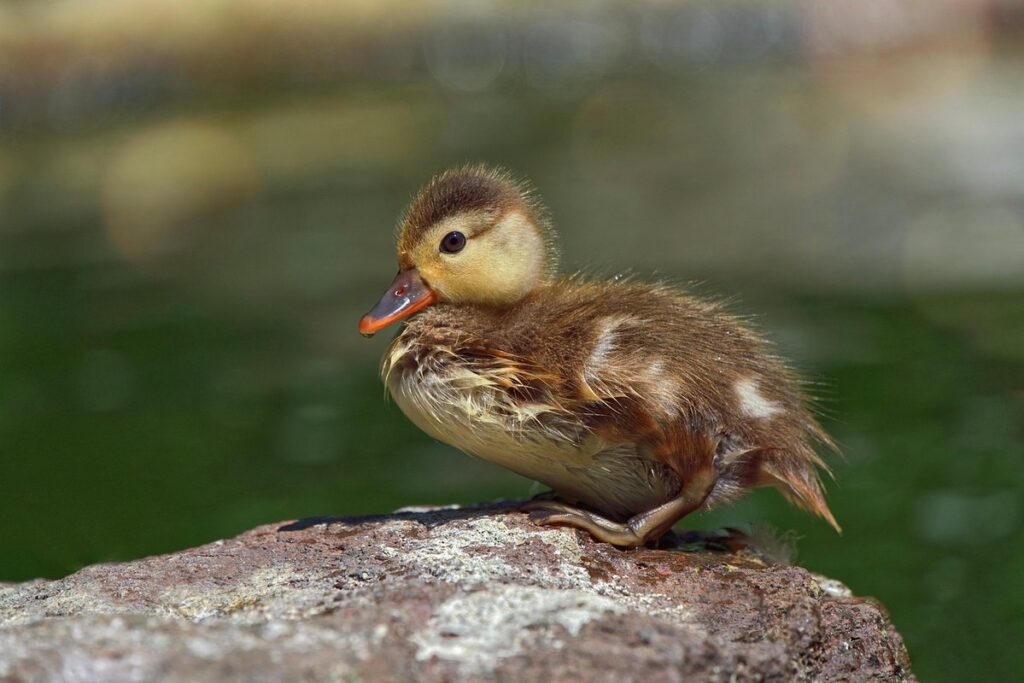
What is a Duckling Heater and How Does it Work?
So, you’re curious about how those adorable ducklings stay warm and cozy? In this next part of our guide, we’ll break down exactly what a duckling heater is and how it works its magic.
Introduction to Duckling Heating Technology
Duckling heaters are an innovative solution for space heating, offering efficient and cost-effective warmth for homes. These devices work by utilizing a unique thermodynamic process to convert electrical energy into heat, which is then distributed throughout the space via radiant panels or convection.
At its core, a duckling heater uses a proprietary technology that allows it to maintain a consistent temperature while minimizing energy consumption. This efficiency is due in part to the device’s ability to self-regulate and adjust to changing environmental conditions. The benefits of using a duckling heater include reduced heating costs, increased comfort levels, and decreased greenhouse gas emissions.
Before making a purchase, it’s essential to understand how these devices function and what you can expect from them. By doing so, you’ll be better equipped to choose the right model for your specific needs and ensure that it integrates seamlessly into your home’s existing infrastructure. This knowledge will also help you optimize the performance of your duckling heater over time.
Types of Duckling Heaters: Electric vs. Oil-Fired
When it comes to selecting a duckling heater for your home, one of the most critical decisions is choosing between electric and oil-fired models. Both types have their pros and cons, which we’ll break down below.
Electric duckling heaters are generally more efficient than their oil-fired counterparts. They convert electrical energy into heat directly, resulting in less energy loss during transmission. This efficiency comes at a cost, however: electricity can be expensive, especially for households with high usage rates. According to the US Department of Energy, using an electric space heater for 8 hours a day can increase your electricity bill by up to $150 per year.
Oil-fired duckling heaters, on the other hand, are more cost-effective in the short term but have significant environmental drawbacks. They burn oil to produce heat, which releases pollutants into the air and contributes to greenhouse gas emissions. In fact, the EPA estimates that oil-fired furnaces account for 20% of total particulate matter emissions from stationary sources.
Ultimately, your decision between electric and oil-fired will depend on your specific needs and priorities. If you’re looking for a more eco-friendly option or have access to renewable energy sources, an electric duckling heater might be the better choice. However, if budget is a concern and you can find a reliable supplier for oil, an oil-fired model could save you money in the short term.
Benefits and Advantages of Using a Duckling Heater
Using a duckling heater can bring numerous benefits, such as reduced energy consumption and extended lifespan for your ducklings. Let’s dive into these advantages in more detail below.
Energy Efficiency and Cost Savings
One of the most significant advantages of using a duckling heater is its ability to reduce energy consumption and lower heating bills. Unlike traditional heaters that can waste energy by heating empty spaces, duckling heaters are designed to warm specific areas or objects, ensuring a more targeted and efficient use of heat.
For instance, imagine you have a large living room with a tendency to get chilly in the winter months. A traditional heater might struggle to maintain a consistent temperature throughout the space, often resulting in wasted energy and higher bills. In contrast, a duckling heater can be placed near your favorite reading chair or sofa, providing a cozy warmth that’s precisely where you need it.
By choosing a duckling heater, you can reduce heat loss by up to 30% compared to traditional heating methods. This is because these devices work by circulating warm air directly onto the object or area, minimizing heat escape and ensuring that your energy consumption stays in check.
Space Heating Made Easy with Duckling Heaters
Duckling heaters have revolutionized the way we think about space heating. One of the most significant advantages they offer is ease of installation. Unlike traditional radiators that require extensive plumbing and wiring, duckling heaters are plug-and-play devices that can be up and running within minutes. This means you can enjoy warm, cozy spaces without breaking a sweat or hiring an electrician.
Another benefit of duckling heaters is their minimal maintenance requirements. These units are designed to be self-contained, with no need for annual servicing or replacement of parts. Simply plug them in, turn them on, and let the heat flow. This not only saves you time and money but also reduces your environmental impact by minimizing waste.
With a wide range of styles and sizes available, it’s easy to find a duckling heater that fits seamlessly into your home décor. Whether you’re looking for a compact unit for a small bedroom or a larger model for an open-plan living space, there’s a duckling heater to suit your needs.
Choosing the Right Size and Capacity for Your Home
When it comes to selecting a duckling heater, getting the right size and capacity is crucial to ensuring your feathered friends stay warm and cozy. Let’s dive into how to make this decision.
Determining Your Heat Loss Calculation
To determine the perfect size of duckling heater for your home, you first need to calculate your heat loss calculation. This will help ensure that you choose a unit with sufficient capacity to warm your space efficiently.
Start by gathering some essential information: the square footage of your home, insulation levels, windows’ age and condition, and whether or not your home is well-sealed. You can use online tools or consult professionals if needed.
Next, calculate the heat loss calculation using the following formula: Heat Loss (BTUs) = 35 x Square Footage + (Number of Windows x 10 BTU). For example, a house with 2,000 square feet and five windows will have a total heat loss of approximately 70,000 BTUs.
Consider factors like your home’s construction type, climate, and intended usage. If you’re looking to warm up only a single room or zone, factor that into your calculation as well. This will give you a clear idea of the heating capacity required for your space.
Factors to Consider When Selecting a Duckling Heater Size
When selecting a duckling heater size, it’s crucial to consider several factors beyond just the number of ducklings you have. Room size is a significant factor, as a larger space requires more heat to maintain a comfortable temperature for your feathered friends.
Assess your room’s insulation quality – if it’s poorly insulated, you may need a more powerful heater to compensate for heat loss. Additionally, think about your personal comfort level: do you prefer a warm and cozy environment or a cooler one? This will help you determine the ideal temperature range your duckling heater should maintain.
Consider the “Rule of Thumb” – for every 10 square feet of space, you’ll need approximately 1-2 watts of heat. For example, if your room is around 100 square feet, you would require a 10-20 watt duckling heater to keep it warm and cozy. However, this is just an estimate, and the actual size needed may vary depending on specific conditions.
Top Brands and Models: A Comparative Analysis
When it comes to selecting the perfect duckling heater for your home, let’s take a closer look at top brands and their standout models that consistently impress owners.
Overview of Popular Duckling Heater Brands
When it comes to choosing a duckling heater for your home, selecting from top-rated brands can be overwhelming. However, familiarizing yourself with their strengths and weaknesses will help you make an informed decision.
Some popular duckling heater brands include Aviary, Hagen, and Exo Terra. Aviary is known for its energy-efficient designs and wide range of products suitable for various habitats. Their heaters are also easy to install and maintain.
Hagen, on the other hand, offers a more extensive selection of duckling heaters with advanced features such as thermostat control and automatic shut-off. However, some users have reported issues with durability and customer support.
Exo Terra is another well-regarded brand that specializes in providing high-quality, compact heaters for small spaces. Their products often come at a higher price point but are praised for their reliability and efficiency.
Ultimately, the best brand for you will depend on your specific needs and preferences. Research each option thoroughly, reading reviews and comparing features to find the one that suits your duckling’s requirements.
In-Depth Comparison of Key Models and Their Features
When choosing a duckling heater, it’s essential to consider various models from top brands. Let’s take a closer look at some popular options.
The Duckling Deluxe by PetSafe is a favorite among many pet owners. It features five heat settings, a thermostat for precise temperature control, and an automatic shut-off in case of overheating. Users praise its ease of use and effectiveness in keeping ducklings warm. On Amazon, it boasts a 4.5-star rating with over 500 reviews.
Another popular option is the Brinsea Mini II, known for its compact design and affordability. It has two heat settings and an adjustable thermostat. Customers appreciate its portability and gentle heating action. The Brinsea Mini II has a 4.3-star rating on Amazon, with many users recommending it for small duckling flocks.
The Exo Terra Heat Mat is a unique option that uses a heated mat to warm the environment. It’s energy-efficient and easy to set up, making it ideal for larger spaces or multiple ducklings. Reviewers praise its effectiveness in keeping areas warm without drying out the environment.
When selecting a duckling heater, consider factors like heat output, thermostat accuracy, and ease of use. Read customer reviews to ensure you choose a model that meets your specific needs.
Installation, Maintenance, and Safety Precautions
Now that you’ve chosen the perfect duckling heater for your home, it’s time to learn how to install, maintain, and use it safely to ensure a warm and healthy environment for your feathered friends. Proper installation and care will extend its lifespan.
Step-by-Step Installation Guide for Duckling Heaters
To ensure safe and correct installation of your duckling heater, follow these steps:
First, read the manufacturer’s instructions carefully to understand any specific requirements for your model. Next, choose a suitable location for the heater, ideally near the area where you’ll be keeping your ducklings but out of their reach to avoid accidental contact.
Begin by unplugging the power cord and gently removing any packaging materials from around the heater. Lay down a protective covering to prevent water or debris from damaging the surrounding surfaces.
Using a stud finder, locate the nearest electrical outlet that matches the wattage requirements specified in your heater’s manual. Carefully make the necessary connections, ensuring all wires are securely fastened and the outlet is safely covered with a faceplate.
Once installed, plug in the duckling heater and test it to ensure proper functioning. Monitor its performance closely during the first few hours of use to identify any potential issues or needed adjustments.
Regular Maintenance and Cleaning Tips for Optimal Performance
Regular maintenance is crucial to ensure your duckling heater operates efficiently and safely. To start, clean or replace the filter every 1-3 months, depending on usage. This simple task helps maintain airflow, preventing overheating and reducing dust buildup.
Inspect electrical connections regularly to prevent damage from wear and tear. Check for loose connections, frayed wires, and signs of burning. If you notice any issues, address them promptly to avoid short circuits or electrical fires.
Additionally, clean the exterior of your heater with a damp cloth every 1-2 months. This removes dust, dirt, and other debris that can accumulate over time. For more thorough cleaning, refer to your manufacturer’s guidelines for specific instructions.
By performing these regular maintenance tasks, you’ll extend the lifespan of your duckling heater and ensure it continues to provide warmth and comfort to your home. Remember to always follow the manufacturer’s recommendations for maintenance and repair to keep your heater in top condition.
Frequently Asked Questions (FAQs) and Troubleshooting
We’ve anticipated some common questions you might have when choosing a duckling heater, so we’ve put together this FAQ section to help address any concerns. Check out our troubleshooting tips below for solutions to common issues.
Common Issues and Solutions for Duckling Heaters
When it comes to duckling heaters, some common issues may arise that can be frustrating and affect the health of your young ducks. One of the most frequent problems is a heater not turning on or a malfunctioning thermostat. If this happens, first check if the power cord is securely plugged into both the heater and the wall outlet. Next, inspect the fuse or circuit breaker to ensure it hasn’t tripped. Also, verify that the temperature setting is correct for your duckling’s needs.
Another common issue is uneven heating distribution, which can leave some areas of the enclosure too cold while others are too hot. To address this, make sure the heater is placed in a central location and adjust its direction to ensure even heat flow. You may also need to increase or decrease the temperature setting depending on the specific needs of your ducklings.
In addition, some owners may experience difficulties with maintaining the right humidity levels within the enclosure. This can be solved by placing the heater above a water source, such as a birdbath or shallow pool, which will help maintain moisture in the air.
Manufacturer Warranties and Customer Support Options
When it comes to protecting your investment and getting help when you need it, manufacturer warranties and customer support options are crucial considerations. Not all duckling heaters come with the same warranty terms and customer support offerings, so be sure to review these details before making a purchase.
Most manufacturers offer a standard warranty that covers defects in materials and workmanship for a specified period, typically ranging from one to five years. Some premium brands may also offer extended warranties or additional protection plans that provide extra peace of mind. To access your warranty information, check the manufacturer’s website or contact their customer support team directly.
In addition to warranty coverage, look for manufacturers that offer dedicated customer support, including phone, email, and online chat services. This can be especially helpful if you’re experiencing issues with your duckling heater or have questions about its operation. When contacting customer support, be sure to have your product serial number and purchase receipt handy to expedite the process. By choosing a manufacturer that offers robust warranty and support options, you’ll be better equipped to enjoy a safe and successful experience with your new duckling heater.
Conclusion: Why Choose a Duckling Heater for Your Home?
So, you’ve learned all about duckling heaters and their many benefits – now it’s time to decide if one is right for your home. Let’s summarize why a duckling heater can be an excellent choice.
Recap of Key Benefits and Advantages
In this ultimate guide, we’ve explored the world of duckling heaters and why they’re an excellent choice for warming up your home. By now, you should have a clear understanding of the benefits and advantages of using these energy-efficient devices.
Let’s recap: a duckling heater is not only compact and space-saving but also incredibly easy to install and maintain. They come in various sizes and styles, making it simple to find one that suits your specific needs. Plus, with their advanced safety features and quiet operation, you can enjoy a cozy atmosphere without worrying about noise pollution.
As we’ve discussed earlier, duckling heaters are designed for indoor use, perfect for small spaces or rooms with poor insulation. They’re also a cost-effective solution, providing efficient warmth while minimizing energy consumption. Whether you’re looking to replace your old heating system or supplement it with a secondary source of warmth, a duckling heater is an excellent option.
By choosing the right duckling heater for your home, you’ll not only save money on your energy bills but also enjoy a warmer and more comfortable living space throughout the year.
Final Thoughts on Making an Informed Decision
When making an informed decision about choosing the right duckling heater for your home, there are several key factors to consider. First and foremost, think about the size of the space you need to heat. A larger heater may be necessary for bigger rooms or areas with high ceilings, while a smaller one may suffice for cozier spaces.
Consider the type of heating you prefer – radiant, convection, or infrared. Each has its own unique benefits and drawbacks, so it’s essential to research and understand which style suits your needs best. Additionally, think about energy efficiency – look for heaters with high BTU ratings and Energy Star certifications to save on your utility bills.
Don’t forget to check the safety features of the heater, such as overheat protection, cool-touch exteriors, and secure cord storage. A safe heater is a happy one! Finally, read reviews from other customers who have purchased the same model – their experiences can provide valuable insights into a product’s performance and reliability. By weighing these factors carefully, you’ll be well on your way to making an informed decision that meets your specific needs and budget.
Frequently Asked Questions
Can I use a duckling heater for other small animals besides ducks?
Yes, many duckling heaters are designed to be versatile and can be used for other small animals such as chicks, goslings, or even small birds. However, it’s essential to check the manufacturer’s specifications and ensure the heater is suitable for your specific needs.
How often should I clean my duckling heater?
Regular cleaning of your duckling heater is crucial to maintain optimal performance and prevent bacterial growth. We recommend cleaning the unit every 2-3 months, or as needed, following the manufacturer’s guidelines and our regular maintenance tips.
What if I have a large space with high ceilings? Will a standard duckling heater suffice?
Not always. For larger spaces with high ceilings, you may need to install multiple duckling heaters or consider a more powerful model specifically designed for bigger areas. Consult our guide on choosing the right size and capacity for your home to ensure you select the most suitable option.
Can I leave my duckling heater unattended while it’s in use?
No, it’s not recommended to leave your duckling heater unattended, especially if you have a large flock or a multi-level coop. Always keep an eye on the unit and be aware of any unusual sounds, odors, or changes in performance.
What is the ideal temperature setting for my ducklings during extreme weather conditions?
The ideal temperature range for your ducklings is between 90°F to 95°F (32°C to 35°C). During extremely cold or hot weather, you may need to adjust the thermostat accordingly. Consult our energy efficiency and cost savings section for more information on optimizing your heating system.