
Duckling season is just around the corner, and as an excited owner of these adorable feathered friends, you’re probably wondering how to care for your new arrivals. This crucial period requires extra attention to ensure your ducklings grow into healthy, happy ducks. From safety measures to prevent diseases and injuries, to understanding their unique nutritional needs, it’s essential to be well-prepared. In this comprehensive guide, we’ll walk you through the key aspects of caring for your ducklings during this critical time. We’ll cover everything from recognizing common health issues to creating a suitable environment that promotes growth and development. Whether you’re a seasoned duck breeder or a beginner, this article will provide valuable insights to help you navigate the challenges and joys of duckling season with confidence.
What is Duckling Season?
So, you’re new to duckling season and wondering what all the fuss is about – let’s break it down and explore the ins and outs of this fascinating time.
Definition of Duckling Season
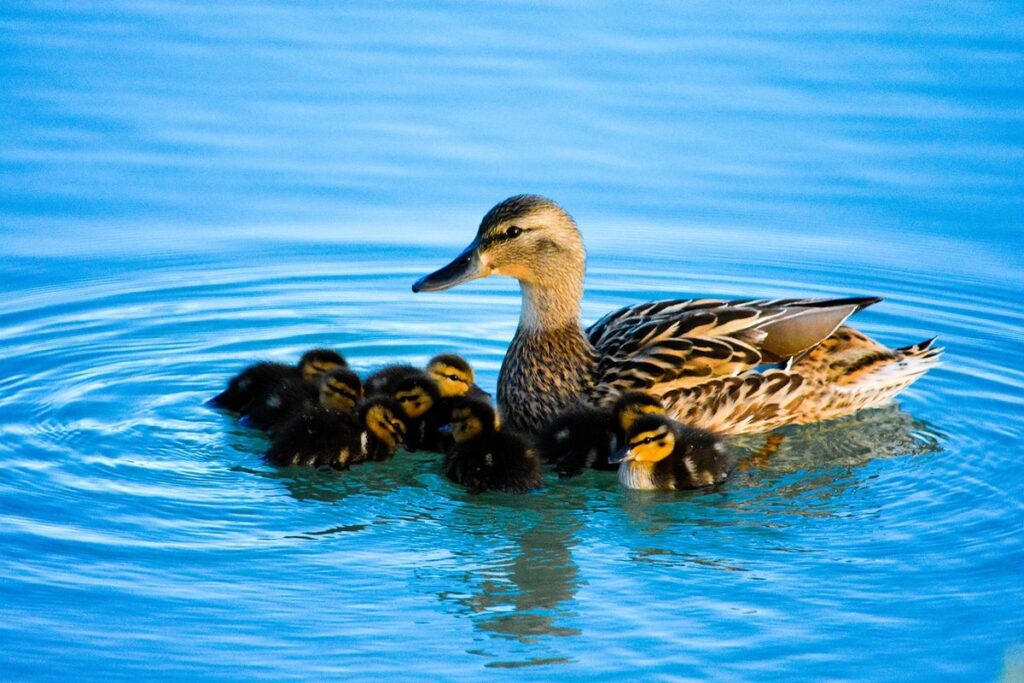
Duckling season is a critical period for waterfowl enthusiasts, and it’s essential to understand what it entails. Essentially, duckling season refers to the time when duck eggs hatch, and young ducks are born. This natural phenomenon typically occurs during springtime, as temperatures begin to rise and daylight hours increase. The exact timing of duckling season varies depending on factors such as climate, location, and breed.
As a waterfowl enthusiast or breeder, being aware of the signs that indicate approaching duckling season is crucial. Keep an eye out for eggs starting to pip (break their shell) around 28-30 days after incubation begins. It’s also essential to create a suitable environment for the new arrivals by preparing a safe and comfortable space for them to grow.
During this period, you can expect ducklings to emerge from their shells within a few hours of each other, as they tend to hatch in synchrony. Be prepared for the energy and excitement that comes with raising young ducks!
Importance of Understanding Duckling Season
Understanding duckling season is essential for anyone who wants to raise healthy and thriving ducks. As a backyard chicken keeper, farmer, or wildlife enthusiast, knowing when to introduce ducklings to the world can make all the difference in their growth and development.
For starters, understanding duckling season helps you plan ahead. It’s not just about introducing new additions to your flock; it’s also about ensuring that they are exposed to the right environment at the right time. If you introduce ducklings too early or too late, it can impact their health, socialization, and overall well-being.
Here are a few things to keep in mind when it comes to understanding duckling season:
* Timing is everything: In most regions, duckling season occurs between April and July, with the exact dates varying depending on your location.
* Weather conditions matter: Avoid introducing ducklings during extreme weather conditions such as intense heat or cold snaps.
* Age is crucial: Typically, ducklings are ready to leave their mothers at around 4-6 weeks old. However, this can vary depending on breed and individual development.
By understanding duckling season, you’ll be better equipped to provide the best possible care for your feathered friends.
How to Prepare for Duckling Season
Before ducklings arrive, make sure your home and yard are ready by getting rid of any hazards that could harm them. This includes removing toxic plants and securing loose wiring.
Creating a Safe Environment for Ducklings
Creating a safe environment for ducklings is crucial during their first few weeks of life. You’ll need to set up a brooder that provides adequate heat sources, ventilation, and space for the little ones to move around comfortably.
Start by selecting a brooder that’s specifically designed for ducklings, with walls at least 18 inches high to prevent escape attempts. Add a heat source such as a heat lamp or ceramic heat emitters, which should be placed in an area where your ducklings can’t get too close to avoid burns. A good rule of thumb is to provide 1-2 square feet of space per duckling, with adequate ventilation through windows or vents.
It’s also essential to maintain a consistent temperature between 90-100°F (32-38°C) during the first week, gradually reducing it by 5-10°F each subsequent week. This will help prevent scoliosis and other heat-related health issues. Make sure to change the bedding regularly to keep your brooder clean and dry.
When introducing ducklings to their new environment, do so gradually to avoid stressing them out. Provide a shallow dish of water for drinking and a separate container filled with fresh food specifically formulated for young ducks. By following these guidelines, you’ll create a safe haven for your little ones to grow and thrive.
Feeding and Nutrition for Ducklings
When it comes to feeding ducklings, providing them with a balanced and nutritious diet is crucial for their growth and development. As soon as they hatch, ducklings need a high-quality starter feed that contains the right mix of protein, energy, and essential vitamins and minerals.
A good starter feed should have around 20-22% protein content to support rapid growth and development during the first few weeks of life. Look for feeds specifically formulated for ducklings or waterfowl as they tend to be more nutritious than regular poultry feeds.
In addition to starter feed, you can also supplement their diet with fresh fruits and vegetables. Leafy greens like kale and spinach are excellent choices, as well as sliced carrots and apples. However, it’s essential to introduce new foods gradually to prevent digestive upset.
Remember to provide fresh water at all times, and consider using a calcium-rich supplement to support strong beak growth. By offering a varied and nutritious diet, you’ll set your ducklings up for a healthy and happy life.
Recognizing Signs of Duckling Season
Duckling season is just around the corner, and it’s essential you know how to spot the telltale signs that indicate it’s time to get started. Learn what to look out for in this crucial part of your duck rearing journey.
Identifying Physical Changes in Ducks
As duckling season begins, you’ll start to notice some significant physical changes in your feathered friends. One of the most noticeable transformations is the growth of their feathers. At first, ducklings will have a fluffy down layer that provides warmth and protection from the elements. As they mature, this down will be replaced by longer, more robust feathers that help regulate their body temperature.
Beak development is another crucial aspect to observe during duckling season. The beaks of young ducks are soft and pink when they hatch, but as they grow, they’ll begin to harden and turn a yellowish color. This process usually takes around 4-6 weeks and is essential for foraging and eating.
Monitor your ducklings’ weight gain closely, as it’s an excellent indicator of their overall health. A healthy duckling should gain about 1-2 ounces (28-57 grams) per day. Keep in mind that each species may have slightly different growth rates, so be sure to research the specific needs of your ducks.
Behavioral Changes in Ducks During Duckling Season
During duckling season, ducks undergo significant behavioral changes that are crucial for the survival and success of their offspring. One of the most notable changes is an increase in activity levels. Ducks become more restless and agitated as they prepare to nest and raise their young. They may appear to be constantly on the move, searching for suitable nesting sites or food sources.
Social interactions also become more frequent and intense during this time. Males will often engage in loud displays of aggression to defend their territory and potential mates from rival males. Female ducks, on the other hand, will form close bonds with each other as they work together to build nests and care for their ducklings. As a responsible duck owner or enthusiast, it’s essential to recognize these behavioral changes and provide your feathered friends with the necessary space and resources to thrive.
Keep in mind that these changes can be subtle at first, so be sure to observe your ducks closely during this time. By doing so, you’ll be better equipped to anticipate their needs and ensure a smooth transition into duckling season.
Caring for Newborn Ducklings
As you welcome a new brood into your family, it’s essential to provide proper care and attention to ensure the health and well-being of newborn ducklings. This section will guide you through the must-knows for their first few weeks.
Handling and Socialization of Ducklings
Handling newborn ducklings requires care and gentleness to prevent stress and promote healthy development. When picking up a duckling, support its body and wings, making sure not to pick it up by the neck or tail. This will help reduce stress caused by being handled improperly.
Socialization is also crucial during this period. Introduce the ducklings to people, other animals, and new environments gradually, allowing them to become comfortable with their surroundings. Start with short sessions, around 10-15 minutes, and increase exposure time as they grow more confident.
To promote socialization, you can place a duckling on your lap or have it explore its enclosure while you’re present. This will help the duckling become accustomed to human interaction and reduce aggression when it’s older. It’s essential to remember that proper socialization during this period sets the foundation for a well-adjusted adult duck.
Monitor the ducklings’ behavior closely, and intervene if you notice signs of stress or anxiety. Provide a calm and stable environment, ensuring their basic needs are met, including food, water, shelter, and adequate space to move around.
Keeping Ducklings Warm and Comfortable
Newly hatched ducklings are extremely vulnerable to cold temperatures, and their bodies lose heat quickly. To prevent hypothermia, it’s essential to provide a warm environment for them during the first few weeks of life. One effective way to keep ducklings cozy is by using heat lamps or ceramic heat emitters in conjunction with a brooder or incubator.
When choosing bedding material, opt for dry and clean options like shredded newspaper, straw, or pine shavings. Avoid using wood chips or anything that may attract moisture, as this can lead to mold growth and create an unhealthy environment for the ducklings. A thick layer of bedding will help regulate temperature and provide a comfortable surface for the young birds to move around on.
Maintain a consistent temperature between 90-100°F (32-38°C) in the brooder or incubator, with a slight drop in temperature at night to promote natural growth. Monitor the ducklings closely, ensuring they have access to adequate ventilation and can easily move away from the heat source if needed. By following these guidelines, you’ll be able to create a warm and comfortable environment for your newborn ducklings to thrive in.
Managing Health Issues in Ducklings
As you work to raise healthy, happy ducklings, it’s essential to be aware of common health issues that can arise, and how to identify and address them quickly. We’ll walk through some key signs and solutions to get you back on track.
Common Health Issues in Ducklings
As you welcome ducklings into your flock, it’s essential to be aware of common health issues that can affect them. Respiratory problems are one of the most common issues ducklings face, especially during their first few weeks of life. Bacterial and viral infections such as pasty butt and pneumonia can quickly spread through a brooder or coop, putting even the hardiest duckling at risk. To prevent respiratory issues, ensure proper ventilation in your brooder or coop, and keep an eye out for signs like labored breathing, wheezing, or a lack of energy.
Parasites are another health concern for ducklings. Internal parasites such as worms can cause weight loss, lethargy, and even death if left untreated. External parasites like mites and lice can cause discomfort, itching, and skin irritation. To control parasite infestations, regularly clean the coop, provide a balanced diet that includes deworming supplements, and inspect your ducklings daily for signs of parasites.
Nutritional deficiencies are also common in ducklings, particularly if they’re not receiving a well-balanced diet. Ensure you’re feeding high-quality starter feed specifically formulated for young waterfowl, and supplement with fresh fruits and vegetables to provide essential vitamins and minerals. Regularly monitor your ducklings’ appetite, weight, and overall health to catch any nutritional deficiencies early on.
Preventing Health Issues in Ducklings
Maintaining a clean environment is crucial to preventing health issues in ducklings. Ensure their enclosure is well-ventilated and free from drafts. Remove soiled bedding regularly and replace it with fresh material like wood shavings or straw. Keep the area around their feeding troughs and waterers clean to prevent bacterial growth.
A balanced diet is essential for healthy ducklings. Provide them with a starter feed specifically formulated for young birds, supplemented with fresh fruits and vegetables daily. Avoid giving them bread or other human food, as it can lead to nutritional deficiencies and digestive issues. Make sure their water source is clean and changed frequently to prevent bacterial contamination.
Monitor your ducklings’ health closely by checking on them regularly for signs of illness such as labored breathing, lethargy, or loss of appetite. Consult a veterinarian experienced in poultry care if you notice any unusual behavior. Regular vaccinations and parasite control measures can also help prevent the spread of diseases.
Conclusion: Tips for a Successful Duckling Season
Now that you’ve learned the ins and outs of duckling season, it’s time to put your newfound knowledge into action. Let’s dive into some actionable tips to ensure a successful duckling season.
Summary of Key Takeaways
As we come to the end of our comprehensive guide to duckling season, let’s recap the key takeaways to ensure you’re fully prepared for a successful breeding season. By now, you should have a solid understanding of the importance of proper nutrition, health checks, and habitat management for your ducks.
Key areas to focus on include providing a balanced diet that meets your ducks’ nutritional needs, ensuring they receive regular veterinary check-ups to prevent disease, and maintaining a clean and safe environment to promote overall well-being. Don’t forget to also consider factors like breeding ratio, egg storage, and predator control to minimize potential risks.
Some of the most crucial tips to remember are: maintain accurate records of births, hatch rates, and chick mortality; regularly inspect nesting boxes and adjust as needed; and be prepared for unexpected events by having a plan in place. By incorporating these essential strategies into your duckling season management, you’ll be well on your way to a successful breeding season.
Additional Resources for Duckling Care
If you’re eager to dive deeper into duckling care and stay up-to-date on best practices, there are many excellent resources available. For bookworms, some must-reads include “Storey’s Guide to Raising Ducks” by Gail Damerow and “The Backyard Duck Keeper” by Christine Heinrichs. These books offer comprehensive advice on duckling care, from health issues to nutrition and breed selection.
Online communities can also be a valuable resource for connecting with other duck enthusiasts and learning from their experiences. The popular forum at BackYard Chickens is a great place to start, as well as the Ducksters website, which features articles, videos, and forums dedicated to all things duck-related. Social media platforms like Facebook groups, Instagram, and Twitter are also great places to connect with other duck keepers, share knowledge, and learn from others.
By tapping into these resources, you’ll be well on your way to becoming a duckling expert in no time!
Frequently Asked Questions
How do I know if my ducklings are getting enough protein to support their growth?
It’s essential to provide a balanced diet for your ducklings, especially during the critical growth period. A good rule of thumb is to offer 20-25% protein in their starter feed until they’re around 4-6 weeks old. You can also supplement with fresh veggies and fruits to boost their nutrient intake.
What are some common signs that my ducklings are not thriving, and how can I address them?
Keep a close eye on your ducklings’ behavior, appetite, and stool quality. If you notice any changes or abnormalities, such as lethargy, loss of appetite, or diarrhea, consult with a veterinarian experienced in waterfowl care for proper guidance. Regular health checks will help identify potential issues early on.
Can I keep my ducklings indoors during extreme weather conditions?
While it’s crucial to provide a safe environment, keeping ducklings indoors might not be the best option during hot or cold snaps. Instead, ensure their outdoor enclosure provides adequate shelter and ventilation. Use tarps or canopies to protect them from harsh sunlight, and make sure they have access to fresh water and shade.
How often should I clean my duckling’s environment, and what are some essential cleaning supplies?
Maintain a clean and hygienic environment by regularly removing soiled bedding, disinfecting surfaces, and changing the water frequently. Essential cleaning supplies include a pressure washer, scrub brush, and non-toxic cleaners specifically designed for animal enclosures.
Can I raise ducklings with other birds or animals on my property?
While it’s possible to raise multiple species together, introducing new birds to your existing flock can be challenging. It’s essential to research compatible bird species and ensure proper introductions to prevent stress and potential aggression. Always prioritize the safety and well-being of all animals involved.