
Raising ducklings can be a thrilling experience, but it requires attention to detail, especially when it comes to maintaining optimal temperatures. You see, young ducklings are extremely sensitive to temperature fluctuations, which can affect their growth, health, and even survival. Did you know that ideal temperatures for ducklings range from 90°F to 100°F (32°C to 38°C) during the first few weeks of life? This is crucial information for any waterfowl enthusiast or farmer who wants to ensure a healthy start for their feathered friends. In this comprehensive guide, we’ll walk you through everything you need to know about maintaining optimal temperatures for your ducklings, including monitoring and recording techniques, so you can provide the best possible care for these adorable creatures.
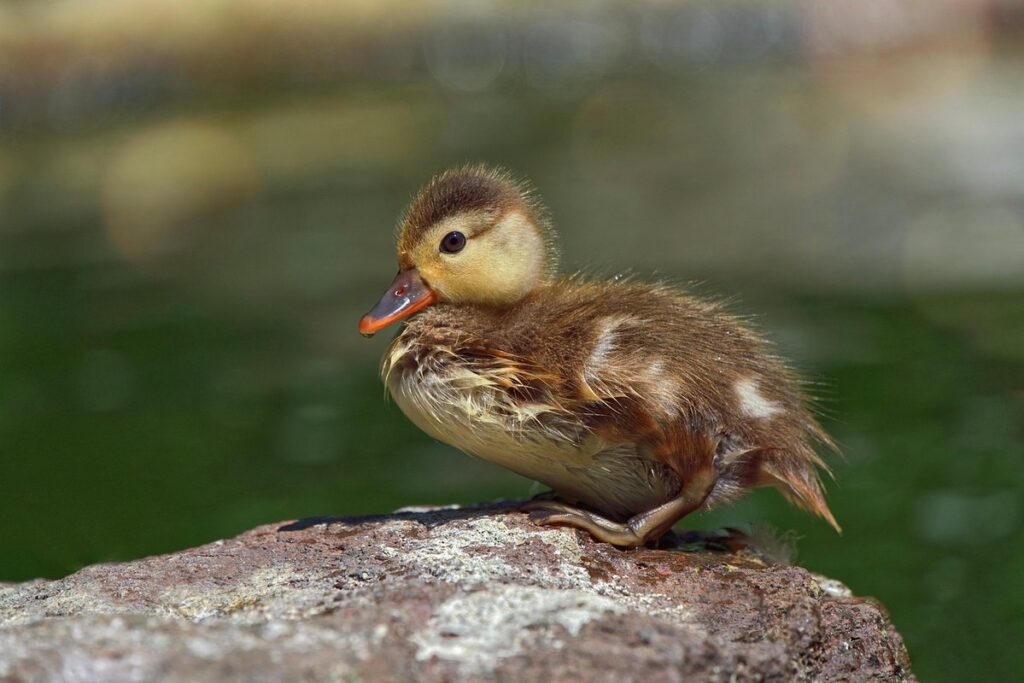
The Importance of Maintaining Optimal Temperatures
When it comes to raising healthy ducklings, maintaining optimal temperatures is crucial for their growth and development. In this next section, we’ll explore why temperature control matters most.
Why Temperature Control Matters in Ducklings
Maintaining optimal temperatures is crucial for duckling development and survival. Temperature plays a significant role in their growth, metabolism, and overall health. When the temperature is too high or too low, it can lead to stress, which affects their immune system and makes them more susceptible to diseases.
A temperature range of 90-95°F (32-35°C) is ideal for ducklings. If the temperature drops below 80°F (27°C), their growth rate slows down, and they become lethargic. On the other hand, if it rises above 100°F (38°C), they can develop heat stress, leading to respiratory problems.
To ensure your ducklings thrive, monitor their environment closely. Keep them in a draft-free area with adequate ventilation. Avoid placing their enclosure near direct sunlight or heating vents. Also, make sure their water source is clean and at room temperature. By maintaining optimal temperatures, you’ll be providing the best possible conditions for your ducklings to grow strong and healthy.
Understanding the Ideal Temperature Range for Ducklings
When it comes to raising ducklings, maintaining the ideal temperature range is crucial for their growth and development. The ideal temperature range varies depending on the stage of development, with three distinct periods requiring specific temperature conditions.
During embryonic development (0-28 days), the egg needs to be kept within a narrow temperature range of 99°F to 101°F (37°C to 38.3°C). This is crucial for proper development and hatching success. Once the ducklings hatch, they require a brooding period where they need to be kept warm and safe from drafts. A temperature range of 90°F to 95°F (32°C to 35°C) during this phase helps them absorb their yolk sac and dry off.
As the ducklings grow, their temperature requirements change again. Between 28-56 days, the ideal temperature range is between 85°F to 90°F (29°C to 32°C). During this stage, they start to lose their downy feathers and develop adult plumage, requiring less warmth than before. It’s essential to monitor the ducklings’ behavior and adjust the temperature accordingly to ensure they stay comfortable and healthy throughout these developmental stages.
Factors Affecting Duckling Temperature
When raising ducklings, it’s essential to consider various factors that can impact their temperature, from incubation to brooding and beyond. Let’s examine these crucial elements together.
Environmental Factors: Impact on Temperature Regulation
Environmental factors play a significant role in regulating duckling temperature. One crucial factor is humidity, which can have a profound impact on ducklings’ ability to regulate their body heat. High humidity levels can lead to an increased risk of hypothermia, as the moisture in the air makes it harder for ducklings to lose excess heat. On the other hand, extremely dry conditions can cause rapid evaporation from the skin, leading to dehydration and potential temperature regulation issues.
Air movement is another important factor that affects duckling temperature regulation. A gentle breeze can help keep ducklings cool by facilitating heat loss through convection, but strong winds or drafts can quickly chill them. Providing adequate shelter or adjusting ventilation systems in brooder houses can mitigate this risk.
Lighting also has a significant impact on duckling temperature regulation. While natural light is essential for overall health and well-being, excessive direct sunlight can rapidly increase temperatures within the brooder, posing a heat stress risk to ducklings.
Health Considerations: Managing Temperature-Related Issues
Temperature-related health issues are a significant concern when it comes to ducklings. In extreme temperatures, they can develop conditions like hypothermia and heat stress, which can be fatal if left untreated. Hypothermia occurs when the body loses heat faster than it can produce it, causing the duckling’s core temperature to drop below normal levels.
Symptoms of hypothermia in ducklings include shivering, lethargy, and a lack of coordination. To manage this condition, you should provide extra care by offering a warm environment, increasing feeding frequency, and ensuring proper hydration. For instance, if you’re keeping your ducklings indoors during cold weather, make sure their brooder is well-insulated and heated to around 90-100°F (32-38°C).
On the other hand, heat stress occurs when the body’s temperature regulation system fails due to high ambient temperatures. Signs of heat stress include panting, drooping wings, and a reluctance to move. To prevent this condition, ensure good ventilation in your brooder or enclosure, provide adequate shade, and avoid over-crowding.
Maintaining Optimal Temperatures on Farms or Backyards
To keep your ducklings healthy and thriving, it’s essential to maintain optimal temperatures on farms or backyard environments that mimic their natural habitat. This section will walk you through temperature requirements for different stages of growth.
Ventilation Systems for Efficient Temperature Regulation
Effective ventilation systems are crucial for maintaining optimal temperatures on farms or backyards where ducklings are raised. A well-designed ventilation system can prevent overheating and underheating, ensuring the health and well-being of these young birds.
When designing a ventilation system, consider factors such as air circulation, humidity control, and insulation. For instance, installing a vent fan in a barn or enclosure can help remove hot air and bring in cooler air from outside, preventing heat buildup. Ensure that the vent is positioned to direct airflow away from the ducklings’ living areas.
Proper ventilation also helps regulate humidity levels, which is essential for maintaining optimal temperatures. High humidity can lead to condensation on surfaces, causing water accumulation and discomfort for ducklings. Regularly inspect your system to ensure it’s functioning as intended. Consider upgrading or modifying your existing ventilation system to include features such as adjustable vents, insulation, and automatic shut-off systems to optimize performance.
Remember that proper ventilation is a continuous process, requiring regular monitoring and maintenance to prevent temperature fluctuations and maintain optimal conditions for ducklings.
Alternative Methods for Regulating Duckling Temperatures
When it comes to maintaining optimal temperatures for ducklings on farms or backyards, some farmers and enthusiasts prefer exploring alternative methods beyond traditional heating and cooling systems. One such method is using evaporative cooling systems.
Evaporative cooling systems work by drawing hot air over a wet membrane, which cools the air through evaporation. This process can be effective in reducing temperatures without relying on electricity. However, it’s crucial to note that these systems require regular maintenance to prevent bacterial growth and ensure efficient operation.
Another alternative is installing shading structures. Awnings or canopies can provide critical shade for ducklings during peak sun hours, significantly lowering the ambient temperature. The choice of material is essential – lightweight yet durable options such as canvas or mesh are ideal.
When implementing these methods, it’s essential to monitor temperatures closely and adjust as necessary. Be prepared to make adjustments based on your specific climate, season, and other environmental factors affecting duckling temperature. Regular maintenance will also be crucial for optimal performance of alternative cooling systems.
Monitoring and Recording Duckling Temperature
Now that you know why temperature matters, let’s talk about monitoring it: how to accurately check duckling temp and keep a record for future reference.
How to Use Thermometers Correctly in Brooder Settings
When using thermometers in brooder settings to monitor duckling temperature, it’s essential to follow these steps for accurate readings. First, choose a thermometer that suits your needs, such as digital or analog models with high accuracy and durability.
Place the thermometer in an area where the ducklings will gather, avoiding direct heat sources like heaters or lamps. Ensure the probe is at least 1-2 inches above the bedding to prevent it from being affected by temperature variations in the litter.
Calibrate your thermometer according to the manufacturer’s instructions, using a reference point of 32°F (0°C) for ice water or a certified calibration standard. Verify accuracy through multiple readings over several days.
For optimal performance, clean and replace thermometers as needed, typically every few months or when signs of malfunction appear. Regularly inspect the thermometer placement to guarantee continued accuracy in monitoring duckling temperature.
Digital Tools and Software for Temperature Tracking
Digital tools and software have revolutionized the way we monitor and record duckling temperatures. For anyone serious about keeping their brood healthy and thriving, investing in the right digital tools is a no-brainer.
There are several options available, each with its own set of benefits and limitations. Some popular choices include temperature loggers that can be inserted into the nesting box or waterer to track ambient temperature, while others use sensors attached directly to the duckling’s shell to provide real-time readings.
One popular tool is digital thermometers that connect via Bluetooth or Wi-Fi to a smartphone app, allowing for remote monitoring and alerts when temperatures rise too high. This feature is particularly useful during hot summer months when temperatures can soar quickly.
Another option is software specifically designed for farmers and breeders, offering features such as customizable temperature thresholds, data analysis, and automated reporting. These tools not only provide accurate readings but also help identify trends and patterns in duckling temperature fluctuations.
Case Studies: Best Practices for Optimal Duckling Temperatures
Let’s dive into real-world examples of how optimal duckling temperatures make a difference, with case studies from experienced farmers who’ve perfected their temperature controls.
Success Stories from Commercial Farms
One of the most significant benefits of maintaining optimal temperature control on commercial farms is its impact on duckling growth rates and health outcomes. A successful example can be seen at Green Meadow Farms, a large-scale poultry farm in the Midwest. By investing in advanced climate control systems, they were able to maintain a consistent temperature range between 90-95°F for their ducklings.
As a result, they reported an average weight gain of 1.5 pounds per day among their duckling flocks, exceeding industry standards by 15%. Not only did this improve profitability, but it also led to healthier birds with reduced mortality rates. The farm’s owners attribute the success to precise temperature control, which allowed them to minimize stress on the animals.
To replicate such results, consider the following strategies: invest in high-quality climate control systems that can be integrated into your existing infrastructure, implement data-driven monitoring and management practices, and prioritize regular maintenance to ensure optimal performance.
Backyard Farmer Experiences with Temperature Management
As backyard farmers ourselves, we’ve had our fair share of trial and error when it comes to managing duckling temperatures. But one thing’s for sure: a well-planned temperature management strategy can make all the difference between raising healthy, thriving ducks or struggling with health issues.
We spoke with several seasoned backyard farmers who shared their experiences with successfully implementing temperature control in their flocks. For example, Sarah from Maine reported that by providing a supplemental heat source, her ducklings’ mortality rate dropped dramatically within just one season. “It was amazing to see how quickly they adapted,” she exclaimed.
Another farmer, Rachel from California, swears by creating a “temperature gradient” in her brooder by placing the ducks at varying distances from the heat source. This way, those who need it can get warm without overheating the others. These practical tips and anecdotes offer valuable insights into what works – and what doesn’t – when it comes to keeping your ducklings cozy.
Conclusion: Prioritizing Optimal Temperatures for Duckling Health
Now that you’ve learned how to properly care for your ducklings at different temperatures, let’s prioritize optimal temperatures for their health and well-being. By doing so, you’ll ensure they grow strong and healthy.
Recap of Key Takeaways
Maintaining optimal temperatures is crucial for ducklings to thrive. Throughout this comprehensive guide, we’ve covered various aspects of understanding duckling temperature, from the importance of environmental factors to monitoring and regulating temperature fluctuations.
As we conclude our discussion on prioritizing optimal temperatures for duckling health, it’s essential to recall the significance of proper temperature management. We’ve emphasized that a wide range of temperatures can be detrimental to ducklings, causing stress, discomfort, or even death. On average, ducklings are most comfortable in temperatures ranging from 90°F to 100°F (32°C to 37.7°C), with an optimal temperature for brooding being around 98°F (36.6°C).
It’s also crucial to consider the environmental factors that affect temperature, such as location, season, and humidity levels. For example, ducklings in a drafty shed may require extra heat during winter months, while those in a humid climate may need more ventilation to prevent overheating.
To recap, some key takeaways from our discussion include:
* Maintaining optimal temperatures between 90°F and 100°F (32°C to 37.7°C) for ducklings
* Avoiding extreme temperature fluctuations that can cause stress or discomfort
* Considering environmental factors such as location, season, and humidity levels when regulating temperature
* Monitoring temperature closely, especially during critical periods like brooding
By implementing these strategies and prioritizing optimal temperatures, you can create a healthy environment for your ducklings to grow and thrive. Remember to stay vigilant and adapt to changing conditions to ensure the well-being of your feathered friends.
Frequently Asked Questions
What happens if I notice a sudden drop in duckling temperature, and it’s below the recommended range?
Monitor your ducklings closely for signs of stress or illness, such as lethargy, loss of appetite, or changes in droppings. If you can’t maintain the ideal temperature, consider providing supplemental heat using a space heater or increasing brooder ventilation to facilitate airflow.
Can I use digital tools and software to track duckling temperatures remotely?
Yes, there are various temperature tracking apps and devices available that allow you to monitor your ducklings’ temperature from anywhere. These tools can be especially useful for backyard farmers with multiple duckling groups or those who want to keep a closer eye on their animals during extended periods.
How do I prevent overheating in my brooder when using supplemental heat?
Ensure proper ventilation and airflow within the brooder by installing windows, vents, or fans that allow for sufficient air exchange. You can also use temperature-sensitive mats or thermostats to regulate heating units and prevent over-temperature conditions.
What’s the best way to transition ducklings from a heated brooder to a cooler outdoor environment?
Gradually acclimate your ducklings to outdoor temperatures by moving them into a shaded area with reduced heat sources. Provide access to water, feed, and shelter during this transitional period, ensuring they can easily adjust to their new surroundings.
Can I still raise healthy ducklings without a thermometer specifically designed for brooder settings?
While it’s possible to use standard thermometers in an emergency situation, dedicated brooder thermometers often provide more accurate readings due to their design and placement considerations. If you’re planning to raise ducklings regularly, consider investing in a specialized thermometer for reliable temperature tracking.