
As a duckling owner or enthusiast, you want to make sure your feathered friends are getting the nutrients they need to thrive. But with so many options available, from commercial feed to homemade diets, it can be overwhelming to know where to start. That’s why we’re diving into the essential dietary needs of ducklings and exploring how to create a balanced meal plan that works for you and your ducks. In this article, we’ll break down the importance of proper nutrition for young ducklings, discuss the pros and cons of commercial versus homemade feed, and provide tips on how to mix things up and keep mealtimes exciting for your feathered friends. Whether you’re a seasoned duck breeder or just starting out, this guide will help you create a customized diet plan that meets the unique needs of your ducklings.
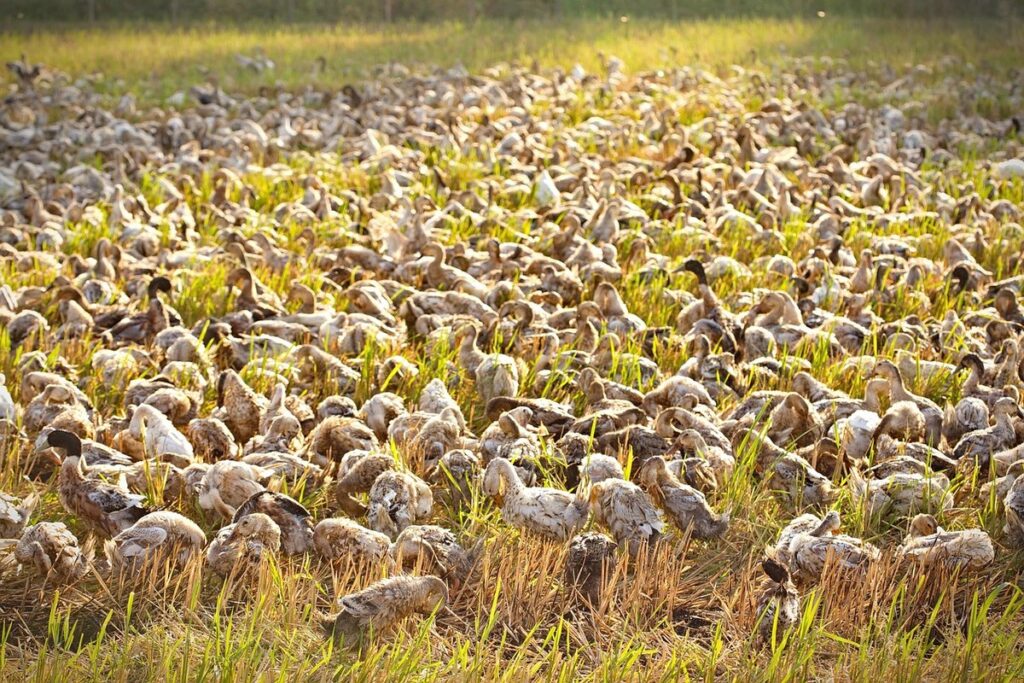
Introduction to Ducklings and Nutrition
For any new duck owner, understanding your ducklings’ nutritional needs is crucial for their healthy growth and development. Let’s dive into the basics of what they should be eating.
Importance of Proper Nutrition for Ducklings
Proper nutrition is essential for ducklings’ growth and development. It lays the foundation for their overall health, energy levels, and ability to resist diseases. A balanced diet ensures that they develop strong muscles, bones, and feathers.
Ducklings need a mix of protein-rich foods like mealworms, crickets, and commercial pellets to support muscle growth. They also require calcium to fortify their developing skeletons and prevent metabolic bone disease. Fiber-rich foods like leafy greens and grains help maintain healthy digestion.
A nutrient-deficient diet can lead to stunted growth, weakened immune systems, and increased susceptibility to diseases. Feeding ducklings a varied and nutritious diet from an early age is crucial for their optimal development. Ensure that they have access to fresh water at all times to aid in proper digestion and nutrient absorption. Introduce new foods gradually to prevent digestive upset. By providing your ducklings with the right nutrition, you’ll be setting them up for a happy and healthy life.
Understanding Duckling Feed Requirements
As duckling owners, it’s essential to provide the right feed at the right stage of growth. Ducklings have different nutritional needs as they grow from fluffy balls into mature ducks. There are several types of feed available for ducklings, each tailored to specific stages of development.
At hatch, ducklings require a high-protein starter feed (around 18-20% protein) to support rapid growth and development. This type of feed is usually given until the duckling reaches around 4-6 weeks old. Next comes a grower feed (around 16-18% protein), which provides essential nutrients for continued growth and development.
From around 12-14 weeks, you can introduce a layer feed (around 14-16% protein) to prepare them for egg production. However, if your ducklings will be raised solely for meat production, they’ll require a different type of feed altogether – a finisher feed with lower protein content and higher calorie levels.
Remember to always check the feed label for specific instructions on feeding rates and transition times between feeds.
Common Mistakes in Feeding Ducklings
Feeding ducklings can be a daunting task, especially for first-time owners. One of the most common mistakes made by duck owners is overfeeding or underfeeding their young charges. It’s essential to strike the right balance between providing enough nutrients and not overloading them with too much food.
When it comes to feeding ducklings, it’s crucial to understand that they have different nutritional needs at various stages of growth. Underfed ducklings may suffer from stunted growth, while overfed ones can become obese and develop health problems. For example, if you’re feeding your ducklings a mix of starter crumb and vegetables, make sure not to exceed the recommended daily intake.
Here are some common mistakes to watch out for:
• Overfeeding can lead to health issues such as obesity, metabolic bone disease, and liver problems.
• Underfeeding can result in stunted growth, poor feather development, and weakened immune systems.
• Failure to provide a balanced diet can lead to nutritional deficiencies and related health issues.
To avoid these mistakes, make sure to follow the manufacturer’s guidelines for duckling feed and gradually introduce new foods as your birds grow.
Types of Food Suitable for Ducklings
When it comes to feeding your ducklings, knowing what types of food are safe and suitable for them is crucial for their growth and development. Let’s explore some healthy options that will keep them happy and thriving!
Commercial Duckling Feed vs. Homemade Diets
When it comes to feeding your ducklings, you have two main options: commercial duckling feed and homemade diets. Both have their pros and cons, which we’ll explore below.
Commercial duckling feed is a convenient and nutrient-rich option that’s specifically formulated for young ducks. It contains the right balance of protein, fat, carbohydrates, and other essential nutrients to support rapid growth and development. However, it can be expensive, especially if you’re raising a large brood. Additionally, some commercial feeds may contain additives or preservatives that you might not want in your ducklings’ diet.
On the other hand, homemade diets offer a cost-effective alternative, allowing you to tailor the ingredients to your ducklings’ needs and preferences. You can provide a varied mix of vegetables, fruits, grains, and protein sources like mealworms or hard-boiled eggs. However, creating a balanced homemade diet requires careful planning and research to ensure that it meets all your ducklings’ nutritional requirements.
If you do choose to go with a homemade diet, make sure to introduce new foods gradually to prevent digestive upset. Also, consider consulting with a veterinarian or experienced breeder to get advice on the best ingredients and ratios for your specific flock. With some planning and attention to detail, a homemade diet can be a great option for raising healthy, happy ducklings.
Fresh Vegetables and Fruits in a Duckling’s Diet
As duckling owners, it’s great that you’re considering adding fresh vegetables and fruits to their diet. Not only are they a nutritious addition, but they can also help encourage healthy eating habits from an early age.
Ducklings thrive on a diverse range of fruits and veggies, which provide essential vitamins, minerals, and fiber. For instance, leafy greens such as kale, spinach, and collard greens are rich in iron and calcium. Berries like strawberries, blueberries, and raspberries are excellent sources of antioxidants and vitamin C.
When introducing fresh vegetables and fruits to your ducklings’ diet, start with small amounts (about 10-20% of their total daily intake) and gradually increase the quantity as they become accustomed to them. For example, you can sprinkle shredded carrots or chopped apples on top of their regular feed.
Some recommended types include cucumber, zucchini, bell peppers, citrus fruits like oranges and grapefruits, and even broccoli! Just be sure to chop these into manageable pieces to prevent choking hazards.
Remember to also provide fresh water at all times, as ducklings need adequate hydration to digest their food properly.
Insects as a Protein Source for Ducklings
As you explore alternative protein sources for your ducklings, consider incorporating insects into their diet. This practice, known as entomophagy, is gaining popularity among backyard farmers and can provide numerous benefits.
Insects like crickets, mealworms, and black soldier flies are rich in protein (up to 70%) and micronutrients like iron and calcium. Feeding them to ducklings can help meet their high protein requirements during growth stages. Additionally, insects have a lower environmental impact compared to traditional feed sources, requiring less land, water, and energy.
However, there are some potential drawbacks to consider. For instance, sourcing large quantities of insects can be challenging and expensive. Moreover, ensure that the insects are free from pesticides and heavy metals, which can harm your ducklings.
To incorporate insects into your ducklings’ diet safely, start by introducing small amounts (about 10-20% of their total feed) to gauge their acceptance and tolerance. Monitor their health and adjust the proportion as needed. By doing so, you can provide a nutritious and sustainable food source for your feathered friends while minimizing potential risks.
Water Quality and Accessibility for Ducklings
When it comes to raising ducklings, ensuring they have access to clean water is just as important as providing a balanced diet. Let’s dive into how you can ensure their water quality and accessibility meets their needs.
Importance of Clean Drinking Water
Clean drinking water is one of the most essential components of a duckling’s diet. It plays a critical role in their overall health and development, particularly during their first few weeks of life when they’re most vulnerable to diseases. A clean water supply ensures that ducklings stay hydrated, which is vital for their growth, egg-laying abilities later on, and immune system function.
For instance, research has shown that ducklings that have access to clean drinking water are less likely to contract bacterial infections like E. coli and Campylobacter. This is because a healthy gut microbiome, which is supported by clean water, helps the duckling’s immune system fight off pathogens more effectively. In contrast, dirty or contaminated water can lead to digestive problems, respiratory issues, and even death.
To ensure your ducklings always have access to clean drinking water, make it a habit to change their water frequently, ideally once or twice a day. This will prevent bacterial growth and keep the water fresh for them to drink.
Access to Shallow Water for Swimming and Exercise
Providing shallow water for ducklings to swim and exercise is an essential aspect of their care. Ducklings are naturally drawn to water and swimming helps them develop balance, coordination, and muscle tone. However, it’s crucial to ensure the water is safe for them to frolic in.
To set up a shallow water area, choose a location with good drainage to prevent bacterial growth. A depth of 2-3 inches (5-7.5 cm) is ideal for ducklings to waddle and play without becoming too exhausted. Add some gentle slopes or ramps to make it easier for them to enter and exit the water.
For safety, provide a secure enclosure around the shallow water area to prevent escape and predation. Make sure the water is not so deep that they can drown or become trapped. Regularly clean and change the water to maintain good hygiene. Consider adding some toys or floating objects to keep your ducklings engaged and stimulated while swimming.
Health Issues Related to Duckling Eating Habits
When it comes to ducklings’ eating habits, there are several health issues that can arise if their dietary needs aren’t met. Let’s take a closer look at some potential problems that may affect your feathered friends.
Common Health Problems in Ducklings
When it comes to raising ducklings, one of the most critical aspects is ensuring they receive adequate and high-quality nutrition. However, if their dietary needs are not met, ducklings can be prone to various health issues.
A common problem associated with inadequate feeding practices is stunted growth. Ducklings require a balanced diet rich in protein, calcium, and other essential nutrients to support healthy development. If their feed lacks these vital components, they may grow abnormally or experience slow growth rates. To prevent this, provide your ducklings with a starter feed formulated specifically for young waterfowl.
Other health issues can arise from poor-quality feeding practices, such as digestive problems, respiratory infections, and even metabolic bone disease. For instance, if ducklings are fed too much high-protein food, they may be at risk of developing kidney damage or gout. Conversely, a diet lacking essential fatty acids can lead to skin and feather issues.
To maintain your ducklings’ health, ensure you’re providing them with clean water and a balanced starter feed that meets their nutritional needs.
Signs of Nutritional Deficiencies in Ducklings
As a duckling owner, it’s essential to recognize the signs of nutritional deficiencies in your feathered friends. If you notice that your ducklings are experiencing weight loss, lethargy, or changes in their feather condition, it may be a sign that they’re not getting the nutrients they need.
Weight loss is one of the most obvious signs of malnutrition in ducklings. If they’re not eating enough to sustain their growth, you might notice a decrease in appetite or a visible reduction in body weight. On the other hand, lethargy can manifest as listlessness, slow movement, or a lack of interest in activities that once excited them.
Feather condition is another critical aspect to monitor. Healthy ducklings should have shiny, well-maintained feathers, but malnutrition can lead to dullness, brittleness, or even loss of feathers. If you notice any of these signs, consult with your veterinarian to determine the underlying cause and develop a plan to provide a balanced diet that meets your ducklings’ nutritional needs.
Keep in mind that prevention is key; ensure your ducklings have access to a variety of nutrient-rich foods, including pellets, fruits, and vegetables. Regularly inspect their overall health and adjust their diet accordingly to keep them thriving and happy.
Tips for Raising Healthy Ducklings
Now that you’ve learned about your duckling’s nutritional needs, here are some practical tips to help you raise happy and healthy ducklings from day one. With these simple tricks, you’ll be well on your way to raising a thriving flock!
Creating a Balanced Diet Plan for Your Ducklings
When it comes to raising healthy ducklings, a well-planned diet is essential for their growth and development. Creating a balanced diet plan tailored to their specific needs can be a bit daunting, but with some guidance, you’ll be on your way to raising happy and healthy ducklings.
First, consider the age of your ducklings. From 0-4 weeks, they require a starter feed that is high in protein (18-20%) to support rapid growth. As they mature, you can gradually introduce more vegetables and fruits into their diet. For example, you can start by offering small amounts of leafy greens like kale or spinach, and gradually increase the amount as they get older.
Make sure to also provide a constant source of fresh water and a balanced layer feed that includes essential nutrients like calcium for strong bone growth. A good rule of thumb is to offer 1/4 cup of layer feed per duckling per day, divided into two or three meals. Don’t forget to provide a grit supplement to help them digest their food properly.
To ensure your ducklings are getting the nutrients they need, monitor their droppings and be on the lookout for any signs of illness or nutritional deficiencies. A balanced diet plan will also include regular treats like mealworms, sunflower seeds, and oats. By following these guidelines and tailoring their diet to their specific needs, you’ll be well on your way to raising healthy and happy ducklings.
Monitoring Your Ducklings’ Health and Adjusting the Diet Accordingly
Monitoring your ducklings’ health is crucial to ensure they’re growing strong and developing well. Keep an eye on their droppings, which should be a uniform brown color if they’re eating a balanced diet. Changes in droppings can signal underlying health issues or nutritional deficiencies. For example, pale or watery droppings may indicate a lack of vitamins or minerals.
Regularly inspect your ducklings’ feathers, paying attention to any signs of mites, lice, or fungal infections. Clean and well-ventilated living quarters are essential in preventing the spread of diseases. Make sure their water is fresh and clean, as stale water can lead to bacterial growth.
Adjusting their diet according to their age and needs is vital for optimal health. Ducklings under 4 weeks require a starter feed that’s high in protein and energy. From 4-8 weeks, you can gradually introduce whole grains like oats or barley. It’s also essential to provide calcium supplements to promote strong bone growth.
Keep an eye on your ducklings’ growth rates and adjust their diet accordingly. Monitor their appetite and adjust the quantity of feed based on their individual needs.
Conclusion: Raising Happy, Healthy Ducklings
As we’ve learned how to meet your ducklings’ dietary needs, it’s time to think about their long-term well-being and how you can support them as they grow into happy, healthy birds.
Recap of Key Takeaways from the Article
To recap, here are the key takeaways from this article on understanding the dietary needs and habits of ducklings. As a responsible duck breeder or owner, it’s essential to provide your feathered friends with a balanced diet that meets their nutritional requirements.
Firstly, ducklings need a starter feed rich in protein (20-22%) for proper growth during the first few weeks. Gradually introduce more complex foods like leafy greens, fruits, and vegetables to minimize the risk of dietary deficiencies. Also, ensure access to clean water at all times.
Don’t overfeed your ducklings, as this can lead to digestive issues and obesity. A good rule of thumb is to provide 1/4 cup of starter feed per duckling per day for the first few weeks.
Lastly, it’s crucial to introduce a varied diet from an early age to foster healthy eating habits in your ducklings. This will help them develop a balanced relationship with food and reduce the likelihood of picky eating later on.
Final Tips for Successful Duckling Care
As you’ve successfully transitioned your ducklings to adult ducks, it’s essential to continue providing them with a happy and healthy environment. One of the most significant long-term care considerations is ensuring their enclosure remains safe and clean.
* Regularly inspect their living space for any signs of damage or potential hazards.
* Implement a cleaning schedule to maintain optimal hygiene and prevent disease.
* Provide adequate ventilation and ensure proper drainage systems are in place.
Ducklings require regular health check-ups, especially during the transition period. Schedule annual vaccinations and consult with your veterinarian if you notice any unusual behavior or symptoms.
To promote long-term well-being, establish a routine for monitoring their diet and adjusting as necessary. This might involve tracking their food intake, observing changes in appetite or water consumption, and making adjustments accordingly. By doing so, you’ll be better equipped to identify potential health issues early on, allowing for prompt intervention and maintaining your ducks’ overall quality of life.
By following these final tips, you’ll be well on your way to raising happy, healthy ducks that thrive under your care.
Frequently Asked Questions
Can I mix homemade and commercial duckling feed, or should they be fed exclusively one way?
Yes, you can mix homemade and commercial feed to create a balanced diet for your ducklings. In fact, many experienced breeders do this as it offers flexibility and the ability to cater to specific dietary needs. However, make sure to research and follow proper mixing ratios to avoid nutritional imbalances.
How often should I monitor my ducklings’ water quality, and what signs indicate poor water health?
Regular monitoring is crucial, ideally every 2-3 days for water temperature, pH levels, and bacterial presence. Cloudy or greenish water, unusual odors, or algae growth can be warning signs of water quality issues. Keep an eye out for these indicators and adjust your cleaning schedule accordingly.
What types of insects are safe to feed my ducklings, and how much should I provide?
Ducklings can thrive on a variety of insects like mealworms, crickets, and waxworms. Avoid giving them insects that have been contaminated with pesticides or other chemicals. Feed 10-20% of their daily ration in insects, making sure to introduce new types gradually to prevent digestive issues.
How do I identify signs of nutritional deficiencies in my ducklings, and what can I do to correct these?
Keep a close eye on your ducklings’ growth rates, feather quality, and overall behavior. Signs of deficiency may include stunted growth, dull feathers, lethargy, or poor egg production (in hens). Consult with a veterinarian or experienced breeder to determine the best course of action for correcting deficiencies.
Can I raise ducklings on pasture without access to shallow water, or will this affect their health?
While ducklings can adapt to pasture life, they still require regular access to clean drinking water and shallow areas for swimming and exercise. Without proper water sources, they may develop musculoskeletal issues or heat stress. Ensure you provide suitable shelter, food, and water arrangements if raising them on pasture.