
Are you a chicken enthusiast eager to take your flock to new heights? If so, you’re probably aware that one of the joys of raising backyard chickens is collecting their eggs. But have you ever wondered why some eggs are pink, blue, or green while others are a classic white or brown? It’s all about egg color genetics! Understanding the science behind eggshell colors can help you make informed decisions when selecting breeds and ensuring your girls are happy and healthy. In this article, we’ll dive into the world of egg color chart for chickens, exploring the fascinating combination of genetics, nutrition, and breed selection that determines the stunning shades of eggs you bring home each day.
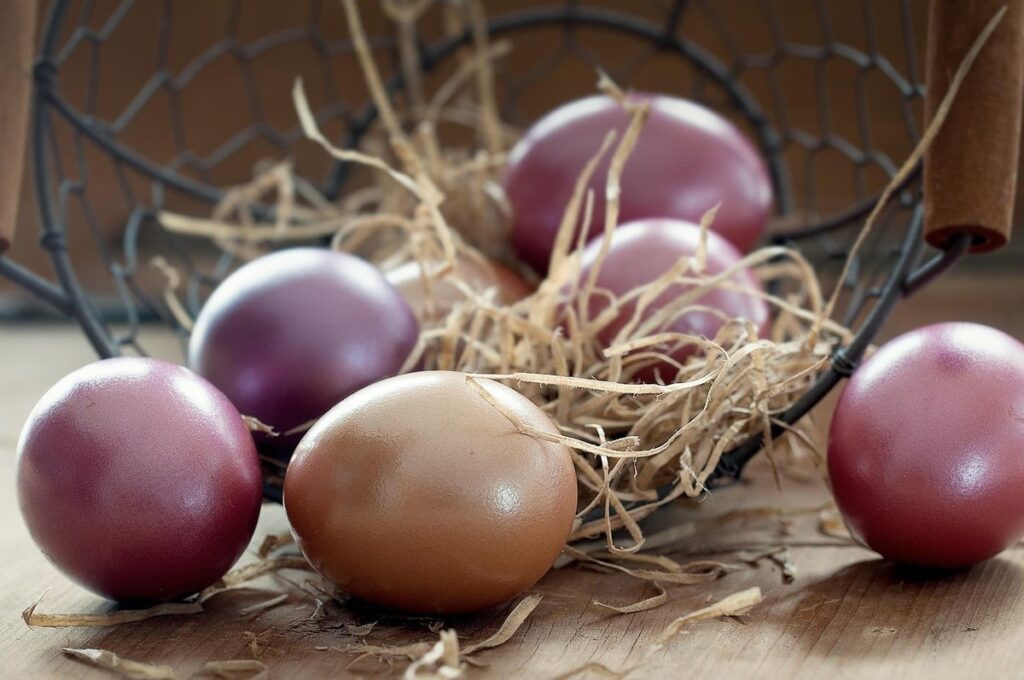
Understanding Egg Colors and Genetics
Egg color is a complex trait influenced by genetics, and understanding how it’s determined can help you make informed breeding decisions for your flock. Let’s break down the genetic factors at play.
Introduction to Dominant and Recessive Genes
When it comes to understanding egg color genetics, one of the fundamental concepts is the interaction between dominant and recessive genes. Dominant genes are those that will always be expressed if an individual inherits just one copy of the gene, whereas recessive genes require two copies (one from each parent) to be expressed.
Let’s use an example to illustrate this concept: a chicken with the genotype “E” (dominant) or “e” (recessive) determines whether it lays brown eggs. If the chicken has the genotype “EE” or “Ee”, it will lay brown eggs because the dominant “E” gene is present. However, if it has the genotype “ee”, it will lay white eggs.
Understanding the interaction between dominant and recessive genes is crucial when breeding chickens for specific egg colors. By manipulating these genetic combinations, you can increase the chances of producing hens with the desired egg color traits. For instance, to breed a brown-egged chicken, you would need to pair a hen with the genotype “E” with a rooster that also carries the dominant “E” gene.
In practice, this means identifying which genes are linked to specific egg colors and selecting breeding pairs accordingly. This may involve conducting genetic testing or simply observing the egg-laying habits of your flock over time.
The Role of Inheritance in Determining Egg Color
When it comes to determining egg color, genetics play a significant role. The production of pigments such as porphyrins and protoporphyrins in the shell membranes is influenced by specific genetic combinations. For instance, white eggs are produced when there is a lack of these pigments, while brown eggs owe their color to the presence of eumelanin.
The genetics behind egg colors can be complex, but it’s essential for breeders and farmers to understand how certain combinations result in specific hues. Blue eggs, for example, require a specific genetic combination that codes for a blue pigment. On the other hand, green eggs are produced when the pigment oocyanin is present.
It’s worth noting that egg color can be influenced by more than just genetics – environmental factors such as diet and stress levels can also impact the final result. To encourage production of specific colors, breeders may need to consider these external factors alongside genetic considerations. By understanding how inheritance contributes to egg color, you’ll be better equipped to create flocks that produce eggs in a range of hues.
Breeds Known for Specific Egg Colors
Some breeds are notorious for laying eggs that will make you jump for joy, not just because of their vibrant colors, but also because of their unique characteristics. Let’s explore the fascinating flocks that produce these gorgeous eggs!
White Egg-Laying Breeds
If you’re looking for breeds that will give you a bounty of white eggs, look no further than the Leghorn, Cornish, and Polish chickens. These birds are known for their egg-laying prowess and striking appearance.
Leghorns, in particular, are one of the most popular breeds kept by backyard chicken enthusiasts. They’re easy to care for, friendly, and can produce up to 300 eggs per year – all of which will be a beautiful shade of white. To incorporate Leghorns into your flock, start by introducing them at around 4-6 months old when they’ve finished their growth spurt.
Cornish chickens are another great option for white egg production. While they may not lay as many eggs as Leghorns (around 200 per year), they make up for it with their unique appearance and affectionate nature. To maximize your Cornish hens’ egg-laying abilities, be sure to provide them with a balanced diet rich in calcium.
Polish chickens are known for their striking crested heads and white eggs. They’re a bit more challenging to care for due to their sensitive nature, but the reward is well worth it: around 200 eggs per year of pristine white beauty. To keep Polish chickens happy and healthy, make sure to provide them with plenty of space to roam and opportunities for socialization.
When combining these breeds in your flock, be mindful of their different personalities and needs. By doing so, you’ll create a harmonious and productive community that will reward you with an abundance of delicious white eggs.
Brown Egg-Laying Breeds
Brown egg-laying breeds are highly prized for their rich, earthy colors and high egg production. Among these, Marans, Barnevelders, and Australorps stand out as popular choices among backyard chicken keepers.
Marans, originating from France, are known for their dark chocolate-brown eggs. They’re a heavy breed, producing around 180-200 large brown eggs per year. To optimize egg production, Marans require plenty of space to roam and exercise, making them ideal for larger farms or homesteads with substantial land.
Barnevelders, hailing from the Netherlands, boast a distinctive dark brown egg color. They’re a medium-heavy breed, producing approximately 200-220 large eggs annually. Barnevelders are relatively low-maintenance, tolerating various climates and requiring less space than Marans.
Australorps, bred in Australia, produce rich, dark brown eggs with a hint of reddish undertone. This breed excels in egg production, laying around 250-300 large brown eggs per year. Australorps are hardy, adaptable birds that thrive in cooler climates and require moderate space to roam.
When introducing these breeds into your flock, consider their unique characteristics and requirements. Provide sufficient space for exercise, a balanced diet, and regular health checks to ensure optimal egg production and overall well-being. By understanding the needs of these brown egg-laying breeds, you can create a thriving and productive backyard chicken coop.
Tips for Raising Healthy Chickens That Produce Beautiful Eggs
To raise healthy chickens that produce beautiful eggs, you’ll want to focus on providing them with a nutritious diet and a clean living environment. A happy flock is key to producing high-quality eggs.
Nutrition and Diet’s Impact on Egg Color
When it comes to raising healthy chickens that produce beautiful eggs, nutrition and diet play a significant role in determining egg color. As we’ve discussed earlier, the genetic makeup of your flock influences egg color, but dietary factors can also impact the intensity and hue of the eggs. Vitamins A and E, in particular, are crucial for eggshell pigmentation.
Vitamin A, found in dark green leafy vegetables like kale and spinach, helps to produce carotenoids that contribute to the yellow and orange colors in eggs. Vitamin E, on the other hand, is responsible for the red and pink hues. A diet rich in these vitamins will result in more vibrant egg colors.
To maximize your flock’s egg color potential, ensure they have access to a balanced feed that includes plenty of fruits and vegetables. Consider adding supplements like alfalfa meal or kelp meal to their diet, which are high in vitamins A and E. For example, hens fed with a diet rich in beta-carotene (a precursor to vitamin A) will produce eggs with deep orange yolks and richer yellow shells. By paying attention to your flock’s nutrition and dietary needs, you can significantly impact the beauty of their eggs.
Environmental Factors Affecting Egg Color
As you strive for that perfect egg color chart, it’s essential to consider the environmental factors affecting your flock’s production. Temperature, light exposure, and stress can significantly impact the vibrancy of those eggs.
Temperature plays a crucial role in determining egg color. As temperature fluctuations affect yolk synthesis, eggs may appear more pale or washed out during extreme heat waves. Conversely, cold temperatures can lead to deeper, richer colors due to increased pigmentation. To optimize your flock’s environment, ensure they have access to a well-ventilated coop with adequate insulation.
Light exposure is another critical factor. Hens produce vitamin D3 when exposed to sunlight, which aids in the production of egg yolk pigments. Therefore, provide your flock with ample natural light by placing their coop near windows or using LED grow lights specifically designed for poultry.
Stress can also impact egg color. Chronic stress causes hens to divert energy from egg production to survival, leading to reduced pigment synthesis and duller colors. To minimize stress, maintain a balanced environment by ensuring adequate space per bird, providing a varied diet, and practicing regular flock rotation.
Health Considerations and Common Issues
When it comes to raising chickens, understanding their health needs is crucial. This section will address common issues that can arise when breeding for specific egg colors, and how to prevent them.
Identifying Common Health Problems in Chickens
When it comes to raising healthy flocks that produce vibrant eggs, it’s essential to be aware of potential health issues that can affect egg production and color. Parasites, mites, and nutritional deficiencies are common culprits behind problems in chicken health.
Internal parasites like worms can cause anemia, weight loss, and decreased egg production. External parasites such as lice, fleas, and mites can lead to skin irritation, discomfort, and reduced egg-laying capacity. To prevent these issues, ensure your flock is kept clean, dry, and free from pests by regularly cleaning their coop and run.
Nutritional deficiencies are another common health problem that can impact egg color and production. A lack of essential vitamins and minerals like calcium, vitamin D3, or omega-3 fatty acids can lead to pale, soft-shelled eggs, or a decrease in overall flock health. Feed your chickens a well-balanced diet that includes supplements and make sure they have access to fresh water at all times.
Regular monitoring and proactive measures will help you identify potential health issues early on, ensuring the longevity and fertility of your flock.
Strategies for Maintaining a Healthy Flock
Maintaining a healthy flock is essential for producing eggs with consistent and vibrant colors. To create a safe environment for your chickens, start by prioritizing hygiene practices. This includes regularly cleaning their coop, nesting boxes, and feeding areas to prevent the buildup of bacteria and germs. Ensure that all equipment, such as feeders and waterers, are sanitized on a regular basis.
Proper ventilation is also crucial in preventing respiratory diseases and maintaining good air quality within the coop. Regularly inspect the coop for signs of moisture accumulation and ensure proper airflow by installing windows or vents if necessary. Additionally, maintain a well-balanced diet for your flock by providing access to fresh water, nutritious feed, and calcium supplements.
When it comes to disease prevention measures, implement a vaccination program tailored to your local area’s health risks. Monitor your flock regularly for signs of illness and take prompt action if you notice any unusual behavior or symptoms. By following these guidelines, you can create a healthy environment that promotes egg production and reduces the risk of disease among your chickens.
Egg Color Variations and Trends
Let’s dive into the fascinating world of egg color variations, where you’ll learn how to identify and breed for the most stunning shades, from deep blues to vibrant greens.
Emerging Trends in Rare and Exotic Egg Colors
As the world of backyard chicken keeping continues to grow in popularity, so does the demand for unique and exotic egg colors. Breeders are now focused on developing new varieties that produce eggs with hues such as olive green, chocolate brown, and blue. These unusual colors have become increasingly sought after by chefs, foodies, and environmentally conscious consumers who value their distinct appearance.
For example, the Araucana breed is known for laying blue eggs due to a genetic trait that causes the pigment oocyanin to be produced in the hen’s body. Similarly, some breeds of Marans chickens produce dark chocolate-brown eggs with a rich, reddish tint. These unique colors are not only visually appealing but also offer a distinct advantage in terms of marketing and sales.
If you’re interested in breeding or raising chickens that lay rare egg colors, consider researching specific breeds and their characteristics. Start by learning about the genetics behind these unusual traits and how to incorporate them into your flock. With careful selection and management, you can increase the chances of hatching chicks with these desirable egg-laying abilities.
How Breeders Are Developing New Egg Colors
Developing new breeds that produce specific, valuable egg colors requires a deep understanding of genetics and innovative breeding techniques. Breeders are constantly pushing the boundaries to create unique and desirable egg colors, making them highly sought after by backyard chicken enthusiasts and commercial producers alike.
One key innovation in this field is the discovery of genetic markers linked to specific egg color traits. By identifying these markers, breeders can select for birds that possess the desired characteristics, accelerating the breeding process and increasing the likelihood of successful results. For example, researchers have identified a genetic marker associated with blue egg production, allowing breeders to pinpoint the genes responsible for this trait.
To develop new breeds, breeders often use techniques such as cross-breeding and linebreeding. Cross-breeding involves combining different breeds or lines to introduce desirable traits, while linebreeding focuses on inbreeding birds that already possess the desired characteristics. By carefully selecting breeding stock and applying these advanced genetic understanding and breeding techniques, breeders can successfully develop new egg colors, such as olive green, chocolate brown, and even black eggs.
Frequently Asked Questions
Can I predict the egg color of a cross-bred chicken based on its parents’ genetics?
Yes, understanding the genotype and phenotype of your breeding birds can help you make educated guesses about the potential egg colors of their offspring. However, keep in mind that multiple genetic factors interact to determine egg color, so predicting exact outcomes is challenging. Consult breed charts, talk to experienced breeders, or use online tools to estimate egg color probabilities.
How do environmental factors affect egg color variations?
Environmental influences like nutrition, climate, and stress can impact the intensity of eggshell pigmentation but not the fundamental color itself. Ensure your flock has access to balanced nutrition, provide adequate shelter from extreme temperatures, and minimize stress through proper handling and management practices.
Can I influence the egg color by changing my chickens’ diet?
While certain nutrients may enhance or alter existing pigmentations, it’s challenging to directly change the underlying genetic factors that determine egg color. A well-balanced diet rich in calcium, vitamins, and minerals is crucial for overall health but won’t transform a breed known for laying white eggs into one that lays brown eggs.
What are some common mistakes beginners make when selecting breeds based on egg color?
Avoid prioritizing single trait characteristics over other essential factors like temperament, hardiness, and disease resistance. Consider multiple generations of breeding data to ensure the desired traits are stable and not just a product of recent selection pressure.
How do I identify and breed for rare or unique egg colors?
Breeding programs focused on developing new colors often involve complex genetic analysis and selection strategies. Partner with experienced breeders who have expertise in genetics, nutrition, and husbandry practices relevant to your target color. Join online communities, attend poultry shows, or consult with research institutions to find resources and guidance specific to your goal.