
If you’re a food enthusiast or simply looking to spice up your cooking routine, then egg duck is definitely worth exploring. This dish has a rich history that spans across cultures and continents, with each region putting its unique twist on the classic recipe. Not only is egg duck delicious, but it’s also packed with nutritional benefits that make it an excellent addition to a balanced diet. Whether you’re looking for a protein-packed main course or a flavorful brunch option, our guide has got you covered. In this article, we’ll delve into the world of egg duck, covering its global variations, health benefits, and provide you with a comprehensive guide on how to prepare it in your own kitchen. So, let’s crack open the possibilities of egg duck!
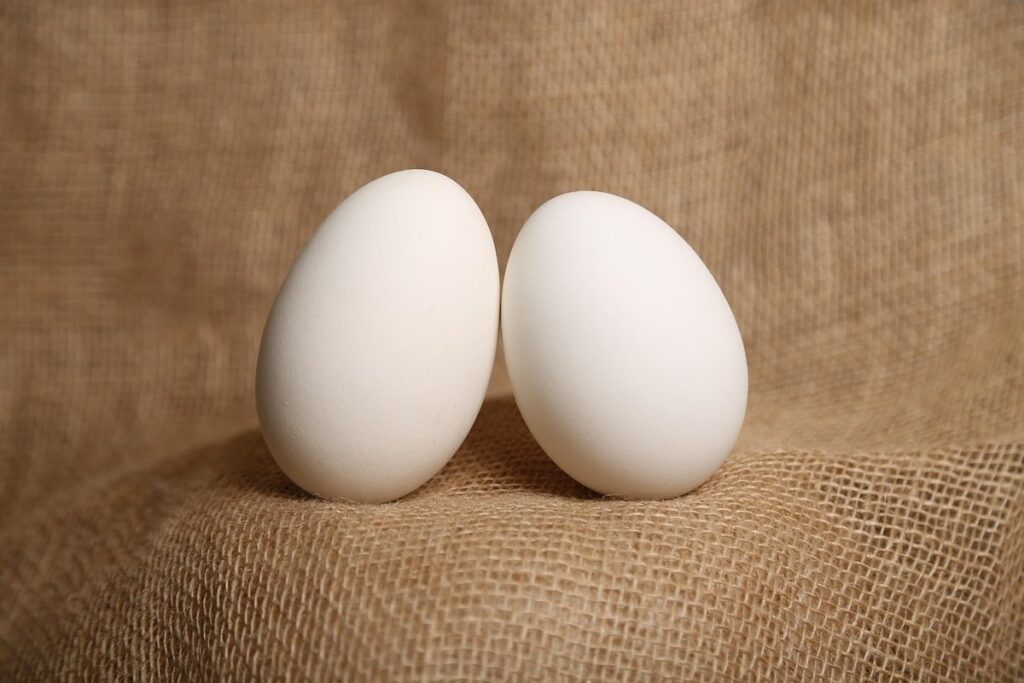
What is Egg Duck?
Egg duck, a popular game among enthusiasts, can be confusing for newcomers. In this section, we’ll break down its core concept and explain what it’s all about in simple terms.
Definition and History
Egg duck has its roots in Chinese cuisine, specifically in the southern province of Canton. The dish is believed to have originated during the Qing dynasty (1644-1912), where it was served as a delicacy to royalty and high-ranking officials. Over time, egg duck evolved into a staple in Cantonese cooking, with various regional variations emerging.
One of the earliest recorded references to egg duck can be found in the 18th-century cookbook “The Art of Cooking” by Chinese chef Yung Wing. The recipe described a dish called “Duck Egg Stir-Fried with Ginger and Scallions,” which bears striking resemblance to modern-day egg duck preparations.
As Cantonese cuisine spread globally, egg duck gained popularity worldwide, adapting to local tastes and preferences. In the United States, for instance, egg duck is often served in Chinese-American restaurants, where it’s typically stir-fried with vegetables and soy sauce.
Today, egg duck remains an essential part of Cantonese cuisine, cherished for its rich flavors and historical significance.
Global Variations
Egg duck, a dish that transcends borders and culinary traditions. As you explore this versatile recipe, it’s fascinating to see how different regions around the world put their unique spin on it. From the steaming hot kitchens of China to the aromatic streets of India, egg duck has evolved into a melting pot of flavors and techniques.
In China, where egg duck is believed to have originated, it’s commonly served in Sichuan cuisine with a focus on numbing spices like Szechuan pepper and chili oil. This version is often cooked with a sweet and sour sauce, adding a tangy twist to the rich, savory flavor of the duck. In contrast, Indian cooks typically marinate their egg duck in yogurt and spices before grilling it over an open flame, infusing it with the warmth of cumin, coriander, and cinnamon.
One key takeaway from these global variations is that the core elements of egg duck – the tender meat, rich sauce, and comforting flavor profile – remain consistent across cultures. However, each region’s unique twist adds a layer of depth and complexity to this beloved dish.
Nutrition and Health Benefits
Egg duck is not only a delicious dish, but it also offers numerous nutritional benefits when prepared and consumed wisely. Let’s dive into how egg duck can boost your health.
Protein Content and Value
Egg duck is an excellent source of protein, making it an ideal choice for those looking to increase their intake. A 3-ounce serving of egg duck contains approximately 25 grams of protein, which is roughly equivalent to the amount found in a chicken breast or a cup of Greek yogurt. This high protein content is due in part to the lean meat and poultry components that make up the dish.
From a nutritional standpoint, the protein in egg duck is considered complete, meaning it contains all nine essential amino acids necessary for optimal health. These amino acids are crucial for building and repairing muscles, organs, and tissues throughout the body. For example, leucine, one of the branched-chain amino acids found in egg duck, plays a key role in muscle growth and recovery.
When it comes to incorporating egg duck into your diet, consider pairing it with complex carbohydrates such as brown rice or quinoa for a balanced meal. This combination will help promote satiety and support overall health and well-being. With its impressive protein content and potential health benefits, egg duck is an excellent addition to any nutritious diet.
Other Essential Vitamins and Minerals
In addition to its impressive protein and omega-6 fatty acid content, egg duck is also a rich source of other essential vitamins and minerals. Vitamin B12, for instance, plays a crucial role in the production of red blood cells and nerve function, with egg duck providing about 1 microgram per large egg. Meanwhile, vitamin D is vital for maintaining strong bones and immune systems, and egg duck contains around 40 IU (International Units) per large egg.
Iron, another essential mineral, is present in smaller amounts within egg duck but still contributes significantly to a balanced diet. With an average of 1 milligram per large egg, it’s not only beneficial for those with iron deficiency but also supports healthy red blood cell production.
Egg duck is also surprisingly rich in omega-3 fatty acids – specifically alpha-linolenic acid (ALA), with about 0.2 grams per large egg. While this is lower compared to other food sources like salmon or flaxseeds, it still provides a valuable contribution to heart health and brain function when consumed as part of a balanced diet.
When incorporating egg duck into your meal plan, make sure to vary your intake by consuming different types of eggs – some may have higher vitamin B12 levels than others.
Preparing Egg Duck: A Step-by-Step Guide
To ensure your egg duck dish turns out perfectly, let’s dive into the preparation steps, which include marinating, breading, and cooking to achieve crispy perfection.
Choosing the Right Ingredients
When it comes to preparing egg duck, choosing the right ingredients is crucial to bring out its rich and savory flavor. To start with, select eggs that are as fresh as possible. Fresh eggs will have a firmer white and a higher yolk-to-white ratio, making them ideal for egg duck’s signature texture and taste.
When it comes to cooking oils, opt for neutral-tasting oils like peanut oil or vegetable oil. These oils have a high smoke point, which allows you to cook the egg duck at high temperatures without burning the dish. Avoid using olive oil as it has a strong flavor that might overpower the other ingredients.
In terms of seasonings, Chinese five-spice powder is a classic choice for egg duck. This blend typically includes cinnamon, cloves, fennel seeds, star anise, and Szechuan pepper, which complements the dish’s savory flavors. You can also add aromatics like ginger, garlic, or scallions to enhance the overall flavor profile. Experiment with different seasonings to find the perfect balance for your taste buds.
Cooking Techniques and Methods
To achieve the perfect egg duck dish, you need to master various cooking techniques. One popular method is deep-frying, which involves submerging the duck in hot oil to create a crispy exterior and tender interior. To do this effectively, choose a neutral-tasting oil with a high smoke point, such as peanut or vegetable oil, and heat it to around 350°F (175°C). Be sure to pat the duck dry before frying to prevent excess moisture from splattering.
Pan-searing is another technique that yields great results. This method involves cooking the duck in a hot skillet with some oil until it develops a nice crust on the outside. To pan-fry successfully, use a heavy-bottomed skillet and add a small amount of oil over medium-high heat. Sear the duck for 2-3 minutes on each side, then finish cooking it in the oven to prevent burning.
Braising is also an excellent method for cooking egg duck, especially for tougher cuts. This technique involves slow-cooking the duck in liquid, such as stock or wine, on low heat. To braise effectively, choose a large Dutch oven and add the duck along with some aromatics like onions and carrots. Cover the pot and cook the dish over low heat for 2-3 hours, or until the meat is tender and falls off the bone.
Serving Suggestions and Presentation Ideas
Whether you’re a seasoned chef or just starting out, we’ve got some creative ideas to make your egg duck dish truly shine at any meal occasion. Get inspired by our expert suggestions!
Traditional Pairing Options
When it comes to serving egg duck, there are several traditional pairing options that complement its rich and savory flavors. One classic combination is steamed vegetables, such as broccoli or bok choy, which provide a refreshing contrast to the richness of the dish. Simply steam the vegetables until tender, then serve them alongside the egg duck.
Another popular option is stir-fried noodles, like rice noodles or egg noodles, which can be cooked with soy sauce and sesame oil for added flavor. This pairing works particularly well when served with a savory egg duck sauce. You can also try adding sliced scallions or bean sprouts to the noodles for added texture.
For a more subtle contrast, consider serving pickled ginger on the side. The tangy sweetness of the ginger complements the savory flavors of the egg duck without overpowering it. To make your own pickled ginger, simply slice fresh ginger thinly and soak it in a mixture of vinegar, sugar, and salt for at least 30 minutes.
These traditional pairing options allow you to enjoy egg duck in a more nuanced and balanced way, while still showcasing its rich flavors.
Modern Twists and Fusion Inspirations
Egg duck is a versatile dish that can be reimagined and elevated with modern twists and fusion inspirations. Imagine taking traditional Chinese egg duck recipes and infusing them with the bold flavors of Korean gochujang or the spicy kick of Indian curry powder.
Try pairing Asian-style egg duck with Japanese miso sauce for a rich and savory glaze, or adding some Latin American flair by topping it with cilantro lime crema. You can also draw inspiration from Middle Eastern cuisine by serving it with sumac-spiced rice and grilled halloumi cheese.
For a modern take on the classic recipe, consider using alternative proteins like duck breast or even tofu for a vegan version. Don’t be afraid to experiment with new ingredients and flavor combinations – the key is to balance bold flavors without overpowering the delicate taste of the eggs.
Some popular fusion ideas include:
• Korean-Style Egg Duck Tacos
• Japanese-Inspired Teriyaki Egg Duck Ramen
• Indian-Spiced Egg Duck Wrap
By pushing the boundaries of traditional egg duck recipes, you can create a truly unique and memorable dining experience. So don’t be afraid to get creative and try new things – your taste buds will thank you!
Egg Duck in Different Cuisines: Exploring Cultural Significance
As we delve into the world of egg duck, let’s take a fascinating journey to discover how different cultures adapt and interpret this dish in their own unique ways. From Asian stir-fries to Latin American twists, every region adds its special flair.
Chinese and Korean Traditions
In Chinese and Korean traditions, egg duck holds a special place at family gatherings and special occasions. For many families, it’s not just about serving food but also sharing stories and creating memories. In these cultures, the preparation of egg duck is often a labor of love, with each step carefully executed to ensure perfection.
For Chinese families, roast duck is typically served during lunar new year celebrations, symbolizing good fortune and prosperity. The process of preparing the dish is just as important as the final product itself. Families gather together to help with preparations, teaching younger generations about tradition and family history.
In Korea, samgyeopsal-style egg duck is a staple at Korean BBQ restaurants and special occasions alike. The dish’s sweet and savory flavors are carefully balanced to create a harmonious experience for diners. Foodies often rave about the crispy skin and tender meat, but it’s the cultural significance that truly makes this dish unforgettable.
If you’re looking to recreate these dishes at home, start by sourcing high-quality duck and experimenting with different marinades. Remember, the true value lies in the love and effort put into preparing the meal – so don’t be afraid to get creative and make it your own!
Southeast Asian and Indian Influences
In Southeast Asia and India, egg duck recipes have been transformed to reflect local tastes and traditions. In Thailand, for example, a popular variation is the “Khao Kiew Gai”, where the egg mixture is cooked with coconut milk and spices like cumin and coriander. This rich and creamy sauce sets it apart from its Chinese counterpart.
In India, egg duck has been adapted to use local spices like turmeric, cumin, and red chili powder. The addition of garam masala and lemon juice gives the dish a distinct aroma and flavor profile. To try this at home, simply replace traditional soy sauce with Indian-inspired spices and add a squeeze of fresh lemon juice.
In Indonesia, egg duck is known as “Ayam Gepuk” and often features local ingredients like kecap manis (sweet soy sauce) and galangal. This sweet and savory flavor combination gives the dish a unique character that’s both familiar and exotic. To experience this fusion firsthand, look for Indonesian restaurants serving Ayam Gepuk or try adapting the recipe using regional spices and condiments.
These variations illustrate how egg duck has become an integral part of Southeast Asian and Indian cuisines, blending local flavors with traditional techniques to create dishes that are at once authentic yet innovative.
Frequently Asked Questions
Can I customize the cooking techniques for egg duck to suit my dietary preferences?
Yes, one of the greatest benefits of egg duck is its versatility! Depending on your specific needs or restrictions, you can modify the traditional recipes to accommodate vegetarian, vegan, gluten-free, or low-carb requirements. For example, swap out ingredients like egg whites for tofu or use herbs and spices to reduce salt content.
How do I choose the right ingredients for a successful egg duck dish?
When selecting ingredients for your egg duck recipe, consider the following tips: (1) Use fresh eggs from a reputable source; (2) Choose meats with rich flavor profiles, such as Peking duck breast or confit; and (3) Balance your sauce with acidity, sweetness, and umami elements. By focusing on quality ingredients, you’ll set yourself up for success in the kitchen.
Can I pair egg duck with any type of cuisine or dish?
While traditional pairing options often feature Asian-inspired sides like stir-fried vegetables or steamed bok choy, don’t be afraid to get creative! Egg duck can complement a wide range of flavors and cuisines. Consider pairing it with Mediterranean hummus, Latin American salsa verde, or even classic roasted potatoes for a satisfying twist.
How do I prepare egg duck ahead of time for a large gathering?
To make serving a crowd easier, consider these prep tips: (1) Prepare sauces and marinades in advance to save time; (2) Cook the duck breast or legs a day before and store them refrigerated; and (3) Assemble the dish just before serving to maintain freshness. By prepping ahead, you’ll be able to enjoy the meal with your guests without last-minute stress.
Can I adapt egg duck recipes for different portion sizes?
Absolutely! Egg duck recipes can easily be scaled up or down depending on your needs. To adjust for smaller or larger groups, simply multiply or divide ingredients accordingly. Keep in mind that cooking times may vary slightly based on the size of your portions; use a meat thermometer to ensure food safety and optimal doneness.