
As a chicken keeper, you want to ensure your flock is thriving and healthy. But have you ever stopped to think about the height of their feeder? It might seem like a minor detail, but it can actually make a big difference in the nutrition and overall well-being of your chickens. Different breeds have varying needs when it comes to feeder height, and getting it right can prevent health issues down the line. In this essential guide, we’ll dive into breed-specific recommendations for feeder height, explore how optimal nutrition impacts flock health, and discuss important considerations to keep in mind for a thriving flock. By the end of this article, you’ll have a clear understanding of the importance of feeder height and be equipped with the knowledge to make informed decisions for your chickens’ dietary needs.
Importance of Proper Feeder Height
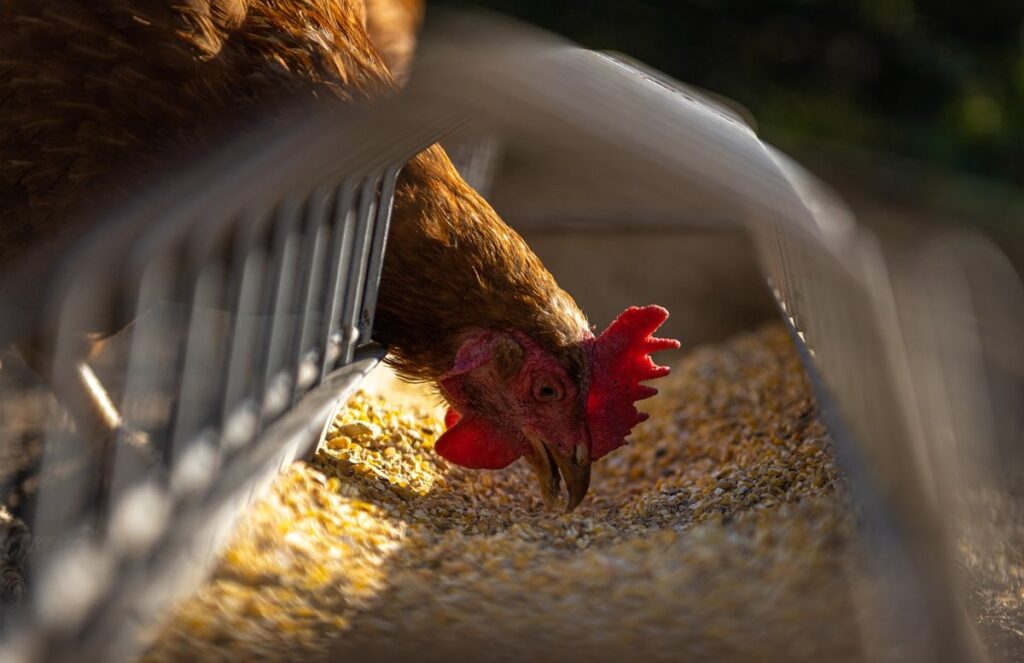
When it comes to feeding your chickens, getting their feeder height just right is crucial for preventing stress and discomfort. Let’s explore why proper feeder height is so important for your flock.
Factors Affecting Feeder Height
When it comes to determining the optimal feeder height for your flock, several factors come into play. One of the most significant influences is the chicken breed itself. Different breeds have varying growth rates and appetites, which can impact their feeding patterns. For example, large breeds like Orpingtons require a slightly higher feeder than smaller breeds like Leghorns.
Another crucial factor is the age of your chickens. Younger birds need more frequent feedings to fuel their rapid growth, so their feeder should be placed at a lower height to allow easy access. As they mature and reach full size, their feeder can be raised accordingly. This ensures that adult birds are not overeating, which can lead to obesity and related health issues.
Health conditions also play a significant role in determining the ideal feeder height. Birds with mobility or vision impairments may need assistance reaching food, so a lower feeder is necessary for their comfort.
Recommended Feeder Heights for Different Breeds
When it comes to providing optimal nutrition for your flock, feeder height is crucial. Different breeds have unique characteristics that require specific feeder heights to ensure they can easily access food without straining their necks. Here are some recommended feeder heights for popular chicken breeds:
For Leghorns, which are known for their slender builds and high energy levels, a feeder height of 4-5 inches (10-13 cm) is ideal. This allows them to feed comfortably without having to stretch or strain.
Rhode Island Reds, on the other hand, benefit from a slightly lower feeder height of 3.5-4.5 inches (9-11 cm). Their larger size and robust build require a bit more support when feeding.
Orpingtons, with their sturdy build and laid-back nature, can thrive at a feeder height of 4-5 inches (10-13 cm), similar to Leghorns.
The Impact of Feeder Height on Nutrition
Understanding how feeder height affects your flock’s nutrition is crucial for their overall health and well-being. In this discussion, we’ll explore the impact of feeder height on nutrient intake.
Effects of Elevated Feeders on Chicken Digestion
Using elevated feeders can have a significant impact on chicken digestion, particularly for young birds. When feed is placed above their beaks, chickens must work harder to eat, which can lead to reduced digestibility of nutrients. This is because the act of eating and swallowing becomes more strenuous, causing stress on the digestive system.
In addition, elevated feeders can cause young chickens to gobble food quickly, leading to overeating and a decrease in nutrient absorption. As a result, they may not be getting the essential vitamins and minerals they need for optimal growth and health. Proper digestive health is crucial for overall flock performance, as it directly affects their ability to absorb nutrients.
A study on broiler chickens found that those fed at ground level had better feed conversion ratios compared to birds fed using elevated feeders. This highlights the importance of feeder height in maintaining healthy digestion and nutrient absorption in young chickens. When selecting a feeder system for your flock, consider using gravity-fed or trough-style feeders to minimize stress on their digestive systems.
Consequences of Low Feeder Heights on Nutrient Intake
When feeder heights are set too low for chickens, it can lead to some serious consequences that go beyond just being inconvenient. Reduced feed intake is one of the most significant issues that arise from low feeder heights. Chickens may struggle to access their food, leading to reduced consumption, which in turn affects their overall nutrition and health.
In severe cases, this reduced feed intake can lead to malnutrition, as chickens are not getting the essential nutrients they need to thrive. This is particularly concerning for young chicks and growing pullets, who require a balanced diet to support rapid growth and development. Malnutrition can cause a range of related health issues, including weak immune systems, stunted growth, and even death.
To avoid these problems, it’s essential to ensure that your feeder heights are set at the optimal level. A general rule of thumb is to position feeders so that the height allows for about 1 inch (2.5 cm) of clearance between the feeding area and the floor. This will help prevent waste, reduce stress on your birds’ necks, and promote healthy eating habits.
Optimal Feeder Height Placement
When it comes to optimal feeder height, there are a few key factors to consider to ensure your chickens can eat comfortably and without stress. Let’s discuss how to get it just right for your flock.
Considerations for Enclosed Flocks
When it comes to maintaining optimal feeder height for enclosed flocks, space constraints can pose unique challenges. In these environments, where chickens are confined to a smaller area, feeder placement requires extra consideration.
Firstly, ensure that the feeder is placed at an accessible height, allowing all birds to eat comfortably without straining their necks. A good rule of thumb is to position the feeder so that the feeding trough is at least 6-8 inches off the ground. This allows chickens to walk under it without having to stretch or crouch.
To optimize space, consider using wall-mounted feeders or those with built-in dividers. These can help prevent overcrowding and make mealtime less chaotic. Additionally, choose a feeder design that allows for easy cleaning and maintenance, reducing waste and the risk of health issues.
In small coops, it’s also essential to ensure that birds have enough room to move around freely between meals. Aim for at least 2-4 square feet per bird, depending on breed and age. By striking this balance between accessibility and space efficiency, you can create a harmonious and healthy environment for your enclosed flock.
Tips for Free-Range and Pasture-Raised Flocks
When it comes to free-range and pasture-raised flocks, ensuring adequate feeder height is crucial for the health and well-being of your chickens. However, this can be more challenging due to varying terrain and vegetation. To accommodate these considerations, consider installing feeders that are adjustable or have a wide base to prevent tipping over.
When choosing a location for your free-range flock’s feeder, look for an area with minimal shade to encourage foraging and sun exposure. Avoid placing the feeder near dense vegetation, as this can lead to competition for food among your birds. You should also ensure easy access to predator protection measures, such as covered runs or secure fencing.
When selecting a pasture-raised system, consider using portable feeders that can be easily moved around the farm to reflect changing grazing patterns. This will encourage your chickens to engage in natural foraging behavior and promote overall health.
Best Practices for Feeder Maintenance and Cleaning
To keep your flock healthy and thriving, regular feeder maintenance is crucial; learn how to clean and maintain your feeders effectively in these best practices.
Importance of Regular Cleaning
Regular cleaning of feeders is crucial for maintaining the health and well-being of your flock. When feeders are not regularly cleaned, bacteria can grow rapidly, contaminating the food and posing a significant risk to your chickens’ health. According to the USDA, bacterial contamination is one of the leading causes of illness in poultry flocks.
To put this into perspective, imagine feeding your chickens spoiled or moldy food. Not only would it be unappetizing for them, but it could also lead to serious health issues such as respiratory problems and impaired immune systems. In severe cases, contaminated feed can even lead to the spread of disease among your flock.
So, how often should you clean your feeders? A good rule of thumb is to clean them at least once a week, or more frequently if you notice signs of contamination or spoilage. Be sure to wash feeders with soap and warm water, then sanitize them with a solution of one part white vinegar to nine parts water. This will help prevent the growth of bacteria and keep your chickens healthy and thriving.
Methods for Reducing Feed Waste and Debris
When it comes to maintaining an efficient feeding system for your flock, minimizing feed waste and debris is crucial. Not only does it help reduce costs but also promotes a healthier environment for your chickens. To minimize feed waste and debris, consider the design of your feeder. Opt for a feeder with features such as adjustable dividers, easy-clean designs, or even self-feeding systems that allow hens to eat at their own pace.
You can also adopt feeding strategies like using feeders with wide bases to prevent tipping, placing feeders near water sources to reduce competition and mess, or implementing a ‘no-waste’ policy by encouraging chickens to finish their meals within a certain time frame. For example, you can use a timer to ensure they finish their meal within 10-15 minutes.
By incorporating these feeder design considerations and feeding strategies into your routine, you’ll not only reduce feed waste but also create an environment that fosters optimal nutrition and health for your flock.
Feeder Height Considerations for Different Life Stages
As you’re raising chickens, you’ll want to consider adjusting feeder heights based on their life stages, from chicks to mature hens, to ensure optimal nutrition and health. Let’s explore how to tailor feeder height for each stage.
Growing Stage: Optimizing Feeder Height for Young Chickens
During the growing stage, young chickens require optimal nutrient intake to support their rapid growth and development. The feeder height plays a crucial role in determining the ease with which they can access food and nutrients. A feeder that is too high may lead to waste and competition among birds for feed, while one that is too low may cause mess and attract pests.
As a general rule of thumb, it’s recommended to keep the feeder at a height where the top of the feeding trough is about 2-3 inches above the bird’s back. For example, if you have a breed like Leghorn that grows quite tall, you might need to adjust the feeder height accordingly. A good starting point would be to place the feeder at around 6-8 inches off the ground for smaller breeds.
Remember, it’s essential to observe your birds and make adjustments as needed. You may also want to consider providing multiple feeders or using a feeder system that allows you to easily adjust the height to suit different growth stages.
Laying Stage: Adjusting Feeder Heights for Adult Hens
As hens mature into adult layers, their feeder height requirements change to accommodate their growing needs. Research suggests that adjusting feeder heights can impact laying performance significantly. A study conducted by the University of California found that hens with access to feeders at 1-2 inches from the ground laid an average of 12 more eggs per week compared to those with feeders at a height of 6-8 inches.
As hens grow, their ability to reach and forage for food changes. Adult hens require feeders that allow them to eat comfortably without straining or stretching. Aim for feeder heights between 1-3 inches from the ground to accommodate adult hens’ needs. Consider using adjustable feeders or those with multiple feeding levels to cater to different age groups within your flock.
Keep in mind that overfeeding can lead to obesity and other health issues, so monitor your hens’ intake closely when adjusting feeder heights. Ensure they have access to a balanced diet and plenty of fresh water at all times. Regularly inspect feeders for signs of wear or damage and make adjustments as needed to maintain optimal nutrition and laying performance.
Conclusion and Recommendations
Now that you’ve learned how to choose the perfect feeder height for your flock, let’s summarize key takeaways and offer practical recommendations for implementing these guidelines on your farm.
Summary of Key Takeaways
When it comes to optimizing feeder height for your flock, remember that this simple adjustment can have a significant impact on their nutrition, health, and overall performance. Proper feeder height ensures that chickens of all ages and breeds can easily access the food they need to thrive.
Key recommendations include adjusting feeder height according to breed: large birds like Orpingtons require more space, while smaller breeds like Leghorns may prefer lower feeders. Additionally, consider age-specific needs – young chicks and pullets benefit from elevated feeders to prevent overeating and pecking disorders.
Adult hens can thrive on standard-height feeders, but older birds or those with mobility issues may need assistance reaching the food. A general rule of thumb is to place feeders at a height that allows the hen’s head to be about 1-2 inches above the feeding trough. This will help prevent straining and discomfort while eating. By implementing these simple adjustments, you’ll be well on your way to creating an optimal environment for your flock to flourish.
Final Thoughts: Prioritizing Flock Health and Nutrition
As you’ve implemented optimal feeder heights in your coop, it’s essential to remember that this is just one part of maintaining a healthy flock. Regular maintenance and proper feeding strategies are equally crucial to ensuring the well-being of your chickens.
Firstly, make sure to inspect your feeders daily for blockages or spills. A clogged feeder can lead to stress and competition among your birds, causing them to miss out on essential nutrients. Clean and sanitize your feeders regularly to prevent bacterial growth and contamination. You can also consider using automatic feeders that minimize waste and ensure a consistent supply of food.
In addition to regular maintenance, develop a feeding strategy that promotes balanced nutrition for your flock. This may include supplementing their diet with fresh fruits and vegetables or providing free-choice mineral blocks. Observe your birds’ behavior and adjust their diet accordingly. By prioritizing flock health and nutrition through optimal feeder heights, regular maintenance, and proper feeding strategies, you’ll be well on your way to raising a happy and healthy flock.
Frequently Asked Questions
How do I determine the optimal feeder height for my flock if they’re a mix of different breeds?
To determine the best feeder height for your mixed-breed flock, consider the average growth rate and appetite of your birds. You can also monitor their feeding behavior to see which heights work best for them. For example, if you notice that some birds are straining to reach the feed while others are leaving a lot behind, it may be necessary to adjust the feeder height.
What’s the ideal feeder height for young chickens during their growing stage?
During the growing stage (0-16 weeks), provide your chicks with a feeder height of about 2-3 inches off the ground. This allows them to easily access feed without straining or wasting food. As they grow, you can gradually adjust the feeder height according to their needs.
Can I use the same feeder height for both laying and breeding hens?
While some breeds have similar requirements, laying and breeding hens often require different feeder heights due to changes in nutrition demands. Laying hens typically need a slightly higher feeder (about 6-8 inches off the ground) to ensure they can reach feed easily while foraging.
How often should I clean and maintain my chicken feeders?
Regular cleaning of your chicken feeders is essential to prevent bacterial growth, mold, and pest infestations. Clean your feeders at least once a week, or more frequently if you notice issues with cleanliness. Disinfect the feeders thoroughly after each use.
What are some tips for transitioning my flock to a new feeder height?
When adjusting your flock’s feeder height, do it gradually over a period of 7-10 days to prevent stress and discomfort. Monitor their behavior and adjust as needed to ensure a smooth transition. Consider offering multiple feeding stations with different heights to cater to individual bird preferences.