
Are you thinking of bringing home a Frizzle rooster, or perhaps you’re already a proud owner? Either way, these unique birds require special care and attention. As a popular breed known for their distinctive frizzy feathers, owning a Frizzle rooster can be a delightful experience. However, it’s essential to consider the specific needs of this breed before making a decision. From health concerns to breeding and showing, there are many aspects to think about when caring for your feathered friend.
In this article, we’ll delve into the world of Frizzle chicken roosters, providing expert advice on everything from their dietary requirements to tips on showing them off in competitions. Whether you’re a seasoned poultry enthusiast or just starting out, our guide will give you the confidence and knowledge you need to provide the best possible care for your beloved Frizzle rooster.
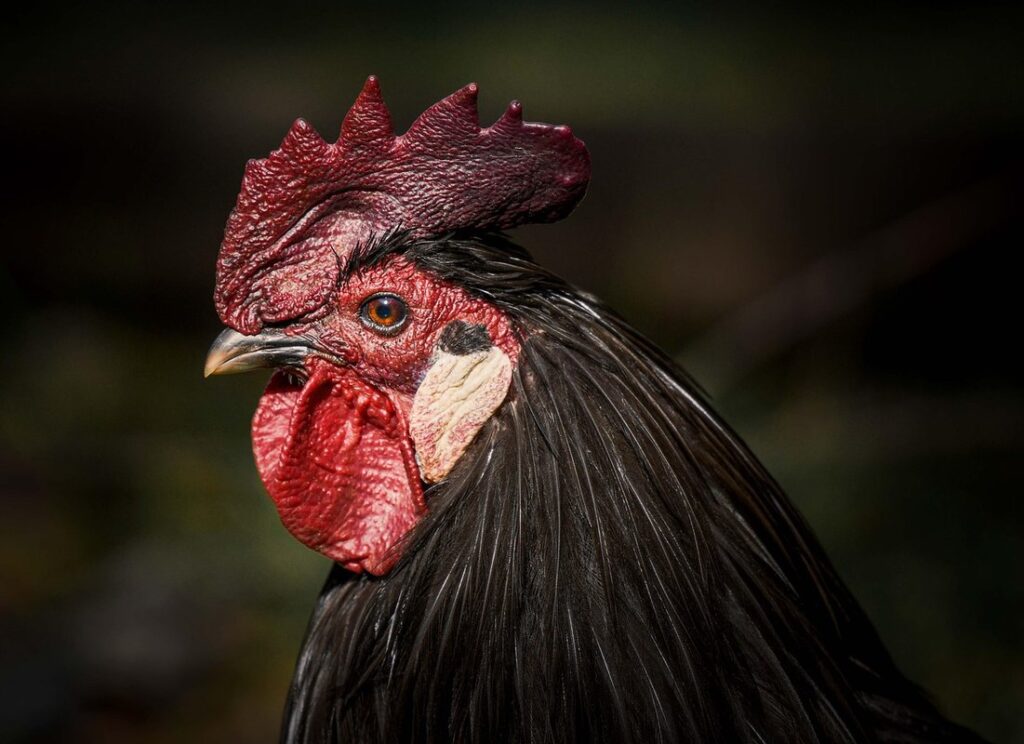
What is a Frizzle Chicken?
If you’re new to the world of rare breeds, let’s start with the basics: what exactly makes a chicken a frizzle, and how do they get their unique feathers.
Origins and History of the Breed
The Frizzle chicken breed has a rich and fascinating history that spans over four centuries. Originating in Europe during the 16th century, this unique breed was first bred in Germany, where it was highly prized for its striking appearance. The Frizzle’s distinctive curled or twisted feathers were likely a result of natural mutations that occurred due to genetic factors.
Over time, Frizzle chickens spread throughout Europe, with various countries contributing to their development. In the 18th century, French breeders crossed the Frizzle with other breeds to enhance its characteristics, resulting in the modern-day Frizzle we know today. Despite its long history, the Frizzle remained a relatively rare breed until the mid-20th century, when it gained popularity among backyard chicken enthusiasts.
The Frizzle’s origins are closely tied to its unique appearance, which has captivated people for centuries. As you learn more about this breed, keep in mind that its quirky feathers and charming personality make it an ideal choice for those looking for a show-stopping rooster.
Characteristics of the Frizzle Breed
One of the most distinctive features of the Frizzle breed is its unique physical characteristics. The Frizzle chicken has a genetic mutation that causes its feathers to grow in every direction, giving it a crinkled and twisted appearance. This is due to a faulty protein structure in the feather follicles, which leads to the formation of abnormal feathers.
In terms of comb type, the Frizzle breed typically has a single comb, rather than the rosecomb or pea comb found in some other breeds. The single comb can vary in size and shape, but it’s often relatively small compared to the overall size of the rooster.
Egg-laying abilities are another key characteristic of the Frizzle breed. They’re prolific layers, producing an average of 200-220 eggs per year. However, their egg-laying frequency can be affected by factors such as nutrition, health, and living conditions. To maximize your Frizzle’s egg production, make sure to provide a balanced diet, plenty of fresh water, and a clean, spacious coop.
Frizzle roosters are also known for their active and friendly personalities, making them great additions to backyard flocks.
Choosing a Healthy Frizzle Rooster
When selecting a healthy frizzle rooster, there are several key factors to consider, including genetics, temperament, and overall physical condition. Look for birds that exude vitality and energy.
Selecting the Right Breeder
When buying a Frizzle rooster, one of the most crucial steps is selecting a reputable breeder. A good breeder can make all the difference in ensuring you get a healthy and well-tempered bird. To evaluate breeders, start by researching their reputation online. Look for reviews from other customers, check if they have any certifications or memberships with local poultry associations, and see how long they’ve been breeding Frizzles.
Another key factor is to look at the breeder’s knowledge of genetics. A reputable breeder should be able to explain the specific characteristics of your rooster, including its genetic makeup and potential health issues. They may also offer guarantees or warranties on their birds’ health.
In addition to these factors, consider visiting the breeder in person to see the conditions they keep their birds in. Are the coops clean? Is there adequate space for the birds to move around? A good breeder will be transparent about their breeding practices and happy to show you around their facilities. By doing your research and choosing a reputable breeder, you can significantly reduce the risk of buying a sick or unhealthy rooster.
Health Considerations for Frizzle Chickens
Frizzle chickens are prone to several health issues due to their unique genetic makeup. One of the most common concerns is respiratory problems. The Frizzle’s curly feathers can make it difficult for them to breathe, especially during hot weather or when they’re stressed. To prevent respiratory issues, ensure your rooster has a spacious and well-ventilated coop with plenty of fresh air.
Another issue affecting Frizzle chickens is genetic disorders. Some breeds are more susceptible to conditions like spinal muscular atrophy (SMA) and curvature of the spine. Regular veterinary check-ups can help identify potential problems early on. A reputable breeder will also be able to provide information about a rooster’s lineage and any known health issues within that family.
To manage respiratory problems, provide plenty of fresh water and consider using a humidifier in your coop during dry spells. You can also use a dehumidifier to reduce moisture levels during hot weather. Regular grooming is essential for Frizzle chickens, as matted feathers can exacerbate breathing difficulties.
Caring for Your Frizzle Rooster
To keep your frizzle rooster happy and healthy, you’ll need to pay close attention to their unique grooming needs and special care requirements. Regular maintenance will make all the difference in their well-being.
Housing and Environment Requirements
When it comes to housing and environmental requirements for your Frizzle rooster, you’ll want to provide him with a space that meets his specific needs. First, consider the minimum square footage: about 3-4 square feet per bird inside, and 10-15 square feet per bird outside in a fenced area.
In terms of temperature control, Frizzle roosters are sensitive to heat, so make sure their coop is well-ventilated and protected from direct sunlight. A good rule of thumb is to keep the indoor temperature between 40°F and 80°F (4°C and 27°C). You can also consider using a thermometer to monitor the temperature inside the coop.
In addition to adequate space and ventilation, Frizzle roosters require easy access to fresh water, a balanced diet, and some dust baths. A dust bath is essential for removing dirt and oil from their feathers, which helps prevent mites and other parasites from building up. To create a dust bath, simply fill a shallow dish with dry soil or sand and place it in the coop.
Nutrition and Feeding Guidelines
Frizzle chickens require a balanced diet that meets their unique nutritional needs. As an owner, it’s essential to provide your Frizzle rooster with the right mix of nutrients to ensure optimal health and well-being.
When it comes to feeding your Frizzle rooster, consider providing a high-quality commercial chicken feed as the main staple. This should be supplemented with fresh fruits, vegetables, and grains to ensure a varied diet. Leafy greens such as kale and spinach are excellent choices, rich in iron and calcium. Avoid overfeeding treats like bread or pasta, which can lead to weight gain and other health issues.
A good feeding schedule is also crucial for your Frizzle rooster’s well-being. Provide fresh water at all times and ensure access to a balanced feed throughout the day. Limit treat portions to 10% of their daily intake to maintain a healthy balance. For example, if you’re offering 1 cup of treats per day, that should be no more than 1/10th cup of high-quality feed.
To determine the ideal feeding schedule for your Frizzle rooster, consider their age and activity level. Younger birds require a higher protein diet, while older birds may benefit from reduced energy intake. Consult with a veterinarian or poultry expert to determine the best feeding plan tailored to your bird’s specific needs.
Breeding and Raising Frizzle Chickens
If you’re new to raising frizzle chickens, this is where it gets really fun – breeding and raising your own flock can be a rewarding experience. We’ll cover everything from selecting breeders to caring for your chicks.
Understanding Rooster Selection for Breeding
When it comes to breeding frizzle chickens, selecting a high-quality rooster is crucial for producing healthy, desirable offspring. A good rooster can make all the difference in maintaining the integrity of your flock’s genetics and overall performance. So, what characteristics should you look for in a potential sire?
First and foremost, evaluate the rooster’s conformation and structure. A well-proportioned body, strong legs, and balanced head are essential for a healthy, functional bird. Avoid roosters with excessive feathering or unusual growth patterns that could be indicative of underlying health issues.
Next, assess the rooster’s temperament and behavior. A calm, friendly demeanor is vital for breeding purposes, as it will make handling and management easier. Also, consider his fertility and mating ability – a good rooster should have a high sperm count and be capable of producing viable offspring.
When selecting a rooster for breeding, also check for genetic diversity and resistance to diseases common in your area. This can help prevent inbreeding and maintain the health and robustness of your flock over time. By carefully evaluating these factors, you’ll increase the chances of producing high-quality frizzle chickens that meet your standards.
Tips for Successful Flock Management
When it comes to managing a flock of Frizzle chickens, maintaining harmony and preventing stress is crucial for their overall health and well-being. A happy and balanced flock is essential for optimal egg production and breeding success.
Firstly, introduce new birds gradually to the existing flock to prevent any potential conflicts. Start by keeping them separated for a few days before introducing them to each other under close supervision. This will give your Frizzle chickens time to adjust to each other’s presence and reduce stress.
Another key aspect of successful flock management is providing adequate space and resources. Ensure that each bird has enough room to move around, roost comfortably, and access food and water without competition. Aim for at least 2-3 square feet of space per bird indoors or 10-15 square feet per bird outdoors.
It’s also essential to establish a pecking order, which can be achieved by introducing older birds first and allowing them to establish dominance. This will help maintain harmony within the flock and prevent any potential aggression issues. By following these simple tips, you’ll be well on your way to creating a happy and thriving Frizzle chicken flock.
Showing Your Frizzle Rooster
When showing off your beloved Frizzle rooster, presentation and grooming are just as important as his striking looks. Here’s how to bring out the best in him for a winning impression.
Preparing Your Bird for Show
Preparing your Frizzle rooster for show requires attention to detail and a bit of know-how. Trimming is one of the most critical aspects of preparing your bird for competition. Start by cleaning up any tangles or mats in his feathers, as these can be distracting under the judging table. Use scissors specifically designed for birds, taking care not to cut too close to the skin.
Pay particular attention to the areas around the eyes, vents, and wings, where dirt and debris tend to accumulate. Grooming is also essential; ensure your Frizzle’s feathers are well-combed, with no stragglers or unevenness. This will not only enhance his appearance but also prevent matting and tangling.
For shows, it’s common for judges to expect a more polished look. To achieve this, gently trim the whisker-like feathers above the beak to about an inch in length. You may also want to lightly trim any stray hairs around the vent area, keeping the overall appearance neat and tidy. With practice, you’ll become more comfortable with trimming and grooming techniques, ensuring your Frizzle rooster looks his absolute best for the show ring.
Understanding Breed Standards and Judging Criteria
When showing your frizzle rooster at a chicken show, it’s essential to understand the breed standards and judging criteria. Breed standards outline the characteristics that define a specific breed, including size, temperament, feathering, and plumage quality. For frizzle chickens, the breed standard emphasizes their unique feature – loose, wavy feathers – which should be evenly distributed across the body.
Judges evaluate each bird based on its conformity to the breed standard. They look for balance, proportion, and overall appearance. A winning frizzle rooster will have a well-groomed, natural appearance with no signs of excessive shearing or trimming. Judges also assess the bird’s temperament, checking for friendliness, docility, and ease of handling.
When preparing your frizzle rooster for competition, familiarize yourself with the breed standard and judging criteria. Practice handling and grooming techniques to help your bird look its best. Consider consulting a breeder or experienced show handler for guidance on presenting your bird in the most favorable light.
Common Questions About Frizzle Chickens
If you’re considering adding a frizzle rooster to your flock, chances are you have some questions. Let’s tackle some of the most frequently asked ones about these unique birds.
Frequently Asked Questions (FAQs)
One of the most common questions we get asked about Frizzle chickens is whether they require special care and management. The answer is no, but with a few considerations. These birds are generally hardy and adaptable to different environments.
Some people worry that their Frizzle feathers will become tangled or matted if not properly cared for. To avoid this, make sure your rooster has access to clean water at all times, as well as regular dust baths to help keep his feathers in top condition.
Another frequently asked question is about the noise level of Frizzle roosters. While it’s true that some Frizzle chickens can be quite vocal, especially when alerting you to potential predators, most owners find their roosters’ noise levels tolerable.
It’s worth noting that Frizzles are not typically aggressive birds and tend to get along well with other flock members, but as with any rooster, it’s essential to introduce them to your existing flock slowly and under close supervision.
Additional Resources and References
If you’re interested in learning more about Frizzle chickens and their unique characteristics, there are several books and articles that can provide valuable insights. “The Chicken Health Handbook” by Gail Damerell is a great resource for understanding the health implications of owning Frizzle chickens. Additionally, “Backyard Chickens: Beyond the Basics” by Barbara Kilarski offers practical advice on caring for these birds.
Online resources such as the Frizzle Club website and the American Bantam Association’s (ABA) website are also excellent sources of information. The ABA provides detailed breed standards and guides for breeding Frizzle chickens, while the Frizzle Club shares tips and experiences from fellow owners. You can also find online forums and social media groups dedicated to Frizzle chicken enthusiasts, where you can connect with others who share your interest.
For in-depth learning, consider attending workshops or conferences on poultry keeping, where experts will discuss the latest research and best practices for raising Frizzle chickens.
Frequently Asked Questions
Can I raise a Frizzle rooster if I have limited space or experience with chickens?
Raising a Frizzle rooster requires careful consideration of space, resources, and experience. If you’re new to chicken-keeping or have limited space, it’s essential to research specific needs for this breed and ensure you can provide the necessary care and attention. Start by assessing your available space and adjusting your expectations accordingly. Consider consulting with experienced breeders or poultry experts to help you make an informed decision.
How do I prevent health issues in my Frizzle rooster?
Frizzle chickens are prone to certain health issues, including respiratory problems and feather deformities. To prevent these issues, maintain a clean and well-ventilated coop, provide regular exercise and social interaction, and ensure your bird receives a balanced diet. Monitor your Frizzle’s health closely, keeping an eye out for signs of illness or stress.
Can I breed my Frizzle rooster with another chicken to improve its unique characteristics?
When breeding Frizzle chickens, it’s crucial to understand the genetic factors involved in producing their distinctive curled feathers. Breeding two Frizzles together can increase the chances of producing offspring with desirable traits, but be aware that this also increases the risk of feather deformities.
What are some common mistakes to avoid when showing my Frizzle rooster?
When preparing your Frizzle rooster for show, avoid common mistakes such as inadequate grooming, incorrect breeding documentation, and failure to research breed standards. Familiarize yourself with judging criteria and ensure you understand what makes a Frizzle rooster eligible for competition.
How can I integrate my Frizzle rooster into an existing flock?
When introducing your Frizzle rooster to an existing flock, consider factors such as socialization, space, and feeding arrangements. Gradually introduce the new bird to prevent stress and establish dominance. Monitor the flock’s dynamics closely and be prepared to make adjustments as needed.