
Geese farming has gained popularity in recent years due to its potential for profitability, sustainability, and versatility. Not only can geese provide a reliable source of income through meat and egg production, but they also offer benefits such as natural pest control and habitat management. However, starting a successful geese farm requires careful planning, research, and execution. This comprehensive guide is designed to walk you through the art and science of geese farming, covering key aspects like housing, nutrition, breeding, marketing, regulations, and best practices. By understanding these essential elements, you can make informed decisions and establish a thriving and sustainable geese farm that meets your financial goals. Whether you’re a seasoned farmer or just starting out, this guide aims to provide valuable insights and practical advice for achieving success in the world of geese farming.
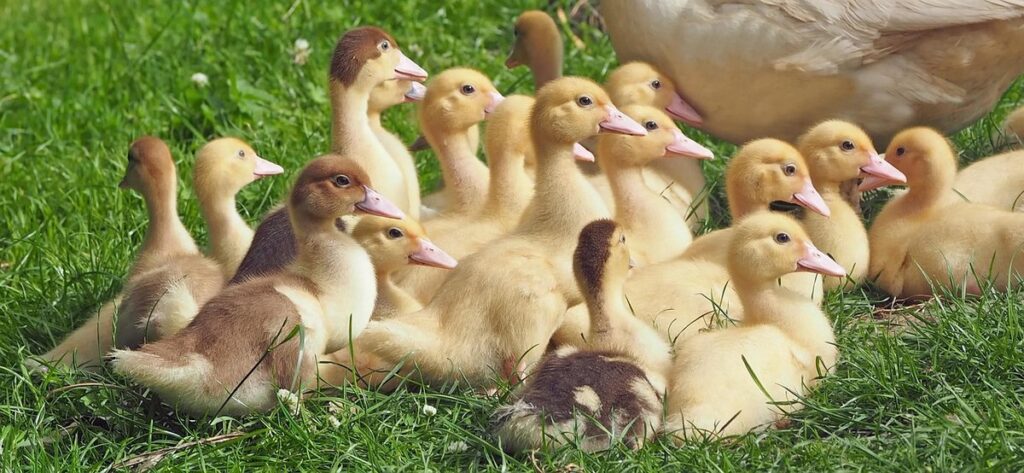
Benefits of Raising Geese
Raising geese can bring numerous benefits, from pest control and lawn maintenance to companionship and even entertainment. Let’s explore some of the most significant advantages of having these wonderful birds on your farm.
Reasons to Start a Goose Farm
Geese farming offers numerous benefits that make it an attractive venture for those interested in animal husbandry. One of the primary advantages is the high demand for geese meat, eggs, and down feathers. Geese meat, in particular, has gained popularity due to its lean protein content and versatility in various cuisines. The global market for geese meat alone is projected to reach $1.3 billion by 2025.
In addition to meat sales, geese farms can also generate revenue from egg production. Geese eggs are not only a nutritious food source but also have a higher demand than chicken eggs in some parts of the world. The potential earnings from selling geese eggs can be substantial, especially for small-scale farmers who focus on niche markets.
Another lucrative opportunity is the harvesting and sale of down feathers, which are highly prized for their warmth, lightness, and insulation properties. With the growing interest in sustainable fashion and eco-friendly products, the demand for down-filled bedding and clothing is increasing rapidly. By diversifying your revenue streams through geese farming, you can create a stable and profitable business model that not only meets market demands but also contributes to a more sustainable future.
Understanding Geese Behavior and Social Structure
Geese are social animals that thrive in flocks, and understanding their behavior is crucial for effective management. In the wild, geese live in hierarchical groups with a dominant male leading the flock. This social structure translates to farms where a single dominant bird often emerges.
Communication plays a vital role in maintaining social order among geese. They use a range of vocalizations, including honks and hisses, to convey messages. Farmers can recognize different tones and pitches to identify specific emotions or needs within the flock. For example, a high-pitched honk may indicate excitement or alarm, while a low growl could signal aggression.
By observing and interpreting these communication methods, farmers can better manage their flock’s social dynamics. This includes recognizing early signs of stress or conflict, which can be mitigated by providing adequate space, introducing new birds gradually, and offering suitable housing conditions. By understanding geese behavior and social structure, farmers can create a harmonious and productive flock that minimizes stress and promotes overall health.
Geese Housing and Equipment
For a successful geese farm, it’s essential that you have the right housing and equipment in place to keep your birds happy and healthy. Let’s explore some of the key considerations for creating an ideal environment.
Designing Efficient Goose Coops
When designing an efficient goose coop, it’s essential to prioritize ventilation, lighting, and predator protection. A well-ventilated coop will help regulate the geese’s temperature and prevent ammonia buildup from their droppings. Consider installing windows or vents that can be opened and closed as needed, taking into account wind direction and speed.
Proper lighting is also crucial for geese health and well-being. Natural light is ideal, but if this isn’t feasible, install LED or solar-powered lights to provide a minimum of 14 hours of light per day. This will help regulate their circadian rhythms and support egg production.
Predator protection is another vital aspect of goose coop design. Use hardware cloth or chicken wire to cover the run, extending it at least three feet underground to prevent digging predators from getting in. Add a roof overhang or awning to shield the geese from rain and sun exposure.
Consider these coop designs as inspiration for your own build:
* A Dutch door or swing-out door allows easy access while keeping predators out.
* A tiered coop design can increase vertical space without sacrificing square footage.
* Incorporate perches, nesting boxes, and roosting bars to create a comfortable environment.
Choosing the Right Feeding and Watering Systems
When it comes to providing for your geese’s basic needs, choosing the right feeding and watering systems is crucial. Automated feeders are a great option, as they can be programmed to dispense feed at specific times of day, ensuring that your geese always have access to food. This not only saves you time but also reduces waste, as excess feed is minimized.
Another consideration is the type of feeder itself. For example, some automated feeders come with adjustable settings for different ages and sizes of geese, while others may require manual adjustment. You’ll want to choose a feeder that suits your farm’s specific needs.
Watering methods are also important. Consider installing a floating feeder or a waterer with built-in filters to prevent bacterial growth. A good option is the “duck pond” style watering system, where a small pond is filled with fresh water and a fountain or bubbler is installed to keep the water circulating and clean.
When selecting a feeding and watering system for your geese farm, consider factors such as ease of use, durability, and cost-effectiveness. By investing in high-quality equipment, you’ll not only save time and money but also ensure the health and well-being of your geese.
Nutrition and Health
As a geese farmer, you’ll want to understand how nutrition impacts your birds’ overall health, which we’ll explore in terms of feed selection, supplements, and potential health issues. Proper nutrition is key to a thriving flock.
Providing a Balanced Diet
Providing a balanced diet is crucial for geese to thrive. At different life stages, their nutritional requirements change significantly. For example, goslings need more protein and energy-rich foods during the first few weeks of life to support rapid growth. You can feed them starter pellets containing around 18% protein until they’re about four weeks old.
As geese mature, their dietary needs shift towards a balanced mix of proteins, carbohydrates, and fats. For instance, adult geese require about 14-16% protein in their diet, which can be achieved by feeding them commercial pellets supplemented with grains like oats or barley. It’s also essential to provide fresh fruits and vegetables as treats to ensure they get the necessary vitamins and minerals.
A well-balanced diet for geese should include a mix of around 40-50% grain, 30-40% protein sources (like soybean meal or fishmeal), and 10-20% energy-rich foods like corn or wheat. You can also add supplements specifically designed for waterfowl to ensure they’re getting all the necessary nutrients.
Geese owners often underestimate the importance of providing fresh water daily, but it’s crucial to keep their drinking water clean and readily available at all times. A well-planned diet will go a long way in ensuring your geese stay healthy and productive throughout their lives.
Common Health Issues in Geese and Prevention Strategies
Geese are generally hardy birds, but they can be susceptible to certain health issues that require attention and proactive measures. Respiratory infections are a common problem, often caused by bacteria like Pasteurella multocida and Mycoplasma gallisepticum. These infections can lead to symptoms such as coughing, sneezing, and labored breathing.
Monitoring your geese regularly for signs of illness is crucial in prevention. Keep an eye out for changes in appetite, droppings, or feathers, and isolate affected birds promptly. Vaccinations can also help protect against respiratory infections, but it’s essential to follow a vaccination schedule and consult with a veterinarian before administering any shots.
Proper nutrition plays a significant role in maintaining your geese’s health. Ensure they have access to clean water and nutritious feed that meets their dietary needs. A balanced diet will boost their immune system, making them less susceptible to infections.
Some geese breeds are more prone to specific issues. For example, Embden Geese can be sensitive to heat stress, while Toulouse Geese may be vulnerable to bumblefoot. Understanding the unique characteristics and health requirements of your breed is vital in providing effective care.
Breeding and Reproduction
When it comes to raising geese, breeding and reproduction are crucial aspects that require careful planning and attention. Let’s dive into the intricacies of selecting suitable pairs and managing brood size for optimal success.
Choosing the Right Goose Breed
When it comes to geese farming, selecting the right breed is crucial for meeting your specific needs and goals. With over 100 goose breeds worldwide, choosing the ideal one can be overwhelming. However, understanding their characteristics will help you make an informed decision.
Consider factors like egg-laying capacity, meat production, temperament, and climate adaptability when selecting a breed. For instance, Toulouse geese are renowned for their exceptional meat production and gentle nature, making them suitable for small-scale farms or backyard flocks. On the other hand, Embden geese excel in cold climates and are ideal for large commercial operations.
Some popular goose breeds include:
• Toulouse: Known for their high-quality meat and docile temperament
• Embden: Thrive in harsh climates and produce a substantial amount of down feathers
• Sebastopol: Recognized for their soft, fluffy feathers and relatively small size
• Pilgrim: Bred specifically for their desirable egg-laying ability and friendly nature
When evaluating breeds, research their strengths and weaknesses to ensure they align with your farm’s specific needs.
Managing Breeding Programs and Flock Dynamics
Maintaining a diverse flock genetics is crucial for the long-term health and productivity of your geese farm. A diverse gene pool helps to reduce the risk of diseases and genetic disorders, while also promoting adaptability and resilience in the face of environmental challenges.
When it comes to managing breeding programs, one of the most important decisions you’ll make is pairing strategy. This involves selecting suitable mates for your breeding geese based on factors such as breed type, age, sex, and temperament. A good pairing strategy can help to ensure that your breeding program produces high-quality offspring with desirable traits.
To get started, identify the specific traits you want to emphasize in your breeding program, such as size, egg production, or feather quality. Then, select a small group of breeding geese that excel in these areas and pair them strategically. For example, if you’re looking to breed larger geese, pair a dominant male with several females to maximize the chances of producing offspring with desirable traits.
Effective record-keeping is also essential for managing your breeding program. Keep detailed records of each bird’s pedigree, breeding history, and performance metrics such as egg production and growth rate. This will help you identify trends and patterns in your flock, allowing you to make informed decisions about future breeding pairs.
When pairing geese, consider factors such as age, sex ratio, and genetic compatibility. A general rule of thumb is to pair older birds with younger ones to promote a balance between experienced breeders and new blood. Also, aim for a 2:1 or 3:1 male-to-female sex ratio to prevent overcrowding and reduce aggression among males.
It’s also essential to keep accurate records of your breeding program’s successes and failures. Track metrics such as fertility rates, hatchability, and chick viability to identify areas where you can improve. By doing so, you’ll be able to refine your pairing strategy over time and make data-driven decisions about your breeding program.
Some breeders even use a “multi-gene” approach, where they select birds with desirable traits from different breeds and cross them to create new and improved offspring. This approach requires careful planning and record-keeping, but it can lead to significant genetic gains in areas like egg production or disease resistance.
Marketing and Sales
When it comes to successfully running a geese farm, having a solid marketing and sales strategy is crucial to attracting customers and generating revenue. We’ll explore key tactics for promoting your products and services in this industry.
Targeting Markets for Goose Products
When it comes to geese farming, identifying potential markets for your products is crucial for success. One of the most obvious targets are high-end restaurants and hotels that value unique and locally sourced ingredients. These establishments often have a sophisticated clientele willing to pay premium prices for exceptional dining experiences.
To approach these customers, start by building relationships with local chefs and food purchasing managers. Attend culinary events and trade shows to showcase your products and establish connections. Be prepared to provide samples of your geese meat, down feathers, or other value-added products, and highlight the benefits of using sustainable and locally sourced ingredients.
Another potential market is specialty butcher shops and gourmet grocery stores that cater to customers looking for unique and artisanal products. These businesses often have a loyal customer base willing to pay top dollar for high-quality meats and can provide valuable exposure for your geese farming operation. Consider offering wholesale pricing, custom labeling, or other incentives to encourage partnerships with these businesses.
Building Brand Identity and Customer Relationships
When it comes to building a successful geese farm, establishing a strong brand identity is crucial. Your brand represents the values and quality of your operation, which directly impacts customer loyalty and retention. A clear brand identity helps differentiate your farm from competitors, setting you apart in a crowded market.
To establish a robust brand identity, start by defining your unique selling proposition (USP). What sets your geese farm apart? Is it your commitment to sustainable practices, exceptional product quality, or family-owned heritage? Develop a cohesive visual brand, including logos, color schemes, and typography. Ensure all marketing materials, from websites to social media profiles, reflect this consistent image.
Establishing relationships with suppliers is equally vital. Choose partners who share your values and are committed to providing high-quality products. Regular communication and transparency will help build trust and ensure a smooth supply chain. For customers, focus on delivering exceptional service, ensuring timely delivery, and offering competitive pricing. Foster open dialogue through regular updates, surveys, or newsletters to gauge satisfaction and gather feedback. This attention to detail will yield loyal customers who become advocates for your brand.
Regulations and Best Practices
As you dive deeper into geese farming, it’s essential to understand the regulations and best practices that govern our industry. We’ll walk you through what you need to know.
Understanding Local Laws and Regulations
When venturing into geese farming, it’s essential to understand the complex web of local laws and regulations governing this industry. These requirements can vary significantly depending on your location, making it crucial to familiarize yourself with the specific rules and regulations applicable to your region.
In the United States, for instance, the Department of Agriculture regulates the raising and sale of geese under the Poultry Act. However, individual states may have their own set of laws governing geese farming, such as licensing requirements and health inspections. To ensure compliance, start by researching your state’s department of agriculture website or contacting local authorities directly.
Another critical aspect to consider is zoning regulations. Check if there are specific areas designated for agricultural use in your area and whether geese farming is permitted within those zones. It’s also essential to obtain necessary permits and licenses before starting your geese farm, such as a business license or environmental permit. By doing your due diligence and staying informed about local laws and regulations, you’ll be well on your way to establishing a successful and compliant geese farm.
Implementing Sustainable Farming Practices
As you implement sustainable farming practices on your geese farm, you’ll not only be doing your part for the environment but also improving the overall efficiency and productivity of your operation. One key area to focus on is reducing waste. Geese produce a significant amount of manure, which can be used as natural fertilizer or composted to create nutrient-rich soil amendments.
To minimize waste, consider implementing a closed-loop system where all by-products are reused. For example, you could collect and treat the water from your geese’s living areas for irrigation or use it to dilute other chemicals in your operation. Another crucial aspect of sustainable farming is conserving water resources. Geese require access to clean drinking water at all times, so consider implementing a rainwater harvesting system or exploring alternative sources like wells or springs.
By taking these steps, you’ll not only reduce your environmental impact but also create a healthier environment for your geese and improve their overall well-being.
Conclusion
As we reach the end of our comprehensive guide, let’s summarize the key takeaways and consider what you can expect to achieve on your own geese farm.
Recap of Key Takeaways
Starting a geese farm requires careful consideration and planning. To recap, let’s cover the essential steps for establishing a successful operation.
Firstly, it’s crucial to understand the local regulations and obtain necessary permits before commencing your venture. This may involve researching zoning laws, health department requirements, and other relevant ordinances.
Next, you’ll need to acquire suitable land with adequate space for your geese to roam and exercise. Consider factors such as proximity to water sources, soil quality, and neighboring properties when selecting a location.
Proper housing and feeding facilities are also essential components of a geese farm. Geese require secure enclosures that provide protection from predators and harsh weather conditions. A reliable food source is equally important, with a balanced diet that meets the nutritional needs of your flock.
Another critical aspect to consider is disease management and biosecurity protocols. Regular health checks, vaccinations, and parasite control measures can help maintain the overall well-being of your geese.
Additionally, it’s vital to develop a marketing strategy to ensure a steady income stream for your farm. Consider selling eggs, meat, or down products, as well as offering agritourism experiences like guided tours or educational workshops.
To conclude, starting a successful geese farm demands attention to detail and a commitment to providing optimal living conditions for your birds. By carefully considering these essential steps, you’ll be well on your way to establishing a thriving and profitable geese farming operation.
Frequently Asked Questions
What is the ideal size for a geese farm to ensure profitability?
While there’s no one-size-fits-all answer, a small-scale geese farm (around 100-200 birds) can be profitable if well-managed and marketed effectively. However, larger farms (500-1,000 birds) may offer economies of scale and greater efficiency. It’s essential to research your local market demand and competition before determining the optimal size for your farm.
How do I handle common health issues in geese, such as respiratory problems?
To prevent respiratory issues, ensure good ventilation in coops, provide regular cleaning and disinfection, and maintain a balanced diet rich in nutrients. In case of an outbreak, consult with a veterinarian or experienced goose breeder to implement effective quarantine procedures and treatment plans.
Can I use existing infrastructure on my farm for geese housing, or do I need to build new structures?
You can repurpose or adapt existing farm buildings to accommodate geese, but ensure they meet the specific needs of these birds. Consider factors like ventilation, lighting, and accessibility when renovating or constructing goose coops. Proper planning will save you time, money, and potential animal welfare concerns.
How do I ensure compliance with local regulations regarding water usage for my geese farm?
Familiarize yourself with local water management laws and regulations to avoid fines or penalties. Consider implementing efficient watering systems, such as drip irrigation or rainwater harvesting, to minimize your water footprint. Regularly inspect and maintain equipment to prevent leaks and other issues.
What are some effective strategies for marketing and selling goose products, especially in the early stages of my farm?
Develop a strong brand identity and engage with potential customers through social media, farmers’ markets, and local events. Offer high-quality, unique products like hand-raised goslings or artisanal down feathers to differentiate yourself from larger competitors. Leverage online platforms and networking opportunities to expand your reach and build relationships with loyal customers.