
As you step into the serene world of wildlife conservation, have you ever stopped to think about the intricate lives of geese? These majestic birds spend most of their year migrating across continents, but when they finally settle down, it’s all about finding the perfect spot to raise their young. Goose nesting is a complex and fascinating process that requires strategic planning, from selecting the ideal location to building a safe haven for incubation. Unfortunately, many goose habitats are threatened by human activities and natural predators, making conservation efforts crucial in protecting these vital ecosystems. In this comprehensive guide, we’ll delve into the intricacies of goose nesting habits, exploring topics such as predator avoidance, incubation periods, and sustainable conservation methods to safeguard the future of these incredible creatures.
The Importance of Goose Nesting
Goose nesting isn’t just a fascinating process, but it also plays a crucial role in ensuring their survival and well-being. Let’s explore why goose nesting is so important for these amazing birds.
Types of Geese and Their Nesting Habits
When it comes to goose nesting, different species exhibit unique characteristics and adaptations. There are several types of geese, each with their own distinct behaviors and habits.
Canada Geese, for example, are one of the most common nesting species. They build large nests using twigs, grasses, and other plant material, often in areas with shallow water. Female Canada Geese typically lay 2-6 eggs per clutch, and both parents take turns incubating the eggs.
In contrast, Snow Geese are migratory birds that nest in large colonies. They build smaller nests on the ground using grasses and lichens, often in areas with moist soil. Female Snow Geese lay 1-3 eggs per clutch, and both parents care for the young.
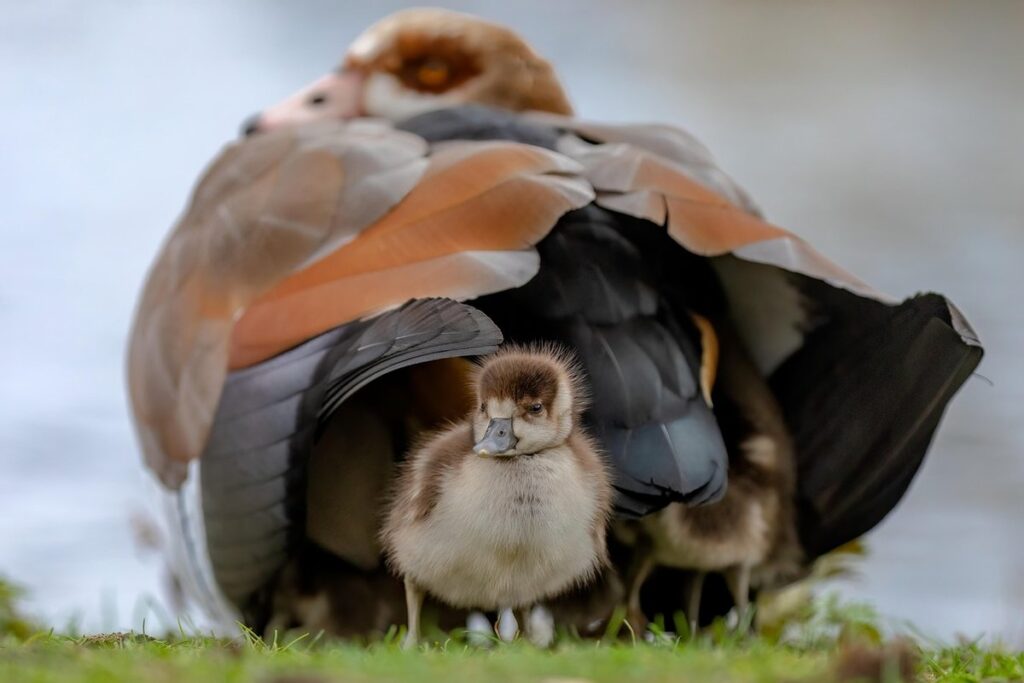
Other species, like the Egyptian Goose, are known to be more social and will often nest in large groups. They build cup-shaped nests on elevated surfaces using twigs and grasses. By understanding these unique behaviors and adaptations, you can better support goose nesting efforts in your area.
It’s essential to note that each region has its own specific species of geese, so it’s crucial to research the local population to provide the best possible care.
Factors Influencing Goose Nesting Decisions
When it comes to choosing a nesting site, geese are highly selective and consider various environmental and social factors. One of the most crucial factors is food availability. Geese tend to prefer areas with an abundance of grasses, aquatic plants, and other vegetation that provide them with essential nutrients for their young.
Predator presence is another significant factor influencing goose nesting decisions. Geese are naturally wary of predators such as coyotes, foxes, and hawks, which can threaten their nests and chicks. As a result, they often choose locations with low predator activity or those that offer adequate protection from these threats.
Human activity also plays a role in shaping goose nesting decisions. For example, geese may avoid areas with high human traffic, construction sites, or agricultural activities that disturb their habitats. On the other hand, they might prefer areas near bodies of water or parks where humans are less likely to intrude on their territory. Understanding these factors can help you identify suitable locations for goose nesting and take steps to create a safe and welcoming environment for these amazing birds.
Choosing the Perfect Nesting Site
When it comes to selecting a nesting site, geese are incredibly particular, and understanding their preferences is crucial for successful reproduction. Let’s explore the key factors that influence their choice of nest location.
Identifying Suitable Locations for Geese Nests
When selecting a suitable location for a goose nest, it’s essential to consider the characteristics that will ensure the safety and success of the nesting process. Geese typically prefer areas with proximity to water, as this provides them with an easy means of escape from predators and allows for convenient feeding and bathing opportunities.
In terms of shelter, geese seek out areas with dense vegetation or nearby structures such as trees, bushes, or even buildings that offer protection from aerial threats like hawks and owls. Adequate cover is particularly crucial during the incubation period when females are most vulnerable to disturbance.
A suitable nesting site should also provide a stable substrate for the nest, ideally consisting of grasses, leaves, or other plant material that can be easily manipulated by the geese. Avoid areas with loose gravel or sand, as these can shift and compromise the integrity of the nest. By choosing a location with these characteristics, you can increase the chances of a successful nesting site for geese.
Recognizing Potential Hazards in the Nesting Area
When selecting a nesting site for geese, it’s essential to consider potential hazards that may impact their safety and well-being. One of the primary concerns is human disturbance. Geese are sensitive to noise and commotion, and frequent visits from humans can stress them out and disrupt their breeding cycle.
Pollution is another significant risk factor in a nesting area. Water pollution, in particular, can be devastating for geese, as they rely on clean water sources for drinking and feeding. Oil spills, agricultural runoff, and sewage overflow can contaminate the environment, making it difficult for geese to survive. Be sure to inspect the surrounding areas for any signs of pollution.
Invasive species can also pose a threat to goose populations. Non-native plants, animals, or diseases can outcompete native species for resources, causing harm to the ecosystem and potentially driving geese away from their nesting site. Keep an eye out for invasive species in the area and take steps to prevent them from taking hold.
To identify potential hazards in the nesting area, observe the environment carefully. Look for signs of human disturbance, such as footprints, trash, or noise pollution. Check for any visible signs of pollution, including oil slicks or algae blooms. Finally, research the local ecosystem to determine if there are any invasive species present that could be harming geese populations.
Building and Maintaining Geese Nests
To successfully raise healthy goslings, it’s essential to build and maintain a safe, sturdy nest that meets their needs. Let’s explore the process of creating the perfect goose nesting site.
The Role of Female Geese in Nest Construction
Female geese are incredibly skilled engineers when it comes to building their nests. The process begins with selecting a suitable location, often on higher ground or near water sources, where the female can easily access food and shelter for her goslings.
Using their strong beaks and agile wings, females gather materials such as twigs, grasses, and mud to construct the nest. Some species, like the Canada goose, prefer a more open area with minimal vegetation, while others, like the Snow Goose, build in denser habitats with plenty of cover.
Interestingly, each species has unique nesting behaviors. For instance, the Snow Goose typically builds a flatter nest on top of a raised platform, while the Canada goose constructs a more elevated structure using sticks and twigs to create a cupped shape.
As you observe female geese building their nests, notice how they often reuse and modify existing structures or utilize nearby vegetation to create a stable base. This adaptability is crucial in harsh environments where resources may be scarce.
By understanding the specific nesting behaviors of different goose species, you can better appreciate the intricate details involved in creating these remarkable shelters.
Keeping the Nest Clean and Safe
Maintaining a clean and safe nest environment is crucial for the health and survival of goslings. A dirty nest can attract predators, harbor diseases, and cause stress to the mother goose, making it essential to prioritize nest cleanliness.
Regularly inspect the nest for signs of decay or damage, such as broken twigs, worn-out grasses, or mold growth. Remove any debris or trash that may have accumulated nearby, as these can also pose a threat to the goslings.
To keep the nest clean and safe:
* Change out soiled bedding materials, like grasses or pine needles, every few days.
* Disinfect the nest area with mild soap and water to prevent the spread of disease.
* Keep an eye out for signs of pests, such as rodents, snakes, or other predators that may be attracted to the nest.
A clean and safe nest environment will reduce stress on the mother goose and give her goslings a better chance at survival.
Incubation and Brood Development
When it comes to goose nesting, incubation is a crucial process that ensures the survival of your goslings. In this section, we’ll delve into the world of egg warmth and brood development.
The Critical Period of Incubation
Female geese have an incredible ability to regulate their body temperature to incubate eggs successfully. During this critical period of incubation, a female goose’s internal thermostat plays a vital role in maintaining the optimal temperature range for developing embryos. The ideal temperature is around 99°F (37°C) to 100°F (38°C), which is slightly higher than their own body temperature.
To achieve this, geese will often seek shelter from harsh weather conditions and wind, using vegetation or rocks as cover. They’ll tuck their wings under their bodies and press their feathers tightly against the eggs to retain heat. This unique behavior ensures that the eggs remain at a stable temperature, facilitating proper development.
In fact, research has shown that geese can lose up to 40% of their body weight during incubation due to the energy expenditure required to maintain this temperature. However, despite these challenges, female geese are incredibly dedicated parents, making sacrifices for the sake of their eggs and ultimately, their young goslings.
If you’re a goose breeder or owner, it’s essential to provide your females with a safe and comfortable environment during incubation. Ensure they have access to sheltered nesting areas, maintain a stable temperature range, and offer plenty of nutritious food to help them cope with the energy demands of incubating eggs. By doing so, you’ll give your geese the best chance at successfully hatching healthy goslings.
Nutritional Needs of Gossling Geese
As goslings grow and develop, their nutritional needs change rapidly. During this critical period of growth, it’s essential to provide them with a diet rich in nutrients to ensure they thrive. A healthy gosling requires a balanced mix of protein, carbohydrates, fats, vitamins, and minerals.
At around 10-14 days old, goslings start to develop their digestive system and can transition from a starter feed to a grower feed. This feed should be high in protein (around 20%) and contain essential amino acids like methionine and lysine. Offer fresh vegetables and fruits, such as leafy greens, carrots, and apples, as treats to supplement their diet.
Water quality is also crucial for goslings. Ensure the water is clean, fresh, and free from bacteria and other contaminants. Change the water frequently to prevent bacterial growth. In addition to feed and water, consider adding a vitamin-mineral supplement specifically designed for goslings to ensure they receive all necessary nutrients.
Monitor your goslings’ weight, feather development, and overall health closely, adjusting their diet as needed. A well-nourished gosling is essential for optimal growth and development.
Predator Avoidance and Nest Protection
To keep your goose nest safe, it’s crucial to understand how geese protect themselves from predators and maintain a secure nesting environment. We’ll explore these essential strategies next.
Threats to Goose Nests: Predators and Human Disturbances
As we delve into the world of goose nesting, it’s essential to acknowledge the numerous threats that these vulnerable birds face. Predators and human disturbances are two significant concerns that can compromise the safety and success of a goose nest.
Common predators that target goose nests include foxes, raccoons, and birds of prey such as hawks and owls. These animals often view nesting geese as an easy meal, particularly if they’re not vigilant or aware of potential threats. For example, a study conducted in a Canadian wetland found that foxes were responsible for 70% of goose nest losses.
Human disturbances also pose a significant threat to goose nests. Activities such as hiking, biking, and photography can disrupt the geese’ natural behavior and lead them to abandon their nests. In addition, human presence can attract predators, creating a domino effect that compromises the entire nesting process. To mitigate these risks, it’s crucial for humans to exercise caution when approaching areas with goose nests. This includes keeping a safe distance, not feeding the geese, and refraining from loud noises or sudden movements. By being mindful of our presence, we can help protect these remarkable birds and their precious offspring.
Strategies for Protecting Geese Nests
When geese nest, they are vulnerable to predators and human disturbance. To protect their nests, it’s essential to implement strategies that deter predators and minimize human impact.
Geese often choose open areas like fields, parks, or golf courses for nesting. To safeguard these sites, consider installing physical barriers such as netting or fencing around the area. This will prevent predators like foxes, coyotes, and raccoons from accessing the nest. You can also install motion-sensitive sprinklers to scare away potential threats.
Minimizing human disturbance is equally crucial. Avoid walking or biking through areas with known nesting sites, as geese may become stressed and abandon their nests. If you must approach a nesting area, do so quietly and from a safe distance to avoid startling the birds. You can also use visual deterrents like balloons or streamers to alert humans to stay away.
Remember, consistency is key when it comes to protecting goose nests. Regularly monitor areas where geese nest and adjust your strategies as needed to ensure their safety and success. By taking these steps, you’ll be helping to conserve goose populations and protect these amazing birds during their vulnerable nesting season.
Conservation Efforts and Best Practices
To help protect these amazing birds, we’ll delve into conservation efforts and best practices that support healthy goose populations and their habitats. Learn how you can make a positive impact.
Supporting Goose Nesting through Habitat Preservation
When it comes to supporting goose nesting, preserving natural habitats and landscapes is crucial. Geese rely on specific types of vegetation, water sources, and terrain features to build their nests and raise their young. One key aspect of habitat preservation is maintaining wetlands and marshes, which provide ideal breeding grounds for geese.
For example, the Platte River in Nebraska serves as a critical stopover point for migratory Canada Geese. The river’s shallow waters and lush vegetation support thousands of goose nests each year. However, human activities such as drainage and urbanization have threatened these habitats, highlighting the importance of conservation efforts.
To preserve geese nesting habitats, consider the following tips:
* Maintain or restore wetlands and marshes
* Plant native vegetation that supports goose nesting and breeding
* Avoid using pesticides and herbicides in areas frequented by geese
* Support local conservation initiatives that protect wildlife habitats
By preserving natural habitats and landscapes, we can create a safe environment for geese to nest and raise their young. This not only benefits the geese but also contributes to maintaining healthy ecosystems and biodiversity.
Responsible Birdwatching and Photography near Goose Nests
When observing goose nests, it’s essential to maintain a safe distance and avoid disrupting their natural behavior. Geese are naturally protective of their young, and sudden movements or loud noises can cause them unnecessary stress.
To observe or photograph geese near their nests responsibly:
* Keep a minimum distance of at least 10-15 feet (3-4.5 meters) from the nest to prevent disturbance.
* Avoid direct eye contact with the adult goose, as this may be perceived as a threat.
* Refrain from making loud noises or sudden movements that might scare the geese away.
When photographing, use a telephoto lens (at least 200mm or equivalent) and position yourself in a way that doesn’t obstruct the nest’s entrance. It’s also crucial to respect private property rights if you’re accessing areas with goose nests.
Remember, these birds are relying on their instinctual behaviors to protect their young, so it’s vital we don’t compromise this delicate process. By being mindful of our actions and taking the necessary precautions, we can ensure a safe and enjoyable experience for both humans and geese alike.
Conclusion: Protecting Goose Nesting for Future Generations
As you’ve learned more about goose nesting, it’s essential to consider how your actions can impact future generations of these magnificent birds. One crucial aspect of responsible goose management is protecting their nesting sites from human disturbance and predation. By doing so, you’ll be helping ensure that geese continue to thrive in their natural habitats. For example, if you’re a park ranger or landowner, consider installing nesting boxes or creating designated wildlife corridors to safeguard these critical areas.
By working together, we can make a real difference in preserving goose populations for years to come. As an individual, you can also contribute by spreading awareness about the importance of protecting goose nesting sites and supporting local conservation efforts. By making informed choices and taking action, we can help protect these incredible creatures for future generations.
Frequently Asked Questions
How Can I Identify Potential Hazards Near a Goose Nest?
When observing goose nests, it’s essential to recognize potential hazards that could threaten the safety of the birds and their young. Look for signs of human disturbance, such as trash, camping equipment, or footprints in the area. Also, be aware of natural predators like foxes, coyotes, and hawks that may pose a threat to the nest.
What Are Some Strategies for Protecting Goose Nests from Predators?
To safeguard goose nests from predators, consider installing physical barriers like netting or fencing around the nesting site. You can also use visual deterrents such as balloons or reflective tape to scare away potential threats. Additionally, maintaining a clean and safe environment around the nest by removing any debris or attractants for predators.
How Can I Contribute to Goose Conservation Efforts?
Supporting goose conservation involves more than just observing these magnificent creatures. You can participate in local habitat preservation initiatives, join birdwatching groups that promote responsible wildlife viewing, or volunteer with organizations dedicated to protecting goose habitats. Every action counts, from reducing your carbon footprint to spreading awareness about the importance of conservation.
Can I Take Photos or Videos of Goose Nests Without Disturbing the Birds?
While it’s understandable to want to capture images of these incredible moments, it’s crucial to prioritize the well-being and safety of the geese. Maintain a safe distance from the nest (at least 20-30 feet) and avoid using flash photography, which can startle the birds. If you’re unsure about your equipment or approach, consider consulting with local wildlife experts or conservation organizations for guidance.
What Are Some Key Considerations When Building or Maintaining Geese Nests?
When building or maintaining geese nests, keep in mind that these structures are often created using natural materials like twigs and grasses. Avoid disturbing the nest during critical incubation periods (usually 24-30 days), as this can stress the female goose and potentially harm the developing eggs. Also, ensure that any nesting sites you create or modify are located in areas with suitable vegetation and minimal human disturbance.