
Are you fascinated by the unique appeal of green eggs? You’re not alone. For many backyard chicken enthusiasts, these stunning birds are more than just a novelty – they offer a chance to add a splash of color and personality to your flock. But what makes green egg chickens so special? And how can you ensure they thrive in your care?
If you’re new to raising green egg chickens, or simply want to brush up on best practices, this article is for you. We’ll delve into the history behind these beautiful birds, explore their distinct characteristics and nutritional needs, and offer expert advice on breeding and caring for them. From health tips and habits to help your girls lay those coveted green eggs, we’ve got you covered. Whether you’re a seasoned chicken keeper or just starting out, our comprehensive guide will get you started on the path to raising happy and healthy green egg chickens.
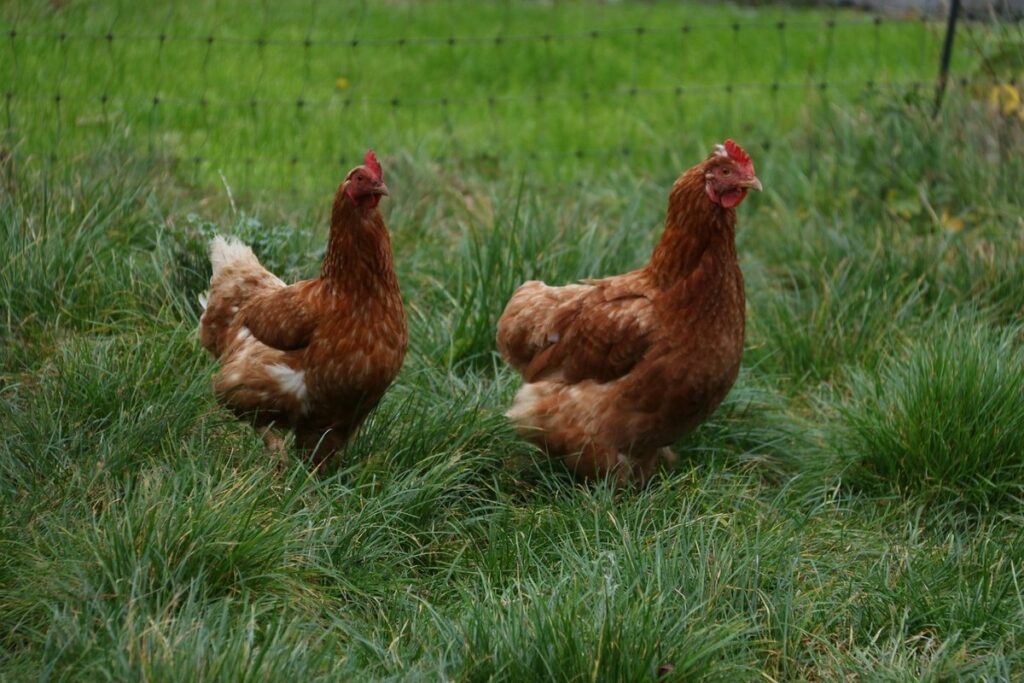
What are Green Egg Chickens?
Let’s start with the basics: what exactly is a green egg chicken, and where did these unique birds originate from. We’ll delve into their history and characteristics.
Origin and History of Green Egg Chickens
Green egg chickens have their roots in Europe, where they were first bred for their unique characteristics and excellent egg-laying abilities. The breed’s exact origins are unclear, but it is believed to have originated from a combination of European fowl brought to the continent by early settlers. Over time, these birds were selectively bred for their distinctive green or blue-green eggs, which were prized for their beauty and nutritional value.
As European settlers traveled to other parts of the world, they took their green egg chickens with them, introducing the breed to new regions. In North America, for example, the green egg chicken was popularized by early American farmers who valued its hardiness and prolific egg production. Today, green egg chickens can be found on farms and homesteads around the globe, where they are prized for their unique eggs and friendly disposition.
Interestingly, some breeders have developed new strains of green egg chickens that offer improved egg production, fertility, and disease resistance. For backyard chicken keepers interested in adding a flock of green egg chickens to their farm or homestead, it’s worth doing your research to determine which strain best suits your needs and climate.
Characteristics of Green Egg Chickens
Green egg chickens are known for their distinctive physical characteristics that set them apart from other breeds. One of the most noticeable features is their plumage, which can range from a soft, silky texture to a more rugged, scaly appearance. The feathers themselves may be a mix of green, blue, and gold, giving the chicken a stunning iridescent sheen.
In terms of size, green egg chickens tend to be smaller than other breeds, with roosters typically weighing in around 4-6 pounds and hens around 3-5 pounds. This makes them an excellent choice for backyard flocks or small farms where space is limited.
Their beak shape is also quite distinctive, with a gentle curve that is often slightly hooked at the tip. While this may not seem like a significant feature, it actually plays a crucial role in their ability to crack open seeds and other hard-shelled foods.
Advantages of Keeping Green Egg Chickens
If you’re considering bringing home some new feathered friends, let’s explore why green egg chickens make such fantastic additions to your backyard flock. They bring a multitude of benefits!
Reasons for Raising Green Egg Chickens for Eggs
Green egg chickens are not only adorable and unique, but they also offer numerous benefits for backyard chicken keepers. If you’re looking to raise green egg chickens specifically for eggs, here are some compelling reasons to consider.
One of the primary advantages is their high egg production. Green egg hens can lay up to 280 large brown eggs per year, making them an excellent choice for families or households with a moderate egg requirement. Plus, these eggs have a rich nutrient content that’s higher in protein and beta-carotene compared to conventional white eggs.
Another significant benefit is their low maintenance requirements. Green egg chickens are relatively hardy and adaptable to various environments, requiring less attention and care than some other breeds. This makes them an ideal choice for busy homeowners or those new to backyard chicken keeping.
Furthermore, green egg chickens can be quite efficient in terms of space usage. They don’t require a lot of room to roam, making them suitable for smaller backyards or urban settings. With their high egg production and low maintenance needs, it’s no wonder why many people are turning to green egg chickens as a reliable source of fresh eggs.
Benefits of Raising Green Egg Chickens for Meat
Raising green egg chickens for meat is an excellent choice for backyard farmers and small-scale producers. Not only do they offer faster growth rates compared to other chicken breeds, but their meat is also incredibly tender and juicy. According to a study by the University of Arkansas, green egg hens reach market weight in just 16 weeks, making them a great option for those looking to harvest meat quickly.
One of the significant advantages of raising green egg chickens for meat is reduced feed costs. Their fast growth rate means they require less time and resources to reach market size, resulting in lower feed expenses. For instance, a producer can save up to 20% on feed costs by choosing green egg hens over slower-growing breeds.
In addition to their rapid growth and efficient feed usage, green egg chicken meat is renowned for its exceptional tenderness. The breed’s unique genetic makeup contributes to the production of more myoglobin in the muscles, making their meat not only leaner but also more flavorful. When cooked correctly, green egg chicken can be a truly delicious experience for consumers.
When raising green egg chickens for meat, it’s essential to consider their housing and management requirements. Provide them with ample space, nutritious feed, and regular health checks to ensure optimal growth and well-being. By doing so, you’ll not only enjoy the benefits of faster growth rates and reduced costs but also produce high-quality meat that will delight your customers.
Nutrition and Health Considerations
When raising green egg chickens, it’s essential to consider their specific nutritional needs and potential health risks, which can impact your flock’s overall well-being. Let’s explore these crucial factors together.
Dietary Needs of Green Egg Chickens
When it comes to feeding your green egg chickens, their dietary needs are unique and require careful consideration. Unlike other chicken breeds, green eggs are known for their high-quality protein and rich nutritional profile. To replicate this natural diet, you’ll want to focus on providing a balanced mix of vitamins, minerals, and macronutrients.
Start by offering a diverse range of fruits and vegetables daily, such as leafy greens (kale, spinach), carrots, sweet potatoes, and berries. These foods provide essential fiber, antioxidants, and phytochemicals that support overall health and well-being. For protein sources, include high-quality grains like oats, barley, or quinoa, and supplement with mealworms or crickets for a boost of omega-3 fatty acids.
Aim to spend about 20% of your flock’s daily calories on treats and supplements, such as probiotics or calcium dust to support strong eggshell production. To ensure you’re meeting their nutritional needs, consider consulting with a poultry expert or conducting a nutrient analysis of your feed. With careful planning and attention to detail, you can provide the best possible diet for your green egg chickens.
Probiotics can also be added in the form of probiotic powder, liquid probiotics or even probiotic supplements that contain beneficial bacteria. This will not only help with digestion but also support the overall immune system of the birds.
Common Health Issues Affecting Green Egg Chickens
Green egg chickens can be prone to several common health issues that can affect their well-being and productivity. Respiratory problems are one such issue, often caused by poor ventilation, dust accumulation, or infectious diseases like bronchitis or pneumonia. To mitigate this risk, ensure good airflow in your coop by providing adequate space between birds, using vents or windows for natural ventilation, and keeping the coop clean.
Parasites, including mites, lice, and fleas, can also infest green egg chickens, causing discomfort and health issues. Regularly inspect your flock for signs of parasites, such as excessive scratching or pecking, and use integrated pest management strategies to control their populations. This may involve using diatomaceous earth or other non-toxic powders to repel pests.
Some diseases affecting green egg chickens include Marek’s disease, a viral infection that can cause immunosuppression, and coccidiosis, a parasitic infection of the digestive tract. Vaccination programs and strict biosecurity measures can help prevent these diseases from spreading within your flock. Monitor your birds’ behavior and appetite closely, and seek veterinary advice if you notice any unusual symptoms or signs of illness.
Breeding and Reproduction
When it comes to breeding and reproduction, green egg chickens have some unique characteristics that make them stand out from other breeds. Let’s dive into what you need to know to successfully breed your own green egg chickens!
Breeding Strategies for Green Egg Chickens
When it comes to breeding green egg chickens, selecting for desirable traits is crucial. This involves identifying characteristics such as eggshell color intensity, fertility rates, and overall hardiness. Breeders should prioritize these traits when creating their breeding programs.
To maintain genetic diversity, breeders can implement a multi-breed approach or use artificial insemination (AI) to introduce new genetics into the flock. This helps prevent inbreeding depression, which can lead to reduced fertility and increased susceptibility to disease.
Minimizing inbreeding is also essential. To achieve this, breeders can implement a rotation breeding program where unrelated chickens are paired for breeding purposes. Alternatively, they can use a hierarchical breeding system, where the best birds from each generation are selected for breeding stock.
It’s also important to record and track detailed genetic information on each bird, including pedigree data and performance records. This allows breeders to make informed decisions about their breeding program and identify potential genetic issues early on.
Caring for Baby Chicks and Pullets
Caring for baby chicks and pullets is an essential aspect of green egg chicken breeding. As you bring home a batch of adorable chicks or grow out young pullets, it’s crucial to provide them with the right environment, nutrition, and socialization to ensure they develop into healthy, thriving hens.
When brooding baby chicks, it’s vital to maintain a warm temperature between 90-100°F (32-38°C) during the first week. This can be achieved using a heat lamp or heat mat specifically designed for chick brooding. As they grow, gradually decrease the temperature by 5°F (3°C) every week until it reaches room temperature.
Vaccination is also crucial in preventing common diseases such as Marek’s and Newcastle. Consult with a veterinarian to determine the best vaccination schedule for your flock.
Socialization plays a critical role in developing friendly, calm hens. Expose them to various environments, people, and other animals from an early age to help build their confidence and reduce stress levels.
Housing and Environmental Considerations
When keeping green egg chickens, it’s essential to provide a suitable environment that balances their needs with your own lifestyle. This includes thoughtful considerations for housing and environmental factors.
Designing a Suitable Coop for Green Egg Chickens
When designing a coop for your green egg chickens, it’s essential to consider their unique needs. Green eggs are a cold-hardy breed that can tolerate some frost, but they still require adequate ventilation to prevent ammonia buildup and moisture accumulation. Ensure the coop has windows or vents on multiple sides to provide airflow, ideally with a slope to direct rainwater away from the coop.
Lighting is also crucial for green egg chickens. They need a photoperiod of 14-16 hours of light to produce eggs consistently. Consider installing LED lights or solar-powered lighting systems that mimic natural daylight cycles. Ensure the lights are placed at a safe height and can be adjusted as needed to avoid eye strain.
Predator protection is another vital consideration when designing your coop. Green egg chickens are relatively small and vulnerable to predators like foxes, coyotes, and raccoons. Invest in sturdy hardware cloth or chicken wire that extends at least 3 feet above the coop and 12 inches below ground level. Add secure latches and locks to prevent accidental openings. Regularly inspect your coop for any weaknesses or signs of wear to keep your flock safe.
Outdoor Access and Foraging Opportunities
Providing outdoor access and foraging opportunities is essential for the health and well-being of green egg chickens. These birds are naturally inclined to roam and forage, so it’s crucial to create a suitable environment that mimics their natural behavior.
When introducing outdoor access, consider a secure enclosure or run where your green eggs can safely explore. This could be as simple as a fenced area in your backyard or a more elaborate setup with perches, nesting boxes, and shelter from the elements. The key is to ensure your birds have enough space to move around and engage in natural behaviors like pecking, scratching, and foraging.
Incorporating foraging opportunities into their daily routine can be as easy as scattering mealworms or sunflower seeds on the ground. You can also grow a variety of herbs and vegetables that are safe for chickens to eat, such as kale, spinach, and carrots. By providing this type of enrichment, you’ll not only improve your green egg’s physical health but also their mental stimulation and happiness.
Tips for Raising Healthy and Happy Green Egg Chickens
To help your green egg chickens thrive, we’ve gathered some essential tips on nutrition, exercise, and care that will keep them happy and healthy. Properly caring for your flock is key to their longevity and well-being.
Managing Stress in Green Egg Chickens
Green egg chickens, like any other living being, can experience stress due to various factors. It’s essential to identify and manage stress in these wonderful birds to ensure their overall well-being and happiness. One effective way to reduce stress is through environmental enrichment. Provide your green egg chickens with a stimulating environment by adding toys, perches, and scratching posts. You can also rotate their enclosure regularly to prevent boredom and monotony.
Social interaction is another vital aspect of managing stress in green egg chickens. Ensure they have enough space to roam freely and interact with other birds. If you’re raising multiple hens, consider keeping them together as flocking helps reduce stress levels significantly. Predation protection is also crucial; ensure their enclosure is secure, predator-proofed, and equipped with adequate ventilation.
To further minimize stress, maintain a consistent routine for feeding, cleaning, and egg collection. This will provide your green egg chickens with a sense of predictability and stability. Additionally, monitor their behavior closely for signs of stress like feather pecking, pacing, or excessive vocalization. Address these issues promptly to prevent them from escalating into more severe problems.
Encouraging Natural Behavior in Green Egg Chickens
Green egg chickens are natural foragers and love to scratch and dig. To encourage this behavior, provide them with plenty of space to roam and explore their surroundings. Consider setting up a fenced area where they can free-range, or create a designated “chicken playground” with obstacles and toys to keep them entertained.
Make sure to include a variety of textures and materials in their coop and run, such as wood shavings, hay, and rocks, to stimulate their natural instinct to forage. You can also offer them a variety of treats, like sunflower seeds or mealworms, to search out and collect.
Dust bathing is another essential behavior that green egg chickens need to engage in regularly. Provide a shallow dish or container filled with clean dust or soil, where they can rub against it to keep their feathers clean and healthy. By encouraging these natural behaviors, you’ll help your green egg chickens stay happy, healthy, and well-adjusted.
Remember, green egg chickens are intelligent animals that require mental and physical stimulation. By providing them with a balanced environment that encourages foraging, scratching, and dust bathing, you’ll be rewarded with a more relaxed and content flock.
Frequently Asked Questions
How Do I Know If My Green Egg Chickens Are Getting Enough Calcium?
Yes, ensuring your green egg chickens receive adequate calcium is crucial for their overall health and egg production. You can provide a balanced diet rich in dark leafy greens like kale or spinach, as well as oyster shells or crushed eggshells as a calcium supplement. Monitor their behavior, egg production, and feather condition to gauge the effectiveness of your dietary adjustments.
What’s the Best Way to Manage Stress in My Green Egg Chickens?
Stress can negatively impact egg production and overall health in green egg chickens. Provide a safe, clean, and spacious environment with adequate ventilation, fresh water, and nutritious food. Consider introducing enrichment activities like scratching posts or foraging toys to keep them engaged. Regularly inspect their coop and surroundings to identify potential stressors.
Can I Mix Green Egg Chickens with Other Breeds?
Yes, green egg chickens can be mixed with other breeds in your flock, but it’s essential to consider compatibility and potential health risks. Research the temperaments and needs of each breed to ensure harmonious coexistence. Some breeds may be more aggressive or require specialized care, so introductions should be done gradually and under close supervision.
How Often Should I Collect Eggs from My Green Egg Chickens?
Collecting eggs regularly is essential for maintaining a clean environment and encouraging continued production in your green egg chickens. Aim to collect eggs at least twice daily, especially during peak laying seasons. This will also help prevent egg breakage, bacterial growth, and potential health issues.
What Are Some Common Health Issues Affecting Green Egg Chickens?
Common health issues affecting green egg chickens include respiratory problems, internal parasites, and reproductive disorders. Regularly monitor their behavior, appetite, and egg production, and seek veterinary advice promptly if you notice any unusual symptoms or changes. Implement preventive measures like vaccinations, deworming, and a balanced diet to minimize the risk of these conditions.