
Are you ready to take your backyard flock to the next level? If so, let’s dive into the world of hatchable chicken eggs. These tiny wonders hold the key to starting or expanding your own egg-laying enterprise. But before you start collecting fertile eggs, it’s essential to understand the basics. From choosing the right breed and type of egg to hatching and caring for those precious chicks, there’s a lot to consider.
In this article, we’ll cover everything you need to know about hatchable chicken eggs. We’ll explore popular breeds, incubation techniques, and common challenges that can arise during the hatching process. You’ll learn how to choose the right supplier, set up a successful incubation environment, and troubleshoot any issues that come your way. Whether you’re an experienced farmer or just starting out, this comprehensive guide will have you well on your way to raising healthy, happy chickens from scratch.
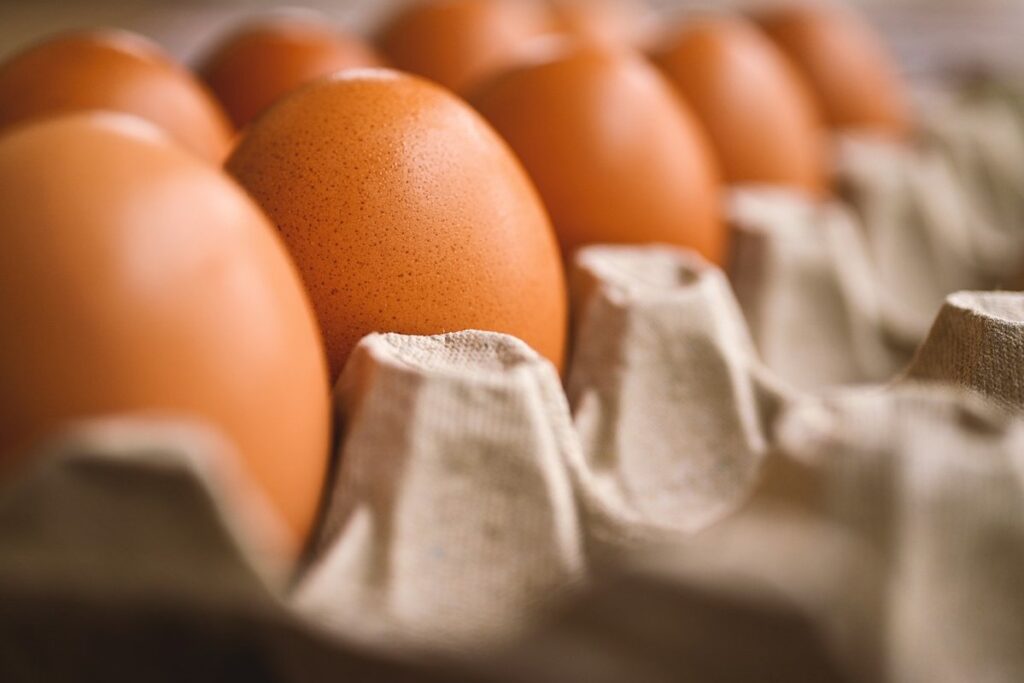
What Are Hatchable Chicken Eggs?
If you’re considering hatching your own chicks, it’s essential to understand what hatchable chicken eggs are and how they differ from regular eggs. We’ll break down the basics of these special eggs.
Definition and Purpose
Hatchable chicken eggs are fertile eggs that have been produced by hens and contain the potential to hatch into a chick. They’re an essential tool for backyard chicken enthusiasts, farmers, and breeders who want to raise their own chickens from scratch. These eggs serve as a starting point for raising healthy, robust birds that will thrive in various environments.
People often choose hatchable eggs over buying chicks from a feed store because they offer more flexibility and control over the breeding process. With hatchable eggs, you can select specific breeds, sex ratios, and characteristics to suit your needs. This is particularly useful for small-scale farmers or homesteaders who want to raise chickens with unique traits or adapt them to local conditions.
By choosing hatchable eggs, you’ll also save time and money in the long run. Chicks from feed stores often require vaccinations and special care during their initial stages of growth. With hatchable eggs, you can monitor the entire incubation process, ensuring that your chicks receive the best possible start in life.
Types of Hatchable Chicken Eggs
When it comes to selecting hatchable chicken eggs for breeding, you’ll have several options to consider. One key decision is whether to choose sexed, straight-run, or fertile eggs.
Sexed eggs are a popular choice among backyard chicken enthusiasts and commercial breeders alike. These eggs are sorted by sex, either male (cockerels) or female (pullets), before shipping to customers. Sexing accuracy can be as high as 99%, but keep in mind that sexing is not an exact science. It’s essential to check with the hatchery for their sexing accuracy rate.
Straight-run eggs contain a mix of both male and female chicks. This option is ideal for breeders who want to select sex at hatching or have experience raising mixed-sex flocks. However, keep in mind that it may take longer to determine the gender ratio of your flock.
Fertile eggs are not sorted by sex but are guaranteed to contain a developing chick embryo. These eggs are an excellent choice for beginners or those who want to focus on breeding specific traits. The downside is that you’ll receive a mix of males and females, which can be beneficial if you’re looking to build a diverse flock.
Consider the following factors when choosing between these types: your level of experience, desired breed characteristics, and the size of your operation. For example, a seasoned breeder might opt for sexed eggs to streamline their breeding process, while a backyard chicken keeper with limited space might prefer fertile eggs to minimize the risk of having unwanted males in their flock.
Choosing the Right Breed for You
When it comes to choosing the perfect hatchable chicken eggs, selecting a breed that fits your lifestyle and preferences is crucial. We’ll walk you through the key factors to consider when making this important decision.
Factors to Consider
When selecting a breed from hatchable chicken eggs, it’s essential to consider several factors beyond their adorable features. First and foremost, think about egg production. If you’re looking for a steady supply of fresh eggs, choose breeds known for high egg-laying capacity, such as Leghorns or Golden Comets. However, if you prefer smaller, more manageable batches, consider breeds like Orpingtons or Plymouth Rock.
Temperament is another critical aspect to consider. Some breeds are naturally friendly and docile, while others can be feisty and territorial. For families with young children or those who want low-maintenance pets, breeds like Silkies or Buff Orpingtons might be an excellent choice. On the other hand, if you’re experienced in handling birds or enjoy their lively nature, breeds like Araucanas or Marans could be a great fit.
Climate tolerance is also crucial, especially for beginners. Some breeds are bred to withstand extreme temperatures, while others require protection from harsh weather conditions. For instance, cold-hardy breeds like Brahma or Cochin can thrive in areas with frigid winters, whereas heat-tolerant breeds like Dominiques or Leghorns excel in warmer climates.
Lastly, space requirements should not be overlooked. If you live in a small backyard or have limited space for a coop and run, choose compact breeds like Bantams or Polish. They’ll require less room to roam while still providing plenty of entertainment value.
Popular Breeds for Beginners
When it comes to choosing a breed for beginners, there are several popular options that are perfect for those new to raising chickens. One such breed is the Rhode Island Red. Known for their friendly and docile nature, these birds are easy to handle and require minimal maintenance.
Another popular choice is the Plymouth Rock. This breed is not only beautiful but also hardy and adaptable, making them ideal for backyard flocks. They are also good layers, producing an average of 200-220 eggs per year.
The Golden Comet is another great option for beginners. These birds are a cross between a Rhode Island Red and a White Leghorn, making them a perfect combination of productivity and temperament. They require minimal care and can thrive in small spaces.
It’s essential to remember that each breed has its unique characteristics and needs. Researching the specific requirements of your chosen breed will ensure you provide the best possible environment for your chickens to grow and thrive.
When selecting a breed, consider factors such as egg production, temperament, and space requirements to find the perfect fit for your lifestyle.
How to Buy Hatchable Chicken Eggs
When purchasing hatchable chicken eggs, you’ll want to know how to select reputable breeders and order from a reliable source. Here’s what you need to consider before making your purchase online.
Sources and Options
When it comes to buying hatchable chicken eggs, you have several sources and options to choose from. Online suppliers are a popular choice for many backyard chicken enthusiasts, as they offer a wide selection of breeds and species at competitive prices. Websites like Cackle Hatchery, Metzer Farms, and Meyer Hatchery are well-established online hatcheries that ship eggs directly to your doorstep.
Another option is to purchase hatchable eggs from local farms or hatcheries in your area. This can be a great way to support local agriculture and get fresh, healthy eggs. However, the selection may be limited compared to online suppliers, and you’ll need to factor in shipping costs if they’re not available locally.
It’s also worth considering visiting a local feed store or farm supply store, as they often carry hatchable eggs from regional breeders. Be sure to research the supplier before making a purchase, as some may have specific policies regarding egg handling and shipping.
What to Look for When Selecting a Supplier
When selecting a supplier for hatchable chicken eggs, it’s essential to do your research and consider several key factors. First and foremost, look for suppliers with high hatching percentages. A reputable supplier should have at least 70-80% successful hatches, although some may guarantee as much as 90%. This is crucial in ensuring that you get the chicks you need.
Another vital factor to consider is customer reviews. Check online forums, social media, and review websites for feedback from other customers. Pay attention to comments about shipping, communication, and overall satisfaction. A supplier with a strong track record of happy customers is more likely to deliver quality eggs.
Shipping options should also be carefully evaluated. Does the supplier ship directly to your doorstep, or do you need to pick up the eggs at their location? Are there any additional fees for expedited shipping? Consider these details when making your decision to ensure that you get your eggs delivered safely and on time.
Hatching 101: A Beginner’s Guide
Let’s dive into the basics of hatching eggs, starting with understanding the different types and stages of embryonic development in a fertile egg. This foundation will help you confidently begin your journey to hatching healthy chicks.
Understanding Incubation Basics
To successfully hatch chicken eggs, it’s essential to grasp the fundamental principles of incubation. At its core, incubation requires maintaining a precise temperature, humidity level, and turning schedule.
A consistent temperature between 99°F (37°C) and 100°F (38°C) is crucial for embryonic development. This narrow window is what separates successful hatches from failed ones. For example, if the temperature dips below 98°F (36°C), embryo development slows or even halts. Conversely, temperatures above 102°F (39°C) can cause lethal damage.
Maintaining optimal humidity levels is also vital, with a recommended range of 50-60%. Humidity affects egg moisture and embryo growth. Too little humidity causes eggs to dry out, while excessive humidity leads to fungal and bacterial contamination.
Proper turning is another critical aspect of incubation. Eggs should be rotated every 6-8 hours to prevent the embryo from sticking to the shell membrane. This can cause damage or even death during hatching.
Tips for Successful Hatching
When it comes to hatching chicken eggs successfully, there are several key factors to consider. Proper egg handling is crucial to ensure a healthy hatch rate. Always handle eggs gently and avoid touching the embryo side, as oils from your skin can cause bacterial contamination.
Sanitation is also vital in achieving high hatch rates. Keep your incubator clean and free of bacteria by washing it regularly with soap and water. Use a sanitized egg turner or simply wash your hands before handling the eggs. Make sure to store the eggs in a cool, dry place until you’re ready to start the hatching process.
Monitoring techniques can also help increase hatch rates. Keep a close eye on temperature fluctuations, making sure they stay within the 99-100°F range for most chicken breeds. Additionally, ensure that your incubator has adequate humidity levels (around 50-60%) to prevent dehydration of the developing embryo. Regularly inspect the eggs for any visible cracks or damage, and replace them if necessary to avoid contamination.
Caring for Your Baby Chicks
Once you bring home your adorable baby chicks, it’s essential to provide them with proper care and attention to ensure they grow into healthy hens. This includes a clean coop, nutritious food, and plenty of fresh water.
Initial Care and Nutrition
When it comes to caring for your baby chicks, proper initial care and nutrition are crucial for their growth and development. As soon as they hatch, place them in a warm brooder with adequate ventilation. The ideal temperature range is between 90°F to 100°F (32°C to 38°C) for the first week. You can use a heat lamp or ceramic heat emitters, but ensure they are safely positioned to avoid burns.
A good starter feed for baby chicks is a crumbled layer feed with around 18-20% protein content. Provide fresh water at all times, and make sure it’s easily accessible. A chick waterer with an automatic drinker can save you time and prevent spills.
Daily health checks are essential to detect any issues early on. Look out for signs of illness such as labored breathing, lethargy, or unusual droppings. Remove any dead chicks immediately to prevent the spread of disease. With proper care, your baby chicks will grow strong and healthy, setting them up for a long and productive life.
Transitioning to a Coop or Run
As your baby chicks grow and develop their feathers, it’s essential to transition them from a warm and cozy brooder to a coop or run. This process can be both exciting and intimidating, but with the right equipment and considerations, you’ll set your chicks up for success.
At around 4-6 weeks of age, your chicks are ready to move out of their brooder and into a larger space. Start by setting up a temporary enclosure, such as a plastic tunnel or a cardboard box, in the coop or run to acclimate them to the new environment. This will allow them to get used to the sights, sounds, and smells of their new home without feeling overwhelmed.
When transitioning your chicks, it’s crucial to provide adequate ventilation, lighting, and protection from predators. Make sure the coop or run is well-ventilated to prevent ammonia buildup from their droppings. You’ll also need to ensure there are no gaps or holes in the enclosure that could allow predators to get inside. A good rule of thumb is to have a minimum of 2-3 square feet of space per bird, so plan accordingly to provide enough room for your chicks to grow and roam.
In addition to equipment, it’s essential to consider the following factors when transitioning your chicks:
* Monitor their behavior closely, as they may exhibit stress or anxiety during this transition
* Provide a constant food source, such as a feeder that allows them to eat at will
* Ensure access to fresh water at all times
* Keep an eye out for signs of illness or disease, and take action promptly if you notice any unusual behaviors
Remember, every flock is different, so be prepared to make adjustments based on your chicks’ unique needs. With patience, persistence, and proper planning, you’ll set your chicks up for a happy and healthy life in their new coop or run.
Common Challenges and Solutions
As you embark on your hatchable chicken egg journey, you’ll inevitably encounter some common challenges that can be frustrating to resolve. Don’t worry, we’ve got you covered with practical solutions to get back on track.
Egg Handling Issues
Proper egg handling is crucial for maintaining high-quality hatchable chicken eggs. Unfortunately, many breeders and backyard farmers make common mistakes that can lead to low hatch rates or damaged eggs.
One of the most significant errors is excessive temperature fluctuations during transport or storage. This can cause stress to the embryo, leading to poor development or even death. To prevent this, it’s essential to maintain a consistent temperature between 55°F and 65°F (13°C and 18°C) for both transportation and storage.
Another critical issue is improper handling of eggs, which can cause cracks and damage the eggshell membrane. This can allow bacteria to enter the egg and contaminate the embryo. To avoid this, handle eggs gently, and never stack them on top of each other – store them in a carton or tray with the pointed end facing up.
When collecting eggs from your coop, make sure they are clean and dry before transferring them to storage. This will help prevent moisture buildup and reduce the risk of bacterial contamination. Remember, even small mistakes can add up and impact hatch rates, so take the time to handle your eggs with care.
Troubleshooting Hatching Problems
If you’re experiencing hatching problems with your hatchable chicken eggs, don’t worry – it’s not uncommon. Temperature fluctuations are a common issue that can lead to failed hatch rates. Ensure that your incubator is kept within the recommended temperature range of 99-100°F (37-38°C) for the first 24 hours and then at 99-98°F (37-36.7°C) until day 18.
Humidity levels also play a crucial role in successful hatching. A humidity level between 50-60% is ideal, with slight increases on certain days. Make sure to adjust your incubator’s humidity settings accordingly.
Bacterial contamination can also affect hatch rates. To prevent this, disinfect your incubator and all equipment regularly using a solution of one part bleach to nine parts water. Wash your hands thoroughly before handling eggs or incubator equipment.
Monitor the egg turning process closely – it should be done 3-5 times per hour during the first week, decreasing in frequency as the days progress. Regularly inspect your eggs for signs of bacterial contamination or other issues that could impact hatching success.
Conclusion: Bringing It All Together
Now that you’ve learned the ins and outs of hatchable chicken eggs, it’s time to tie everything together and apply your newfound knowledge to start hatching. Let’s recap what we’ve covered so far.
Recap of Key Points
In conclusion to our comprehensive guide on hatchable chicken eggs, let’s recap the key points that will help you navigate the world of incubation with confidence.
To start with, we emphasized the importance of choosing the right breed and selecting high-quality eggs. This involves researching different breeds, considering your climate and space constraints, and opting for eggs from reputable sources. We also discussed the various types of hatchable chicken eggs available, including fertile, hatching, and incubation eggs, and highlighted the differences between them.
One of the most critical aspects to consider when working with hatchable eggs is maintaining optimal incubation conditions. This includes controlling temperature, humidity, and turning, as well as ensuring proper handling and storage of the eggs before and during incubation. We provided detailed guidelines for setting up your incubator and monitoring its performance throughout the incubation process.
Another key takeaway from our guide was the importance of understanding embryonic development and recognizing potential signs of trouble. By learning to identify these warning signs, you’ll be able to intervene promptly and increase the chances of successful hatching.
To recap, here are the essential steps for achieving success with hatchable chicken eggs:
• Select high-quality eggs from reputable sources
• Maintain optimal incubation conditions, including temperature (99-100°F) and humidity (50-60%)
• Monitor egg turning and handling to prevent damage
• Recognize potential signs of trouble during embryonic development and take prompt action
By following these key points and the comprehensive advice provided in this guide, you’ll be well on your way to successfully hatching your very own chickens. Remember, practice makes perfect, so don’t be discouraged if things don’t go as planned at first – keep learning, experimenting, and refining your techniques until you achieve the results you want!
Frequently Asked Questions
How do I ensure the fertility of my hatchable chicken eggs?
Make sure to buy from a reputable supplier, as they should have a high rate of fertility. If you’re collecting your own eggs, ensure the rooster is present and that the hens are healthy. Store the eggs properly in a cool, dry place until incubation.
What’s the ideal temperature for incubating hatchable chicken eggs?
The optimal temperature range for incubating most breeds is between 99°F (37°C) and 100°F (38°C). However, some breeds may require slightly different temperatures. Always check the specific requirements for your chosen breed to ensure successful hatching.
How can I prevent egg handling issues during hatching?
Handle eggs gently to avoid cracking or breaking them. Wash your hands before and after handling eggs to prevent bacterial transfer. Keep eggs in a clean environment, away from drafts and extreme temperatures.
What if I encounter problems with hatching, such as delayed pip or failure to hatch?
Don’t panic! Delayed pipping can be caused by factors like temperature fluctuations, humidity issues, or poor egg quality. If you’re experiencing problems, research the specific breed’s needs, check your incubation setup, and consider consulting a poultry expert for guidance.
Can I use a DIY incubator or is it necessary to buy a commercial one?
Both options are viable, depending on your resources and experience level. A well-designed DIY incubator can be effective, but ensure you research and follow proper guidelines to maintain optimal temperatures and humidity levels. If you’re new to hatching, a commercial incubator might provide better results due to its precision temperature control.