
When it comes to successfully hatching eggs, maintaining optimal humidity levels is crucial. But have you ever stopped to think about how humidity affects your chicks’ development? It’s not just about keeping them warm – a suitable humidity environment helps regulate temperature fluctuations and promotes healthy embryo growth.
In this comprehensive guide, we’ll delve into the importance of humidity for hatching eggs and explore the factors that influence it. You’ll learn how to measure humidity levels accurately using various techniques, including hygrometers and DIY methods. We’ll also share expert tips on maintaining optimal humidity levels in your incubator or brooder to ensure a successful hatch.
Whether you’re a seasoned breeder or just starting out, this article will equip you with the knowledge needed to achieve optimal humidity for hatching eggs. So, let’s dive into the world of humidity and discover how it plays a vital role in raising healthy chicks!
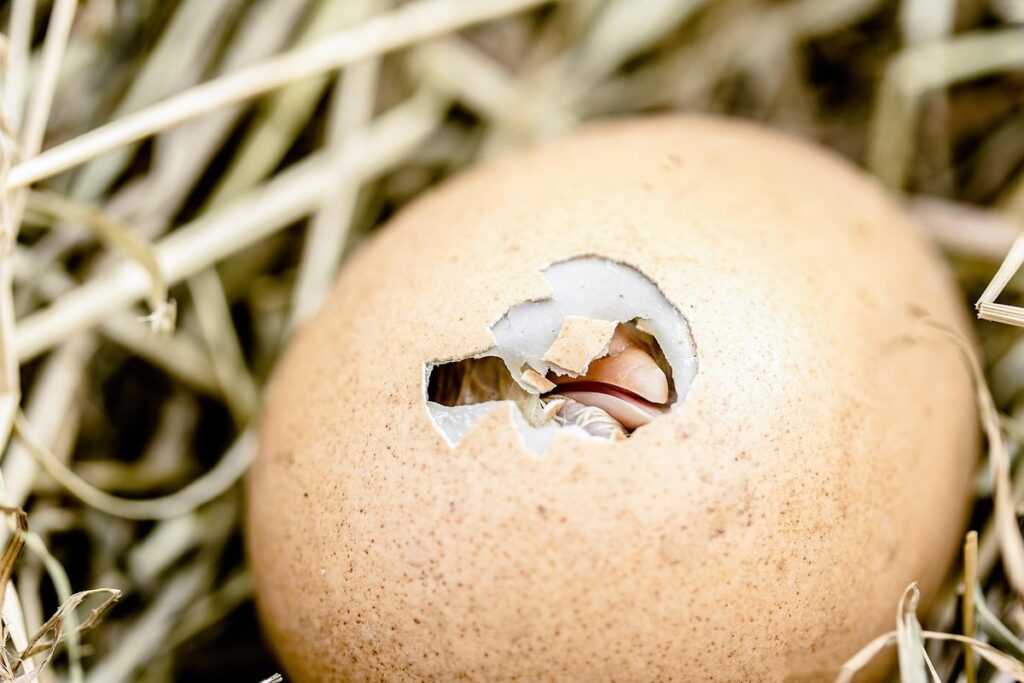
Understanding the Importance of Humidity in Egg Hatching
Understanding humidity levels is crucial for successful egg hatching, and getting it right can make all the difference between healthy chicks and failed incubations. Let’s dive into why maintaining optimal humidity is essential for your eggs’ journey.
What is Humidity and Why Is It Crucial for Egg Hatching?
When it comes to hatching eggs, one of the most critical factors is humidity. So, what exactly is humidity? In simple terms, humidity refers to the amount of moisture present in the air. It’s measured as a percentage, indicating how much water vapor is available for the eggs to absorb.
In the context of egg hatching, humidity plays a crucial role in embryonic development. The right level of humidity ensures that the embryo develops properly and has enough moisture to grow and hatch successfully. If the air is too dry, the egg will lose moisture quickly, leading to dehydration and potentially harming or killing the developing chick.
On the other hand, extremely high humidity can also cause problems. Excessive moisture can lead to mold growth and bacterial contamination within the incubator, which can be detrimental to the health of both the eggs and the chicks. Therefore, maintaining a stable and optimal level of humidity is essential for successful hatching.
Factors That Influence Humidity Levels During Incubation
When it comes to incubating eggs, achieving optimal humidity levels is crucial for successful hatching. However, several factors can influence humidity conditions, making it challenging to maintain the ideal range. The design of your incubator plays a significant role in regulating humidity.
For example, an incubator with poor air circulation may lead to uneven moisture distribution, resulting in areas that are either too humid or too dry. On the other hand, a well-ventilated incubator can help maintain consistent humidity levels by allowing excess moisture to escape. Temperature is another critical factor; high temperatures can cause the eggs to lose moisture rapidly, while low temperatures can slow down evaporation.
In addition to these factors, the type of eggs being hatched and their storage conditions before incubation also impact humidity requirements. For instance, fertile eggs require a more humid environment than infertile ones. By understanding these influencing factors, you can take steps to optimize your incubator’s design and operating conditions for successful egg hatching. Regular monitoring of temperature and humidity levels will help you make adjustments as needed to ensure optimal conditions for your eggs.
Measuring and Maintaining Optimal Humidity Levels
To successfully incubate eggs, you need a clear understanding of how to measure and maintain optimal humidity levels to promote healthy chick development. This crucial step is often overlooked but is essential for successful hatching results.
How to Use Hygrometers for Accurate Humidity Readings
When it comes to monitoring humidity levels in your incubator, a hygrometer is an essential tool. There are several types of hygrometers available, each with its own level of accuracy and functionality.
Digital hygrometers, for example, offer high accuracy readings, often within 1-2% relative humidity (RH). They’re also easy to calibrate using the built-in calibration function or a calibration certificate. On the other hand, analog hygrometers provide a more traditional reading on a dial face, but may require manual calibration and can be less accurate.
To ensure precise measurements, it’s crucial to calibrate your hygrometer regularly. You’ll need a reference point, such as a psychrometer or a calibration certificate from the manufacturer. Follow the instructions provided by the manufacturer for calibration procedures.
When choosing a hygrometer, consider the level of accuracy you need and the type of incubator you’re using. It’s also essential to position the hygrometer in a location where it will provide accurate readings without being affected by drafts or temperature fluctuations. By selecting the right hygrometer and following proper calibration procedures, you’ll be able to achieve optimal humidity levels for successful hatching.
Strategies for Maintaining Optimal Humidity Throughout Incubation
Maintaining optimal humidity levels throughout the incubation period is crucial for successful hatching. A stable environment helps prevent extreme fluctuations that can stress embryos and hinder development. To achieve this, consider using a water spray system to maintain consistent humidity readings.
One technique is to adjust the humidity levels based on egg type and stage of development. For example, increase humidity during the first 18 days of incubation for better embryo growth, then reduce it slightly as the chick develops feathers and becomes more active. Be cautious not to overdo it – excessive moisture can lead to mold and bacterial growth.
Monitor your incubator’s temperature and humidity readings frequently, adjusting levels as needed. A good rule of thumb is to aim for a relative humidity (RH) range between 50-60% during the first half of incubation. You may need to make more frequent adjustments as your eggs progress through development. Keep in mind that every egg and incubator is unique, so it’s essential to experiment and find what works best for you.
The Ideal Humidity Range for Hatching Eggs
So, what’s the perfect humidity range for hatching eggs? In this crucial part of our guide, we’ll explore the ideal levels to achieve optimal chick development and survival rates.
Understanding the Optimal Humidity Zone for Different Bird Species
When it comes to hatching eggs, understanding the optimal humidity zone for different bird species is crucial. You see, chickens, ducks, and quails have unique humidity requirements that can differ significantly from one another.
For instance, chicken eggs typically require a relative humidity (RH) of 50-60% during incubation. This allows for an even rate of moisture loss through the eggshell, promoting healthy development. On the other hand, duck eggs prefer a slightly higher RH of 55-65%. Quail eggs, being smaller in size, require a more precise control over humidity levels, ranging from 50-55%.
It’s also worth noting that some bird species are more sensitive to temperature fluctuations and humidity changes than others. For example, guinea fowl eggs require an even lower RH of 45-50%. This is because their shells are particularly thin and prone to cracking.
To accurately determine the optimal humidity zone for your specific bird species, research their unique requirements or consult with a poultry expert. You can also experiment by monitoring temperature and humidity levels in your incubation environment to find what works best for you.
Why Deviations from the Ideal Humidity Range Can Affect Hatch Rates
When deviating from the ideal humidity range, hatch rates can suffer significantly. Inadequate humidity levels can lead to eggs drying out, causing embryos to dehydrate and ultimately fail to develop properly. Conversely, excessive moisture can promote the growth of mold and bacteria, which can contaminate the egg and prevent the embryo from developing.
In extreme cases, humidity levels that are too low or too high can cause the eggshell to crack, allowing air to penetrate the egg and leading to further complications. This is often referred to as “cracking” due to dehydration, resulting in a failed hatch rate. It’s essential to maintain precise control over humidity levels within your incubator.
For instance, if you’re hatching chicken eggs, an ideal humidity range of 50-60% should be maintained during the first 18 days of incubation. Deviating from this range by even 5-10% can increase the risk of unsuccessful hatch rates. Keeping a close eye on temperature and humidity levels is crucial to ensuring optimal conditions for successful hatching.
Managing Humidity in Commercial Incubators vs. Home Setup
When it comes to managing humidity, commercial incubators have different needs than home setups, requiring tailored approaches to ensure optimal hatch rates and chick health. Let’s explore these key differences together.
Challenges and Considerations for Large-Scale Egg Production
Managing humidity in commercial egg production comes with its own set of unique challenges. One major issue is the sheer scale of operations – large farms can hold tens of thousands of birds, making it increasingly difficult to maintain precise control over humidity levels.
Commercial egg producers often rely on automated systems that regulate temperature and humidity levels within the incubator. However, these systems require regular maintenance and calibration to ensure they function correctly. A recent study found that a staggering 70% of commercial farms experienced issues with their humidity control systems due to inadequate maintenance.
Staff training is another crucial aspect for large-scale egg producers. Employees need to be well-versed in troubleshooting and adjusting the equipment to prevent deviations from optimal humidity levels. It’s not uncommon for commercial farmers to have dedicated staff members who focus solely on monitoring and maintaining the incubator conditions.
To mitigate these challenges, consider investing in high-quality automation systems and regular maintenance schedules. Additionally, provide ongoing training programs for your staff to ensure they’re equipped to handle any issues that may arise. By taking a proactive approach, you can maintain precise humidity control and improve hatch rates even at large commercial scales.
Simple Tips for Maintaining Humidity Levels at Home
Maintaining optimal humidity levels is crucial for successful hatching at home. Backyard chicken keepers and hobbyists often face challenges in replicating commercial incubators’ control over humidity. A reliable home setup with precision humidity control can make all the difference.
To set up a stable home incubation environment, invest in a hygrometer to monitor temperature and relative humidity (RH) levels. This will help you identify areas that require adjustment. Place the thermometer-hygrometer probe near the eggs for accurate readings. Aim for a RH range of 50-60% during the first 18 days, then reduce it by 5-10% as incubation progresses.
For maintaining consistency, consider using a humidifier specifically designed for egg incubation. These units can maintain precise humidity levels and help regulate temperature fluctuations. Another option is to use wet cloths or paper towels placed in a corner of the incubator to provide a constant source of moisture.
Remember, even small variations in humidity can impact hatch rates and chick quality. Regularly checking your setup and making adjustments as needed will ensure optimal conditions for successful hatching.
Troubleshooting Common Humidity-Related Issues During Incubation
As you navigate the world of hatching eggs, it’s inevitable that you’ll encounter humidity-related issues that can impact the health and viability of your eggs. This section addresses common problems to look out for and how to resolve them.
Identifying Signs of Imbalanced Humidity and Potential Causes
As you monitor the incubation process, it’s crucial to recognize signs of inadequate or excessive humidity levels. Embryonic development anomalies can be a telltale sign that something is amiss. For instance, if the embryos are not developing at the expected rate or are showing signs of desiccation, this could indicate too little moisture in the incubator.
On the other hand, an overly humid environment can lead to fungal growth and respiratory problems for the developing chicks. You might notice excessive condensation on the walls or eggs, which is a clear indication that the humidity level has surpassed the recommended range.
Potential causes behind these issues often stem from incorrect calibration of the hygrometer, inconsistent temperature fluctuations, or inadequate ventilation within the incubator. It’s also possible that you’ve used the wrong type of water in the water reservoir, which can lead to an imbalance in humidity levels. To address these problems, ensure you’re using distilled water and regularly calibrate your hygrometer. Additionally, consider investing in a thermometer probe to monitor temperature fluctuations more accurately.
Corrective Actions to Restore Optimal Humidity Levels
When humidity levels in an incubator get out of balance, it can significantly impact embryonic development and hatching success. To address this issue, you’ll need to identify the root cause of the problem and take corrective action.
Start by checking the incubator’s temperature settings, as a minor deviation from optimal temperatures can affect humidity levels. Verify that the temperature is within 0.5°F (0.3°C) of the recommended range for your specific eggs. Also, inspect the incubator’s water reservoir to ensure it’s filled with distilled or deionized water and not contaminated.
If the issue persists, consider adjusting the ventilation settings in the incubator. A higher humidity setting may require more frequent misting or a lower rate of airflow. Conversely, if you’re experiencing too much moisture, increase the airflow or reduce the humidity setting.
Regularly monitoring your eggs’ weight loss and embryonic development can help you detect humidity-related issues early on. If you notice significant deviations from normal patterns, take immediate corrective action to restore optimal humidity levels.
The Relationship Between Temperature and Humidity in Incubation
Understanding how temperature interacts with humidity is crucial for successful incubation, as it affects embryo development and overall hatch rate. Let’s dive into this important relationship.
Balancing Temperature and Humidity for Maximum Hatch Success
Achieving a harmonious balance between temperature and humidity is crucial for maximum hatch success. The delicate interplay between these two critical factors can make all the difference in ensuring healthy chicks emerge from their eggs. When it comes to hatching eggs, a slight deviation from ideal temperature and humidity levels can have disastrous consequences.
For example, if the temperature is too high or low, it can cause the embryo to develop at an uneven pace, leading to weak or deformed chicks. Similarly, if the humidity is too low or high, it can cause the egg to dry out or become waterlogged, making it difficult for the chick to pip and emerge.
To strike a balance, it’s essential to maintain a temperature range of 99-100°F (37-38°C) with a corresponding relative humidity level between 40-60%. This allows for optimal moisture retention in the egg while preventing overheating or drying out. As a general rule of thumb, you can increase the humidity by 1-2% for every degree below 100°F (38°C).
Why Temperature Fluctuations Can Affect Humidity Levels
When you’re trying to create an ideal environment for hatching eggs, it’s essential to consider not just temperature but also humidity levels. Temperature fluctuations can significantly impact humidity levels, and this relationship is critical to understand.
Here’s why: when the incubator’s temperature rises or falls, the air within it expands or contracts, causing moisture to evaporate more quickly or slowly. As a result, excessive heat can lead to dry environments that are detrimental to embryo development, while inadequate temperature control can cause water vapor to condense and create humid conditions.
For instance, if your incubator is set at an ideal 99°F (37°C) but the room temperature fluctuates by even 5-10°F (3-6°C), it can alter humidity levels significantly. To mitigate this issue, it’s crucial to maintain a stable environment with minimal temperature fluctuations. Use a thermometer and hygrometer to monitor your incubator’s temperature and adjust the settings accordingly. A small investment in temperature control devices can make a substantial difference in hatching success rates.
Frequently Asked Questions
How can I adjust my incubator’s humidity settings during a hatch?
To ensure optimal humidity levels, it’s essential to monitor your incubator’s readings closely. If you notice a drop or rise in humidity, make adjustments accordingly by increasing or decreasing the water level in the reservoir. For example, if the reading dips below 40%, add more water to maintain the ideal range.
What are some common signs of imbalanced humidity levels during incubation?
Chicks may exhibit lethargy, labored breathing, or even die due to extreme humidity fluctuations. To prevent this, regularly check your hygrometer readings and make adjustments as needed to maintain a stable environment between 35% to 60%.
Can I use DIY methods for measuring humidity, or should I invest in a hygrometer?
While DIY methods can provide a general idea of humidity levels, investing in a reliable hygrometer is crucial for accurate readings. This ensures you’re making data-driven decisions to optimize your incubator’s conditions.
How do temperature fluctuations affect humidity levels during incubation?
Temperature fluctuations can impact humidity by causing the water in the reservoir to evaporate faster or slower than usual. To mitigate this, ensure good ventilation and maintain a consistent temperature within 1-2°C of the ideal range (37.5-38°C).
Can I use the same humidity settings for different bird species, or do they require specific ranges?
Different bird species have unique requirements for optimal incubation conditions. Research the specific needs of your breed to ensure you’re providing an environment tailored to their specific humidity and temperature demands.
How often should I check my hygrometer readings during a hatch?
Regular monitoring is key to maintaining optimal humidity levels. Check your readings at least twice daily, making adjustments as necessary to prevent extreme fluctuations that can impact hatch rates.