
If you’re looking to raise chickens for their exceptional egg-laying abilities, you’ve probably come across Leghorns. Known for producing an abundance of white eggs, these Italian birds have been a favorite among backyard farmers and commercial producers alike. But what makes them so special? In this article, we’ll delve into the history of Leghorn chickens, exploring how they originated and evolved over time to become one of the most prolific egg layers in the world.
We’ll also discuss their key characteristics, including their hardiness, high egg production, and low maintenance needs. Whether you’re a seasoned farmer or just starting out, understanding these factors is crucial for optimizing your flock’s performance. Furthermore, we’ll provide insights into breeding programs designed to enhance white egg production, helping you make informed decisions about your Leghorn chicken operation.
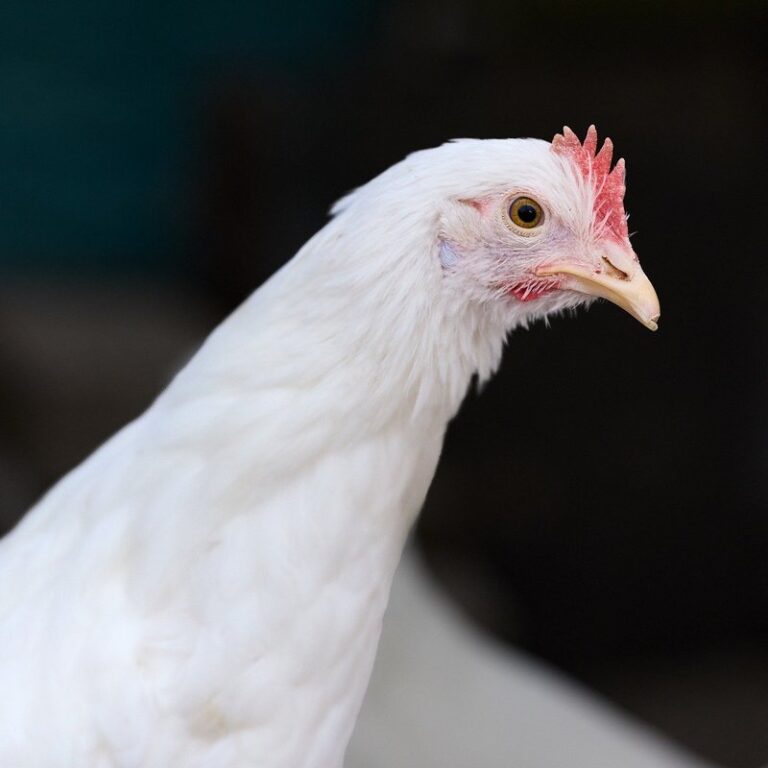
History and Origin of Leghorn Chickens
The history of Leghorns dates back to 18th-century Italy, where they were first bred for their exceptional egg-laying abilities. Let’s explore how this beloved breed came to be.
Brief History of Leghorns in Poultry Farming
Leghorns have been a cornerstone of poultry farming for centuries, and their rise to prominence is a fascinating tale. Originating from the Italian city of Poggio Bustone, Leghorn chickens were first bred in the 16th century as a dual-purpose breed, valued for both meat and egg production. However, it wasn’t until the late 19th century that they gained widespread popularity as an egg-laying machine.
By the early 20th century, Leghorns had become one of the most sought-after breeds globally, with their high egg-laying capacity making them an attractive option for commercial farmers. Their ability to produce up to 300 large white eggs per year earned them a reputation as a reliable and efficient breed. Today, Leghorn chickens remain a staple in many poultry farms worldwide, prized for their hardiness, ease of management, and, of course, prolific egg-laying abilities.
Their adaptability and resilience have made them an excellent choice for various climates and farming systems. Whether you’re a seasoned farmer or just starting out, understanding the history and characteristics of Leghorn chickens can help you make informed decisions about your own flock’s development.
The Characteristics That Made Leghorns Successful
Leghorns’ remarkable success in egg production can be attributed to several key characteristics that set them apart from other breeds. One of their most notable features is their exceptional high egg-laying capacity. Leghorns are known for producing an average of 280-300 large white eggs per year, making them one of the highest laying breeds available. This high productivity is due in part to their energetic and lively nature, which drives them to continually seek out food and water.
Their disease resistance is another factor that has contributed to Leghorns’ success. Bred specifically for their hardiness, they are less prone to common diseases such as Marek’s and coccidiosis. This makes them a great choice for backyard farmers and homesteaders who may not have the resources or expertise to provide specialized care.
Leghorns’ adaptability is yet another reason for their widespread popularity. They thrive in a variety of environments, from hot climates to cooler temperate zones, making them an excellent choice for farmers who need a hardy breed that can withstand challenging conditions.
Early Breeding Programs and Their Impact on Egg Production
In the early 20th century, breeding programs were initiated to enhance the egg-laying capabilities of Leghorn chickens. The primary objective was to increase their prolificacy and improve eggshell quality. Through selective breeding, farmers aimed to create a bird that could lay large quantities of high-quality eggs consistently.
The impact of these early breeding programs was significant. By focusing on genetic traits such as size, temperament, and reproductive efficiency, breeders were able to produce Leghorns with remarkable egg-laying abilities. For instance, one notable breeding program in Italy led to the development of the “Italian Large White” strain, which became renowned for its exceptional egg production.
Farmers who adopted these high-performing birds witnessed a substantial increase in their daily egg yields. As a result, Leghorn chickens gained immense popularity among farmers worldwide, particularly in the United States where they were introduced as a low-maintenance and cost-effective solution for large-scale egg production. This marked the beginning of Leghorns’ reign as a dominant force in commercial poultry farming.
Characteristics and Traits of Leghorn Chickens for White Eggs
If you’re looking to keep your flock healthy and thriving, it’s essential to understand the characteristics that make a Leghorn chicken well-suited for producing white eggs. Let’s dive into their unique traits.
Body Type and Build
Leghorns are known for their athletic build and sleek appearance, which is well-suited to their high energy levels and prolific egg-laying abilities. Adult Leghorns typically weigh between 4-6 pounds (1.8-2.7 kg) and stand about 24 inches (61 cm) tall, making them a medium-sized breed.
Their body type is characterized by a long, slender neck, long wings, and a sturdy tail. Their feathers are usually a light to dark grey color with a white underside, although some varieties may have other colors or patterns. Leghorns have a distinctive comb shape, with a single row of spurs on each leg.
When selecting Leghorns for your flock, it’s essential to consider their build and size. If you plan to keep them in a small coop or enclosure, you’ll want to choose birds that are smaller or more compact. On the other hand, if you have plenty of space, you can opt for larger birds with more robust builds.
It’s also worth noting that Leghorns come in various types, including the Italian and American varieties, which may differ slightly in terms of size and build.
Egg-Laying Capacity and Quality
Leghorns are renowned for their exceptional egg-laying capacity and high-quality white eggs. One of the primary factors contributing to this is selective breeding. Leghorn breeders have focused on cultivating birds that excel in laying large, clean, and strong-shelled eggs. The result is a remarkable ability to produce around 280-300 eggs per year, making them one of the most productive egg-laying breeds.
In terms of egg size, shape, and shell quality, Leghorns consistently deliver high-quality white eggs. They lay large oval-shaped eggs with a smooth, clean, and relatively thin shell. The shells are also strong and resistant to cracking due to the breed’s unique genetic makeup. When it comes to egg size, Leghorns tend to produce medium-large eggs that weigh around 2 ounces on average.
It’s essential for backyard chicken keepers to recognize that these traits can be influenced by factors such as nutrition, health, and management practices. By providing a balanced diet rich in calcium, ensuring proper ventilation, and keeping their coop clean, Leghorn owners can help maximize their flock’s egg-laying capacity while maintaining the high quality of eggs they produce.
Temperament and Behavior
Leghorns are known for their lively and energetic personalities. They’re often described as curious and active birds that require regular exercise to keep them happy and healthy. This high energy level can sometimes be a challenge, especially for inexperienced chicken keepers who may not have the time or resources to provide the necessary physical stimulation.
One of the most distinctive traits of Leghorns is their tendency to be noisy. They love to vocalize and will often make loud, high-pitched sounds to communicate with each other and with humans. While this can be a bit annoying at times, it’s also a sign that your Leghorns are happy and engaged.
If you’re considering keeping Leghorns for egg production, be aware that they can be prone to stress and anxiety. This is often due to their high energy levels and the fact that they require regular social interaction and stimulation. To manage this, make sure to provide plenty of space for exercise and exploration, as well as a balanced diet and regular health checks.
Some Leghorns may also exhibit aggressive behavior towards each other or towards humans, particularly if they’re not handled regularly from an early age. If you notice any signs of aggression, such as feather pecking or attacking, it’s essential to take steps to address the issue before it becomes a serious problem.
Nutrition, Health, and Management for Optimal Egg Production
To ensure your Leghorn hens reach their full egg-laying potential, it’s crucial to provide them with a balanced diet, regular health checks, and proper management practices.
Dietary Needs and Requirements
Leghorns are prolific egg layers and their dietary needs play a crucial role in achieving optimal production. These birds require a balanced diet rich in essential nutrients, minerals, and vitamins to support their rapid growth rate and high egg-laying capacity.
Crucial macronutrients like proteins, carbohydrates, and fats should make up the bulk of their diet. Protein, in particular, is vital for muscle development and repair. A minimum of 15-18% protein content in their feed is recommended, although some breeders opt for even higher levels to enhance performance.
In addition to macronutrients, Leghorns also require a range of micronutrients, including calcium, phosphorus, sodium, potassium, and vitamins like vitamin D3. Calcium is particularly essential for bone health and eggshell formation. A deficiency in calcium can lead to weakened bones and reduced egg production.
To ensure your Leghorn flock receives the necessary nutrients, consider consulting with a veterinarian or poultry nutritionist to formulate a customized feed plan that meets their unique requirements. They can help you determine the optimal diet composition and suggest practical feeding strategies to maximize egg production and overall health.
Disease Prevention and Control Measures
Leghorns are prone to various health issues that can impact egg production and overall well-being. One of the most common diseases affecting Leghorns is Infectious Bronchitis (IB), a respiratory virus that spreads quickly through droplet transmission. To prevent IB, ensure good ventilation in your coop and keep it clean by removing soiled bedding regularly. Vaccination programs can also be effective in controlling outbreaks.
Another significant disease affecting Leghorns is Coccidiosis, a parasitic infection caused by the protozoan Eimeria. This disease affects young birds and can lead to weight loss, diarrhea, and even death if left untreated. To prevent Coccidiosis, provide clean water, maintain good hygiene practices, and ensure adequate calcium levels in feed.
Common signs of disease in Leghorns include decreased egg production, lethargy, and changes in droppings. Regular health checks are essential for early detection, which enables prompt treatment and reduces the risk of widespread outbreaks.
Breeding, Hatching, and Rearing Best Practices
When it comes to breeding, hatching, and rearing healthy Leghorn chickens for optimal egg production, several key factors come into play. To ensure a successful hatch, the incubation temperature is crucial, ranging between 99°F (37°C) and 100°F (38°C). Maintaining precise humidity levels between 50% to 60% during this period is also vital.
Once chicks hatch, it’s essential to provide them with proper care. Begin by placing them in a warm, draft-free area and maintaining temperatures around 90°F (32°C) for the first week. The humidity level should be slightly higher, at 60% to 70%, during this initial period. Gradually decrease both temperature and humidity levels as they grow.
Proper nutrition is also critical, especially during the first few weeks of life. A starter feed specifically formulated for chicks should provide the necessary nutrients for growth. Ensure access to fresh water at all times, and keep the brooder area clean to prevent disease. By following these guidelines, you can set your Leghorn chickens up for a healthy start, ultimately contributing to optimal egg production.
White Egg Production and Quality Factors
When it comes to Leghorn chicken white eggs, several key factors contribute to their quality and production. Let’s dive into what makes these factors tick.
Factors Affecting White Egg Color and Quality
When it comes to white egg color and quality, there are several genetic and environmental factors that come into play. Genetics is one of the primary influencers of white egg color, with some Leghorn breeds naturally producing more vibrant or richer whites than others.
For instance, the Italian Leghorn is known for its bright white eggs, while the American Leghorn produces slightly lighter tones. This is due to genetic differences in the production of melanin and other pigments responsible for eggshell coloration.
Environmental factors also play a significant role in determining white egg quality. For example, a chicken’s diet can greatly impact the brightness and intensity of its egg whites. A well-balanced feed that includes high-quality protein sources, calcium, and vitamins is essential for maintaining healthy egg production.
Additionally, stress levels, lighting conditions, and overall health can all affect egg color and quality. Providing optimal living conditions, including adequate space, ventilation, and social interaction, can help minimize the impact of environmental factors on egg production. By understanding these genetic and environmental influences, you can take steps to optimize your Leghorn’s white egg color and quality.
Role of Nutrition in Maintaining White Eggshell Quality
Nutrition plays a vital role in maintaining white eggshell quality. When it comes to Leghorn chicken breeds, a well-balanced diet is crucial for producing high-quality eggs with strong and thick shells. A deficiency in calcium, phosphorus, or other essential nutrients can lead to weak and brittle eggshells, making them more susceptible to breakage.
To optimize nutrition management, ensure your Leghorns have access to a balanced layer feed that meets their nutritional needs. Aim for a diet rich in calcium (around 3-4% of the total diet) and phosphorus (around 1-2%). Include sources like oyster shells or crushed eggshells as supplements to provide an extra boost.
Monitor your flock’s water intake, too – adequate hydration is essential for maintaining strong bones and eggshell quality. A hydrated bird will have a better calcium metabolism, leading to stronger eggshells. Aim for around 10-15% moisture content in the diet. Provide fresh vegetables and fruits as treats, but ensure they don’t replace the balanced layer feed.
By following these recommendations and ensuring optimal nutrition management, you can produce high-quality white eggs with strong, durable shells that meet market demands.
Comparison with Other Breeds and Production Systems
When it comes to white egg production, Leghorns are often compared to other breeds and production systems. For example, some farmers might opt for Marans or Araucana chickens, which also lay dark-brown eggs but with distinct flavor profiles.
Leghorns have an advantage over these breeds in terms of egg quantity: on average, a healthy Leghorn can produce 280-300 brown or white eggs per year, compared to around 180-200 for Marans and 150-170 for Araucana. However, the dark-brown eggs from these breeds are prized by many chefs and consumers for their unique taste.
On the other hand, some large-scale commercial egg producers might use cage-free or free-range systems, where hens have more space to roam but may lay fewer eggs due to stress factors like predators or weather conditions. Leghorns in intensive production systems can produce up to 320 eggs per year, making them an attractive option for commercial farmers seeking high-yielding flocks.
Ultimately, the choice between different breeds and production systems comes down to individual preferences and needs – whether it’s quantity, quality, or environmental sustainability considerations.
Breeding and Selection Programs for Improved Egg Production
To maximize egg production, many farmers and breeders rely on expertly designed breeding programs that focus on selective traits and optimal genetic combinations. Let’s take a closer look at these key initiatives in action.
Selective Breeding Strategies
Leghorns have been subject to selective breeding programs for decades, focusing on traits that enhance egg production. These breeding strategies aim to optimize genetic potential through strategic selection of the most productive birds.
In Leghorn breeding, selection criteria often prioritize egg number, size, and shell quality. Breeders evaluate individual birds based on their reproductive efficiency, measured by factors like rate of lay, egg weight, and percentage of eggs laid per year. To meet these demands, breeders use a combination of traditional visual assessment and advanced metrics such as genetic merit indexes.
Genetic principles guide the breeding process to ensure that desirable traits are passed down through generations. Leghorn breeders employ techniques like inbreeding to concentrate beneficial genes while minimizing undesirable effects on fertility and hatchability. By leveraging advances in genetics, breeders can accelerate progress towards specific breeding goals, ultimately shaping the next generation of high-performing Leghorns.
New Developments and Emerging Trends in Leghorn Breeding
In recent years, significant advancements have been made in Leghorn breeding, driven by technological innovations and a growing demand for high-quality eggs. One notable development is the adoption of genomic selection, which allows breeders to select for desirable traits at an early stage of growth using genetic data. This approach has enabled faster breeding cycles and improved accuracy in selecting for characteristics such as egg size, shell strength, and feed efficiency.
Precision breeding technologies have also emerged as a key area of focus in Leghorn breeding. Techniques like embryo transfer and sexing have greatly increased the speed and precision of breeding programs. For example, some breeders are now using automated sorting machines to separate male and female chicks at hatching, allowing them to optimize breeding stock and reduce waste.
These advancements have paved the way for more efficient and targeted breeding programs, enabling Leghorn breeders to produce even higher-quality eggs while minimizing the environmental impact of their operations. As a breeder or producer looking to improve your egg-laying flock, it’s essential to stay up-to-date on these emerging trends and consider how they might be integrated into your own breeding program. By doing so, you’ll be well-positioned to take advantage of the latest technology and techniques, ultimately benefiting from improved egg production and profitability.
Practical Considerations for Small-Scale and Backyard Flocks
When it comes to raising Leghorn chickens for white eggs, there are several practical considerations to keep in mind for small-scale and backyard flocks. Let’s explore some essential tips to help you succeed.
Managing Small-Scale or Backyard Flocks
Managing small-scale or backyard flocks of Leghorns requires attention to their specific needs and expectations. When it comes to feeding, Leghorns are prolific egg layers and require a balanced diet that includes high-quality protein sources such as layer feed or scratch grains. A general rule of thumb is to provide 1-2 cups of layer feed per bird per day, supplemented with fresh fruits and vegetables.
Health management is also crucial for backyard flocks, particularly when it comes to preventing diseases like Marek’s disease and coccidiosis. Regular vaccinations, biosecurity measures, and a clean living environment can help minimize the risk of illness. It’s essential to monitor your flock daily for signs of stress or illness and seek veterinary care if you notice any unusual behavior.
In terms of egg production expectations, Leghorns are known for their high egg-laying capacity, producing an average of 280-300 eggs per year. However, this can vary depending on factors like breed quality, nutrition, and management practices. To optimize egg production, it’s essential to provide a stress-free environment, adequate light exposure, and proper ventilation in the coop.
A well-managed small-scale flock can be a rewarding experience, providing you with fresh eggs daily and an opportunity to connect with nature. By following these practical tips and guidelines, you’ll be well on your way to raising healthy, happy Leghorns that will provide you with a steady supply of delicious white eggs.
Integrating Leghorns into Mixed-Flock Systems
Integrating Leghorns into mixed-flock systems can be a great way to create a diverse and thriving backyard flock. One of the main benefits is that Leghorns are prolific layers, producing an average of 280-300 eggs per year. By combining them with other breeds, you can create a system where some birds focus on laying eggs while others excel at foraging or controlling pests.
However, there are also challenges to consider when integrating Leghorns into your flock. For example, Leghorns are known for their high energy and activity levels, which can sometimes lead to bullying of smaller breeds. It’s essential to choose breeds that complement each other in terms of size, temperament, and production levels.
To make integration successful, focus on introducing young birds together from the start. This helps them establish a pecking order naturally and reduces aggression later on. Additionally, ensure you have enough space and resources for all birds to thrive. By carefully selecting breeds and managing your flock’s dynamics, you can create a harmonious and productive mixed-flock system that benefits from the unique characteristics of each breed.
Conclusion
Now that you’ve learned everything there is to know about Leghorn chicken white eggs, it’s time to wrap up our comprehensive guide with a final recap and key takeaways.
Recap of Key Points and Takeaways
When it comes to Leghorn chicken white eggs, there are several key takeaways for farmers, breeders, and backyard flock owners. One of the most important points covered in this article is the high egg-laying capacity of Leghorns, with some breeds producing up to 300 eggs per year. This makes them an excellent choice for commercial producers looking to maximize their yields.
In addition, we discussed the importance of proper nutrition and care when raising Leghorn chickens. A balanced diet rich in protein, calcium, and other essential nutrients is crucial for maintaining optimal egg production. Regular health checks and vaccinations can also help prevent diseases that can impact egg-laying performance.
For backyard flock owners, we highlighted the benefits of keeping a small flock of Leghorns as a sustainable source of fresh eggs. With proper management and care, these birds can thrive in even the smallest of spaces. By following the tips and advice outlined in this article, farmers and breeders can ensure the health and well-being of their Leghorn flocks while maximizing egg production.
Future Directions and Emerging Opportunities
As we conclude our comprehensive overview of Leghorn chicken white eggs, it’s essential to consider the future directions and emerging opportunities in this industry. With the demand for high-quality eggs continuing to rise, innovative research and advancements will be crucial in meeting this demand.
One potential area for research is genetic selection, where breeders can further enhance traits such as eggshell strength, yolk quality, and disease resistance. For instance, scientists at the University of California have made breakthroughs in identifying genes associated with improved eggshell quality, paving the way for more durable and longer-lasting eggs.
Another emerging opportunity lies in sustainable production methods, which could significantly reduce environmental impact while increasing profitability. By incorporating regenerative practices, such as free-range systems and rotational grazing, farmers can create healthier ecosystems that promote biodiversity and mitigate climate change.
Additionally, advancements in technology will continue to play a vital role in optimizing Leghorn breeding and production. The incorporation of precision agriculture tools, data analytics, and artificial intelligence can enhance efficiency, predict disease outbreaks, and improve overall flock health.
Frequently Asked Questions
What are the ideal living conditions for Leghorn chickens to maximize white egg production?
Leghorns require a safe, dry, and well-ventilated coop with adequate space to roam freely. Provide about 3-4 square feet per bird inside the coop and at least 8-10 hours of daylight exposure. Ensure access to fresh water, a balanced diet, and regular cleaning of the coop to maintain a healthy environment.
Can I integrate Leghorns into an existing mixed-flock system with other breeds?
Yes, Leghorns can thrive in mixed-flock systems, but it’s essential to consider their unique characteristics and needs. Introduce Leghorns at a young age, and ensure they have enough space and resources to avoid competition with other birds.
How do I identify the ideal breeders for my Leghorn breeding program?
When selecting breeders, look for birds that exhibit excellent egg-laying capacity, high-quality white eggs, and robust health. Consider factors like fertility rate, hatchability, and genetic diversity to ensure a healthy and productive flock.
What are some common diseases that affect Leghorns and how can I prevent them?
Common diseases affecting Leghorns include Marek’s disease, avian influenza, and coccidiosis. Implement strict biosecurity measures, maintain good hygiene practices, and administer vaccinations according to your veterinarian’s recommendations to minimize the risk of disease.
Can I cross-breed Leghorns with other breeds to improve egg production or adapt to specific climates?
Yes, cross-breeding can be an effective strategy to enhance egg production or improve climate resilience. However, consider factors like genetic diversity, fertility rates, and potential losses due to inbreeding when developing a cross-breeding program.
What are some best practices for managing feed and nutrition for optimal white eggshell quality?
Provide a balanced diet rich in essential nutrients, including calcium, phosphorus, and protein. Ensure access to fresh water at all times, and consider supplements like oyster shells or crushed limestone to support strong bone growth and eggshell quality.
How can I optimize my Leghorn flock’s performance in extreme weather conditions?
In hot climates, provide shade, ventilation, and cooling measures to prevent heat stress. In cold climates, ensure access to adequate shelter, insulation, and nutrition to maintain the birds’ energy levels. Monitor temperature fluctuations closely to adjust management strategies accordingly.
Are there any specific considerations for breeding Leghorns in small-scale or backyard flocks?
Yes, when breeding Leghorns on a smaller scale, focus on selecting birds with high egg-laying capacity, good temperament, and adaptability to local conditions. Consider maintaining a diverse gene pool and implementing breeding programs that prioritize fertility rates and hatchability.
What are some common mistakes to avoid when integrating new Leghorn birds into an existing flock?
Common mistakes include failing to acclimate new birds gradually, introducing too many birds at once, or neglecting to provide enough space and resources. Ensure a smooth transition by introducing new birds slowly, monitoring behavior closely, and providing adequate shelter and nutrition.
Can I use automation systems to monitor and manage my Leghorn flock’s health and performance?
Yes, integrating technology can streamline management tasks, improve data collection, and enhance decision-making. Consider investing in automated feeders, waterers, or monitoring systems that provide real-time insights into your flock’s health and performance.
Note: All questions are designed to extend the content, focus on practical next steps, common challenges, implementation details, specific scenarios, and clarifications about advanced topics related to Leghorn chickens for white eggs.