
If you’re considering adding some unique and stunning feathered friends to your backyard flock, look no further than the majestic Maran chicken. With their striking black plumage and distinctive sheen, these birds are a sight to behold. But beyond their impressive appearance, Marans are also prized for their rich, dark eggs and friendly, docile nature.
Whether you’re an experienced poultry keeper or just starting out, raising happy and healthy Marans requires attention to specific breed characteristics, care requirements, and health considerations. In this article, we’ll delve into the ins and outs of keeping Maran chickens, covering topics such as breeding, benefits, and best practices for a thriving flock. By the end of this guide, you’ll be equipped with all the knowledge needed to successfully raise your very own happy and healthy Marans.
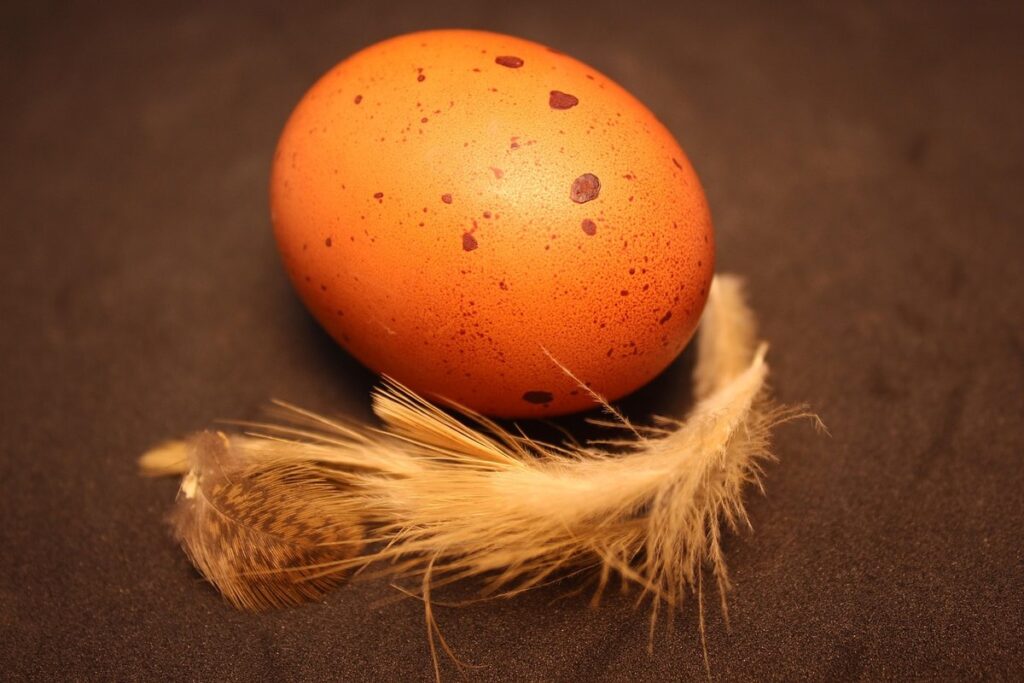
History and Origin of Maran Chickens
Maran chickens have a rich history dating back to medieval France, where they were bred for their unique dark eggs. Let’s explore how these stunning birds came to be!
Brief Overview of the Breed’s History
The origins of the Maran breed date back to 18th century France, where it was developed as a dual-purpose chicken. Its name is derived from the town of Marans in western Normandy, which is still known for its exceptional poultry production. Initially bred for both meat and egg production, the Maran’s robust physique and rich, dark feathers made it an instant favorite among French farmers.
As trade and cultural exchange flourished between France and other European countries, the Maran breed gradually spread to England in the 19th century. It wasn’t until the early 20th century that American poultry enthusiasts began importing Marans to the United States, where they quickly gained popularity for their unique appearance and rich egg-laying abilities.
Interestingly, it was only through selective breeding programs in the UK that the modern Maran breed emerged with its distinctive silkie-like plumage and deep blue eggs. The breed’s adaptability, friendly nature, and impressive laying capabilities have since made it a staple among backyard chicken keepers worldwide.
Key Breeding and Development Milestones
The Maran breed has a rich history that spans over a century. One of the most significant milestones in their development was in 1907 when French breeder Maurice Duplessis created the Blue Marans by crossing the Cuckoo Marans with other breeds, including the Cochin and the Langshan. This cross resulted in a stunning breed with dark blue plumage, known for its excellent egg-laying abilities.
Another notable breeder was Mr. A.C. Wilson, who introduced the Marans to England in the early 20th century. He is credited with developing several new strains of the breed, including the Wheaton and the Black Marans. These developments expanded the availability of the breed beyond France and helped establish its reputation as a top-performing egg layer.
Notable breeders like Maurice Duplessis and Mr. A.C. Wilson played crucial roles in shaping the modern Maran breed. Their work has made it possible for enthusiasts to enjoy the benefits of this exceptional bird, from its rich dark eggs to its unique appearance.
Modern-Day Recognition and Popularity
In recent years, the Maran chicken breed has experienced a significant surge in popularity among backyard flock owners worldwide. This can be attributed to their unique characteristics and benefits that make them an excellent addition to any small-scale farm or homestead.
One of the main reasons for their increasing recognition is their striking appearance. With their sleek, dark plumage and iridescent feathers, Maran chickens are a sight to behold in any backyard flock. This distinctive look has made them a favorite among chicken enthusiasts who appreciate their beauty and uniqueness.
Another factor contributing to their rising popularity is their friendly and docile nature. Marans are known for being gentle and easy-going, making them an excellent choice for families with children or for those new to raising chickens. They also tend to be relatively quiet compared to other breeds, which can be a significant advantage in residential areas.
As more people discover the joys of keeping Maran chickens, they’re finding that these birds are not only visually stunning but also provide a reliable source of fresh eggs and companionship.
Physical Characteristics of Maran Chickens
When it comes to appearance, Maran chickens are a stunning breed, boasting unique physical characteristics that set them apart from other chicken varieties. Let’s take a closer look at what makes these birds so beautiful.
Body Type and Size
Marans are known for their distinctive body type, which is characterized by a muscular build and a sturdy frame. On average, Maran roosters weigh around 8-10 pounds (3.6-4.5 kg), while hens typically tip the scales at 6-8 pounds (2.7-3.6 kg). Their compact size makes them an excellent choice for backyard flocks, especially for those with limited space.
In terms of feather pattern, Marans are recognized by their unique plumage, which features a rich, dark bronze color. The feathers have a subtle sheen and a soft texture, giving the birds a beautiful, almost iridescent appearance. As they mature, the feathers may develop slight white or cream-colored markings on the wings and tail, adding to their distinctive charm.
If you’re considering raising Marans, it’s essential to provide them with ample space to move around and exercise. While they are relatively small, they do require regular activity to maintain their muscular build and overall health. By offering a balanced diet and plenty of opportunities for physical activity, you can help your Marans thrive and enjoy their unique characteristics to the fullest.
Plumage and Color Varieties
Marans are renowned for their striking plumage, which showcases an array of colors and patterns that make them a standout breed. One of the most distinctive features of Marans is their blue-black coloration, also known as “mole” or “speckled” feathers. This unique trait is due to the way the feathers reflect light, giving them a darker, more muted appearance.
In addition to their signature blue-black plumage, Marans can be found in various other colors and patterns. Some common varieties include chocolate, silver, copper, and wheaten. These different shades are often accompanied by distinctive markings such as speckling or ticking, adding to the breed’s visual appeal.
Maran enthusiasts will note that color intensity and quality can vary depending on factors like diet, environment, and genetics. For example, a well-nourished Maran with good living conditions is more likely to develop vibrant, healthy feathers. As you consider bringing home a Maran of your own, remember that these chickens are as much about their looks as they are about their charming personalities – so be prepared for a feathered friend that turns heads!
Beak Shape, Eye Color, and Other Distinctive Features
Marans chickens are not only known for their rich chocolate-brown eggs but also for their striking physical characteristics. One of the most distinctive features of this breed is their beak shape, which is slightly curved and tapered to a fine point. This unique beak shape allows them to easily scratch in the soil for insects and seeds.
Their eyes are another notable feature, with some Marans having a piercing red or dark brown color that adds to their exotic appearance. Some owners even notice that their birds’ eyes seem to change color depending on their mood! In addition to these striking features, Marans have a compact, muscular build, with well-defined breast and thighs.
When it comes to feathering, Marans have a glossy, sleek coat in shades of gold, silver, or copper, which adds to their eye-catching appearance. They also tend to have more feathers on their legs than other breeds, giving them a unique “stockinged” look that’s quite charming.
Temperament and Behavior of Maran Chickens
When it comes to their temperament and behavior, Maran chickens are known for being friendly and docile, making them a great addition to any backyard flock. They’re also relatively low-maintenance pets that are easy to handle.
Overview of the Breed’s Personality
When it comes to personality, Maran chickens are truly one-of-a-kind. Their friendly and docile nature makes them an excellent choice for backyard enthusiasts who want a low-maintenance yet lovable pet. Unlike some other breeds that can be feisty or territorial, Marans are known to be gentle and easy-going, making them a great fit for families with children.
One of the most notable traits of Maran chickens is their affectionate nature. They love human interaction and will often follow you around the yard, eager for attention and treats. With proper socialization from an early age, Marans can become incredibly tame and even enjoy being handled by kids. This friendly demeanor also makes them a great choice for backyard flocks where they’ll get along with other breeds.
To maximize the potential of your Maran’s personality, make sure to provide plenty of space to roam and exercise, as well as a balanced diet that includes a mix of grains, proteins, and fruits. With proper care and attention, your Marans will reward you with loyalty, companionship, and endless entertainment.
Socialization and Interaction with Humans
Socialization is key when it comes to Maran chickens interacting with humans and other animals. From an early age, you should introduce your chicks to a variety of environments, people, and animals. This can be as simple as letting them explore a new room or meeting a calm dog. As they grow, continue to expose them to different situations to build their confidence.
Marans are naturally friendly birds, but some individuals may develop fear or aggression if not socialized properly. To prevent this, make sure to handle your chicks gently and frequently, starting from day one. This will help them become accustomed to human touch and presence. You can also try placing a chick in a basket or carrier, then picking it up while it’s inside – this way, they’ll learn to associate being handled with a safe space.
As Marans mature, they may still require attention to their social needs. Provide ample opportunities for them to interact with each other, either by letting them free-range together or setting up a communal enclosure. With proper socialization and care, your Maran chickens will become loving companions that thrive in the presence of humans and other animals.
Breeding Characteristics: Sex Link and Temperament Traits
When it comes to breeding Maran chickens, there are several key characteristics to consider. One of the most important is sex linking, which refers to the ability to determine a chick’s sex at hatching. This can be done through various methods, including vent sexing and DNA testing.
For temperament traits, Marans are known for being friendly and docile birds. However, some breeders may want to prioritize more assertive or aggressive tendencies in their breeding stock. To achieve this, it’s essential to work with birds that have a strong prey drive or are naturally more confident in new environments.
When selecting breeding pairs, look for individuals that exhibit calm, even-tempered behavior. Avoid birds that display excessive aggression or fearfulness, as these traits can be difficult to breed out of the flock. By focusing on sex linking and temperament traits, you can produce Maran chickens that are well-suited to your specific needs and goals.
Some breeders also prioritize other characteristics, such as egg-laying ability or feather quality. To incorporate these traits into your breeding program, research reputable bloodlines and work with experienced breeders who have a deep understanding of the breed’s unique characteristics.
Health Considerations for Maran Chickens
When it comes to caring for your Marans flock, there are some important health considerations to be aware of. Let’s take a closer look at how to keep your birds healthy and happy.
Common Health Issues in the Breed
Marans are generally a healthy breed, but like all chickens, they can be prone to certain health issues. One of the most common problems is obesity, particularly in hens that don’t get enough exercise. This can lead to a range of secondary health issues, including joint problems and heart disease.
Respiratory problems are also a concern for Marans, especially in areas with high humidity or pollution levels. Symptoms can include labored breathing, coughing, and wheezing. To reduce the risk of respiratory issues, make sure your coop is well-ventilated and consider using HEPA filters to remove airborne pollutants.
Feather pecking is another common issue in Marans, particularly among younger birds. This behavior can be caused by stress, boredom, or nutritional deficiencies. To prevent feather pecking, provide plenty of toys and perches for your hens to keep them occupied, and ensure their diet is well-balanced.
Nutrition and Diet for Optimal Health
When it comes to keeping your Marans happy and healthy, nutrition is key. These lovely birds require a balanced diet that meets their specific nutritional needs.
First and foremost, Marans need access to fresh, clean water at all times. A general rule of thumb is to provide one gallon of water per chicken per day. Ensure the waterer is easy to clean and refill regularly to prevent bacterial growth. In terms of feed, a high-quality commercial layer feed should form the basis of their diet. However, supplementing with fruits and vegetables can add vital nutrients and variety.
In particular, Marans require a diet rich in calcium to support strong eggshell production. Dark leafy greens like kale and spinach are great sources of calcium. You can also offer crushed oyster shells as a calcium supplement. Fresh fruit like apples and berries can provide essential vitamins and minerals.
Aim to provide a mix of around 70% commercial layer feed, 20% fruits and vegetables, and 10% treats or supplements. This will give your Marans the balanced diet they need to thrive. Remember to introduce new foods gradually to prevent digestive upset, and adjust their diet according to age, health, and season. With a little planning and creativity, you can ensure your Marans receive the nutrition they deserve for optimal health.
Tips for Maintaining Good Flock Health
Maintaining good flock health is crucial for the well-being of your Maran chickens. To ensure their health, it’s essential to provide a safe and clean living environment. Start by regularly cleaning the coop and run to remove any debris, droppings, or uneaten food that can attract pests and diseases.
Keep an eye on your birds’ behavior and watch for signs of illness such as lethargy, loss of appetite, or changes in droppings. Isolate any bird showing these symptoms to prevent the spread of disease. Consult with a veterinarian experienced in poultry care if you suspect illness.
Proper nutrition is also vital for maintaining good health. Provide your Maran chickens with high-quality feed that meets their nutritional needs, and ensure access to fresh water at all times. Consider supplementing their diet with fruits and vegetables, but introduce new foods gradually to prevent digestive issues.
Regular vaccinations and parasite control measures can also help protect your flock from diseases. Consult with a veterinarian or poultry expert to determine the best vaccination schedule for your Maran chickens based on factors such as climate, location, and local disease prevalence.
Breeding and Raising Maran Chickens
Breeding and raising Marans can be a fun and rewarding experience, but it requires careful planning and attention to detail to ensure healthy and happy chicks. In this section, we’ll walk you through the ins and outs of breeding and raising Maran chickens.
Selection Criteria for Breeders
When it comes to breeding high-quality Marans, selecting the right breeders is crucial. To produce exceptional birds, you’ll want to look for breeders who prioritize certain characteristics and traits. Firstly, consider the breeder’s experience and knowledge of the Maran breed. Look for those with a proven track record of producing healthy, well-tempered birds that meet or exceed breed standards.
You should also evaluate the breeder’s attention to detail in their breeding program. This includes factors such as genetic diversity, linebreeding, and outbreeding. A good breeder will strive to minimize inbreeding while maintaining consistency within their bloodlines. Additionally, consider the breeder’s commitment to health testing, particularly for diseases common to Marans like Marek’s disease.
Look for breeders who prioritize genetics that result in desirable traits such as egg-laying capacity, feather quality, and color intensity. They should also be able to provide detailed documentation of their breeding program, including pedigree information and performance records. By carefully selecting a reputable breeder with a focus on quality and consistency, you’ll be well on your way to raising top-notch Marans that meet your needs and expectations.
Brooding and Rearing Chicks
Proper brooding and rearing practices are crucial for Maran chicks to grow into healthy, thriving birds. Chicks are most vulnerable during the first few weeks of life, so it’s essential to create a warm, safe, and nourishing environment for them.
A well-ventilated brooder with adequate heat is vital. You can use a heat lamp or ceramic heat emitter, but make sure to follow the manufacturer’s guidelines. The ideal temperature range for Maran chicks is between 90°F and 95°F (32°C – 35°C) during the first week, gradually decreasing by 5-10 degrees each subsequent week.
It’s also crucial to provide a clean and dry environment, free from drafts and dampness. You should disinfect the brooder regularly and maintain good hygiene practices. Maran chicks need access to fresh water at all times, so ensure you have a reliable watering system in place.
A starter feed with 20-25% protein is recommended for the first few weeks, gradually switching to a grower feed with 18-20% protein as they mature. Monitor your chicks’ growth and adjust their diet accordingly. With proper care and attention, your Maran chicks will develop into strong, healthy birds that thrive in your backyard flock.
Tips for Successful Hatching and Rehoming
If you’re planning to breed Maran chickens, it’s essential to have a clear understanding of hatching and rehoming. Here are some valuable tips for successful hatching and rehoming:
When it comes to incubation, make sure the temperature is maintained between 99°F and 100°F (37°C-38°C). Humidity should be kept around 50-60%. Monitor the eggs closely for any signs of cracking or pipping. Once they start hatching, keep the chicks in a safe, draft-free area.
For rehoming, consider local poultry clubs or online communities to connect with potential buyers. Ensure the new owners understand the specific needs and temperament of Maran chickens. It’s also essential to provide detailed information about the chicken’s breed, age, health, and any known characteristics.
When rehoming, make sure to include all relevant documents, such as vaccination records and breeding certificates. Be prepared to answer questions from potential buyers and be honest about your experiences with the bird.
Benefits and Uses of Keeping Maran Chickens
If you’re thinking of keeping Marans for eggs, meat, or simply as pets, then you’ll want to know about their many benefits and uses on your homestead or backyard farm. We’ll explore these advantages next.
Egg-Laying Capabilities
Maran chickens are renowned for their exceptional egg-laying capabilities, making them an excellent choice for backyard flock owners. On average, a Maran hen will lay around 200-220 large brown eggs per year, with some breeders reporting up to 250 eggs or more in ideal conditions. The eggs themselves are highly prized for their rich, dark brown color and robust quality.
One of the key advantages of Maran chickens is their consistent egg production, even during the winter months when other breeds may slow down. This makes them an excellent choice for households that rely on fresh eggs from their own flock year-round. To encourage optimal egg-laying performance in your Marans, be sure to provide a balanced diet rich in protein and calcium, as well as plenty of space to roam and exercise.
In terms of egg quality, Maran eggs are known for their thick, hard shells and firm whites. This is due in part to the breed’s robust constitution and their ability to thrive on a varied diet. By choosing Maran chickens for your backyard flock, you can enjoy an abundance of high-quality eggs while also experiencing the many other benefits that these wonderful birds have to offer.
Meat Production: Considerations for Small-Scale Farmers
As you consider raising Marans for their meat, it’s essential to weigh the pros and cons. Market demand is a crucial factor to consider. While there’s a growing interest in heritage breeds like Marans, the demand might not be as high as other more commercial breeds. This can affect your pricing and profit margins.
Production costs are another significant consideration. Raising Marans for meat requires careful planning, from feed to processing. A small-scale farmer can expect to spend around $2-$3 per pound on feed alone, depending on the quality of the feed and the chicken’s age at slaughter. This cost is significantly higher than commercial breeds.
To mitigate these costs, consider diversifying your products or services offered alongside meat production. You could sell eggs, offer farm tours, or create value-added products like chicken sausages or pâtés. By creating a multi-stream revenue model, you can balance out the higher costs associated with raising Marans for meat. With careful planning and marketing, small-scale farmers can successfully raise Marans as a meat source while maintaining profitability.
Educational Value and Flock Dynamics
One of the most appealing aspects of keeping Maran chickens is their ability to educate and entertain. Not only do they provide a steady supply of fresh eggs, but they also offer a unique opportunity for you and your family to learn about animal behavior, social dynamics, and responsible pet ownership.
Marans are known for their flocking instinct, which makes them an excellent choice for backyard flocks or small farms with multiple birds. By observing your Marans interact with each other, you can gain valuable insights into the importance of social hierarchy, communication, and conflict resolution in poultry. For example, did you know that chickens have a pecking order? It’s fascinating to watch how dominant birds assert their dominance through gentle but firm displays of dominance.
As you observe your Marans’ flock dynamics, consider implementing enrichment activities to keep them stimulated and engaged. Try providing puzzle feeders or rotating toys to challenge their problem-solving skills. Not only will this mental stimulation reduce stress and boredom, but it will also encourage natural behaviors like foraging and exploring. By participating in the daily lives of your Maran chickens, you’ll develop a deeper appreciation for these remarkable birds and create lifelong memories with your family.
Tips for New Owners and Best Practices
As you welcome your new Maran chickens into their backyard home, we’re sharing essential tips to ensure a smooth transition and long-term happiness for both you and your birds. From feeding habits to coop maintenance, get started on the right track.
Setting Up Your Coop and Run
When setting up your coop and run for Marans, it’s essential to consider their unique needs. First, ensure the coop is well-ventilated, dry, and protected from harsh weather conditions. Marans are heavy breed chickens, so they require more space than smaller breeds. A minimum of 4 square feet per bird inside the coop and 8-10 square feet in the run is recommended.
When designing your run, think about predator protection. Since Marans are a popular target for predators like foxes and raccoons, a sturdy enclosure with chicken wire or hardware cloth is crucial. Make sure it extends at least 3 feet underground to prevent burrowing predators from getting underneath. Add some visual deterrents like reflective tape or shiny objects to scare away potential threats.
Don’t forget about lighting – Marans are active foragers and need adequate light to roam around safely. Consider adding a roof or a shade cloth to control sunlight exposure, especially in warmer climates. Last but not least, incorporate easy access points for cleaning and maintenance to keep your coop and run hygienic and safe for your flock.
Feeding, Health Care, and Maintenance Tasks
As a new owner of Maran chickens, it’s essential to stay on top of regular feeding, health care, and maintenance tasks to ensure your flock stays happy and healthy. A well-cared-for flock will reward you with plenty of eggs and affection.
Firstly, feeding is an essential task that requires attention daily. Provide high-quality layer feed that meets the nutritional needs of Maran chickens. Ensure fresh water is always available, and consider supplementing with fruits and vegetables to keep your girls’ beaks busy and their taste buds happy. It’s also crucial to maintain a balanced diet by providing grit and oyster shells to support strong eggshell production.
Regular health checks are vital to detect any potential health issues early on. Check for signs of illness, such as changes in droppings, appetite, or behavior. Keep an eye out for parasites like mites, lice, and fleas, and take prompt action if you notice any infestations.
In terms of maintenance tasks, ensure your coop is clean, dry, and well-ventilated to prevent the buildup of ammonia from droppings. Regularly inspect fencing and enclosures for damage or weak spots that may compromise security.
Long-Term Commitment and Planning
When it comes to owning Maran chickens, one of the most crucial aspects is making a long-term commitment and having a solid plan in place. These birds can live for around 8-10 years, so it’s essential to think about what you’ll be doing with them for an extended period.
Firstly, ensure that you have enough space for your Marans to roam and exercise comfortably. This means setting up a spacious coop or enclosure that provides adequate ventilation and protection from the elements. Consider investing in a chicken run where they can safely exercise outside of their coop.
In terms of planning, think about your lifestyle and how it will impact your ability to care for these birds over time. For instance, if you travel frequently, consider hiring someone to check on them daily or exploring automated feeding systems. Additionally, research local regulations regarding backyard chickens in your area and factor in any necessary permits or licenses.
Regularly reviewing and updating your plan can help ensure that your Marans continue to thrive under your care. This might involve adjusting their diet, providing more space as they grow, or even introducing new flock members. By prioritizing long-term commitment and planning, you’ll be better equipped to provide a happy, healthy home for these stunning birds.
Frequently Asked Questions
What is the ideal climate for keeping Maran chickens?
Marans are relatively hardy birds, but they do prefer cooler temperatures. They thrive in climates with moderate winters and mild summers, typically between 40°F to 80°F (4°C to 27°C). Avoid areas with extreme heat or cold, as this can affect their egg-laying abilities and overall health.
How long does it take for Maran chickens to start laying eggs?
Marans are slow-maturing birds, taking around 28-30 weeks to reach full production. However, they will start laying small, dark eggs at around 20-22 weeks of age. Be patient, as their egg-laying abilities will increase with time and proper care.
Can Maran chickens be raised in small backyard flocks or are they best suited for large-scale farms?
Marans can thrive in both small and large flocks, making them an excellent choice for backyard chicken keepers. They are relatively docile and get along well with other breeds, as long as introduced properly. However, it’s essential to provide enough space (around 3-4 square feet per bird) and a suitable coop for your flock.
How often should I collect eggs from my Maran chickens?
Collecting eggs daily is ideal, especially during peak production periods. This helps maintain cleanliness, prevents breakage, and keeps the hens healthy by reducing stress caused by overfilled nests. You can also consider using an automatic egg collector to simplify the process.
Can I breed Marans for specific color varieties or sex-linked traits?
Yes, Maran chickens can be bred for various color varieties, including blue, copper, and silver-laced. Sex-link breeding is also possible, but it requires careful consideration of temperament traits and genetic diversity to ensure healthy offspring. Consult experienced breeders or experts in poultry genetics for guidance on specific breeding programs.