
Are you looking to add some rich flavor and deep color to your egg basket? Look no further than the majestic Marans chicken! Known for their striking dark brown eggs, these French natives have been prized by backyard farmers and chefs alike for centuries. But it’s not just their stunning eggs that make them a favorite – Marans chickens are also known for their friendly, curious nature and impressive egg-laying abilities.
In this article, we’ll delve into the world of Marans chicken care, covering everything from feeding and health maintenance to expert tips on maximizing egg production. We’ll explore the unique nutritional benefits of these eggs, including their rich iron content and higher yolk-to-white ratio. Whether you’re a seasoned poultry keeper or just starting out, our expert advice will help you raise healthy, happy Marans chickens that produce plenty of delicious, nutritious eggs.
What Are Marans Chickens?
Let’s start by learning more about these stunning birds: what makes Marans chickens unique, and how their characteristics impact their eggs.
Origin and History of Marans Chickens
The Marans breed has its roots in France, dating back to the 15th century. These stunning chickens were first bred for their rich, dark eggs and were highly prized by French farmers for their unique characteristics. The name “Marans” is derived from the town of Marans in western France, where the breed originated.
Historically, Marans chickens played a significant role in egg production on small farms and homesteads throughout Europe. Their ability to produce large, dark-brown eggs made them an attractive choice for farmers looking to diversify their income streams through egg sales. In fact, Marans eggs were highly sought after by wealthy households due to their distinctive color and rich flavor.
Today, the Marans breed has gained popularity worldwide for its unique characteristics and exceptional egg-laying abilities. Whether you’re a seasoned chicken keeper or just starting out, incorporating Marans chickens into your flock can be a rewarding experience. With proper care and management, these beautiful birds will reward you with an abundance of delicious, dark-brown eggs that are sure to impress family and friends alike.
Characteristics of Marans Chickens
Marans chickens are known for their distinctive physical characteristics, which set them apart from other breeds. They have a sleek, dark plumage with a subtle sheen, and their feathers are typically a deep chocolate brown color. The breed’s most notable feature, however, is the copper or golden tint on their wings and tail feathers. This unique coloring gives Marans chickens an eye-catching appearance that’s sure to turn heads.
In terms of temperament, Marans chickens are friendly, docile birds that get along well with humans and other animals. They’re relatively quiet compared to some other breeds, making them a great choice for backyard flocks or families with children. However, they can be a bit skittish at times, so it’s essential to socialize them from an early age.
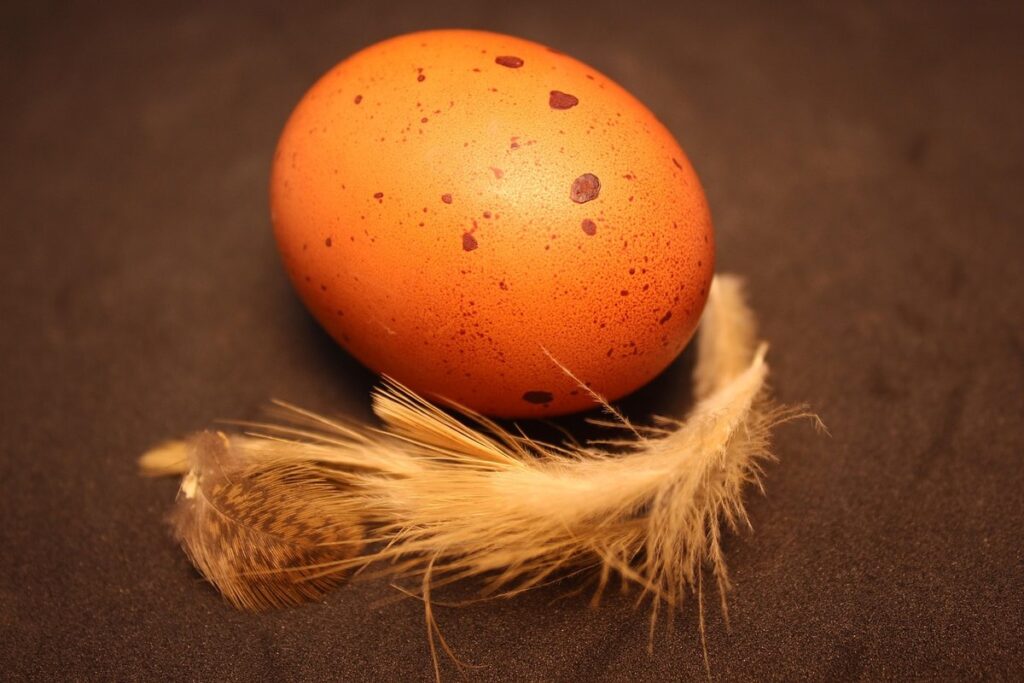
Marans chickens are also prolific egg layers, producing around 150-180 eggs per year. Their eggs are large and dark brown in color, with a slightly pointed end. While the breed’s egg-laying abilities may not be the most impressive compared to some other varieties, their rich, dark eggs make up for it in terms of quality and flavor.
Benefits of Keeping Marans Chickens for Eggs
If you’re already convinced that Marans chickens are worth keeping, you’ll want to know what’s in it for you – and we’ve got some egg-cellent news! This section explores the benefits of raising these beautiful birds.
Advantages of Raising Marars for Egg Production
If you’re looking for a breed of chicken that’s perfect for backyard egg production, Marans chickens are an excellent choice. Not only do they thrive in small spaces, but they also produce an impressive number of eggs per year. On average, a healthy Marans hen will lay around 150-200 brown eggs annually, making them one of the most prolific layers among all breeds.
But what makes Marans chickens so desirable for backyard chicken keepers isn’t just their egg-laying abilities – it’s also their friendly and docile nature. These birds are known to be social and gentle, making them a joy to have around your property. Whether you’re raising chickens as pets or for eggs, the Marans breed is sure to bring a smile to your face with their curious antics and affectionate personalities.
To maximize egg production in your Marans flock, it’s essential to provide them with a balanced diet rich in protein and calcium. Ensure they have access to fresh water at all times and offer a mix of grasses, fruits, and vegetables as treats. With proper care and attention, your Marans chickens will reward you with an abundance of delicious eggs for months to come.
Health Benefits of Eating Marans Chicken Eggs
Eating eggs from Marans chickens is not only a delight for the taste buds but also a nutritious choice. These eggs are packed with an impressive array of vitamins and minerals that make them an excellent addition to a healthy diet.
One of the standout nutritional benefits of Marans chicken eggs is their high content of omega-3 fatty acids. These essential fatty acids play a crucial role in heart health, brain function, and even reduce inflammation in the body. In fact, studies have shown that eating just one egg per day can provide up to 180 milligrams of omega-3s.
Marans chicken eggs are also an excellent source of vitamins A, D, E, K, and B12. Vitamin D is essential for bone health, while vitamin B12 plays a critical role in the production of red blood cells. Eggs from Marans chickens can be incorporated into your diet in various ways – boiled, scrambled, or made into omelets.
To get the most out of these nutrient-rich eggs, it’s recommended to eat them within 5-7 days of collection for optimal freshness and flavor. With their rich nutritional profile and versatility in cooking, Marans chicken eggs are an excellent choice for health-conscious individuals looking to boost their diet with a delicious and nutritious food option.
How to Care for Marans Chickens for Optimal Egg Production
To ensure your Marans hens are laying their best eggs, you’ll need to focus on providing them a safe and healthy environment. Proper care will make all the difference in their overall well-being and egg production.
Providing a Suitable Environment for Your Marans Chickens
When it comes to caring for your Marans chickens, providing a suitable environment is crucial for their overall health and egg-laying productivity. A safe and healthy space will not only ensure that your girls thrive but also contribute to an increase in egg production.
Start by considering the size of your coop. Aim for at least 4-5 square feet per chicken inside the coop, with additional space outside for exercise and foraging. This will give them room to move around comfortably and prevent stress-related behaviors like feather pecking.
Next, think about ventilation. Marans chickens are prone to respiratory issues, so it’s essential to ensure good airflow in their coop. Install windows or vents that allow fresh air to circulate, and make sure the coop is well-ventilated to keep ammonia levels under control.
When designing your nesting boxes, remember that Marans chickens prefer a quiet and dark space for laying eggs. Provide at least one nesting box per 3-4 hens, and make sure they’re easy to access with a ramp or ladder. This will help reduce stress during egg-laying and encourage your girls to use the boxes regularly.
Feeding and Nutrition for Marars Chickens
To ensure your Marans chickens are laying eggs at their full potential, it’s essential to provide them with a balanced and nutritious diet. These birds require a high-quality layer feed that is rich in protein, calcium, and other essential nutrients.
A good quality layer feed should make up the bulk of their diet, but supplementing with fresh fruits and vegetables can also be beneficial. Dark leafy greens like kale and spinach are excellent additions to their diet as they provide a boost of vitamins and minerals. Fresh fruits such as berries and apples can also be given in moderation.
When it comes to feeding your Marans chickens, make sure to provide them with plenty of fresh water at all times. A general rule of thumb is to provide one quart of water per chicken per day. It’s also essential to ensure the water is clean and free from contamination.
In addition to their regular diet, consider providing a source of grit or oyster shells to help support their eggshell production. A good quality grit or oyster shell supplement can be added to their feed once or twice a week.
Understanding Marans Chicken Egg Production
When it comes to egg production, Marans chickens are known for laying a specific number of eggs per year. Let’s take a closer look at their average annual output and what you can expect from your flock.
Factors Affecting Egg Production in Marans Chickens
When it comes to maximizing egg production in Marans chickens, several factors come into play. First and foremost, light exposure plays a crucial role. These birds require around 14 hours of daylight to produce eggs efficiently, so if you’re keeping them indoors, make sure to provide supplemental lighting during the winter months.
Temperature is also essential for optimal egg production. Marans chickens prefer temperatures between 40°F and 80°F (4°C and 27°C), with ideal egg-laying conditions occurring at around 65°F (18°C). Extreme temperatures can lead to stress, which in turn affects egg production.
Nutrition is another vital aspect of maintaining healthy egg production in Marans chickens. A balanced diet rich in protein, calcium, and other essential nutrients is crucial for optimal egg development. Aim to provide your flock with a mix of grains, fruits, and vegetables to ensure they’re getting all the necessary vitamins and minerals.
Proper ventilation and management practices also contribute significantly to successful egg production.
Average Egg Production Per Year for Marars Chickens
A healthy Marans chicken can produce around 200-220 eggs per year, but this number can vary depending on factors such as diet, living conditions, and genetics. To increase egg production, it’s essential to provide your flock with a nutrient-rich feed that includes plenty of protein, calcium, and other essential vitamins.
In addition to nutrition, make sure your Marans chickens have access to adequate light, fresh water, and space to move around. A well-ventilated coop and regular cleaning can also help reduce stress and prevent health issues that may impact egg production.
Some breeds of Marans chickens are known to be prolific layers, such as the Black Copper Marans or the Chocolate Marans. These birds have been bred specifically for their high egg-laying capabilities and can produce upwards of 280 eggs per year with proper care and management.
Keep in mind that Marans chickens are a heritage breed, and their egg production may not be as consistent as some commercial breeds. However, with attention to detail and a commitment to providing optimal conditions, you can encourage your Marans hens to reach their full egg-laying potential.
Tips for Identifying Fresh Eggs from Your Marans Chickens
Evaluating the freshness of your Marans eggs can be a bit tricky, but don’t worry, we’ve got some simple tips to help you identify fresh eggs from your flock.
How to Check for Freshness in Marans Chicken Eggs
Checking for freshness in Marans chicken eggs is crucial to ensure their quality and safety. When handling fresh eggs from your flock, look for these signs of freshness: a hard, clean shell with no visible cracks or breaks; the egg should feel heavy for its size due to the dense contents inside.
Next, check for any visible signs of spoilage such as mold, slime, or an off-putting odor. Gently tap the egg on a flat surface – if it’s fresh, it will have a deep, resonant sound and no cracks will appear. A cracked egg is not necessarily spoiled, but you should discard it to avoid contamination.
To store your Marans chicken eggs for optimal freshness, keep them in their original carton or a designated egg storage container away from direct sunlight and moisture. Store the eggs pointed end down to prevent moisture accumulation inside the egg. Keep the storage area at a consistent refrigerator temperature below 40°F (4°C). Regularly check on stored eggs for any signs of spoilage. If you notice any changes, discard the affected egg immediately.
Avoid washing your Marans chicken eggs before storing them, as this can lead to moisture accumulation and affect their quality.
Storage and Handling Guidelines for Marars Chicken Eggs
Proper storage and handling of Marans chicken eggs is crucial to maintain their quality and safety. When collecting eggs from your coop, make sure to handle them gently to prevent cracks and damage. Wash your hands thoroughly before touching the eggs to avoid transferring bacteria.
Store the eggs in a cool, dry place away from direct sunlight. The ideal temperature for storing eggs is between 35°F and 45°F (2°C and 7°C). Avoid storing eggs near a heat source or in humid environments, as this can lead to moisture accumulation and bacterial growth.
It’s essential to store the eggs pointy-end down to prevent moisture from entering the egg through the air cell. You can also use a carton specifically designed for storing eggs, which will help maintain their freshness by reducing exposure to light and heat.
Remember to collect eggs daily to prevent overcrowding, which can lead to breakage and contamination. Keep the storage area clean and well-ventilated to ensure the eggs remain fresh for an extended period. By following these guidelines, you’ll be able to enjoy your Marans chicken eggs at their best quality and safety.
Common Health Issues Affecting Marans Chickens and Their Eggs
As a Marans chicken owner, it’s essential to be aware of potential health issues that can affect your flock’s well-being, as well as the quality of their eggs. Common problems include respiratory infections and egg-laying disorders.
Recognizing Signs of Illness in Your Marans Chickens
Recognizing signs of illness in your Marans chickens is crucial for their well-being and egg production. Respiratory problems are common issues that can affect these birds. Symptoms may include labored breathing, coughing, and a decrease in appetite. If you notice any of these signs, it’s essential to seek veterinary attention promptly.
Parasites like mites and lice can also infest your Marans chickens. Look for excessive scratching, feather loss, or dark-colored droppings as indicators of parasite infestation. Regular cleaning and disinfection of the coop, as well as monitoring your birds’ health, can help prevent such issues.
Monitoring your Marans chickens’ behavior and physical condition is key to early detection of illness. Keep an eye out for changes in their activity level, appetite, or egg production. A decrease in egg production, for instance, can indicate a variety of health problems.
To keep your birds healthy, ensure they have access to clean water and food at all times. A balanced diet and a stress-free environment can also boost their immune system. Regular health checks by a veterinarian can help identify potential issues early on, allowing you to take prompt action.
Preventative Measures for Keeping Your Marars Chickens Healthy
As a Marans chicken owner, it’s essential to take preventative measures to ensure their overall health and well-being. A healthy flock is crucial for producing high-quality eggs, and regular check-ups with a veterinarian can help identify potential issues before they become serious problems.
To maintain your Marans chickens’ health, consider implementing vaccination programs against common diseases such as Marek’s disease, Newcastle disease, and infectious bronchitis. Consult with a veterinarian to determine the best vaccine schedule for your flock. Regular parasite control methods are also vital, including providing clean water, removing waste regularly, and treating for internal parasites like worms.
Additionally, maintain good hygiene practices by washing your hands before handling chickens or eggs, and ensure that feeders and waterers are kept clean. A balanced diet rich in nutrients will also help support your Marans chickens’ immune systems. Consider supplementing their feed with essential vitamins and minerals to keep them healthy and strong.
Some important things to note: a healthy Marans flock can produce 280-300 eggs per year, while an unhealthy one may only manage 200 eggs or less.
Frequently Asked Questions
Can Marans Chickens be kept as pets, or are they strictly for egg production?
Marans chickens make excellent pets due to their friendly, curious nature. They can thrive in small backyards with proper care and attention. However, if you’re looking to raise them specifically for eggs, ensure you have enough space for a flock of at least 3-4 birds to maintain optimal egg-laying.
How do I recognize signs of illness in my Marans chickens?
Regular health checks are crucial for identifying potential issues early on. Look out for changes in appetite, droopy feathers, or unusual behavior. Keep an eye on egg production, as a decline may indicate a health issue. Consult a veterinarian experienced in poultry care if you suspect illness.
Can I keep Marans Chickens with other breeds of chickens?
Yes, Marans chickens can be integrated into mixed flocks, but it’s essential to introduce them slowly and under close supervision. Ensure all birds have enough space and resources, as some breeds may dominate or bully others. Research compatible breeds before adding new members to your flock.
How do I maintain the rich iron content in my Marans chicken eggs?
To preserve the high iron content of Marans eggs, handle them gently to avoid cracking the shells. Store eggs in a cool, dry place, and consume within 5-7 days for optimal nutrition. Avoid washing eggs before refrigeration, as this can remove beneficial bacteria.
What are some common challenges I may face when raising Marans chickens for egg production?
Egg production rates can be affected by factors such as diet, climate, and flock size. Ensure your birds have access to a balanced, nutrient-rich feed, adequate shelter, and sufficient space to roam. Regular health checks will help prevent disease outbreaks and maintain optimal productivity.