
As a poultry farmer or manager, you’re likely no stranger to the challenges of maintaining healthy and productive flocks. But have you considered mixing breeds in your flock to create a more resilient and efficient operation? By combining different breeds with unique characteristics, you can improve disease resistance, increase productivity, and boost overall efficiency. However, managing a mixed poultry flock requires careful planning and attention to detail. In this comprehensive guide, we’ll walk you through the key considerations for implementing successful mixed poultry flock management, including breed selection, nutritional strategies, and biosecurity measures. You’ll learn how to optimize your operations performance by leveraging the strengths of different breeds, reducing disease risk, and maximizing profitability.
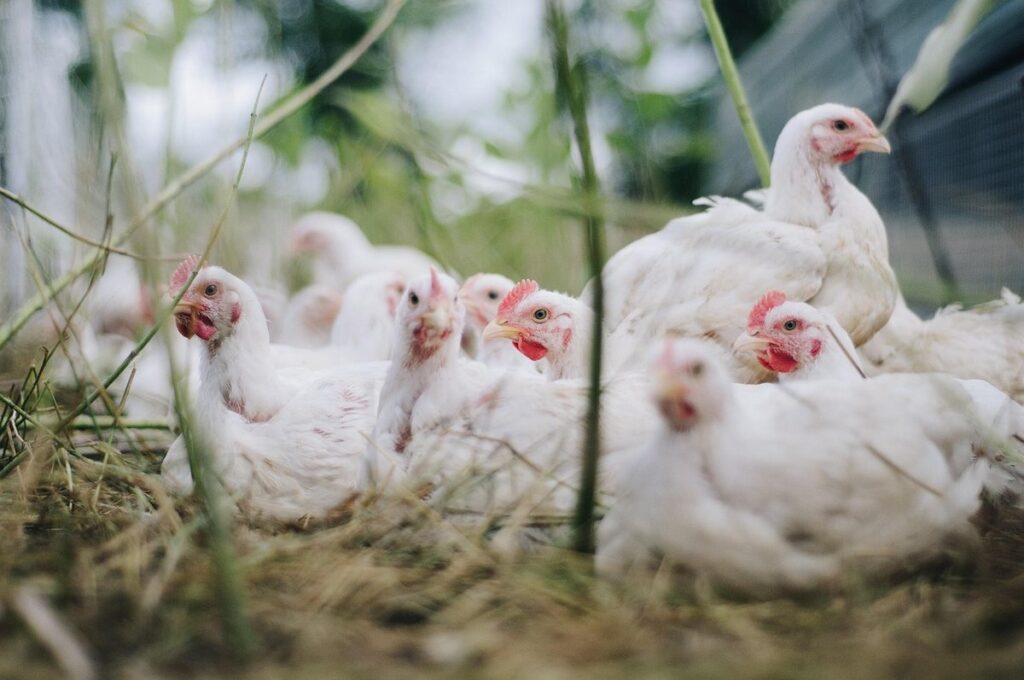
Benefits and Advantages of Mixed Poultry Flocks
By implementing a mixed poultry flock, you’ll not only save time but also create a more resilient and adaptable system for raising your birds. This section explores these benefits in detail.
Improved Disease Resistance
When you manage multiple breeds of poultry together in a mixed flock, one of the most significant benefits is improved disease resistance. This is achieved through several mechanisms that work in tandem to fortify the immune system.
Firstly, genetic diversity plays a crucial role. When different breeds are brought together, their unique genetic makeup introduces new genes into the population. These novel genes can provide enhanced protection against various diseases by encoding for different immune responses. For instance, some breeds may have a natural resistance to certain bacteria or viruses that others lack. By combining these breeds, you amplify this resilience.
Exposure to various pathogens is another key factor in building disease resistance. When birds from diverse backgrounds interact, they are exposed to an array of microorganisms and learn how to respond effectively. This cross-immunization process enhances the overall health and well-being of the flock.
In practice, introducing multiple breeds into your mixed flock can be as simple as incorporating a few heritage or specialty breeds alongside commercial strains. By doing so, you take advantage of their unique strengths and foster a more robust immune system within your flock.
Increased Efficiency and Productivity
Managing a mixed poultry flock can lead to increased efficiency and productivity, allowing you to get more out of your resources. One key benefit is reduced labor costs. With a diverse group of birds, you can spread tasks across different species, reducing the workload on individual birds. For instance, chickens are excellent foragers, while turkeys are skilled at scratching up hidden grains.
Improved resource utilization is another advantage of mixed flocks. By combining different species, you can optimize your feed conversion ratios and make the most of available space. According to a study by the University of Georgia, mixed poultry flocks outperformed single-species groups in terms of weight gain and feed efficiency. This means you’ll save on feed costs while still achieving high-quality products.
To maximize these benefits, it’s essential to research which species complement each other well and plan your flock accordingly. Consider factors like foraging habits, growth rates, and space requirements when creating a harmonious mixed poultry flock. By doing so, you’ll unlock the full potential of your farm and enjoy increased efficiency and productivity as a result.
Enhanced Nutrient Utilization
When managed correctly, mixed poultry flocks can make better use of available nutrients, reducing waste and improving overall flock performance. One key advantage is that birds in a mixed flock tend to have diverse digestive systems, allowing them to break down a wider range of feed sources.
For example, birds like ducks are able to extract more nutrients from plant-based materials than chickens, making it possible to utilize what would otherwise be wasted feed components. By incorporating ducks or geese into your mixed flock, you can significantly reduce the amount of waste produced and make better use of available resources.
This is especially beneficial for small-scale farmers who may not have access to large quantities of commercial feed. By mixing different species and breeds within a single flock, they can create a more efficient feeding system that reduces costs and minimizes environmental impact.
To maximize nutrient utilization in your mixed poultry flock, consider the following:
* Monitor the health and performance of each bird species separately
* Adjust feeding schedules to accommodate differences in digestive systems between birds
* Consider adding supplements or alternative feed sources to optimize nutrient intake
Setting Up a Mixed Poultry Flock
When setting up a mixed poultry flock, choosing compatible bird breeds is crucial to ensure harmonious coexistence and minimize potential conflicts. Selecting birds from different species can be both fun and challenging!
Choosing the Right Breeds
When it comes to setting up a mixed poultry flock, choosing the right breeds is crucial. Different breeds have unique characteristics that can impact your overall production goals. If you’re interested in egg production, for instance, you’ll want breeds like Leghorns or Rhode Island Reds, which are known for their high egg-laying capacity. On the other hand, if you’re focusing on meat production, broiler breeds such as Cornish Cross or Plymouth Rock would be a better fit.
In addition to considering your specific goals, there are several factors to keep in mind when choosing breeds. Growth rate is one key consideration – do you want breeds that mature quickly or those that take longer? Feed efficiency is another important factor; some breeds are more efficient at converting feed into usable energy, which can save you money and resources.
Temperament is also crucial, especially if you’re planning to integrate different breeds into a single flock. Some breeds, like Orpingtons, are known for their friendly nature and adaptability, while others, such as Muscovy ducks, may be more aggressive.
Age and Sex Ratio Considerations
When setting up a mixed poultry flock, it’s essential to consider the optimal age and sex ratio for a harmonious and productive flock. The first step is to determine the growth rate of each breed involved, as some birds mature faster than others. For example, Leghorns typically reach maturity in around 18-20 weeks, while heavier breeds like Orpingtons take longer, often up to 24 weeks.
To achieve a balanced sex ratio, it’s crucial to consider the reproductive status of your flock. A good rule of thumb is to maintain a minimum of one rooster for every five hens to prevent aggression and stress within the flock. However, if you’re planning to breed or hatch chicks, you’ll need to adjust this ratio accordingly.
Aim to introduce young birds (chicks or pullets) to an existing adult flock when they are around 4-6 weeks old, allowing them to integrate seamlessly into the established hierarchy. This age gap also helps prevent stress and competition for resources among the younger birds. By carefully balancing your flock’s age and sex ratio, you’ll create a more harmonious and thriving mixed poultry flock.
Housing and Equipment Requirements
When setting up a mixed poultry flock, providing suitable housing and equipment is crucial for the health, safety, and productivity of your birds. A well-designed coop will meet the needs of various species, including chickens, ducks, turkeys, and geese.
Considerations for coop design include ample space per bird (at least 2-3 square feet per chicken), adequate ventilation, insulation to regulate temperature extremes, and easy access for cleaning. Nesting boxes should be designed with a specific species in mind: usually 1 box per 5-7 hens or ducks. Ensure nesting boxes are secure, predator-proof, and located at an accessible height.
A mixed feeding system will also benefit your flock’s diversity. Consider investing in automatic feeders that dispense different types of feed to various areas of the coop. It is essential to have a backup plan in case of equipment failure, such as manual feeders or buckets with separate compartments for each species’ feed.
Managing Mixed Poultry Flocks
When it comes to managing mixed poultry flocks, integrating different species and breeds can bring unique challenges that require careful planning and consideration of their individual needs. This section will explore these complexities in-depth.
Nutritional Needs and Feeding Strategies
Managing the nutritional needs of a mixed flock can be challenging due to breed-specific requirements and nutrient interactions. Different breeds have unique nutritional profiles, and feeding them together requires careful consideration. For example, laying hens require higher calcium levels for eggshell production, while meat birds may need more protein to support muscle growth.
When feeding a mixed flock, it’s essential to consider the nutrient interactions between different species. For instance, pigs can compete with poultry for nutrients like phosphorus and potassium. To minimize this competition, you can create separate feeding areas or use feeders that allow each bird to eat without disturbance.
A well-planned feeding schedule is also crucial for meeting the nutritional needs of a mixed flock. Aim to provide 1-2% of body weight in dry matter per day, and ensure access to fresh water at all times. Consider splitting your flock into smaller groups based on age, breed, or nutrient requirements to optimize feeding efficiency. By taking these factors into account, you can create a balanced nutrition plan that supports the overall health and productivity of your mixed poultry flock.
Health Monitoring and Disease Prevention
Regular health monitoring and disease prevention are crucial components of mixed poultry flock management. A single sick bird can quickly spread illness to its healthy counterparts, causing significant losses in productivity and even threatening the entire flock’s survival. Therefore, it’s essential to establish a robust health monitoring program.
This involves conducting regular check-ups on your birds, including daily observations for signs of disease or stress. You should also collect and analyze fecal samples to monitor for internal parasites such as worms or coccidia. Vaccination protocols are another critical aspect of disease prevention. Develop a schedule that incorporates core vaccines against diseases like Newcastle Disease (ND) and Infectious Bronchitis (IB).
Parasite control measures, including mites, lice, and fleas, should also be implemented. These can include treatments with pesticides or medicated feeds. Biosecurity practices are equally important in preventing disease transmission between farms and within your own flock. Implement strict protocols for visitors, equipment disinfection, and proper waste disposal.
Developing a comprehensive health monitoring program will help you identify potential issues before they become major problems. Regularly review and update your plan to ensure it remains effective against emerging diseases.
Predator Control and Flock Protection
Protecting your mixed flock from predators is a crucial aspect of successful management. Predators such as foxes, coyotes, and hawks can cause significant losses to your flock, so it’s essential to implement effective control measures. One of the most critical components of predator control is fencing.
A sturdy perimeter fence that extends at least 3 feet below ground level and 2 feet above will prevent predators from burrowing or jumping into your enclosure. The type of material used for fencing also matters – hardware cloth, chicken wire, or electric netting are all effective options. For example, a study by the University of California found that using 4-foot-tall hardware cloth reduced predator attacks by 90%.
In addition to fencing, other methods can be employed to enhance flock protection. Netting can provide an extra layer of security for smaller areas within your enclosure, such as feeding or nesting zones. Guard animals like dogs or donkeys can also be effective in alerting you to potential threats. By combining these measures and being vigilant about monitoring your flock, you’ll significantly reduce the risk of predation and keep your birds safe.
Challenges and Considerations in Mixed Poultry Flocks
When managing a mixed poultry flock, it’s essential to consider the unique challenges that come with combining different breeds and species. This can impact everything from feeding and nutrition to health and predator protection.
Breed-Specific Challenges
When managing a mixed poultry flock, understanding breed-specific challenges is crucial to preventing behavioral issues, health problems, and performance concerns. For instance, some breeds like Leghorns are known to be prolific layers but can also be quite aggressive towards other birds. This behavior needs to be addressed through proper management techniques such as providing separate roosting areas or implementing a pecking order.
Another challenge associated with mixed flocks is health issues. Some breeds like Silkies and Polish have a higher incidence of respiratory problems due to their physical characteristics, making them more susceptible to disease. Regular health checks and vaccinations can help mitigate these risks. Performance-wise, some breeds may not adapt well to the flock’s dynamics. For example, heritage breeds like Orpingtons or Plymouth Rock may take time to adjust to the social hierarchy of the flock.
To address these breed-specific challenges, it’s essential to research the characteristics and needs of each breed before introducing them to your mixed flock. By understanding their unique requirements, you can develop strategies to prevent conflicts and maintain a harmonious and healthy flock.
Integrating New Birds into the Flock
Introducing new birds to an existing mixed flock can be a daunting task, but with careful planning and execution, it can be done successfully. The key is to consider the timing of introduction, compatibility assessment, and socialization strategies.
When introducing new birds, it’s essential to choose the right time. Avoid doing so during times of stress or change in the existing flock, such as molting or when there are new predators around. Instead, opt for a period of stability and calmness. This could be after a period of good weather or when food availability is consistent.
Before introducing new birds, assess their compatibility with the existing flock. Observe how they interact with each other at the farm gate, or in a separate enclosure, to determine if there will be any conflicts. Ensure that the birds have similar temperaments and personalities. If introducing new chickens, for example, choose breeds that are known to get along well.
Once you’ve selected compatible birds, introduce them gradually over several days, starting with visual introductions and progressing to close proximity. Monitor their behavior closely and separate them if any signs of aggression or stress arise. With patience and careful planning, your mixed flock will thrive, and new birds will become integral members of the community.
Biosecurity Risks and Prevention Measures
Managing a mixed poultry flock comes with unique biosecurity challenges. Disease transmission is a significant concern, as different species can harbor and spread various pathogens. For instance, chickens are known to carry E. coli, which can contaminate the environment and pose health risks to other birds.
Contamination is another pressing issue in mixed flocks. The presence of multiple species can lead to cross-contamination through direct contact, shared feed or water, and even airborne transmission. This increases the likelihood of disease outbreaks, such as avian influenza and Newcastle disease.
Pest infestations are also a concern in mixed poultry operations. Rodents, flies, and other pests can spread diseases and contaminate feed and water. To mitigate these risks, maintain strict cleanliness standards, use separate feeding and watering systems for each species, and implement integrated pest management strategies.
Regular monitoring of birds’ health, vaccination programs, and biosecurity protocols are essential to preventing disease outbreaks. This may involve implementing all-in/all-out production systems, where entire flocks are moved in and out of the facilities at once, reducing cross-contamination risks.
Mixed Poultry Flock Management Best Practices
When managing a mixed poultry flock, it’s essential to implement best practices that balance the needs of different species, ensuring their health and productivity.
This section will cover key considerations for integrating various breeds, creating a harmonious coop environment, and preventing potential conflicts.
Record Keeping and Data Analysis
Maintaining accurate and detailed records is crucial for mixed poultry flock management. These records serve as a valuable tool for monitoring production data, health metrics, and management decisions. By keeping track of key performance indicators (KPIs) such as egg production rates, feed consumption, and mortality rates, farmers can identify areas for improvement and make informed decisions.
For instance, accurate records will help you track the efficacy of your vaccination programs and implement adjustments accordingly. This might include noting the type and date of vaccinations administered, as well as monitoring flock health post-vaccination. Similarly, detailed records on feed intake and egg production rates enable farmers to optimize their feeding strategies and breeding plans.
It’s also essential to collect and analyze data on flock behavior, including pecking order, social dynamics, and stress indicators. This information can help you identify potential issues before they escalate into major problems. By regularly reviewing your records and analyzing the data, you’ll be able to pinpoint areas that require improvement and make targeted adjustments to optimize your mixed poultry flock’s performance.
Ongoing Training and Education
In today’s rapidly evolving mixed poultry flock management landscape, it is essential to prioritize ongoing training and education. As new research emerges, best practices are refined, and industry trends shift, staying informed can make all the difference in optimizing your operations.
To stay ahead of the curve, commit to regular workshops, conferences, and online courses that focus on mixed poultry flock management. Attend webinars and seminars where you can network with other professionals and learn from experts in the field. Stay up-to-date with industry publications and online forums where you can engage with peers and share knowledge.
Moreover, consider partnering with a mentor or experienced producer to gain hands-on insights into best practices. This will not only provide a deeper understanding of mixed poultry flock management but also help address specific challenges unique to your operation.
Set aside time each month to review new research findings, industry reports, and emerging trends. Allocate resources for relevant training programs, workshops, and conferences that can further enhance your skills.
Continuous Monitoring and Improvement
Regular monitoring and improvement efforts are essential to optimizing flock performance, addressing challenges, and maintaining a competitive edge in mixed poultry flock management. By implementing a continuous monitoring system, you can identify areas of improvement and make data-driven decisions to drive productivity.
This includes tracking key performance indicators (KPIs) such as feed conversion ratios, mortality rates, and egg production. Additionally, monitoring environmental factors like temperature, humidity, and lighting can help prevent issues related to heat stress or other comfort-related problems in the flock.
You should also schedule regular health checks with a veterinarian to identify potential disease outbreaks early on and implement corrective actions before they become major issues. This proactive approach will help you maintain high-quality products while minimizing economic losses due to disease or injury.
By prioritizing continuous monitoring and improvement, you can optimize your mixed poultry operation’s performance, stay ahead of the competition, and ensure a sustainable business model for years to come.
Case Studies and Examples of Successful Mixed Poultry Flocks
Let’s take a look at real-world examples that demonstrate the benefits and challenges of managing mixed poultry flocks, including successes and setbacks. These case studies offer valuable insights for your own flock management.
Real-World Applications and Success Stories
In reality, mixed poultry flocks have been successfully managed on small-scale farms and homesteads around the world. For instance, a study by the University of Arkansas found that farmers who kept mixed flocks of chickens, ducks, and turkeys experienced improved overall health and reduced mortality rates compared to those with single-species flocks.
One key factor contributing to success in mixed poultry flock management is diversity. By combining different species, you can create a more resilient and adaptable ecosystem that’s better equipped to handle pests, diseases, and environmental stressors. For example, chickens can help control tick populations by eating them, while ducks can provide pest control through their foraging behavior.
To replicate this success on your own farm or homestead, consider the following tips:
• Choose species that complement each other in terms of nutritional requirements and space needs.
• Provide a balanced diet that meets the unique needs of each species.
• Ensure adequate shelter and protection from predators to prevent stress and injury.
By implementing these strategies and learning from real-world examples, you can create a thriving mixed poultry flock that provides fresh eggs and meat for your family while also promoting a healthier environment.
Lessons Learned from Failed or Challenged Operations
When managing mixed poultry flocks, it’s essential to learn from others’ experiences, both successful and unsuccessful. Analyzing failed or challenged operations can provide valuable insights into common pitfalls and areas for improvement.
For instance, a study on intensive mixed poultry production revealed that overcrowding was the primary reason for disease outbreaks in several farms. Overcrowding leads to stress, which weakens the birds’ immune systems, making them more susceptible to diseases. To avoid this pitfall, it’s crucial to maintain adequate space per bird and ensure proper ventilation.
Another common challenge is nutritional imbalance, often resulting from inadequate feeding strategies. A case study on a farm that transitioned to mixed poultry flock management reported issues with feather pecking due to an incorrect nutrient-to-energy ratio in the feed. To prevent this, it’s vital to work closely with a nutritionist to develop a customized feeding plan.
Additionally, neglecting biosecurity measures can also lead to operational challenges. A study found that farms with inadequate sanitation and hygiene practices were more likely to experience disease outbreaks. Therefore, establishing robust biosecurity protocols is critical for maintaining the health of your mixed poultry flock.
Frequently Asked Questions
How Do I Balance Breed Selection with Biosecurity Risks?
When introducing new breeds to a mixed poultry flock, it’s essential to weigh the benefits of genetic diversity against potential biosecurity risks. A general rule is to introduce no more than 2-3 new breeds at a time and monitor their performance and health closely. Consider quarantining new birds for 30 days before integrating them into the main flock.
What Happens If One Breed Dominates the Flock’s Health or Productivity?
To prevent this, establish clear breed selection criteria based on your operation’s specific needs and goals. You can also implement measures like culling or separating dominant breeds to maintain balance within the flock.
Can I Start with a Small Mixed Poultry Flock and Scale Up Later?
Yes, starting small allows you to refine your management strategies and make adjustments before scaling up. Begin with 1-2 breeds and gradually introduce more as you gain experience and confidence in managing your mixed flock.
How Do I Manage Age and Sex Ratios Within My Mixed Poultry Flock?
To ensure optimal growth rates and reduce competition for resources, maintain a balanced age and sex ratio. Typically, this means having a mix of young birds (pullets) and older layers, as well as males to females (3:5 or 1:2). Adjust these ratios based on breed-specific requirements and your operation’s needs.
What Are Some Common Mistakes to Avoid When Implementing Mixed Poultry Flock Management?
Common pitfalls include underestimating biosecurity risks, neglecting nutritional needs of specific breeds, and failing to monitor health closely. Regularly review your management strategies and make adjustments as needed to ensure the success of your mixed poultry flock.