
As a bird enthusiast or backyard wildlife watcher, you’re likely eager to provide a safe haven for your feathered friends. One crucial aspect of creating a welcoming environment is choosing the perfect spot for nesting boxes. But have you ever wondered why sunlight exposure and predator proximity are essential considerations? Not only do they impact the box’s effectiveness, but also the safety and well-being of the birds that will call it home. In this article, we’ll guide you through the process of selecting an ideal location for your nesting boxes, covering installation tips, maintenance best practices, and troubleshooting common issues like reduced activity or abandoned nests. By following our expert advice, you can help ensure a happy, healthy nesting season for your birds.
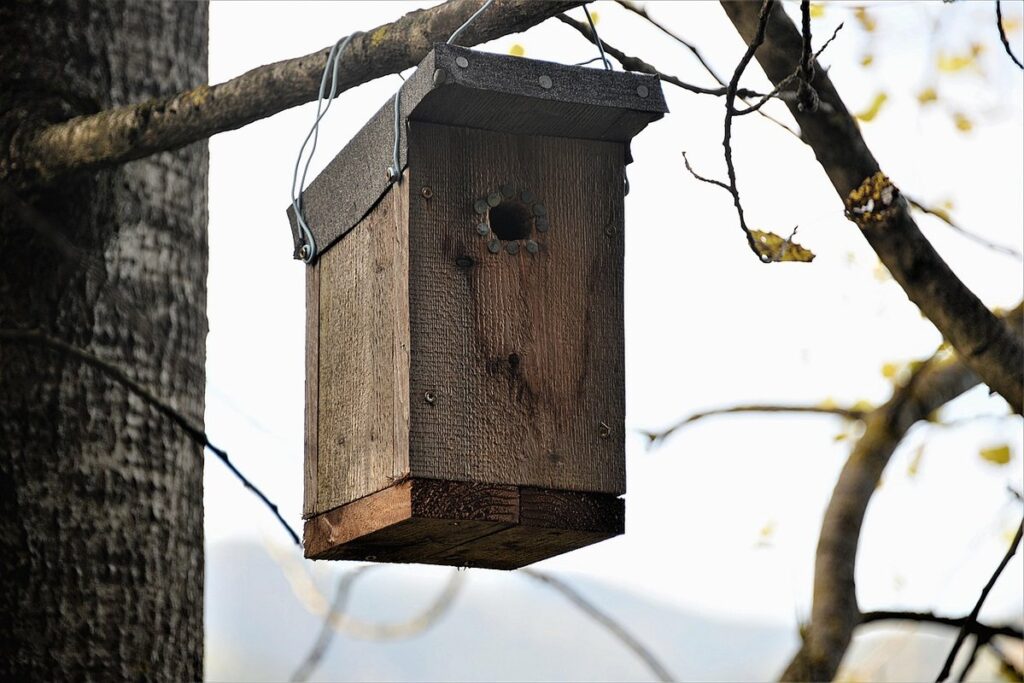
Choosing the Right Location for Your Nesting Boxes
When it comes to choosing a spot for your nesting boxes, location is crucial to ensure the birds feel safe and secure in their new home. Let’s explore the key factors to consider when selecting a prime real estate.
Factors to Consider Before Installation
When deciding where to place your nesting boxes, it’s essential to consider several key factors that can impact their success. Sunlight exposure is crucial for the health and fertility of birds. Avoid placing boxes in areas that receive direct sunlight for most of the day, as this can cause the internal temperature to rise, making it uncomfortable for birds.
Proximity to predators is another vital consideration. Place nesting boxes at least 10-15 feet away from potential predators such as cats, raccoons, and hawks. This will give birds a safe haven to nest without being vulnerable to predation. Accessibility for maintenance is also crucial. Ensure that the nesting box is easy to reach for cleaning and inspection.
Consider the surrounding vegetation and ensure it doesn’t obstruct access to the box or create a hiding spot for predators. By taking these factors into account, you can increase the chances of successful breeding and reduce the risk of predation. Remember, proper placement of your nesting boxes is key to their overall success.
Avoiding Overcrowding and Competition
When placing multiple nesting boxes in close proximity to each other, it’s essential to consider the risks of overcrowding and competition among birds. Research has shown that when nest boxes are too close together, it can lead to a decrease in successful breeding attempts.
This is because competing birds will often fight over the same box, causing stress and potentially driving away potential parents. For instance, a study on blue tit nesting boxes found that placing two boxes just 1.5 meters apart led to significantly lower breeding success rates compared to boxes placed 10 meters apart.
To avoid overcrowding and competition, it’s recommended to space nest boxes at least 7-10 meters apart. This allows birds to establish their territories without feeling the need to compete for a nesting box. By providing adequate spacing, you can increase the chances of successful breeding attempts and promote a healthy bird population in your area.
Considerations for Different Bird Species
When choosing a location for your nesting boxes, it’s essential to consider the specific needs of the bird species you’re trying to attract. Different breeds have unique requirements when it comes to nesting box placement, and failing to meet these needs can lead to low occupancy rates or even damage to the surrounding environment.
For example, bluebirds and swallows prefer open areas with short grass and few obstructions, while woodpeckers and nuthatches require a denser forest setting. In contrast, wrens and sparrows are often found in more urban environments and can thrive in backyards with a mix of trees and shrubs.
Consider the size of the nesting box as well – some species, like chickadees and titmice, prefer smaller boxes, while others, such as robins and doves, require larger ones. When placing your nesting boxes, aim to create a diverse range of microhabitats that cater to different bird species’ needs, ensuring a thriving community in your backyard.
Keep in mind that local regulations may also apply – be sure to check with your local wildlife authorities to ensure you’re meeting any specific requirements for the bird species present in your area.
Types of Nesting Boxes and Their Placement Requirements
When choosing a nesting box, it’s essential to consider the type that suits your backyard best. We’ll break down the different types and their unique placement requirements for optimal success.
Vertical vs. Horizontal Orientation
When it comes to placing nesting boxes, one crucial decision is whether to install them vertically or horizontally. Each orientation has its pros and cons that can affect the overall success of your nesting box placement.
A vertical nesting box installation takes up less space and allows for more efficient use of real estate in a backyard breeder’s setup. This design also provides better protection from the elements, as rainwater can run off the roof rather than accumulating at the entrance. However, it may be challenging to clean and inspect nests installed vertically.
On the other hand, horizontal nesting boxes are often preferred by bird enthusiasts for their ease of access. They allow for easier cleaning and monitoring of eggs without having to disassemble the box. Furthermore, they can accommodate birds with specific nesting preferences. For example, robins tend to favor horizontal entrance positions that provide a clear escape route.
Consider your available space and the type of birds you’re attracting when deciding on the orientation of your nesting boxes.
Single-Entry vs. Multi-Entry Boxes
When it comes to choosing the right nesting box for your backyard birds, one of the key considerations is whether to opt for a single-entry or multi-entry design. Each type has its advantages and disadvantages that you should be aware of.
Single-entry boxes are simple and straightforward, providing a single entrance point for the birds. This can offer better predator protection as potential threats such as snakes, raccoons, and cats only have one entry point to contend with. However, this simplicity comes at the cost of ease of cleaning. With just one opening, it can be more challenging to clean out the nesting box thoroughly.
Multi-entry boxes, on the other hand, offer multiple openings for the birds to enter and exit from different directions. While this design can make it easier to clean out debris and droppings, it also increases the risk of predators gaining access to the nest. As a general rule, multi-entry boxes should be reserved for species that are particularly vulnerable to predator attacks.
Ultimately, the choice between single-entry and multi-entry nesting boxes will depend on your specific bird species, local wildlife conditions, and personal preferences.
Nesting Box Size and Depth Requirements
When it comes to installing nesting boxes, one of the most critical factors is ensuring they are the right size for the species you’re trying to attract. Different bird species have unique requirements when it comes to nesting box size and depth.
For example, bluebirds typically require a box that’s around 6-8 inches deep, with an entrance hole of about 2.5 inches in diameter. This allows them to comfortably fit inside and build their nests. On the other hand, chickadees and wrens prefer boxes that are more compact, around 4-6 inches deep.
It’s essential to consider the species’ natural nesting habits when selecting a nesting box size. A general rule of thumb is to choose a box that’s at least 2/3 the bird’s body length in depth. This will ensure they have enough space to move around and build their nests comfortably.
Keep in mind that using a one-size-fits-all approach can be detrimental, as some species may not use boxes that are too large or small for them. Be sure to research the specific nesting box requirements for the bird species you’re trying to attract, and install multiple boxes of varying sizes to cater to different preferences.
Installation Tips and Safety Precautions
Before you start placing that new nesting box, make sure you read these essential installation tips and safety precautions to ensure a safe and successful nesting experience for your birds. Follow these guidelines carefully to avoid any potential issues.
Mounting Options for Different Surfaces
When it comes to mounting nesting boxes on different surfaces, it’s essential to ensure a secure and stable installation. For wooden surfaces, you can use screws or nails specifically designed for outdoor use. Make sure the wood is dry and free of rot before attaching the box.
For metal surfaces like fences or railings, consider using wire ties or cable clips to securely fasten the nesting box. This will prevent any damage to the surface and ensure the box remains in place.
Brick surfaces can be more challenging due to their texture and weight. To mount a nesting box on brick, you’ll need a masonry anchor specifically designed for this purpose. These anchors provide extra grip and hold the box firmly in place.
Regular maintenance and inspections are crucial to ensure the nesting box remains securely attached over time. Check the mounting system periodically to make sure it hasn’t loosened due to weather conditions or wear and tear.
Preventing Nesting Box Damage from Weather Conditions
When it comes to installing nesting boxes, protecting them from harsh weather conditions is crucial for their longevity and effectiveness. Extreme temperatures, heavy rainfall, and strong winds can all take a toll on the box’s integrity, leading to damage and potentially even rendering it unusable.
To prevent such damage, consider placing your nesting boxes in a sheltered location that provides some protection from direct sunlight, rain, and wind. A north-facing wall or under a tree canopy are great options. If this isn’t feasible, you can also opt for a more robust nesting box design made from durable materials like cedar or recycled plastic.
Another effective way to protect your nesting boxes is by adding a roof or overhang to the box itself. This will not only provide an extra layer of protection against rain and sun but also help keep predators out. You can also add ventilation to ensure that air circulates within the box, preventing moisture buildup and potential mold growth.
Regular maintenance is also essential in ensuring your nesting boxes withstand harsh weather conditions. Check on them regularly for signs of damage or wear and tear, and make any necessary repairs promptly. By taking these precautions, you’ll be able to enjoy a successful breeding season while minimizing maintenance tasks down the line.
Monitoring and Maintaining Your Nesting Boxes
Regular maintenance of nesting boxes is crucial for their longevity and optimal performance. Let’s dive into how to monitor and maintain your nesting boxes to keep them in top condition.
Regular Cleaning and Inspection Schedule
Regular cleaning and inspection of your nesting boxes is crucial to ensure they remain safe and healthy for the birds. A recommended schedule is to clean the boxes every 1-2 weeks during breeding season, and at least once a month outside of breeding season. Inspect the boxes more frequently, ideally after each use or storm.
When inspecting, look for signs of wear, damage, or pest infestations. Check for torn or loose roof vents, damaged wood, or holes in the walls. Remove any debris, droppings, or nesting material that may have accumulated. Clean the inside with a soft brush and mild detergent, and disinfect the entrance and surrounding area.
Repair or replace any damaged components promptly to prevent further damage and maintain the box’s integrity. Consider performing a thorough cleaning at the end of each breeding season to prepare the boxes for the next year. By sticking to this schedule, you’ll be able to identify issues early on and ensure your nesting boxes remain in good condition.
Recording Bird Activity and Breeding Success
Recording bird activity and breeding success rates is crucial to understand what’s working well with your nesting boxes. To start tracking this information, keep a bird journal or log specifically for each box. Note down the date of first egg laying, number of eggs laid, and the eventual outcome (success or failure). This will give you valuable insights into factors such as breeding frequency, clutch size, and hatching rates.
You can also use a nesting box monitoring kit, which usually includes items like a camera to monitor the box from inside, a thermometer for temperature control, and an egg counter. These tools allow for real-time data collection and help identify any challenges or opportunities for improvement.
By regularly reviewing your records, you’ll be able to pinpoint what’s working well and where there’s room for enhancement. This will enable informed decisions about nesting box placement, maintenance, and possibly even introducing new species. Remember, this process is a learning curve, but with consistent recording and analysis, you can refine your techniques and maximize breeding success rates in the long run.
Troubleshooting Common Nesting Box Issues
We know things don’t always go as planned, so let’s tackle some common nesting box problems and find solutions to get your birds thriving again.
Addressing Predator Problems
When it comes to setting up nesting boxes in your backyard, one of the most significant challenges you may face is dealing with predators that target them. Birds are a natural food source for many animals, and if they’re aware of an easy meal, they’ll do their best to get to it. Common predators of nesting boxes include snakes, raccoons, cats, squirrels, and birds of prey like hawks or owls.
To prevent predator problems, it’s essential to take proactive measures. Start by choosing a location for your nesting box that is safe from common predators. If you have a history of snake or raccoon sightings in your yard, avoid placing the box near these areas. Additionally, consider using physical deterrents such as hardware cloth or fine-mesh netting to cover the entrance and any nearby perches.
Another effective method is to use visual deterrents like shiny reflective tape or predator decoys. These can be placed around the nesting box to scare away potential predators without harming them. By implementing these measures, you’ll significantly reduce the likelihood of predators targeting your nesting boxes and give your birds a safe place to nest.
Identifying and Resolving Breeding Challenges
Identifying and resolving breeding challenges is crucial for backyard breeders to ensure successful hatching rates. One common issue related to nesting box placement is temperature control. If the nesting box is too hot or cold, it can affect egg fertility and incubation success. For example, a study on Mourning Dove nests found that temperatures between 97°F and 103°F (36°C-39°C) resulted in higher hatching rates compared to boxes with extreme temperatures.
To resolve this issue, ensure the nesting box is placed in an area with moderate temperatures. You can also use insulation or shading materials to regulate the temperature inside the box. Regularly monitoring the temperature using a thermometer will help you make necessary adjustments.
Another challenge is related to humidity levels. If the box is too dry, eggs may not develop properly, leading to poor fertility and hatching rates. Maintain humidity by placing the nesting box near a water source or using a humidifier nearby.
Frequently Asked Questions
Can I install multiple nesting boxes for different bird species in the same location?
When planning to accommodate various bird species, it’s essential to consider their specific needs and preferences. Installing separate boxes for each species can be beneficial, but ensure they’re placed far enough apart to prevent overcrowding and competition. Research the particular requirements of your target species and consult with experts if necessary.
How often should I inspect and clean my nesting boxes?
Regular cleaning and inspection are crucial for maintaining a healthy environment within your nesting boxes. Schedule inspections every 1-2 weeks during peak breeding seasons, removing soiled bedding material and debris to prevent disease spread. Clean the exterior of the box annually to maintain its overall condition.
Can I use nesting boxes in areas with extreme weather conditions?
Nesting boxes can be adapted for various climates and weather conditions. However, it’s crucial to consider the specific needs of your target species and select materials suitable for your local environment. For example, using durable, weather-resistant materials like cedar or recycled plastic can help mitigate damage from harsh weather.
What’s the ideal height for mounting nesting boxes?
The optimal height for installing nesting boxes depends on the bird species you’re trying to attract. Generally, boxes should be mounted between 3-10 feet off the ground, taking into account any nearby obstacles that may impact accessibility or predator activity. Consult with experts or research specific guidelines for your target species.
Can I reuse nesting box materials from old boxes?
While some parts of an old nesting box might still be usable, it’s generally not recommended to reuse materials due to potential health risks and reduced effectiveness. Consider replacing all components when installing a new box to ensure optimal performance and minimize the risk of disease transmission.