
Orpington chickens are one of the most popular backyard chicken breeds, and for good reason. Their gentle nature, attractive plumage, and rich history make them a favorite among chicken enthusiasts. But with so many breeds to choose from, it can be hard to know if an Orpington is right for you.
In this article, we’ll delve into the world of Orpingtons, exploring their origins, characteristics, and care requirements. We’ll cover everything from their temperament and health needs to showing and breeding best practices. Whether you’re a seasoned chicken owner or just starting out, this guide will provide you with the knowledge you need to raise happy and healthy birds. With expert advice on how to keep your Orpingtons thriving, you’ll be well on your way to enjoying the benefits of owning these beloved chickens.
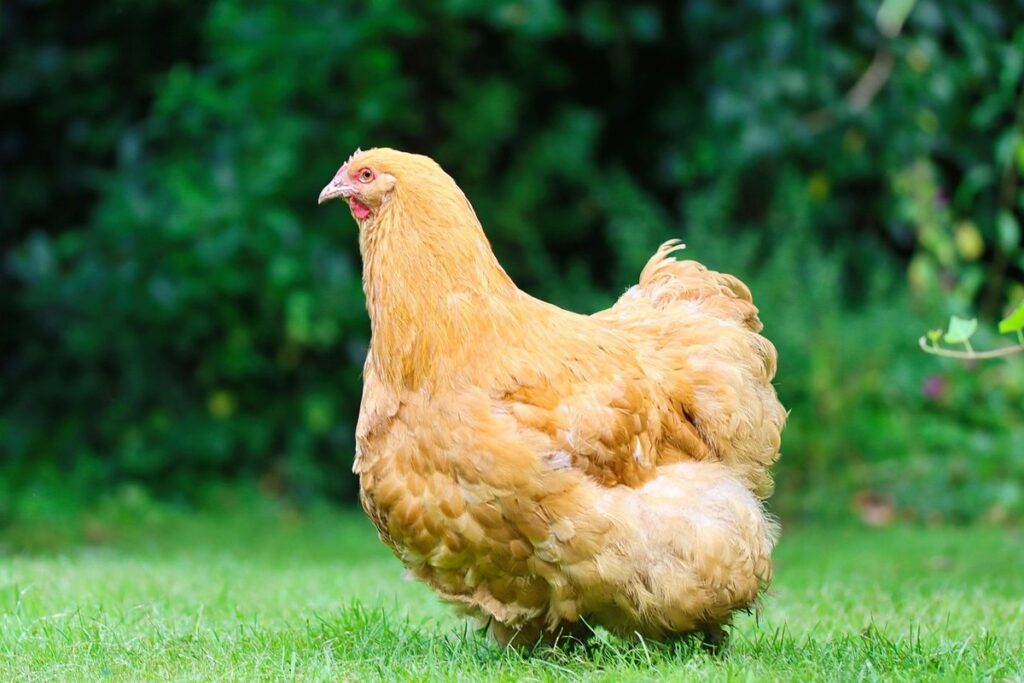
History and Origins of Orpington Chickens
The Orpington breed has a rich history, dating back to the late 19th century when it was developed in England from various bird stock. Let’s take a closer look at how this beloved breed came to be.
The Story Behind the Name: Where Did Orpington Come From?
The Orpington breed’s origins can be traced back to 1886 when William Cook of Orpington, England, began breeding a new type of chicken. Cook’s goal was to create a bird that combined the desirable traits of different breeds, such as the softness and size of the Langshan, the calm temperament of the Brahma, and the egg-laying ability of the Plymouth Rock.
As Cook experimented with various combinations, he bred a flock of birds that eventually became known as the Orpington. The breed quickly gained popularity due to its striking appearance, docile nature, and impressive egg production. In fact, it’s said that an Orpington hen can lay up to 200 large brown eggs per year.
The name “Orpington” itself is a nod to William Cook’s hometown of Orpington in Kent, England. Today, the breed remains one of the most recognizable and beloved chicken breeds worldwide, prized for its gentle nature and stunning appearance. If you’re considering bringing an Orpington into your flock, be prepared for a lifelong friendship – they’re known to form strong bonds with their owners!
Early Development and Standardization of the Breed
In the late 1800s, William Cook, an English breeder, set out to create a new chicken breed that would be a cross between the Old English Game Fowl and other local breeds. He wanted to produce a bird that was not only beautiful but also had excellent egg-laying capabilities. The result of his efforts was the Orpington Chicken, named after the town of Orpington in Kent, England.
Initially, the breed was known for its distinctive golden-brown plumage and friendly temperament. Cook’s birds were bred to be robust and easy to manage, with a focus on egg production rather than meat quality. This early development laid the foundation for the modern Orpington Chicken we know today. As the breed gained popularity, efforts began to standardize its characteristics.
In 1894, the first breed standard was established by the Poultry Club of Great Britain, which outlined the ideal characteristics of an Orpington Chicken, including size, weight, and plumage color. This marked a significant milestone in the breed’s development and paved the way for its widespread adoption as a popular backyard chicken variety. Today, Orpington Chickens come in several color varieties, but their friendly nature and excellent egg-laying abilities remain unchanged from Cook’s original vision.
Characteristics and Temperament of Orpington Chickens
Orpington chickens are known for their friendly, gentle nature, which makes them a great choice for families with children or as pets in backyard flocks. Let’s dive into what makes these birds so lovable and easy-going.
Physical Characteristics: Size, Feathers, and Plumage
Orpingtons are known for their stunning physical characteristics, which make them one of the most recognizable and beloved breeds. When it comes to size, Orpingtons can range from small bantams to large standard birds, but the most common size is the medium-sized Orpington, weighing in at around 8-10 pounds.
When it comes to feathers, Orpingtons have a beautiful, fluffy plumage that’s perfect for cold climates. They come in a variety of feather types, including soft and silky, with long and flowing feathers on their necks and tails. In terms of plumage patterns, Orpingtons are available in a range of colors, including black, blue, buff, chocolate, lavender, white, and splash.
If you’re looking to add an Orpington to your flock, it’s essential to consider the feather type that best suits your needs. For example, if you live in a cold climate, a bird with long and flowing feathers will help keep them warm and cozy. On the other hand, if you live in a hot climate, a bird with shorter feathers may be more suitable.
When selecting an Orpington, look for birds with well-developed feathers that are free from matted or tangled areas. This will not only ensure their health and happiness but also make them easier to care for.
Temperament and Personality Traits
Orpingtons are renowned for their gentle nature and pleasant disposition. This breed is often described as docile, friendly, and adaptable, making them an excellent choice for families with children or first-time chicken keepers. Their calm temperament allows them to thrive in various living situations, from urban backyards to rural farms.
One of the key characteristics of Orpingtons is their ability to get along with other birds, even those that are not part of the same flock. This makes them an excellent addition to existing poultry collections or communal coops. However, it’s essential to introduce new birds slowly and under close supervision to ensure a smooth transition.
Orpingtons also tend to be relatively low-maintenance pets when it comes to noise levels. They are quiet birds that don’t often vocalize excessively, making them suitable for homeowners with noise restrictions or those who prefer a peaceful environment.
Types of Orpington Chickens: Varieties and Sub-Breeds
Let’s explore the many wonderful varieties that make up the Orpington family, from the gentle Buff to the striking Black Jacob.
This section delves into the different sub-breeds and variations of Orpington chickens, each with its own unique characteristics.
Black Orpingtons: History, Characteristics, and Uses
The Black Orpington is one of the most recognizable and beloved breeds among chicken enthusiasts. Originating in England in the late 19th century, this variety was developed from a cross between the Langshan and the Black Spaniel games fowl, with the goal of creating a bird that excelled in both egg-laying and meat production.
Physically, Black Orpingtons are known for their stunning appearance. They have glossy black feathers, a pinkish-beige comb, and a rich, golden sheen to their legs and feet. Adult birds typically weigh between 8-12 pounds and stand about 22 inches tall. Their calm demeanor makes them an excellent choice as family pets or show birds.
As a breed, Black Orpingtons are prolific egg-layers, producing around 200 large brown eggs per year. In the kitchen, their rich, meaty flavor makes them a popular choice for slow-cooked roasts and stews. If you’re planning to raise Black Orpingtons, be prepared for their friendly nature – they’ll often follow you around the yard in search of treats!
Blue Orpingtons: Origin, Features, and Popularity
The Blue Orpington is one of the most beloved varieties among backyard chicken enthusiasts. Its rich, iridescent blue plumage and friendly demeanor have captivated many who are new to raising chickens. But where did this stunning breed originate? The Blue Orpington was developed in the late 19th century by breeding black Orpingtons with a combination of other dark-feathered breeds.
One of the standout features of the Blue Orpington is its unique skin and eggshell coloration. While many blue-breeds lay white eggs, the Blue Orpington lays light-brown or pale pink eggs due to their high concentration of melanin. This makes them a great choice for those looking to incorporate a bit of variety into their egg-laying operation.
If you’re considering adding Blue Orpingtons to your flock, be prepared to fall in love with their gentle nature and affectionate personalities. They are excellent mothers, often going to great lengths to care for their chicks. In terms of popularity, the Blue Orpington is one of the top three most sought-after breeds among backyard chicken keepers today, making it a fantastic choice for those looking to start or expand their flock.
Health and Grooming Needs of Orpington Chickens
When it comes to owning Orpington chickens, understanding their health and grooming needs is crucial for keeping your flock happy and healthy. Let’s dive into the specifics of caring for these beautiful birds.
Common Health Issues Affecting Orpingtons
As an Orpington owner, it’s essential to be aware of the potential health issues that can affect this beloved breed. While generally a hardy and robust chicken, Orpingtons are prone to several common health problems.
Obesity is one of the most significant concerns for Orpington owners. These birds have a tendency to overeat, particularly if they’re not provided with adequate exercise and mental stimulation. A diet rich in protein and fiber, combined with regular foraging opportunities, can help prevent obesity. However, it’s crucial to monitor their food intake and ensure that they’re getting enough physical activity.
Respiratory problems are also common among Orpingtons, particularly in hot or humid climates. This breed is sensitive to heat stress, so it’s vital to provide adequate ventilation, shade, and cooling measures during the warmer months. Regular dust baths can also help keep their respiratory system healthy.
Feather pecking, another issue affecting Orpingtons, often arises from boredom or lack of stimulation. To prevent feather pecking, provide a variety of toys and activities, such as foraging puzzles, scratching posts, and perches. Rotate these items regularly to keep your flock engaged and active.
Grooming and Maintenance Tips for Orpingtons
When it comes to grooming and maintenance for Orpingtons, it’s essential to establish a routine that addresses their specific needs. One crucial aspect is nail trimming – Orpingtons can develop overgrown nails if left unattended, leading to discomfort and health issues. Trim your Orpington’s nails every 4-6 weeks using a good pair of nail clippers specifically designed for chickens.
Beak maintenance is another vital aspect of Orpington care. As they age, their beaks may become overgrown or cracked. To prevent this, offer your Orpingtons cuttlebone or mineral blocks to chew on – these will help wear down their beaks naturally. You can also gently file the edges with a beak trimmer if necessary.
In addition to nail and beak care, it’s crucial to keep the coop clean and well-ventilated. Remove soiled bedding material regularly and replace it with fresh straw or pine shavings. Ensure good airflow by installing windows or vents in your coop. A regular cleaning schedule will help prevent health issues like respiratory problems and mites.
Raising Orpington Chickens: Tips and Best Practices
If you’re considering bringing home adorable Orpington chicks, this is where you’ll find expert advice on how to care for them. From feeding and health tips to setting up a happy coop, we’ve got you covered.
Choosing the Right Orpington Chickens for Your Flock
When choosing Orpington chickens for your flock, it’s essential to select healthy, high-quality chicks or pullets from reputable breeders. A reputable breeder will provide you with accurate information about the chicken’s ancestry, temperament, and health guarantees.
Start by researching local breeders who specialize in Orpingtons. Look for breeders who are transparent about their breeding practices, provide regular updates on your chick’s development, and offer a health guarantee. You can also ask for references from other customers or check online reviews to ensure the breeder has a good reputation.
When selecting chicks or pullets, look for those that are active, alert, and have clear eyes. Avoid birds with labored breathing, discharge around their beak or nostrils, or visible signs of injury. Consider purchasing from breeders who offer sexed chicks or pullets to ensure you’re getting the right mix of males and females for your flock.
Remember, investing in high-quality chickens will pay off in the long run by providing a healthier, more productive flock.
Housing and Nutrition Requirements for Orpingtons
When it comes to housing and nutrition requirements for Orpingtons, there are several key considerations to keep in mind. These gentle giants need plenty of space to roam, so a minimum of 2-4 square feet per bird is recommended inside the coop, with at least 8-10 square feet of outdoor space per bird.
The coop itself should be well-ventilated and predator-proof, with nesting boxes provided for each female. Orpingtons are also prone to obesity, so it’s essential to provide a balanced diet that meets their nutritional needs. A high-quality layer feed that includes around 16% protein is ideal, supplemented with fresh fruits and vegetables daily.
In terms of coop design, consider incorporating features like perches, roost bars, and a dust bathing area to promote natural behavior. Don’t forget to provide easy access for cleaning and maintenance – Orpingtons can be messy birds! By meeting their housing and nutritional needs, you’ll be well on your way to raising happy, healthy Orpington chickens.
Some breeders recommend adding supplements like calcium and probiotics to the feed, especially during molting season. Consult with a veterinarian or experienced breeder for personalized advice on caring for your Orpington flock.
Showing and Breeding Orpington Chickens: A Beginner’s Guide
If you’re new to raising Orpingtons, learning how to show and breed them can be a fun and rewarding experience. In this section, we’ll walk you through the basics of getting started.
Understanding the Rules and Regulations of Chicken Shows
Before entering the world of Orpington chicken shows, it’s essential to understand the rules and regulations that govern these events. Each poultry association has its own set of guidelines, but most follow similar breed standards and judging criteria.
To get started, familiarize yourself with the American Poultry Association (APA) or the British Poultry Standards, as they are two of the most widely recognized authorities in the industry. These organizations dictate the breed standards for Orpington chickens, including their size, plumage, temperament, and overall conformation.
When preparing your birds for a show, pay attention to details such as feather quality, beak shape, and egg-laying ability (for certain classes). Judges will also evaluate the bird’s movement, stance, and overall appearance. Research specific breed standards for Orpington chickens to ensure you’re meeting the requirements.
For example, in the APA’s breed standard, Orpington hens are described as having a “gentle disposition” and being of medium size. They must have a clean, well-feathered neck, with no signs of bare skin or scrawny feathers. Knowing these standards will help you select the best birds for your show and increase your chances of success.
Tips for Raising Show-Quality Orpingtons
When it comes to raising Orpingtons with show potential, breeders must prioritize selective breeding, nutrition, and health management. Start by evaluating the quality of your flock and identifying birds that possess desirable traits such as good feathering, compact bodies, and gentle disposition.
Selective breeding is crucial in producing show-quality Orpingtons. This involves mating birds with outstanding characteristics to produce offspring with improved features. For example, if you’re looking for a bird with exceptional comb quality, pair it with a breeder that excels in this area. Feed your birds a high-quality diet rich in protein and nutrients essential for growth and development. Ensure access to fresh water at all times.
Regular health checks are also vital in maintaining the well-being of your flock. Regularly inspect your birds’ eyes, beaks, and combs for signs of disease or injury. Practice good biosecurity measures such as disinfecting equipment and isolating new additions to prevent the spread of diseases. With dedication and careful planning, you can raise Orpingtons that excel in the show ring.
When selecting breeding stock, consider factors like temperament, egg-laying ability, and feather quality. Ensure you’re buying from reputable breeders who prioritize health and genetic diversity.
Conclusion: Why Orpington Chickens Make Great Pets or Backyard Flocks
In conclusion, Orpington chickens are an excellent choice for anyone looking to start a backyard flock or add some feathered friends to their family. Their friendly and docile nature makes them a great fit for families with children, as they’re easy to handle and will often follow you around the yard. Plus, their size is just right – not too big, not too small – making them a perfect addition to any backyard or farm. With proper care and attention, Orpingtons can live up to 10-12 years, providing countless hours of entertainment and companionship.
Whether you’re a seasoned chicken owner or a beginner, Orpingtons are a versatile breed that’s sure to bring joy and laughter to your life. So why not consider bringing some of these lovable birds into your family today?
Frequently Asked Questions
Can I raise Orpington chickens with other breeds, or do they prefer to be alone?
Yes, Orpingtons are known for their friendly and docile nature, making them a great addition to any mixed flock. However, as with any breed, introducing new birds requires careful planning and observation to ensure a smooth transition. Start by introducing birds of similar size and temperament to your Orpingtons, and monitor their behavior closely.
How often should I trim the feathers on my Orpington’s tail?
The feathered tails of Orpington hens can be prone to matting and tangling. It’s recommended to trim the feathers every 6-8 weeks to prevent these issues. Use sharp clippers specifically designed for trimming chicken feathers, and avoid cutting too much at once to prevent shock.
What are some common health issues I should watch out for in my Orpington flock?
Some of the most common health issues affecting Orpingtons include obesity, respiratory problems, and reproductive issues. Regular monitoring of your birds’ weight, diet, and living conditions can help prevent these issues. Consult with a veterinarian experienced in poultry care to develop a prevention plan tailored to your flock’s needs.
Can I show my Orpington chickens if they’re not purebred?
While showing is often associated with purebred animals, many local and national organizations welcome non-purebred birds into their shows. Research the specific rules and regulations of the organization you’d like to participate in, as some may have different requirements or restrictions.
How can I ensure my Orpingtons are getting enough exercise?
Orpingtons require regular exercise to maintain their physical health and mental well-being. Provide a spacious enclosure with adequate space for your birds to roam, exercise equipment such as perches and ladders, and consider allowing them free-range access under close supervision.