
Are you fascinated by the majestic beauty of peacocks? If you’re considering expanding your backyard flock or starting a small-scale peafowl operation, you’re in good company. Breeding peacocks can be a rewarding and profitable venture, but it requires careful planning and attention to detail.
With so many species to choose from – including the iconic Indian Blue Peacock and the colorful Green Peacock – selecting the right stock is just the first step. But how do you create an optimal environment that promotes healthy growth and successful breeding? In this article, we’ll take a comprehensive look at the essential elements of peacock breeding, from species selection and health checks to nutrition and the breeding process itself. By following our expert guide, you can build a thriving operation that brings joy to your community and provides a sustainable source of income.
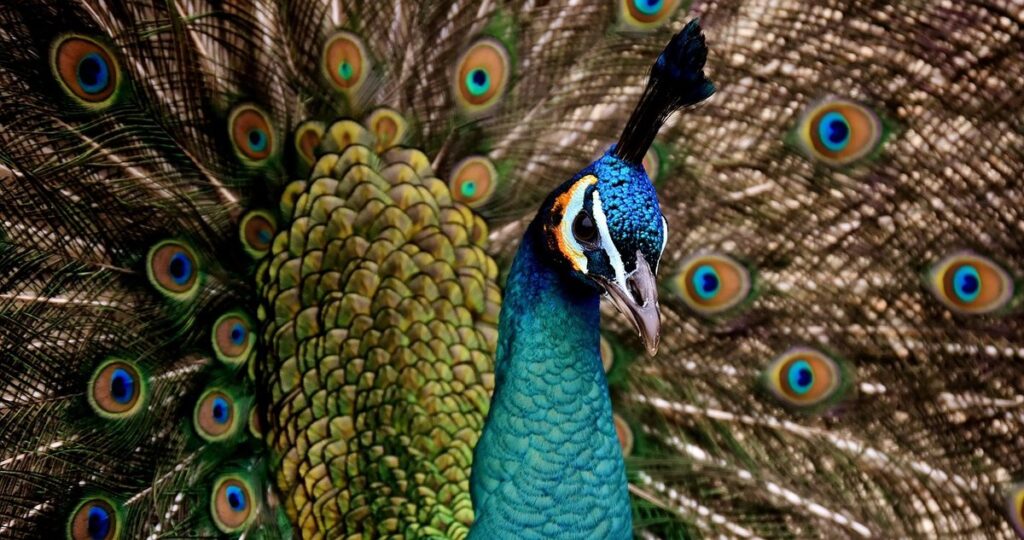
Understanding Peacocks and Their Breeding Requirements
To successfully breed peacocks, it’s essential you understand their unique characteristics and specific requirements for a healthy mating process to occur. Let’s dive into what makes these stunning birds tick.
Choosing the Right Species of Peafowl for Breeding
When it comes to breeding peafowl, selecting the right species is crucial for success. There are three primary species of peafowl: Indian Peafowl (Pavo cristatus), Green Peafowl (Pavo muticus), and Congo Peafowl (Afropavo congensis). Each species has distinct characteristics that make them more or less suitable for breeding.
The Indian Peafowl is one of the most popular species due to its vibrant plumage and relatively hardy nature. However, they can be temperamental and require a lot of space and attention. The Green Peafowl, on the other hand, is known for its striking green feathers and quiet demeanor, making them an excellent choice for smaller breeding operations.
If you’re just starting out, it’s essential to research each species’ specific needs and requirements before making a decision. For example, Green Peafowl require a lot of humidity and shade, whereas Indian Peafowl prefer dry climates with plenty of sunlight. When choosing the right species for your operation, consider factors like available space, climate, and personal experience.
It’s also worth noting that Congo Peafowl are less common in breeding programs but offer unique qualities such as their iridescent blue feathers and relatively docile nature. Ultimately, selecting the right species will depend on your specific goals, resources, and expertise.
Creating a Suitable Environment for Peacock Breeding
Creating an ideal environment for peacock breeding is crucial for their health and well-being. When it comes to enclosure size, a minimum of 1 acre (0.4 hectares) per pair is recommended, but larger spaces are even better. This allows the birds to roam freely and exercise their natural behaviors.
Climate control is also vital. Peacocks require a warm and humid climate, with temperatures ranging from 40°F to 80°F (-40°C to 27°C). Avoid placing them in areas prone to extreme weather conditions like heavy rainfall or intense heatwaves.
Shelter requirements are equally important. Provide a spacious aviary or enclosure with adequate ventilation and protection from predators. You can also incorporate tree plantations, ponds, or water features to mimic their natural habitat.
When designing the environment, consider the following tips:
* Use netting or screening to prevent escape and predation.
* Plant native vegetation that provides food and shelter for the birds.
* Install a rainwater harvesting system to ensure a steady water supply.
* Create a nesting area with soft grasses and leaves for egg-laying females.
Preparing for Peacock Breeding
Before you bring home those stunning peafowl, it’s essential to prepare your enclosure and learn what to expect during the breeding process. This section will guide you through the necessary steps for a successful start.
Health Checks and Vaccinations
Before you start breeding peacocks, it’s essential to ensure their health and immunity. Regular health checks and vaccinations are crucial to prevent common diseases that can affect these magnificent birds.
Common diseases that affect peacocks include respiratory infections, such as avian cholera and bronchitis, which can be caused by bacteria like Pasteurella multocida and Mycoplasma gallisepticum respectively. These bacterial infections can lead to severe health issues if left untreated. Other diseases that peacocks may contract include coccidiosis, a parasitic infection caused by Eimeria species, and external parasites like mites and lice.
To keep your peacocks healthy, it’s vital to have them checked by an avian veterinarian at least twice a year. During these check-ups, the vet will examine their eyes, beak, and feathers for any signs of disease or stress. Blood tests may also be conducted to detect internal parasites and infections. As part of your breeding program, you should vaccinate your peacocks against diseases like fowl pox and Newcastle disease. Consult with an experienced breeder or veterinarian to determine the best vaccination schedule for your flock.
Nutrition and Diet for Healthy Breeding Birds
When it comes to peacock breeding, providing proper nutrition is crucial for the health and fertility of both males and females. A balanced diet helps support their reproductive cycles, ensuring a successful breeding season.
A high-quality commercial pelleted diet should be the main staple of your birds’ nutrition. Look for pellets that are specifically formulated for game birds or waterfowl, as these will provide the necessary nutrients for optimal health. You can supplement this with fresh fruits and vegetables daily, such as leafy greens like kale and spinach, carrots, and sweet potatoes.
Avoid over-supplementing with treats, as this can lead to an imbalanced diet. Limit high-fat foods like sunflower seeds and avoid giving avocado or raw or undercooked meat, eggs, or fish, which can be toxic to birds.
To support fertility specifically, consider adding a reproductive formula to their pellets or supplementing with flaxseed oil, which is rich in omega-3 fatty acids essential for hormone production. Fresh water should always be available, and make sure your birds’ feeding area is kept clean to prevent the spread of disease.
Breeding Peacocks: A Step-by-Step Guide
Breeding peacocks requires careful planning and attention to detail, so let’s dive into the step-by-step process of raising a healthy flock from chicks to adults.
Courtship and Mating Habits in Peafowl
When it comes to breeding peacocks, understanding their courtship and mating habits is crucial. Peafowl are known for their elaborate display of colorful feathers and strutting rituals, which serve as a vital part of their mating process.
A male peacock’s courtship display typically begins with an initial approach towards the female, where he will fan out his impressive tail feathers to showcase his plumage. The female will observe this display, taking note of the male’s fitness and vigor. If she is receptive, she may respond by softening her posture or even engaging in a similar display.
Signs that your peafowl are ready to breed include their heightened activity levels during daylight hours, as well as increased vocalizations. Optimal mating conditions involve providing a spacious enclosure with adequate shelter, food, and water for the pair. Aim for temperatures between 60°F to 80°F (15°C to 27°C) and maintain a ratio of one male to three females.
In the wild, peafowl typically breed from March to September, but this can vary depending on your location and climate. With patience, observation, and a well-managed breeding environment, you should be able to witness this fascinating courtship ritual in your own backyard.
Incubation and Brood Care for Peacock Chicks
When it comes to incubating peacock eggs and caring for newly hatched chicks, attention to detail is crucial. Temperature control is a top priority: keep the incubator between 99°F (37°C) and 100°F (38°C), with a slight drop at night to simulate natural conditions.
Maintaining optimal humidity levels is also vital; aim for around 50-60% relative humidity during incubation, increasing it slightly after hatching. To ensure proper moisture levels, spray water on the walls of the brooder or mist the chicks gently.
Newly hatched peacock chicks require frequent feedings: offer a commercial chick starter crumb at least three times a day, supplemented with fresh fruits and vegetables as they grow. Freshwater should always be available, changed daily to prevent bacterial growth.
Monitor temperature closely; ideally, it should range between 90°F (32°C) and 95°F (35°C). Be sure the chicks have sufficient space to roam and exercise, keeping the brooder well-ventilated to prevent respiratory issues.
Aim for a ratio of at least 1 square foot (0.1 sq m) per chick, allowing them to move freely without overcrowding. Check on your chicks frequently during the first few weeks, as they’re most vulnerable to illness and temperature fluctuations.
Sexing Peacocks: Identifying Male vs. Female
When it comes to peacock breeding, one of the most crucial steps is identifying whether you’re working with a male or female bird. In this section, we’ll walk through the key characteristics that distinguish males from females.
Visual Identification of Sex in Young Peafowl
Identifying young peafowl can be challenging due to their similar appearance at this stage. However, there are some key visual differences that can help you sex them accurately.
One of the most notable differences is the plumage pattern. Juvenile males will start showing a slight green sheen on their neck feathers, whereas females will have more subdued brownish-green feathers. The green sheen on young males’ necks becomes more pronounced as they mature, but this difference can be an early indicator.
Another key factor to consider is the shape and color of the beak. Young male peafowl tend to have a slightly darker and more curved upper mandible compared to their female counterparts. This may not always be the case, but it’s worth noting during observation.
Beak size and feather length also play a role in sexing young peafowl. Males generally have longer feathers on their necks and backs compared to females. However, this difference is more noticeable as they mature.
Hormone Testing for Accurate Sex Determination
Accurate sex determination is crucial when it comes to peacock breeding. While visual inspection and feather characteristics can be useful indicators, they’re not foolproof methods for identifying the sex of a juvenile or adolescent peafowl. This is where hormone testing comes into play.
There are several hormone testing methods available for sex determination in peacocks, each with its pros and cons. Blood sampling involves taking a small blood sample from the bird’s wing vein to measure testosterone levels. Pros include high accuracy rates, but cons include stress and discomfort for the bird. Another option is feather pulp testing, which requires plucking a feather shaft and extracting tissue for analysis. While non-invasive and relatively quick, this method can be less accurate due to variations in hormone production.
Urine sampling is another approach that’s gaining popularity. This method involves collecting a urine sample from the bird and analyzing it for sex-specific biomarkers. It’s considered a low-stress option with high accuracy rates. Regardless of the testing method chosen, it’s essential to consult with an experienced avian veterinarian or a reputable laboratory to ensure accurate results and minimize stress on your birds.
Common Challenges and Solutions in Peacock Breeding
As a peacock breeder, you’re likely familiar with the unique challenges that come with raising these majestic birds. Let’s explore some common obstacles and expert solutions to help your flock thrive.
Managing Aggression and Dominance Among Peafowl
When it comes to peacock breeding, one of the most significant challenges you’ll face is managing aggression and dominance among your males. As they mature, peacocks can become increasingly aggressive towards each other, which can lead to stress, injuries, and even the need for rehoming. To mitigate this issue, it’s essential to consider enclosure design and behavior modification techniques from an early stage.
Start by creating a spacious enclosure with plenty of visual barriers to reduce competition among the males. Consider separating them into individual pens or providing a large enough area where each peacock can establish its own territory without feeling threatened by others. Another strategy is to introduce multiple hens, as they tend to calm aggressive behavior in peacocks.
You can also modify your peacocks’ behavior through training and socialization. Reward gentle behavior with treats and attention, while ignoring or separating them when they exhibit aggression. Be patient, as this process may take time and consistency.
Overcoming Mating Issues and Low Fertility Rates
Mating issues and low fertility rates are common challenges faced by peacock breeders. These problems can be caused by a variety of factors including inadequate space, poor nutrition, stress, and lack of breeding experience.
When dealing with mating issues, it’s essential to observe the behavior of your peacocks closely. Look for signs such as aggression towards each other, failure to display courtship behaviors, or simply avoiding each other.
If you notice any of these red flags, separate the birds immediately and try to identify the cause of the problem. Sometimes, overcrowding can lead to stress and prevent mating from occurring.
To improve breeding success, it’s crucial to create a conducive environment for your peacocks. This includes providing enough space for them to roam freely, a balanced diet that includes essential nutrients, and regular health checks to detect any underlying medical issues.
Some breeders have reported success by introducing younger birds into the breeding program or trying different mating combinations. However, it’s essential to note that each flock is unique and what works for one may not work for another.
Tips for Successful Peacock Breeding Programs
To ensure a thriving peacock breeding program, consider these key tips that will help you maximize success and minimize challenges as you raise your birds. Let’s dive into some valuable advice.
Record Keeping and Tracking Breeding Progress
Maintaining accurate records and tracking breeding progress is crucial for successful peacock breeding programs. As you work with your birds, it’s essential to monitor their health, behavior, and reproductive performance to make informed decisions about breeding and improvement.
Start by keeping a comprehensive record of each bird’s identification, lineage, and any notable characteristics. This will help you track their growth, development, and performance over time. Regularly update records on vaccinations, health checks, and any treatments administered. This will enable you to identify potential health issues early on and take corrective action.
Monitor breeding progress by tracking egg production, fertility rates, and hatch success. Keep a close eye on reproductive behavior, noting patterns and anomalies in courtship displays, mating habits, and incubation periods. Analyze these data points to refine your breeding program, making adjustments as needed to optimize results.
By maintaining accurate records and closely monitoring breeding progress, you’ll be better equipped to identify areas for improvement and make informed decisions about the future of your peacock breeding program.
Expanding Your Peacock Breeding Operation Safely
As you grow and expand your peacock breeding operation, it’s essential to manage this growth safely and responsibly. One of the most significant challenges is scaling up production while maintaining animal welfare. To achieve this balance, consider implementing strategies for gradual expansion.
Start by conducting a thorough analysis of your current operation, including infrastructure, staffing, and resources. This will help you identify areas that need improvement or upgrades to accommodate additional birds. For example, if you’re planning to increase your flock size significantly, ensure your existing enclosures are sufficient in size and equipped with necessary facilities such as water, food, and shelter.
Develop a plan for gradual expansion by introducing new birds gradually, allowing the infrastructure to adapt to the growing needs of the operation. Monitor animal welfare closely during this period, making adjustments as needed to prevent overcrowding or stress on the birds. Regularly review and update your breeding program to ensure it remains aligned with your goals while prioritizing the well-being of your peacocks.
Frequently Asked Questions
What are the most common mistakes beginners make when starting a peacock breeding operation?
Many new breeders rush into purchasing stock without considering the specific needs of their chosen species, leading to health problems and lower fertility rates. It’s essential to carefully research your species’ requirements for nutrition, habitat, and socialization before introducing birds to your flock.
Can I raise multiple species of peafowl together in the same enclosure?
While it’s technically possible to keep different species together, doing so can lead to stress and aggression issues due to differences in behavior and territoriality. For optimal results, it’s best to dedicate specific enclosures to individual species or carefully match compatible species.
How do I manage aggression and dominance among my peafowl flock?
Establishing a clear pecking order early on is crucial for maintaining harmony within your flock. Implementing a hierarchical structure through introduction of new birds at the bottom can help prevent conflicts, while providing ample space and resources helps minimize competition for mates and territory.
What are some signs that my breeding program might be experiencing low fertility rates or mating issues?
Look out for reduced egg production, failed fertilizations, or frequent mate swapping among your peafowl. Identify potential causes such as inadequate nutrition, habitat stress, or inadequate socialization and take corrective measures accordingly to address these challenges.
Can I rely solely on visual identification of sex in young peafowl, or should I consider hormone testing for accuracy?
While visual identification can be an initial guide, it’s not foolproof. Hormone testing provides a more accurate determination of sex, especially when working with smaller birds or uncertain species. Consider investing in testing kits to ensure the highest level of accuracy and prevent mismatched pairings.