
As a chicken keeper, you’re probably no stranger to the joys and challenges of collecting eggs from your flock. But have you ever wondered how those eggs would keep coming if not for the subtle cues of daylight hours? That’s where photoperiod comes in – the way light affects an animal’s internal clock and reproductive cycles. For chickens, this means that changes in daylight length can significantly impact their egg-laying habits. In fact, research shows that manipulating photoperiod is a key strategy for optimizing egg production, from backyard flocks to commercial farms. But what exactly does this mean for you? Let’s dive into the world of photoperiod and its effects on egg laying, exploring practical tips and strategies for maximizing your flock’s output based on their natural predisposition.
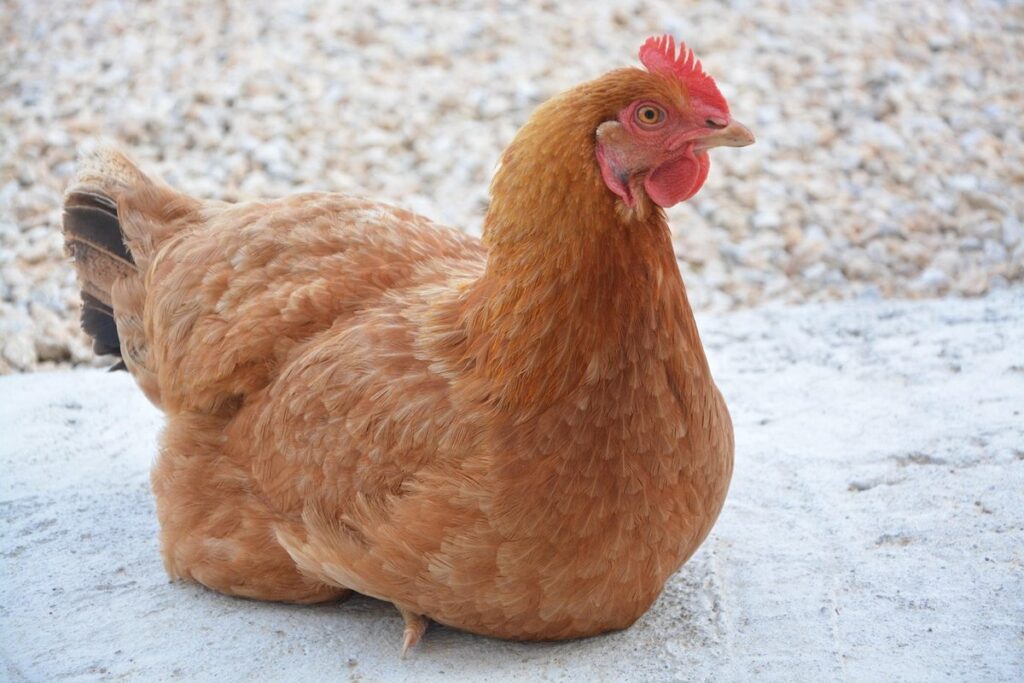
The Importance of Photoperiod in Chicken Behavior
Photoperiod plays a crucial role in regulating chicken behavior, particularly during breeding and egg-laying seasons. In this discussion, we’ll explore how photoperiod affects chicken behavior in more detail.
Introduction to Photoperiod
Chickens have an internal clock that responds to daylight hours, and this is where photoperiod comes into play. In simple terms, photoperiod refers to the length of daylight hours that chickens are exposed to on a daily basis. This may seem like a trivial aspect, but it has a significant impact on their behavior, including egg laying.
For example, a chicken’s reproductive cycle is influenced by the number of daylight hours it receives. When days get longer, chickens produce more daylight hormone, also known as melatonin, which in turn regulates their reproductive cycles and ultimately affects egg production. Research suggests that an increase in daylight hours can boost egg-laying frequency by up to 20% due to the chicken’s natural instinct to breed during spring.
It is essential for backyard chicken keepers to understand how photoperiod affects their flock. By manipulating daylight exposure, you can influence your chickens’ behavior and encourage optimal egg production.
How Photoperiod Affects Egg Laying Cycles
As we delve into the intricacies of photoperiod’s influence on egg laying cycles, it’s essential to understand that this natural phenomenon plays a critical role in regulating reproductive cycles in hens. The duration and intensity of daylight hours signal to the hen’s brain whether it’s time to breed or lay eggs. In most breeds, the onset of egg production is triggered by increasing daylight, while its cessation is prompted by decreasing daylight.
This photoperiodic cue helps synchronize the internal biological clocks with external environmental conditions. As daylight hours grow longer in spring and summer, hens are stimulated to enter reproductive maturity, leading to an increase in egg production. Conversely, as daylight shortens in autumn and winter, their reproductive cycles slow down or cease altogether. Understanding this natural process is crucial for chicken keepers to optimize egg laying by adjusting their flock’s environment accordingly. By mimicking natural daylight patterns through supplemental lighting or carefully controlling the duration of daylight hours, you can encourage your hens to lay eggs throughout the year rather than just during peak breeding seasons.
Factors Influencing Photoperiod Response in Chickens
When it comes to managing egg laying in chickens, understanding how various factors influence photoperiod response is crucial. While natural light plays a significant role in regulating a chicken’s internal clock, other factors can impact their photoperiod regulation.
For instance, artificial lighting can significantly affect a chicken’s perception of daylight hours. This is especially relevant for backyard flock owners who may not have access to large areas for chickens to roam freely. Supplemental lighting, such as LED lights or fluorescent bulbs, can be used to provide additional light during periods of low natural light. However, it’s essential to ensure the artificial lighting is designed specifically for poultry and meets their specific spectral requirements.
Seasonality also plays a significant role in photoperiod regulation. In regions with distinct seasonal changes, chickens may respond differently to varying daylight hours. For example, during winter months when daylight hours are shorter, chickens may experience reduced egg production due to the perceived decrease in daylight. Conversely, during summer months when daylight hours are longer, chickens may lay eggs more frequently.
Climate is another critical factor affecting photoperiod response in chickens. In regions with high temperatures or extreme weather conditions, chickens may exhibit altered behavior and egg laying patterns. For example, in areas with scorching heat, chickens may experience heat stress, leading to reduced egg production. Similarly, in regions with intense cold snaps, chickens may require additional lighting or insulation to maintain their internal temperature and regulate their photoperiod.
Ultimately, understanding the interplay between natural light, artificial lighting, seasonality, and climate is essential for making informed decisions about flock management. By recognizing these factors and adjusting your approach accordingly, you can promote healthy egg laying in your chickens and mitigate potential challenges associated with photoperiod regulation.
The Science Behind Photoperiod Regulation
Let’s dive into the science behind photoperiod regulation and how it affects your flock’s natural cycles, including egg laying and breeding behaviors. We’ll explore the fascinating mechanisms at play.
Circadian Rhythms and the Pineal Gland
Circadian rhythms play a vital role in governing chicken behavior, including their reproductive cycles. These internal biological clocks are regulated by the pineal gland, a small endocrine gland located in the brain. The pineal gland detects changes in light and dark periods to synchronize the bird’s bodily functions with the external environment.
When light enters the eye, it suppresses the production of melatonin, the hormone responsible for inducing sleep and reproductive dormancy. Conversely, darkness triggers the release of melatonin, which promotes reproductive activity. This delicate balance between light and darkness is crucial for regulating egg laying in chickens.
In commercial egg farms, artificial lighting systems are often used to manipulate photoperiods and optimize egg production. By understanding how the pineal gland responds to light and darkness, farmers can create optimal conditions for their birds. For example, providing 14 hours of daylight and 10 hours of darkness during peak laying periods can help maintain a steady egg-laying schedule.
Melatonin and Reproductive Hormones
In chickens, melatonin plays a crucial role in regulating reproductive cycles and controlling egg-laying behavior. This hormone interacts closely with other essential hormones such as prolactin and estrogen to ensure proper ovulation and fertility. The interaction between these hormones is complex but understanding their relationships can help you better comprehend how photoperiod influences chicken biology.
When daylight hours decrease, melatonin levels rise in the chicken’s brain. As melatonin increases, it stimulates the release of prolactin, which then triggers an increase in estrogen production. Estrogen helps mature eggs in the ovaries, preparing them for ovulation and subsequent laying. This intricate process is a key aspect of photoperiod regulation.
Chickens that experience a natural shortening of daylight hours, such as during fall or winter, will typically begin molting – a time when egg production ceases. Melatonin’s surge is responsible for initiating this period, signaling the chicken to focus on feather regrowth and health rather than reproduction. Conversely, chickens with adequate light exposure often maintain steady egg-laying patterns due to lower melatonin levels.
To apply this knowledge practically, consider simulating natural daylight hours through artificial lighting in your chicken coop during winter months or when you live in areas with minimal sunlight. This may help stimulate reproductive cycles and encourage more consistent egg production among your flock.
Genetic Factors Influencing Photoperiod Response
Genetic predisposition plays a significant role in a chicken’s response to photoperiod. Different breeds and strains of chickens respond variably to changes in daylight conditions, reflecting the complex interactions between genetics and environmental factors.
Some chicken breeds are naturally inclined to be more responsive to photoperiod, meaning they will adjust their egg-laying cycles accordingly. For instance, Leghorns and other Mediterranean breeds are known for their high reproductive potential during spring and summer months when daylight hours are longer. In contrast, heavier breeds like Orpingtons tend to maintain consistent egg production regardless of photoperiod.
When selecting a breed or strain for your flock, consider the specific needs and characteristics that match your management goals. If you aim to produce eggs during the winter months, choose breeds more sensitive to short daylight hours. Conversely, if you want consistent year-round egg production, opt for breeds with lower photoperiod sensitivity.
By understanding genetic predisposition in relation to photoperiod response, you can better anticipate and adapt your flock management strategies to maximize productivity and efficiency.
Managing Photoperiod for Optimal Egg Production
To manage photoperiod effectively, you’ll need to understand how to manipulate daylight hours and adjust your flock’s lighting schedule to optimize egg production. This is a crucial step in boosting yields.
Strategies for Manipulating Daylight Hours
To maximize egg production based on photoperiod, farmers can employ various strategies for manipulating daylight hours. One effective approach is to use artificial lighting that mimics natural sunlight. LED lights are a popular choice due to their energy efficiency and versatility. By installing LED strips or panels above the flock’s enclosure, you can extend daylight hours by up to 12 hours.
Another strategy involves extending the natural daylight period. This can be achieved by moving the coop to a location with more sunlight or using reflective materials on the roof of the enclosure to bounce natural light into the area where the birds reside. Some farmers also experiment with supplemental lighting, such as adding lamps in the evening to maintain a consistent photoperiod.
Season extension is another important technique for maximizing egg production during periods when daylight hours are limited. This can be achieved by using greenhouses or hoop houses, which provide a controlled environment that allows for year-round access to sunlight and fresh air. By utilizing these strategies, farmers can optimize their flock’s photoperiod and ensure consistent egg production throughout the year.
Considerations for Small-Scale and Backyard Chicken Keepers
For small-scale and backyard chicken keepers, managing photoperiod can be more challenging due to limited resources. However, there are creative solutions that can help optimize egg production. First, consider the natural light patterns of your region. Observe how daylight hours change throughout the year and adjust your flock’s lighting accordingly.
If possible, invest in a supplemental lighting system that mimics natural daylight. This can be as simple as placing solar-powered lights near their coop or investing in LED grow lights specifically designed for poultry. Even small increases in light exposure during the short winter days can make a significant difference in egg production.
Another approach is to use timers and scheduling to manage artificial light sources. Set your lights to mimic natural daylight patterns, gradually increasing duration and intensity as needed. This will help regulate your flock’s internal clock and stimulate egg laying. Be mindful of energy efficiency and adjust your lighting strategy seasonally to minimize costs.
Economic and Environmental Implications of Photoperiod Management
Managing photoperiod for optimal egg production has significant economic and environmental implications. When implemented correctly, it can lead to improved egg yields, reduced energy consumption, and minimized resource allocation. For instance, a study on layer hens found that adjusting photoperiod can reduce energy consumption by up to 15% while increasing egg production by 10%. To achieve these benefits, consider the following strategies:
* Implement artificial lighting systems that mimic natural daylight patterns, reducing the need for expensive supplemental lighting.
* Optimize ventilation and air circulation systems to minimize heat stress and promote efficient use of resources.
* Develop a robust management plan to adjust photoperiod based on seasonal changes, climate conditions, and flock dynamics.
By adopting these strategies, poultry farmers can reap both economic benefits and reduce their environmental footprint. As the demand for sustainable egg production continues to grow, understanding the implications of photoperiod management is crucial for achieving optimal egg yields while minimizing resource consumption.
Case Studies and Real-World Examples
To better understand how photoperiod affects egg laying, let’s look at some real-world examples of chicken farms that have successfully implemented controlled lighting systems.
Success Stories from Commercial Farms
Many commercial farms have successfully implemented photoperiod management strategies to boost egg production and profitability. One such example is a large-scale farm in the United States that experimented with extended daylight hours during winter months. By supplementing natural light with LED lighting, they increased egg production by 12% compared to the previous year.
Another notable case study comes from a farm in Europe that implemented a gradual reduction in photoperiod lengths as birds approached the end of their productive life cycle. This approach not only improved egg quality but also reduced the energy consumption associated with maintaining optimal lighting conditions. The result was a significant increase in profit margins for the farm.
Practical application of these strategies can be achieved by monitoring and adjusting lighting schedules according to specific climate zones, breeds, or production cycles. Farmers can start by consulting with experts to determine the ideal photoperiod length for their flock. Regular monitoring of egg production, energy consumption, and bird health will also help inform adjustments to the strategy as needed.
Challenges and Limitations in Small-Scale Production
Small-scale chicken keepers often face challenges when it comes to implementing photoperiod management. One of the main limitations is the lack of resources and equipment available for precise light control. Unlike commercial farms with advanced lighting systems, small-scale producers may not have the budget or space to install complex lighting setups.
Another challenge is ensuring consistency in light exposure, particularly during changing seasons. Small flocks can be more susceptible to fluctuations in natural daylight hours, which can affect egg laying patterns. For example, a small backyard flock may experience reduced egg production during winter months due to shorter days and reduced sunlight.
To overcome these limitations, consider implementing simple and cost-effective solutions such as using light therapy lamps or supplemental lighting systems specifically designed for small-scale poultry operations. These options can provide controlled lighting conditions, helping to regulate the birds’ circadian rhythms and improve egg laying consistency.
Conclusion
In conclusion, understanding photoperiod’s impact on egg laying is crucial for backyard chicken keepers. By recognizing the effects of light exposure on your flock, you can take proactive steps to promote optimal egg production. This includes adjusting feeding schedules, providing supplemental lighting during winter months, and ensuring adequate access to daylight. It’s also essential to note that individual breeds may have varying responses to photoperiod, so research your specific breed’s requirements for the best results.
By incorporating these strategies into your flock management plan, you can help maintain a healthy and productive laying cycle year-round. By making informed decisions about photoperiod and egg laying, you’ll be well on your way to enjoying a steady supply of fresh eggs from your backyard chickens.
Frequently Asked Questions
Can I still manipulate photoperiod if my flock is already laying eggs?
While it’s true that photoperiod primarily affects reproductive cycles, you can still experiment with manipulating daylight hours to optimize egg production. For example, providing supplemental lighting during winter months or adjusting the length of natural light exposure in summer may yield improved results.
How do I know when to adjust my flock’s daylength for optimal egg production?
Monitoring your flock’s individual responses to photoperiod changes can help you make informed decisions about adjustments. Consider tracking temperature fluctuations, seasonal shifts, and breed-specific characteristics to inform your management strategies. This will enable you to fine-tune your approach for maximum output.
Can any chicken breeds be used for maximizing egg production using photoperiod manipulation?
While some breeds are inherently more responsive to photoperiod changes than others, it’s not impossible to achieve success with less photoresponsive breeds. However, you may need to rely on alternative strategies like environmental enrichment and stress reduction to boost overall productivity.
What are the economic implications of implementing photoperiod management for small-scale chicken keepers?
For backyard or small-scale operations, optimizing egg production through photoperiod manipulation can significantly impact profitability. By maximizing output and improving resource allocation, you may be able to justify investments in specialized lighting systems or alternative feeding strategies that further support your flock’s performance.
Are there any potential risks associated with using photoperiod management for commercial farms?
While managing daylight hours is a common practice in large-scale operations, it does come with some risks. Be cautious when introducing new light sources or altering existing ones to avoid disrupting flocks’ natural circadian rhythms and potentially affecting health or stress levels.