
Are you thinking of adding some friendly faces to your backyard flock? Look no further than the Plymouth Rock Barred chicken! This popular breed has been a favorite among farmers and backyard enthusiasts for centuries, known for its gentle nature, high egg production, and striking appearance. But what makes these birds so special? In this article, we’ll delve into the history of the Plymouth Rock Barred, exploring their origins, characteristics, and care requirements. We’ll cover everything from health considerations to housing needs, feeding practices, and breeding techniques to help you ensure a thriving flock. Whether you’re an experienced chicken keeper or just starting out, this guide will provide you with all the information you need to raise happy and healthy Plymouth Rock Barred chickens.
Understanding the Breed: History and Origins
To truly appreciate these charming birds, let’s take a step back and explore where they came from. The history of Plymouth Rock Barred Chickens is a fascinating one!
The Origins of Plymouth Rock Chickens
The Plymouth Rock breed has its roots in Massachusetts, dating back to the early 19th century. Developed from a cross between a Cochin and a Dominique, this sturdy bird was created for its exceptional egg-laying abilities and hardiness. As a result of its impressive qualities, the Plymouth Rock quickly gained popularity among backyard farmers.
In fact, by the mid-1800s, the breed had become one of the most sought-after varieties in the country. Its adaptability to various climates and living conditions made it an attractive choice for small-scale farmers looking for a reliable source of fresh eggs. One of the key factors contributing to its success was its ability to thrive in confinement, making it well-suited for urban or suburban settings.
Today, the Plymouth Rock remains a favorite among chicken enthusiasts due to its friendly nature and high egg production. If you’re considering adding this breed to your flock, be prepared to reap the rewards of its exceptional qualities – with proper care, a healthy Plymouth Rock can provide you with an abundance of fresh eggs for years to come.
Key Characteristics of Plymouth Rock Barred Chickens
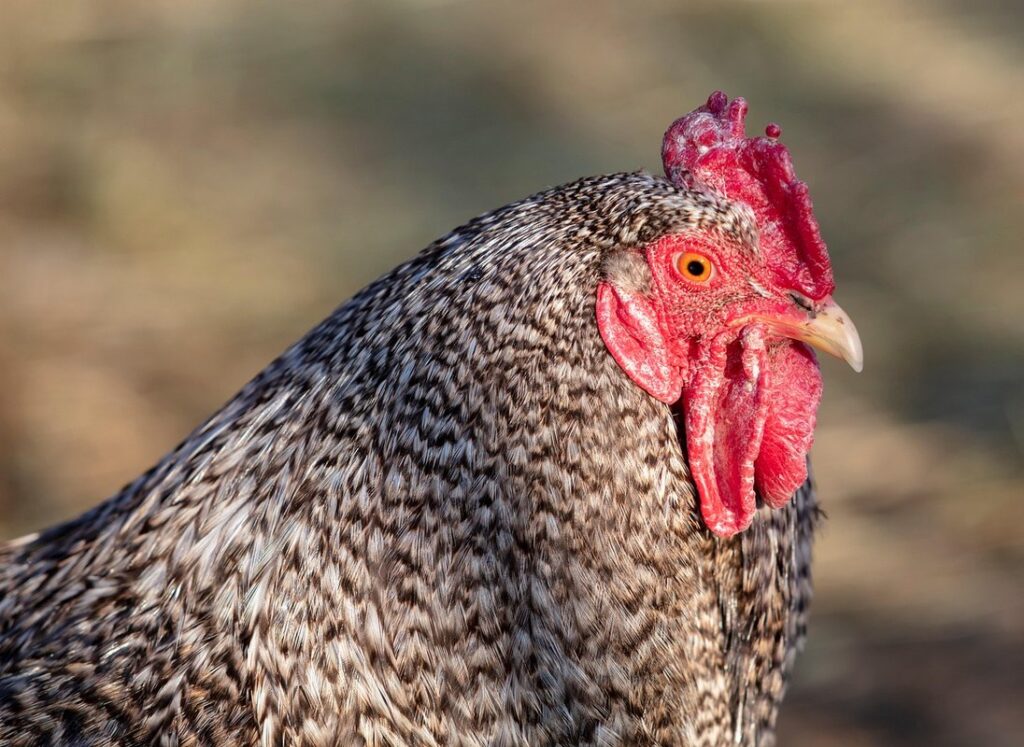
Plymouth Rock Barred chickens are instantly recognizable by their striking barred plumage. The distinctive black and white stripes that run along their neck, back, and wings create a visually appealing contrast against their bright red comb and wattles. In terms of size, Plymouth Rocks are considered medium to large birds, with roosters weighing in at around 8-10 pounds and hens reaching approximately 6-8 pounds.
Their temperament is friendly and outgoing, making them an excellent choice for families or small farmers who want a hardy and gentle breed. However, it’s essential to note that Plymouth Rock Barred chickens can be prone to flightiness if not properly socialized from a young age. As for egg-laying abilities, hens will typically produce around 200-220 brown eggs per year, with some individuals reaching up to 300 eggs under optimal conditions.
When selecting a Plymouth Rock Barred chicken, look for birds that are confident and curious but also calm in the presence of humans. With proper care and attention, these chickens can thrive and become a beloved addition to any backyard flock.
Physical Characteristics: Appearance and Size
When it comes to Plymouth Rock Barred chickens, their physical characteristics are just as endearing as their personality. Let’s take a closer look at what they have in store for you in terms of appearance and size.
Adult Plymouth Rock Barred Chicken Size and Weight
When it comes to size, Plymouth Rock Barred chickens are medium to large breed. For mature hens, you can expect an average weight of around 6-8 pounds (2.7-3.6 kilograms) and a height of about 22-24 inches (55-60 centimeters). This makes them a great choice for backyard flocks where space is limited but you still want to raise larger birds.
Mature roosters, on the other hand, tend to be slightly larger, weighing around 8-10 pounds (3.6-4.5 kilograms) and standing at about 24-26 inches (60-65 centimeters) tall. These birds are known for their impressive size and muscular build, making them a great addition to any flock.
It’s worth noting that individual bird weights can vary depending on factors such as nutrition, genetics, and overall health. However, with proper care and management, you can expect your Plymouth Rock Barred chickens to grow into healthy and robust adults. If you’re looking for a breed that will provide plenty of meat and eggs, the Plymouth Rock Barred is an excellent choice.
Egg-Laying Ability and Feathered Details
Plymouth Rock Barred chickens are known for their impressive egg-laying abilities. On average, they produce around 200-220 eggs per year, which is a decent amount considering their medium size and gentle nature. Their egg-laying capacity peaks between 18-24 months of age, after which the production slows down slightly.
In terms of feather patterns, Plymouth Rock Barred chickens have a beautiful mottled appearance with black and white feathers that create a striking barred effect. The feathers are relatively short and smooth, making them easy to maintain and keep clean. One notable feature is their beak, which is medium-sized and a bright yellow color.
In addition to their egg-laying capacity and feather patterns, Plymouth Rock Barred chickens also have a few other notable physical features worth mentioning. Their eyes are a warm, dark brown that seem to gleam with intelligence, while their legs and feet are sturdy and well-suited for scratching in the dirt. Overall, this breed’s physical characteristics make them a delight to behold and care for.
Temperament and Handling: Are They Friendly?
When it comes to Plymouth Rock Barred chickens, one of the most important questions is whether they make great pets – are they friendly and easy to handle?
Personality Traits of Plymouth Rock Barred Chickens
Plymouth Rock Barred hens are known for their gentle and docile nature, making them an excellent choice for families with children or those new to backyard chicken-keeping. They are often described as friendly, outgoing, and curious, enjoying human interaction and attention.
One of the most appealing personality traits of Plymouth Rock Barred hens is their adaptability. They quickly adjust to new environments and situations, which makes them easy to integrate into an existing flock. This adaptability also means they can thrive in a variety of living conditions, from small backyard coops to larger farms.
Their docility also extends to their behavior around other animals. Plymouth Rock Barred hens are generally calm and non-aggressive, making them a great choice for households with multiple pets. However, as with any chicken breed, it’s essential to socialize your birds well to ensure they develop good personalities.
When introducing new chickens to your flock or dealing with existing personalities, remember that every bird is unique. Observe their behavior, and establish clear rules and boundaries to maintain a harmonious coop environment.
Tips for Building a Strong Bond with Your Plymouth Rocks
Building a strong bond with your Plymouth Rock Barred chickens requires patience, understanding, and gentle handling. To begin with, it’s essential to introduce yourself slowly and calmly to the chicks when they’re around 3-4 weeks old. Allow them to become familiar with your presence by sitting quietly near their enclosure without startling or sudden movements.
As they grow into adult hens, you can gradually increase interaction time. Start by offering treats such as scratch grains, fruits, or vegetables while gently stroking their feathers. Be mindful of handling techniques: avoid picking up the birds by their legs or wings, instead opt for supporting their body and lifting them securely under the wings.
Consistency and routine are crucial in building trust with your Plymouth Rock Barred chickens. Establish a regular feeding schedule, provide clean water, and create a safe living environment. This predictability will help your birds feel secure and more inclined to bond with you over time.
Health Considerations: Common Issues and Prevention
When it comes to raising Plymouth Rock Barred chickens, understanding common health issues is crucial for their well-being. This section covers potential problems and provides tips on preventing them.
Genetic Predispositions in Plymouth Rock Barred Chickens
Plymouth Rock Barred chickens are known for their friendly and docile nature, but like all breeds, they can be prone to certain genetic health issues. One of the most significant inherited conditions affecting fertility is the ‘galliform’ disorder, a result of a mutation in the FTO gene. This condition affects egg production and can lead to reduced fertility in breeding programs.
Another inherited condition that affects longevity is ‘gout’, caused by excessive uric acid levels in the blood. Gout can be triggered by diet and lifestyle factors, but some breeds are more susceptible due to their genetic makeup. In Plymouth Rock Barred chickens, a high protein diet or stress can exacerbate the condition, leading to painful arthritis.
To minimize the risk of these conditions, it’s essential to maintain a balanced and healthy lifestyle for your flock. This includes providing a nutritious diet, regular exercise, and optimal living conditions. Monitoring your birds’ behavior and health closely will help you catch any potential issues early on, ensuring that they receive prompt treatment and care.
When selecting breeding stock, prioritize genetic diversity and look for birds from reputable breeders who have had their flocks tested for these conditions. This will help reduce the risk of inherited disorders in your flock. By taking proactive steps to manage health risks, you can enjoy a long and healthy life with your Plymouth Rock Barred chickens.
Nutrition, Hygiene, and Vaccination Best Practices
Maintaining optimal health is crucial for your Plymouth Rock Barred chickens to thrive. A well-balanced diet should include a mix of layers feed, fresh fruits and vegetables, and calcium supplements to support strong eggshell production. Provide a clean source of water at all times, changing the water frequently to prevent bacterial growth.
Good hygiene practices are also vital in preventing diseases. Clean the coop regularly by removing droppings, replacing bedding material, and disinfecting surfaces with a pet-safe cleaner. Ensure proper ventilation to reduce ammonia buildup, which can lead to respiratory issues. Keep a close eye on your flock’s health, monitoring for signs of illness or stress.
Regular vaccinations are also essential in protecting your chickens from diseases such as Marek’s disease and Newcastle disease. Consult with a veterinarian to determine the best vaccination schedule for your region and flock size. Always follow proper handling and administration procedures to avoid injury to both you and your birds. By prioritizing nutrition, hygiene, and vaccinations, you’ll be well on your way to raising a healthy and happy Plymouth Rock Barred flock.
Housing and Fencing Requirements: Setting Up Your Coop
When setting up your Plymouth Rock Barred chicken coop, it’s essential to ensure you’re providing a safe and secure environment for your birds. This includes proper housing and fencing requirements to prevent escape attempts and predators from getting in.
Essential Features of a Plymouth Rock-Friendly Coop Design
When designing a chicken coop for your Plymouth Rock Barred hens, it’s essential to prioritize their needs and comfort. A suitable coop should provide ample space per bird, as these girls can grow quite large. Aim for at least 3-4 square feet of floor space per hen, with enough roosting bars for them to comfortably perch.
Proper ventilation is also crucial in a Plymouth Rock-friendly coop design. This breed excels in cold climates, but they still need airflow to prevent respiratory issues and keep the coop dry. Install windows or vents that can be opened for cross-ventilation, ensuring fresh air circulates throughout the enclosure.
Predator protection is another vital aspect of a secure coop design. Plymouth Rock Barred hens are attractive to predators like foxes, coyotes, and raccoons. Secure your coop with hardware cloth or chicken wire around 3 feet high, extending at least 12 inches underground to prevent burrowing. Locks on the doors will also help protect your flock from unwanted visitors.
How to Choose Suitable Fencing for Your Backyard Chicken Run
When it comes to setting up a safe and secure backyard chicken run for your Plymouth Rock Barred chickens, choosing the right fencing is crucial. You’ll want to select a type of fencing that’s sturdy enough to contain your flock while also protecting them from potential predators.
For poultry fencing, you have several options to consider: hardware cloth, chicken wire, or woven wire mesh. Hardware cloth is an excellent choice as it’s made from heavy-gauge metal and features small openings (usually 1/2 inch) that prevent even the smallest chickens from escaping. It’s also effective against predators like raccoons, opossums, and foxes.
When selecting a fence, don’t forget to consider the height: it should be at least 3 feet high for young chicks and 4-5 feet high for mature birds. You’ll also want to bury the fence 12 inches underground to prevent burrowing predators from accessing your flock. To add extra security, install a sturdy coop door that’s protected by strong latches or locks.
Feeding and Nutrition: A Comprehensive Guide
When it comes to keeping your Plymouth Rock Barred chickens healthy, feeding them a balanced diet is crucial. This section covers everything you need to know about their nutritional requirements.
Understanding the Nutritional Needs of Plymouth Rock Barred Chickens
When it comes to feeding your Plymouth Rock Barred Chickens, understanding their nutritional needs is crucial for them to grow into healthy and productive hens. As a general rule, chicks require a starter feed that contains around 18-20% protein until they are about 16 weeks old. At this point, you can switch them to a layer feed with approximately 16% protein.
As your girls begin to lay eggs, it’s essential to provide them with a balanced diet that meets their nutritional requirements for egg production. A good quality layer feed should contain around 1-2% calcium and 0.5-1% phosphorus to support strong eggshell production. You can also consider adding supplements such as oyster shells or crushed eggshells to boost the calcium content.
In terms of treats, Plymouth Rock Barred Chickens love fresh fruits and vegetables like apples, carrots, and leafy greens. However, be sure to introduce new foods gradually to prevent digestive issues. A general rule of thumb is to provide around 10-15% of their daily diet as treats.
Tips for Avoiding Common Feed-Related Issues
When it comes to feeding your Plymouth Rock Barred chickens, there are several common issues that can arise if not managed properly. Overeating and underfeeding are two of the most prevalent problems you might encounter.
To avoid overeating, ensure you’re providing enough space for your flock to roam around and exercise. A general rule of thumb is to provide at least 4-5 square feet per bird inside the coop and 8-10 square feet in the run. This will help them stay active and reduce the likelihood of obesity.
Another crucial aspect is monitoring their food intake. Instead of leaving food out all day, try implementing a scheduled feeding system where you offer meals twice a day. This will prevent overeating and encourage your chickens to eat only what they need. A good starting point for adult Plymouth Rock Barred chickens is to provide about 1/4 pound of feed per bird per day.
Lastly, keep an eye on their water intake as well. Ensure the waterer is clean and easily accessible at all times. Aim to change the water daily or whenever you notice it getting dirty. By following these simple tips, you can help prevent common feeding-related issues and ensure your Plymouth Rock Barred chickens lead a happy and healthy life.
Breeding and Raising Chicks: A Beginner’s Guide
If you’re raising Plymouth Rock Barred chickens, learn how to breed and raise healthy chicks that grow into robust birds with this beginner-friendly guide. We’ll walk you through the process step by step.
Choosing Healthy Plymouth Rock Barred Parent Stock
When selecting healthy parent stock for breeding Plymouth Rock Barred chickens, there are several key criteria to consider. First and foremost, look for birds that demonstrate excellent health and vitality. This can be assessed by observing their overall appearance, energy levels, and behavior. A well-nourished bird will have a glossy coat, bright eyes, and a robust immune system.
It’s also essential to evaluate the fertility of your parent stock. You’ll want to select birds that are proven breeders with a high hatch rate. This can be determined by checking for any signs of reproductive issues or genetic defects that could impact their ability to produce healthy offspring.
Temperament is another critical factor to consider when choosing parent stock. A calm and docile temperament will make it easier to manage your breeding flock, reduce stress on the birds, and minimize the risk of injury during handling. Look for birds that are friendly, curious, and easy-going, as these traits will be passed down to their offspring.
When selecting parent stock, prioritize genetic diversity to maintain a healthy and robust breeding program.
Care Instructions for Baby Chicks: Housing, Nutrition, and Health Checks
Raising healthy baby chicks from hatch to pullet stage is crucial for their development and future productivity. When it comes to Plymouth Rock Barred chickens, there are specific care instructions that breeders should follow.
Firstly, housing is essential for the health and well-being of baby chicks. Provide a safe and draft-free area with adequate ventilation. A temperature-controlled brooder or incubator can help maintain the ideal temperature range of 90-100°F (32-38°C) during the first week. Once the chicks are around 4-5 weeks old, they can be transitioned to a coop with adequate space for growth.
Nutrition is also vital for healthy growth and development. Offer starter feed that contains around 20% protein until the chicks are about 6 weeks old. After this period, you can switch to grower feed with around 16-18% protein. Make sure to provide fresh water at all times and offer a calcium supplement to support strong bone growth.
Regular health checks should also be conducted to identify any potential issues early on. Monitor the chicks for signs of illness such as lethargy, loss of appetite, or changes in droppings. Consult with a veterinarian if you suspect any health problems.
Frequently Asked Questions
Can I raise Plymouth Rock Barred Chickens in small spaces, like apartments or patios?
You can raise Plymouth Rock Barred Chickens in smaller spaces, but it’s essential to consider their adult size and exercise needs. Ensure you have enough space for a coop and run that allows for adequate movement and sunlight. You’ll also need to research local regulations regarding backyard chickens.
How often should I collect eggs from my Plymouth Rock Barred flock?
Collecting eggs daily is recommended, as it encourages the hens to continue laying eggs and helps prevent breakage. Make sure to clean and sanitize the nesting boxes regularly to maintain a healthy environment for your birds.
What are some common health issues in Plymouth Rock Barred Chickens, and how can I prevent them?
Common health issues include respiratory problems, mites, and internal parasites. To prevent these, ensure proper ventilation in the coop, keep the run clean, and provide regular vaccinations and parasite control measures.
Can I breed my own Plymouth Rock Barred chickens, or should I purchase chicks from a reputable breeder?
Breeding your own Plymouth Rock Barred chickens can be rewarding, but it requires experience and knowledge of genetics. Consider purchasing chicks from a reputable breeder to ensure you’re getting healthy, well-bred stock.
How do I introduce new Plymouth Rock Barred hens to my existing flock?
When introducing new birds, start by keeping them separate for a few days to allow them to get familiar with each other’s scents and sounds. Then, gradually introduce them to the same enclosure under close supervision, making sure to provide enough space and resources for all birds.
Are Plymouth Rock Barred chickens suitable for cold climates?
While Plymouth Rock Barred chickens are relatively hardy, they may not be the best choice for extremely cold climates without proper shelter and protection. Consider adding insulation to your coop, providing extra bedding, and taking other measures to ensure their comfort during harsh winters.