
Polish egg colors are a beloved tradition that has been passed down for generations, rich in cultural significance and beauty. For many, decorating eggs is more than just a fun activity – it’s a way to connect with heritage and community. The intricate designs and vibrant hues of Polish egg colors have captivated artists and crafters alike, but there’s often confusion about where to start and how to create these stunning pieces. In this article, we’ll delve into the world of traditional techniques and modern twists in polish egg coloring, exploring the unique characteristics that make these eggs truly special. From basic instructions for beginners to expert tips and tricks, our guide will show you how to create long-lasting designs that honor the rich cultural heritage behind this beloved art form.
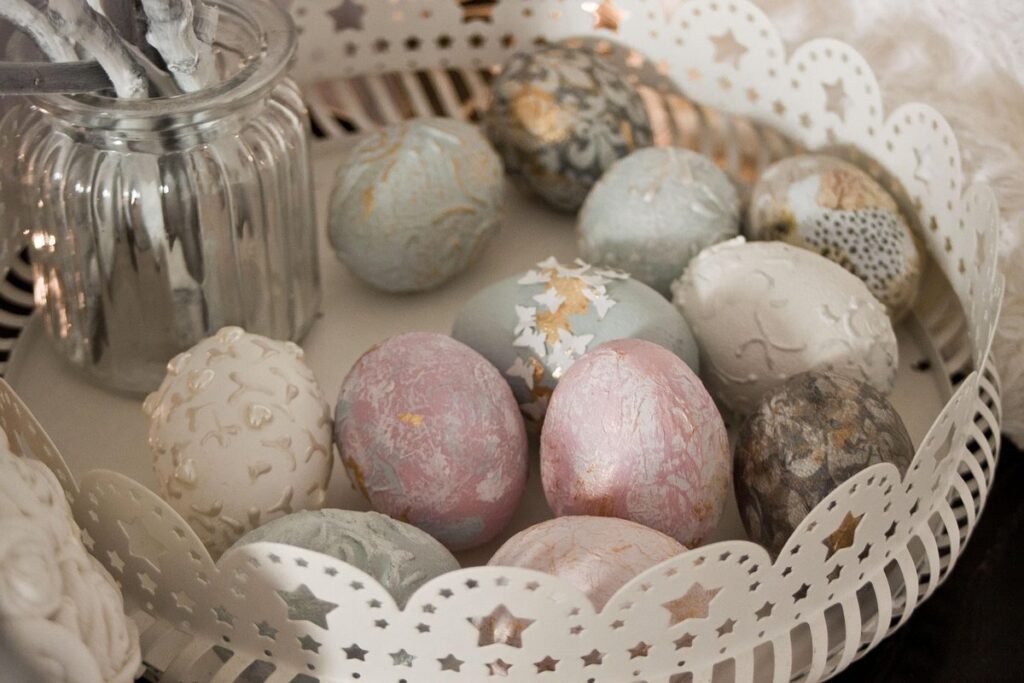
Introduction to Polish Egg Colors
Welcome to our exploration of polish egg colors, where we’ll break down the fundamental basics and get you familiar with these beautiful variations. Let’s start with the core concept.
What Are Polish Egg Colors?
Polish egg colors are a traditional form of folk art that originated in Poland, particularly among the country’s rural communities. These intricate designs and patterns are applied to eggs using natural dyes, wax, and other materials, making each one a unique work of art.
The history of Polish egg colors dates back centuries, with records showing its existence as far back as the 17th century. The art form was highly valued for its beauty and cultural significance, often used as gifts or decorative pieces in homes. Over time, different regions in Poland developed their own distinct styles and techniques, making Polish egg colors a true reflection of the country’s rich cultural heritage.
In traditional Polish art, eggs are seen as symbols of life, fertility, and renewal. The vibrant colors and patterns used in these designs often carry deeper meanings, representing various themes such as love, family, and spirituality. Whether you’re an artist or simply looking to appreciate this unique form of folk art, understanding the significance of Polish egg colors can help deepen your connection with their history and cultural context.
History of Polish Egg Decorating
Polish egg decorating has a rich history that spans centuries. The tradition is believed to have originated in Eastern Europe, particularly in Poland and Ukraine, where eggs were seen as symbols of life, fertility, and new beginnings. During the Easter season, families would decorate eggs as part of their celebrations, using natural dyes such as onion skins, beets, and turmeric.
As time passed, Polish egg decorating evolved to incorporate more intricate designs and techniques. In the 19th century, the art form became popular in Poland, where it was often used to tell stories and convey messages through symbolism. The decorated eggs were not only a beautiful addition to Easter celebrations but also served as a way to pass down family traditions and cultural heritage.
Today, Polish egg decorating continues to thrive, with modern artists experimenting with new techniques and materials while still honoring the traditional methods. To get started with this unique art form, try experimenting with natural dyes and simple designs before moving on to more complex patterns. With patience and practice, you can create stunning, one-of-a-kind eggs that reflect your personal style and cultural heritage.
Importance of Polish Egg Colors in Polish Culture
Polish egg colors hold a special place in the country’s culture, particularly during Easter. This tradition is deeply rooted in Polish heritage and is often passed down from generation to generation. The vibrant colors used on eggs are not just aesthetically pleasing but also carry significant symbolic meaning.
For example, red symbolizes good health, yellow represents new life, blue signifies faithfulness, and green stands for fertility. These meanings are carefully considered when decorating eggs, making the process a thoughtful and meaningful activity. In Polish culture, Easter eggs are often exchanged as gifts between family members and friends, serving as a way to connect with one another.
When participating in this tradition, it’s essential to be mindful of these symbolic colors and their significance. By understanding the importance behind each color, you can add an extra layer of depth to your egg decorating experience. This appreciation for Polish culture will also allow you to better appreciate the beauty and history behind these stunning eggs.
Traditional Techniques for Creating Polish Egg Colors
For centuries, traditional techniques have been passed down through generations to create vibrant and intricate designs on Polish Easter eggs. Let’s explore these timeless methods together.
Waxing and Dyeing: The Fundamentals
When it comes to creating traditional polish egg colors, two fundamental techniques come into play: waxing and dyeing. These methods have been passed down through generations, allowing artists to achieve unique, vibrant hues that adorn Polish eggs.
Waxing is a crucial step in the process, as it protects certain areas of the egg from dye absorption. Using a specialized tool or even just a small brush, artists apply melted wax to specific patterns or designs. This creates an impermeable barrier, enabling the artist to achieve intricate details and sharp contrasts between colors.
Dyeing is where the magic happens – various methods can be employed depending on the desired result. Natural dyes such as onion skins, turmeric, and beets produce softer, more muted tones, while synthetic dyes provide a broader range of vibrant hues. Some artists also experiment with combining multiple dyes to achieve specific shades.
A word of caution: when working with natural dyes, it’s essential to ensure proper safety precautions are taken, as some substances can cause skin irritation or allergic reactions.
Pysanky: A Look at the Art of Ukrainian-Polish Egg Decorating
Pysanky, a traditional Ukrainian-Polish egg decorating technique, shares many similarities with Polish egg decorating methods. Both cultures employ intricate designs and patterns created using wax and dye to create unique and beautiful eggs. However, there are distinct differences between the two techniques.
One of the key differences lies in the tools used for creating designs. Ukrainian pysanky artists typically use a kistka, a small metal tool with a pointed end, to apply wax to the egg. In contrast, Polish egg decorators often use a more general-purpose applicator or even their fingers to create patterns. This difference in tool usage contributes to the distinct styles and techniques seen in each culture’s eggs.
Despite these differences, both Ukrainian and Polish egg decorating methods share a common goal: to create visually stunning and meaningful eggs that celebrate cultural heritage. Whether you’re interested in exploring traditional Ukrainian-Polish techniques or experimenting with modern interpretations, understanding the similarities and differences between these two cultures can help inspire your own egg decorating journey.
Tips for Achieving Traditional Polish Egg Colors
To achieve traditional Polish egg colors using natural ingredients, you’ll want to focus on a few key techniques. One of the most important factors is the selection of natural dyes. For example, onion skins can create a beautiful golden brown hue when soaked in water and then applied to the eggs. Similarly, coffee or tea can be used to create rich, dark colors.
When working with natural dyes, it’s essential to experiment and adjust the proportions to achieve the desired shade. This might involve combining multiple ingredients or allowing the dye to steep for varying lengths of time. You can also try using plant-based extracts like turmeric or pomegranate juice to add subtle depth to your designs.
To ensure authentic traditional Polish egg colors, consider using a mixture of natural waxes and oils as a finisher. This will not only enhance the color but also provide a durable, long-lasting sheen that protects the design from fading.
Modern Twists on Traditional Polish Egg Colors
While traditional methods are still beloved, modern polishers are experimenting with new techniques to create vibrant and unique egg color designs that push the boundaries of creativity. Let’s explore some inspiring examples!
Experimenting with New Materials and Techniques
When it comes to creating unique and innovative Polish egg colors, exploring new materials and techniques is essential. One exciting area to explore is using alternative materials such as metallic powders, iridescent paints, and even natural materials like plants and flowers.
For instance, metallic powders can add a stunning dimension to your egg designs. Try mixing fine gold or silver powder with your traditional wax or oil-based polish for an eye-catching effect. You can also experiment with different ratios of powder to polish to achieve varying levels of intensity.
Another innovative technique is using iridescent paints, which can give your eggs an otherworldly glow. These special paints contain microscopic particles that refract light, creating a shimmering effect that’s sure to mesmerize. To incorporate iridescent paint into your design, simply apply the paint in thin layers, allowing each layer to dry before adding the next.
To take it a step further, why not try using natural materials? Dyeing eggs with plant-based dyes like turmeric, coffee, or beets can result in beautiful, earthy tones. You can also use flower petals, leaves, and even spices to create unique and delicate patterns. The possibilities are endless, so don’t be afraid to experiment and push the boundaries of traditional polish egg colors!
Contemporary Artists Inspired by Polish Egg Decorating Tradition
In recent years, traditional Polish egg decorating techniques have inspired a new generation of contemporary artists. These creatives are breathing new life into this centuries-old art form by experimenting with innovative materials and styles while maintaining the essence of the original tradition.
One such artist is Kasia Kurek, a Polish-born designer who uses natural dyes to create intricate patterns on eggs. Her work showcases the beauty of traditional techniques combined with modern sensibilities. By adopting eco-friendly methods, Kurek’s designs not only pay homage to her cultural heritage but also promote sustainability.
Another notable example is Polish artist Agnieszka Pilaszewska, who combines egg decorating with street art and graffiti techniques. Her vibrant, large-scale murals on eggs have garnered international attention, highlighting the versatility of traditional techniques when applied in unexpected ways.
These artists demonstrate that Polish egg decorating tradition can be a rich source of inspiration for contemporary creatives. By embracing this cultural heritage and pushing its boundaries, they create unique pieces that showcase both artistic innovation and historical significance.
Tips for Incorporating Modern Elements into Traditional Polish Egg Designs
When it comes to incorporating modern elements into traditional Polish egg designs, the possibilities are endless. One of the most exciting ways to do this is by combining metallic paints with time-honored techniques like wax and dyeing. For instance, you can use a metallic paint to add a subtle sheen to your design before applying layers of wax and dye for a stunning contrast.
Another innovative approach is to incorporate digital printing into your traditional egg decorating process. By scanning or photographing a traditional design and then digitally manipulating it, you can create unique, modern patterns that blend seamlessly with classic motifs. You can even experiment with different colors and textures using software like Adobe Illustrator or Photoshop.
To get started, try experimenting with metallic paints on a small scale before scaling up to an entire egg. Practice your technique by applying a metallic coat and then layering it under wax or dye. Don’t be afraid to mix and match different techniques – the key to creating a truly modern take on traditional Polish egg designs is to think outside the box!
Health Benefits and Safety Considerations for Polish Egg Colors
When working with polish egg colors, it’s essential to consider their potential health benefits as well as any safety precautions you should take.
The Use of Natural Ingredients in Polish Egg Decorating
When it comes to polish egg decorating, many crafters are looking for ways to make their creations safer and more eco-friendly. One of the most effective ways to achieve this is by using natural ingredients instead of synthetic dyes and additives.
Beeswax, for example, is a popular choice among polish egg decorators due to its non-toxic and food-safe properties. It can be used as a wax polish or mixed with other natural ingredients like oil or vinegar to create a variety of colors and textures. Not only does beeswax provide a beautiful sheen to the eggs, but it also helps to protect them from moisture and bacteria.
Plant-based dyes are another great option for those looking to avoid synthetic chemicals in their polish egg decorating. These dyes can be made from a variety of natural sources such as plants, spices, and herbs. For instance, turmeric can be used to create a bright yellow color while coffee grounds can produce a rich brown hue.
When working with natural ingredients, it’s essential to follow some basic guidelines to ensure the best results. Always start with small test areas to check for any potential stains or discolorations. Additionally, make sure to use high-quality natural ingredients that are specifically labeled as food-safe or non-toxic. By incorporating these natural ingredients into your polish egg decorating routine, you can create beautiful and safe designs that will delight family and friends alike.
Safety Precautions When Working with Polish Egg Colors
When working with polish egg colors, safety precautions are crucial to avoid accidents and exposure to potential health risks. Always read the labels on the materials used for color preparation, as some may contain harsh chemicals or allergens.
To minimize risks, wear protective gear such as gloves, goggles, and a mask when handling polish egg colors. Ensure your workspace is well-ventilated to prevent inhaling fumes from solvents or other chemicals. Regularly wash your hands after use and clean any surfaces that come into contact with the color materials.
Some materials used for polish egg colors may cause skin irritation or allergic reactions. If you experience any discomfort, redness, or itching after exposure, discontinue use immediately and consult a healthcare professional. Familiarize yourself with the Material Safety Data Sheets (MSDS) provided by manufacturers to understand the potential hazards associated with specific products.
By following these safety guidelines and taking necessary precautions, you can work comfortably with polish egg colors while minimizing risks to your health and well-being.
How to Identify Authentic Natural Dyes Used in Traditional Polish Egg Decorating
When delving into traditional Polish egg decorating, it’s essential to recognize and utilize authentic natural dyes. Unlike synthetic alternatives, these colors offer a safer and more sustainable option for your eggs. To identify genuine natural dyes used in traditional Polish egg decorating, look for the following characteristics:
* Beets: These will leave behind a vibrant pink or red hue, whereas synthetic options often produce a more intense, almost neon color.
* Onion skins: Natural dyes from onion skins tend to result in a more muted yellow or orange tone compared to synthetic counterparts.
* Turmeric: This spice-based dye typically yields a soft, golden brown color that lacks the artificial sheen of synthetic dyes.
To verify the authenticity of your natural dyes, examine their color palette and texture. Natural dyes often exhibit subtle variations in hue due to factors like concentration and exposure time. Be wary of consistent, uniform colors, as these may be indicative of synthetic alternatives. By being mindful of these differences, you can rest assured that your eggs are adorned with genuine, eco-friendly natural dyes.
Common Mistakes to Avoid When Working with Polish Egg Colors
When working with polish egg colors, it’s easy to get caught up in excitement and make mistakes that can be costly in terms of time and materials. To avoid these errors, let’s take a closer look at some common pitfalls to steer clear of.
Understanding Color Theory for Polish Egg Decorating
When it comes to Polish egg decorating, color theory plays a crucial role in creating visually appealing designs. Understanding the principles of color theory will help you choose colors that complement each other and create a cohesive look.
To start, let’s talk about the color wheel. The color wheel is a circular diagram that shows how colors are related to each other. It’s divided into primary colors (red, yellow, and blue), secondary colors (orange, green, and violet), and tertiary colors. When choosing colors for your egg design, consider the color wheel as a guide. For example, if you’re using red as the main color, choose complementary colors like green or blue-green to create contrast.
Harmony is also key when selecting colors. You can achieve different types of harmony by mixing colors in various ways. Monochromatic harmony uses different shades of the same color, while analogous harmony pairs adjacent colors on the color wheel. Triadic harmony combines three colors equally spaced from each other. Experiment with these techniques to create stunning Polish egg designs that showcase your creativity.
Best Practices for Achieving Vibrant and Long-Lasting Polish Egg Colors
Achieving vibrant and long-lasting polish egg colors requires attention to detail, patience, and a few expert techniques. To start, use high-quality dyes specifically designed for egg decorating, as they will produce more intense and durable colors. Always work in a well-ventilated area when using dye, and follow the recommended application instructions to avoid over-saturating the eggs.
For maximum color vibrancy, apply a thin layer of wax or varnish after dyeing, allowing it to dry completely before handling. This protective coating will help prevent moisture from seeping into the eggshell and causing colors to fade. Additionally, store your finished polish eggs in a cool, dry place away from direct sunlight.
When choosing traditional materials like shellac, beeswax, or paraffin wax for your polish eggs, be sure to follow safety guidelines and use them according to their specific instructions. These materials can add unique texture and depth to your designs but require careful handling and preparation to achieve the best results.
To ensure long-lasting colors, avoid exposing your polish eggs to extreme temperatures, humidity, or direct sunlight. Regularly cleaning your finished eggs with a soft cloth will also help maintain their appearance and prevent color fading.
Conclusion: Preserving the Tradition of Polish Egg Decorating
As we come to the end of our journey through the world of Polish egg colors, it’s essential to reflect on how to preserve this traditional art form for generations to come. Let’s explore ways to keep this beautiful craft thriving.
Why Polish Egg Decorating is More than Just an Art Form
Polish egg decorating is more than just an art form; it’s deeply rooted in Polish culture and history. This traditional craft holds a special place in the hearts of Poles, transcending its aesthetic value to become an integral part of their heritage.
The significance of Polish egg decorating lies in its connection to Easter celebrations, which date back centuries. In Poland, Easter eggs are not just decorations; they’re symbols of new life, renewal, and hope. The act of decorating eggs is a way to honor the traditions passed down through generations, making each egg a tangible link to the past.
As you explore the world of Polish egg colors, remember that every color has a meaning. For instance, red signifies life and fertility, while green represents eternal life. By understanding these nuances, you can appreciate the eggs not just as beautiful works of art but also as vessels carrying stories, emotions, and cultural significance. This appreciation will allow you to connect with Polish culture on a deeper level, making your experience even more enriching.
Tips for Continuing to Learn and Experiment with Polish Egg Colors
As you’ve dipped your toes into the vibrant world of Polish egg colors, we’re sure you won’t want to stop there. The process of creating these stunning eggs is an art form that requires patience, creativity, and practice – and the more you experiment, the more techniques you’ll uncover.
To continue learning and perfecting your craft, consider joining online communities or forums dedicated to traditional Polish egg decorating. These platforms are great resources for sharing tips, tricks, and ideas with fellow enthusiasts. You can also attend workshops or classes in your local area to gain hands-on experience with various techniques.
Experimentation is key – don’t be afraid to try new combinations of colors, patterns, and designs! Practice makes perfect, so set aside dedicated time each week to work on new projects. Try breaking down a more complex design into smaller components, focusing on one aspect at a time. This will help you develop your skills and build confidence in your abilities.
Lastly, don’t be too hard on yourself if things don’t turn out as expected – it’s all part of the learning process! Take photos of your work to track progress, identify areas for improvement, and share with others for constructive feedback. By embracing experimentation and collaboration, you’ll continue to grow and refine your skills in this captivating world of Polish egg colors.
Frequently Asked Questions
Can I use any type of egg for Polish egg decorating?
You can use chicken, duck, or even goose eggs for polish egg decorating. However, some traditional designs are specifically suited for certain types of eggs. For example, pysanky often feature intricate patterns that are best showcased on larger goose eggs.
How long does it take to create a single polish egg design?
The time it takes to create a polish egg design can vary greatly depending on the complexity of the design and your level of experience. Simple designs can be completed in under an hour, while more intricate pieces may take several hours or even days to complete.
Can I use modern materials like acrylic paint or markers with traditional Polish egg decorating techniques?
While it’s technically possible to experiment with modern materials, it’s generally not recommended for creating authentic polish egg colors. Traditional techniques and natural dyes are preferred for achieving the distinctive color and finish that characterizes these eggs.
What if I accidentally ruin an egg during the decorating process – can I reuse or fix it?
Yes, there are steps you can take to rescue a damaged egg or salvage materials from failed attempts. Experiment with re-waxing, retreating, or even repurposing failed designs into new creations.