
If you’re looking to add some excitement to your backyard flock or boost your egg production, you might want to consider getting a few Polish Hens. These stunning birds have been a favorite among chicken enthusiasts for centuries, and it’s not hard to see why. Not only do they lay beautiful eggs with speckled shells, but their charming personalities and unique characteristics make them a joy to raise.
In this article, we’ll take you on a journey to discover the ins and outs of raising Polish Hens, from their rich history to their special needs and care requirements. We’ll cover everything from maximizing egg production to keeping your hens happy and healthy. Whether you’re a seasoned chicken farmer or just starting out, our guide will equip you with the knowledge you need to bring these wonderful birds into your flock.
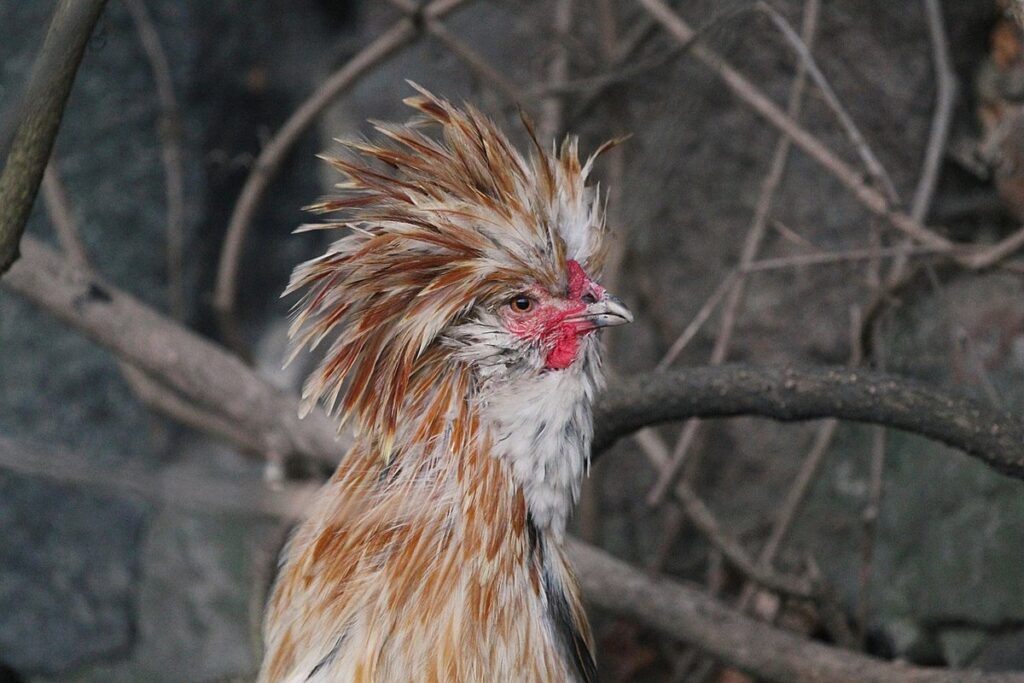
History and Origin of the Breed
Let’s dive into the rich history of the Polish Hen, a breed known for its striking appearance and friendly temperament. We’ll explore how this unique chicken came to be.
European Roots
The European Roots of the Polish Hen Breed
The Polish hen breed has its roots deeply embedded in Eastern Europe, specifically in Poland. For centuries, this breed has been a staple in poultry keeping throughout the region. Its history dates back to the 16th century when it was first bred for its unique characteristics and abilities.
Over time, the breed evolved through selective breeding and adaptation to local environments. Polish hens were prized for their egg-laying abilities, with some strains producing up to 200 brown eggs per year. They were also valued for their docile nature, making them an ideal choice for backyard flocks.
As Eastern European farmers passed down knowledge of the breed from generation to generation, the Polish hen became a symbol of local heritage and tradition. Today, enthusiasts around the world are working to preserve the breed’s integrity by adhering to traditional breeding practices and promoting its unique characteristics.
Early Adoption in the West
The Polish Hen’s popularity spread rapidly throughout Europe and beyond, making it one of the most beloved breeds among backyard chicken keepers and farmers. As early as the mid-19th century, this stunning breed caught the attention of bird enthusiasts in North America. They were particularly drawn to its unique topknots and vibrant plumage.
Backyard chicken keepers fell head over heels for the Polish Hen’s gentle nature, making it an excellent choice for families with children. Farmers, on the other hand, appreciated its egg-laying abilities – Polish Hens are known to produce a generous 200-220 brown eggs per year. The breed’s adaptability to various climates and living conditions made it an attractive option for many.
As the demand for this breed grew, breeders began crossing the Polish Hen with other popular breeds to create new varieties, such as the Polish Brahma and the Polish Cochin. This deliberate breeding aimed to combine the Polish Hen’s desirable traits with those of more prolific egg-layers or larger birds. The result was a wider range of options for chicken enthusiasts, who could choose from various combinations that suited their needs best.
Characteristics and Traits
When it comes to owning a chicken Polish Hen, understanding its unique characteristics is crucial for providing the best care. This section highlights key traits that make this breed special.
Temperament and Personality
The Polish Hen’s Gentle Nature Makes it a Perfect Fit for Families and First-Time Breeders
One of the standout characteristics of the Polish Hen breed is its exceptionally docile temperament. These gentle birds are known to be calm, laid-back, and easy-going, making them an ideal choice for families with children or first-time breeders. Their friendly nature allows them to quickly form bonds with their owners, and they often become affectionate and social companions.
Polish Hens are also surprisingly adaptable, thriving in a variety of living situations from small backyards to larger farms. They are relatively low-maintenance birds, requiring minimal space and care, making them an excellent choice for those new to poultry keeping. In fact, their gentle nature means they can even tolerate the occasional loud noise or commotion, making them a great fit for families with rambunctious kids.
If you’re thinking of adding a Polish Hen to your family, be prepared for a loyal and loving companion that will bring joy and laughter to your life. With proper care and attention, these wonderful birds can live up to 10 years or more, providing years of entertainment and delight.
Egg-Laying Ability
The Polish Hen’s Exceptional Egg-Laying Ability is a standout characteristic of this breed. On average, a Polish Hen will lay around 200-220 eggs per year, which is impressive considering their small size. Not only do they produce a high number of eggs, but the eggs themselves are also medium to large in size, with an average weight of around 60 grams.
Compared to other popular breeds like Leghorns and Rhode Island Reds, Polish Hens actually outperform them when it comes to egg production. While Leghorns can lay up to 280 eggs per year, they often come at the cost of smaller eggs. Meanwhile, Rhode Island Reds are known for their large eggs, but they typically only lay around 200-220 eggs per year as well.
To maximize your Polish Hen’s egg output, make sure they’re getting enough nutrients and exercise. Provide a balanced diet that includes plenty of protein, calcium, and vitamins to support healthy egg production. Also, ensure they have access to fresh water at all times and give them space to roam and forage. By following these simple tips, you can expect your Polish Hen to lay eggs consistently throughout the year.
Housing and Environment
When it comes to raising a happy and healthy Polish hen, providing a suitable environment for her is crucial. In this section, we’ll explore the ideal housing conditions for your feathered friend.
Space Requirements
When it comes to providing a healthy and happy living space for your Polish Hen flock, adequate space is crucial. A general rule of thumb for chicken coop size is to provide at least 3-4 square feet per bird inside the coop. However, this can vary depending on breed, climate, and personal preference.
For a larger coop with multiple hens, consider adding an additional square foot per bird for each new addition. This will give your flock ample room to move around, stretch their wings, and engage in natural behaviors like dust bathing and preening.
Don’t forget about the importance of a spacious run! Aim for at least 8-10 square feet of outdoor space per hen, with some breeds requiring as much as 12-15 square feet. This will allow your hens to exercise, forage, and enjoy fresh air and sunlight.
When it comes to perches and nesting boxes, prioritize comfort and accessibility. Provide at least one nesting box per three birds, and ensure each box is around 2×3 feet in size. For perches, use sturdy roosting bars that are at least 12 inches off the ground, with a minimum of 18 inches between each bar to prevent overcrowding.
Health Considerations
When it comes to keeping Polish Hens as pets or for egg production, their health should be a top priority. Unfortunately, these lovely birds are prone to several common health issues that can’t be ignored.
Respiratory problems are one of the most significant concerns when it comes to Polish Hens. Due to their compact bodies and short beaks, they have difficulty breathing, especially in hot or humid environments. To prevent respiratory issues, make sure your coop has adequate ventilation and maintain a clean environment by removing soiled bedding regularly.
Another issue affecting Polish Hens is feather pecking. This behavior can be triggered by boredom, stress, or inadequate nutrition. Provide your girls with plenty of space to roam, toys to play with, and a balanced diet that includes calcium supplements for strong bones and healthy feathers.
Regular vaccinations are crucial in protecting your flock against diseases such as Newcastle disease and Infectious Bronchitis. Consult with a veterinarian to determine the best vaccination schedule for your area.
Parasite control is another essential aspect of maintaining good health. Regularly inspect your birds for signs of mites, lice, or fleas, and use insecticidal powders or sprays as needed.
Feeding and Nutrition
When it comes to keeping your Polish hen happy and healthy, providing her with a balanced diet is crucial. In this next part, we’ll dive into feeding and nutrition tips specifically for this breed.
Dietary Needs
When it comes to feeding Polish Hens, their dietary needs are quite specific. These birds require a balanced diet that meets their protein requirements, as they need around 16-18% protein in their feed to maintain optimal health. A high-quality layer feed is ideal, but you can also supplement with treats like mealworms or sunflower seeds.
Calcium intake is also crucial for Polish Hens, especially if you’re planning to breed them. A calcium-rich feed or supplement will help ensure strong eggshell production and overall bone health. Aim for around 2-3% calcium in their diet, which can be achieved through a mix of layer feed and crushed oyster shells.
In addition to a nutritious diet, access to fresh water and forage is essential. Make sure your Polish Hens always have access to clean, unfrozen water, and provide them with plenty of fresh veggies and fruits as treats. You can also offer them free-range time in a secure area, where they can forage for wild plants and insects. This will not only keep them entertained but also help maintain their digestive health.
Supplemental Foods
When it comes to providing supplemental foods for your Polish hen, you have several options available. These treats can not only enhance their performance but also promote a healthy and balanced diet. One popular choice is scratch grains, which can be given as an occasional treat or added to their regular feed.
Scratch grains are a mix of various grains such as oats, barley, and wheat, and they provide essential nutrients like fiber, protein, and minerals. They’re easy to digest and can help stimulate your hen’s natural foraging behavior. You can sprinkle scratch grains on the ground or place them in a designated area for your Polish hen to peck at.
Another nutritious option is mealworms, which are high in protein and contain essential amino acids. These can be fed live or dried and are an excellent source of nutrition for egg-laying hens. Be sure to introduce new foods gradually to prevent digestive issues, and always provide fresh water alongside these treats. By incorporating these healthy options into your hen’s diet, you can support their overall well-being and promote optimal performance.
Breeding and Raising Chicks
Raising Polish hens from chicks requires patience, dedication, and proper care. In this next part, we’ll cover essential tips for breeding and raising healthy Polish chicks.
Where to Find Polish Hen Chicks
When searching for Polish Hen chicks, it’s essential to find reputable breeders or hatcheries that prioritize genetics, health, and origin. You can start by asking fellow chicken enthusiasts for recommendations or checking online forums dedicated to backyard chickens. Many breeders also participate in poultry shows or have a strong reputation within the community.
Look for breeders who provide documentation on their birds’ ancestry, including grandparents and great-grandparents. This will give you an idea of the bird’s genetic makeup and help ensure that it’s true to its Polish heritage. Additionally, consider the health status of the chicks, including vaccinations and disease testing.
Some popular resources for sourcing Polish Hen chicks include local breed clubs, national poultry associations, and online hatcheries like Cackle Hatchery or Metzer Farms. Be cautious when purchasing from individual sellers, as this can be a riskier option. It’s crucial to research and verify the breeder’s reputation before making a purchase.
Rearing Young Chicks
Rearing young chicks requires careful attention to their specific needs during the first few weeks of life. A newly hatched chick is fragile and vulnerable, requiring a warm and safe environment to develop properly. To achieve this, you’ll need to set up a brooder with adequate ventilation, heat lamps or heat mats to maintain temperatures between 90-100°F (32-38°C) for the first week.
As chicks grow, you can gradually decrease the temperature by 5°F each week until it reaches around 70°F (21°C). It’s essential to monitor the temperature and humidity levels in the brooder to prevent overheating or respiratory issues.
You should also establish a feeding schedule that includes starter feed available at all times, with fresh water provided every hour. Offer grit and oyster shells as supplements to support strong bone growth.
Some breeders choose to vaccinate their chicks against diseases such as Marek’s or Newcastle disease, but it’s not always necessary for backyard flocks. Consult a veterinarian for advice on vaccinations tailored to your specific flock needs.
Conclusion and Final Tips
As we wrap up our guide on raising a happy and healthy chicken Polish hen, let’s take a look at some final tips to ensure your feathered friend thrives.
Recap of Key Points
When it comes to Polish Hens, there are several key points to remember. These birds are known for their unique characteristics, such as their bearded appearance and rose-comb. They’re also friendly, docile, and adaptable to various environments.
One of the most distinctive features of Polish Hens is their feathered face and legs, which can make them appear quite comical at times. However, this feature also requires some extra care, as it can be prone to matting and tangling if not regularly maintained.
In terms of requirements, Polish Hens are relatively low-maintenance birds that don’t require a lot of space or specialized equipment. They’re happy with a small coop and run, provided they have access to fresh air, water, and food.
Overall, the adaptability and friendly nature of Polish Hens make them an excellent choice for backyard chicken keepers. With proper care and attention, these birds can thrive in a variety of settings, making them a popular choice among poultry enthusiasts.
Common Challenges and Solutions
Keeping Polish Hens can be an absolute joy, but like with any pet, there are some common challenges that may arise. One of the most significant issues is heat stress, as these beautiful birds can quickly overheat in warm weather. To combat this, make sure to provide plenty of shade and ventilation in their coop and run, and consider adding a mister or sprinkler system to help keep them cool.
Another common challenge is dust bathing, which can be a nightmare for some owners. However, it’s essential for your hens’ health, so instead of trying to eliminate it altogether, try creating a designated dust bathing area with a loose substrate like sand or wood shavings. This will make cleanup easier and reduce the mess in other areas.
Some owners also struggle with broodiness, where their hens become obsessed with sitting on eggs. While this can be adorable, it’s not ideal for egg production. To manage broodiness, try separating your hens from any roosters or providing plenty of exercise and enrichment activities to keep them occupied.
Frequently Asked Questions
Can I raise Polish Hens with other breeds, or do they require separate housing?
Polish Hens can be raised with other breeds, but it’s essential to consider their unique needs and temperaments when creating a flock. They are known for being friendly and docile, so they’ll get along with most breeds. However, keep in mind that Polish Hens are prolific layers and may require separate housing to prevent egg pecking.
How long do Polish Hens take to mature and start laying eggs?
Polish Hens typically reach maturity between 16-20 weeks of age, depending on their diet, living conditions, and genetics. They’ll begin laying small to medium-sized eggs at around 18-24 weeks. To ensure optimal egg production, provide your hens with a balanced diet, adequate space, and proper care.
Are Polish Hens prone to any specific health issues?
Like all chicken breeds, Polish Hens can be susceptible to certain health issues, such as respiratory problems and mites. However, they are generally hardy birds with robust immune systems. Regular health checks, clean living conditions, and a balanced diet will help minimize the risk of health issues.
Can I breed Polish Hens for egg-laying purposes, or are they better suited for show?
Polish Hens can be bred for both egg-laying and showing. They’re renowned for their stunning appearance and charming personalities, making them a popular choice among chicken enthusiasts. If you’re interested in breeding Polish Hens, research their genetics and choose breeders with a focus on egg production or exhibition.
Do Polish Hens require any specific vaccinations or parasite control measures?
While Polish Hens are generally healthy birds, it’s essential to take preventative measures against common chicken diseases and parasites. Consult with a veterinarian to determine the best vaccination schedule for your flock, and implement regular deworming practices to prevent internal parasites.