
As a poultry producer or farm owner, you’re likely no stranger to managing waste. But did you know that turning this waste into a valuable resource can not only reduce your environmental footprint but also generate renewable energy? Poultry composting is an often-overlooked practice that’s gaining momentum in the agricultural industry, and for good reason. By implementing effective poultry composting best practices, you can conserve water and land resources, minimize odors and pests, and even create a revenue stream through the sale of nutrient-rich compost.
But with so many variables to consider – from feedstock selection to regulatory compliance – it’s easy to get overwhelmed. That’s why we’ve put together this comprehensive guide to poultry composting best practices. In this article, we’ll walk you through the ins and outs of implementing a successful poultry composting program, including tips on design, operation, and maintenance, as well as guidance on ensuring regulatory compliance.
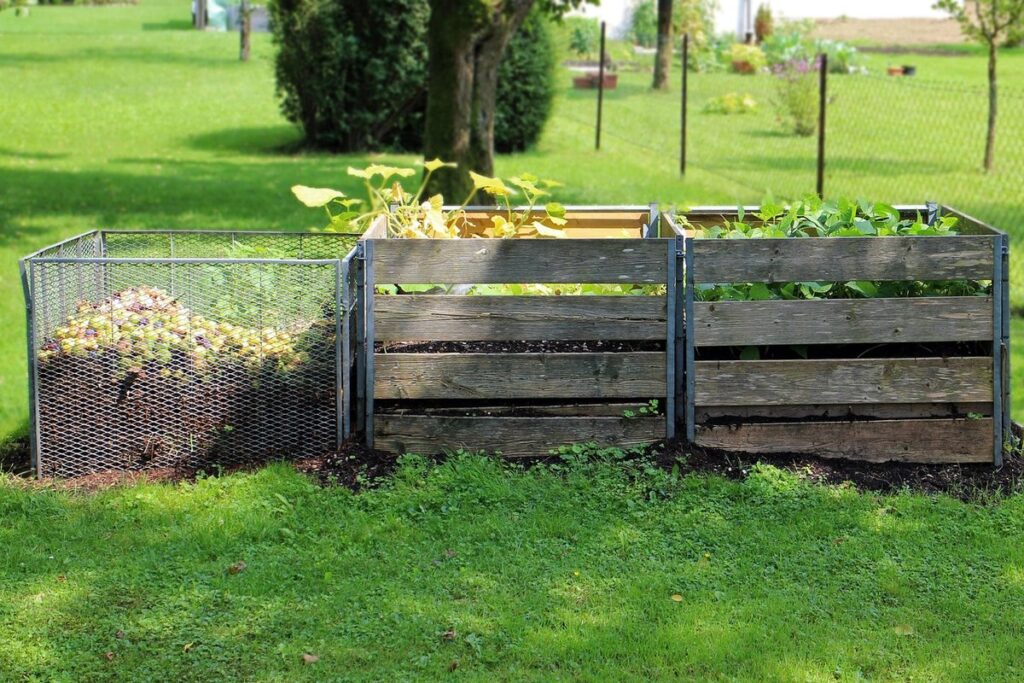
Benefits and Importance of Poultry Composting
When done correctly, poultry composting can be a highly rewarding practice for backyard farmers, offering numerous benefits for soil health and environmental sustainability. Let’s dive into these advantages in more detail.
Reducing Waste and Environmental Impact
When implemented correctly, poultry composting offers numerous environmental benefits that extend beyond the farm. By diverting organic waste from landfills, you can significantly reduce the amount of waste sent to these facilities. According to the EPA, about 34% of municipal solid waste in the US is food waste, with a substantial portion of this coming from agricultural sources like poultry farms.
By composting your poultry waste, you not only reduce the volume of waste sent to landfills but also conserve water. Composting can help retain soil moisture, reducing the need for irrigation and minimizing evaporation. This is especially crucial in areas where water scarcity is a pressing concern. For instance, California’s drought-stricken farmers have seen remarkable benefits from implementing composting practices.
Moreover, poultry composting can mitigate environmental pollution by reducing greenhouse gas emissions. Composting organic waste, including manure, captures the methane that would otherwise be released into the atmosphere, contributing to climate change. By adopting a poultry composting best practice, you’re contributing to a more sustainable and environmentally friendly agricultural system.
Energy Efficiency and Cost Savings
Using composted manure as a renewable fuel source offers numerous benefits when it comes to energy efficiency and cost savings. Composted poultry manure can be converted into biogas through anaerobic digestion, which can then be utilized for electricity generation or heat production. This process not only reduces the reliance on fossil fuels but also minimizes greenhouse gas emissions.
In terms of cost savings, using composted manure as a fuel source can significantly reduce energy costs associated with traditional fuel sources. According to a study by the US Department of Agriculture, biogas production from poultry waste can generate up to 50% more electricity than traditional fossil fuels. Additionally, composting operations can also capture heat and utilize it for drying purposes or space heating.
To maximize energy efficiency and cost savings, it’s essential to consider factors such as feedstock quality, digestion efficiency, and gas utilization rate when setting up a biogas production system. This may involve optimizing the composting process, implementing efficient anaerobic digestion systems, and ensuring proper gas management practices. By adopting these strategies, poultry producers can unlock significant energy efficiency and cost savings benefits while promoting sustainable agriculture practices.
Types of Poultry Composting Systems
There are several types of poultry composting systems to consider, each with its own benefits and drawbacks that we’ll explore below. We’ll take a closer look at the most common methods used today.
Passive Composting Methods
Passive composting methods are an essential part of maintaining efficient and environmentally friendly poultry operations. In this context, two popular passive composting techniques are pile composting and windrow composting.
Pile composting involves stacking organic materials such as manure, bedding, and food waste into a single pile. This method allows for natural decomposition processes to occur without the need for external energy or equipment. The size of the pile can vary depending on factors like available space and material quantity, but a general rule is to maintain piles between 3-5 feet in height.
Windrow composting is another passive method where organic materials are spread out in long rows or “windrows.” This technique allows for increased airflow and sunlight exposure, which accelerates the decomposition process. As with pile composting, windrow composting relies on natural processes to break down materials, eliminating the need for artificial means.
When implementing either of these methods, it’s essential to balance carbon-rich and nitrogen-rich materials to achieve optimal decomposition rates. Aim for a mix of 2/3 “brown” materials (dry and fibrous) like straw or shredded newspaper, with 1/3 “green” materials (wet and high in nitrogen) such as manure or food waste. Regular monitoring and maintenance ensure the process remains efficient and prevents odors, pests, and other issues associated with poor composting practices.
Active Composting Methods
Active composting methods rely on microorganisms to break down organic matter quickly. These methods involve adding bulking agents and turning the pile regularly to ensure aeration and moisture control. Microorganisms such as bacteria, fungi, and protozoa feed on the nitrogen-rich materials, breaking them down into carbon-rich humus.
One popular active composting method is the “Hot Composting” technique, where microorganisms are introduced through bulking agents like peat moss or coconut coir. This method accelerates decomposition by creating a thermophilic environment that reaches temperatures up to 160°F (71°C). For example, in a commercial poultry farm, hot composting can reduce manure volume by up to 70% within just two weeks.
Another active composting method is the “Bokashi Composting” technique, which uses microorganisms from the bokashi mix to ferment organic matter. This process creates a nutrient-rich liquid fertilizer that’s high in nitrogen and phosphorus. To get started with active composting, choose a suitable bulking agent and ensure adequate moisture (around 50-60% water content) for optimal microbial activity.
Regular turning of the pile is crucial to maintain oxygen flow and prevent anaerobic conditions. A general rule of thumb is to turn the pile every 2-3 days during hot composting or weekly during bokashi composting.
Composting with Anaerobic Digestion
Composting with anaerobic digestion is an innovative approach to poultry manure management. This method involves breaking down organic matter without oxygen, producing biogas as a byproduct. Anaerobic digestion reduces waste volume and generates energy through the conversion of volatile solids into methane (CH4) and carbon dioxide (CO2). The resulting biogas can be harnessed for electricity or heat production, reducing reliance on external energy sources.
A well-designed anaerobic digestion system involves a combination of pretreatment, microbial action, and gas collection. Manure is fed into the digester where microorganisms break down the organic matter in the absence of oxygen. This process takes around 20-30 days to complete, depending on factors like temperature, pH, and nutrient levels.
When implemented correctly, anaerobic digestion systems can reduce pathogens by up to 99%, producing a high-quality compost for agricultural use. To get started with anaerobic digestion, you’ll need to select the right digester type (e.g., in-vessel or sludge lagoon) and ensure proper operation and maintenance. Regular monitoring of temperature, pH, and gas production is crucial to maximize efficiency and minimize risks. With careful planning and execution, anaerobic digestion can be a valuable addition to your poultry composting operations.
Setting Up an Effective Poultry Composting System
To set up a thriving poultry composting system, you’ll need to choose the right materials, select a suitable location, and design it for optimal airflow and moisture control. Let’s dive into the details!
Site Selection and Preparation
When selecting a site for your poultry composting operation, it’s essential to consider factors that will ensure successful and odor-free composting. The ideal location should be well-ventilated, receiving at least six hours of direct sunlight daily. Avoid areas with standing water or where water tends to collect as this can create anaerobic conditions, leading to unpleasant odors.
It’s also crucial to ensure the site is level and easily accessible for regular maintenance. A slight incline can help facilitate water drainage, but be cautious not to slope too steeply, which may cause erosion.
Before commencing operation, prepare the site by clearing any debris or vegetation. Remove any rocks or other obstructions that could interfere with equipment movement or access. A 10-foot buffer around the composting area is recommended to contain any potential odor issues. Consider installing a fence to maintain the area’s integrity and prevent unauthorized access. Proper site selection and preparation are critical for maintaining a clean, safe, and efficient poultry composting operation.
Equipment and Infrastructure Requirements
To set up an effective poultry composting system, you’ll need to invest in the right equipment and infrastructure. This includes a compost turner, which is essential for regular turning and mixing of the compost pile. The type of turner you choose will depend on the size of your operation and the amount of waste you’re handling.
In addition to a compost turner, you’ll also need a system for collecting and storing manure from the poultry house. This can be as simple as a series of gutters or channels that direct waste into a central collection point. You’ll also want to consider investing in a covered storage area for finished compost, which will help keep it dry and protected from pests.
Another crucial aspect is ventilation and climate control within the composting facility. Adequate airflow helps regulate temperatures and prevent the buildup of ammonia and other gases that can be hazardous to human health. Aim for a balance between oxygen supply and carbon dioxide removal to maintain optimal conditions for decomposition.
When selecting equipment, prioritize durability, ease of maintenance, and compatibility with your existing infrastructure. Consider factors like energy efficiency, noise levels, and safety features when making your decisions. Regular cleaning and inspection will also help ensure the longevity of your equipment and prevent costly repairs down the line.
Managing Moisture, Odor, and Pest Control
Managing moisture levels is crucial to prevent anaerobic conditions that produce ammonia and attract pests. Aim for a mix of “damp but not soggy” materials, allowing excess water to drain off the compost pile. Regularly check moisture levels by sticking your hand into the pile up to the wrist; if it feels dry, add water, and if it’s too wet, turn the pile to aerate it.
To minimize odor emissions, ensure adequate aeration and carbon-to-nitrogen (C:N) ratio balance. A C:N ratio of 25:1 to 30:1 is recommended for poultry composting. Add more brown materials like straw or shredded newspaper to absorb excess moisture and reduce odors. Regular turning and monitoring the pile’s temperature can also help control odor buildup.
Pest control measures include using physical barriers around the compost area, keeping the pile covered with a tarp, and adding diatomaceous earth or ash to deter pests. Monitor the pile regularly for signs of pests like rodents, insects, or birds, and take action promptly to prevent infestation.
Monitoring and Maintaining Poultry Composting Systems
Regular monitoring is crucial to ensure that your poultry composting system runs smoothly, and we’ll walk you through how to do it effectively in this next section.
Monitoring Temperature, pH, and Carbon-to-Nitrogen Ratios
Monitoring temperature, pH, and carbon-to-nitrogen ratios is crucial for achieving optimal compost quality. Regular monitoring allows you to identify potential issues before they become major problems.
Temperature monitoring is essential as it indicates the presence of microorganisms breaking down organic matter. Use a thermometer to check the pile’s internal temperature daily or every other day. Aim for temperatures between 130°F and 140°F (54°C and 60°C) for optimal decomposition. If temperatures rise above 160°F (71°C), this can lead to nitrogen loss.
pH monitoring is also vital as it affects microbial activity. Use pH test strips or a meter to check the pile’s acidity level regularly. Most compost piles will have a slightly acidic pH, ranging from 5.5 to 7. Aim for a pH close to neutral (around 6.5) for optimal decomposition.
Monitoring carbon-to-nitrogen ratios is equally important as it affects nutrient availability in the finished compost. A ratio between 20:1 and 30:1 is ideal, with carbon-rich materials like straw or sawdust providing the necessary balance. Maintain this ratio by adjusting the amount of carbon-rich materials added to the pile.
Regular monitoring allows you to make adjustments and ensure optimal conditions for microorganisms to break down organic matter efficiently.
Regular Maintenance and Upgrades
Regular maintenance tasks are crucial to ensure efficient decomposition and prevent potential issues in poultry composting systems. Turning piles or windrows is a fundamental task that should be done regularly to promote aerobic conditions and prevent anaerobic processes.
When turning piles, it’s essential to do so at the right frequency and depth. As a general rule, turn the pile every 7-10 days, taking care not to compact the material too much. You can also use a pitchfork or shovel to gently aerate the pile without damaging the underlying structure.
A good indicator of when to turn is if you notice a significant amount of liquid accumulating at the bottom of the pile. This suggests that anaerobic conditions are developing, and turning will help reintroduce oxygen. In addition to regular turning, also ensure that your system has adequate space between windrows or piles for air circulation.
Some composting systems may require more frequent maintenance due to factors such as temperature fluctuations or high humidity levels. Keep an eye on these variables and adjust your maintenance schedule accordingly. By incorporating regular turning into your routine, you’ll maintain a healthy balance in the decomposition process and ensure that your poultry compost is produced efficiently.
Composting for Poultry Farmers: Regulatory Compliance
As a poultry farmer, understanding regulatory compliance is crucial when it comes to composting. This section will guide you through the key regulations and guidelines you need to follow.
Understanding Regulations and Guidelines
Understanding regulations and guidelines governing poultry composting operations is crucial to ensure compliance with environmental and health standards. These regulations vary by country and region, so it’s essential to familiarize yourself with the specific laws and guidelines that apply to your operation.
In the United States, for instance, the Environmental Protection Agency (EPA) regulates composting under the Resource Conservation and Recovery Act (RCRA). This law requires poultry farmers to obtain a permit before composting manure on-site or transporting it off-site. The National Organic Program (NOP) also sets standards for organic composting practices.
In Europe, the European Union’s (EU) Waste Framework Directive (2008/98/EC) and the Landfill Directive (1999/31/EC) regulate waste management, including poultry manure composting. Similarly, in Australia, the National Environment Protection Measure (NEPM) for Effluent Standards sets standards for effluent treatment, including composting.
To ensure regulatory compliance, poultry farmers should consult with local authorities and obtain necessary permits before establishing a composting operation. Regularly reviewing and updating knowledge on relevant regulations is also vital to maintaining compliance and minimizing potential fines or penalties.
Record Keeping and Reporting Requirements
As a poultry farmer embarking on composting operations, it’s essential to understand the record-keeping and reporting requirements that ensure regulatory compliance. This is not just about meeting legal obligations but also maintaining transparency and accountability throughout the process.
Record keeping involves documenting every aspect of your composting operation, from receiving materials to monitoring microbial activity and nutrient levels. You’ll need to track temperature fluctuations, moisture levels, and carbon-to-nitrogen ratios to ensure optimal conditions for decomposition. Keep accurate records of production volumes, storage capacity, and disposal methods.
When it comes to reporting requirements, you may be asked to provide data on waste inputs, output materials, and any emissions generated during the composting process. Regularly inspect your facilities and equipment to identify potential areas for improvement and maintain detailed records of repairs, maintenance, and upgrades.
By maintaining thorough records and submitting timely reports, you’ll not only avoid regulatory penalties but also demonstrate your commitment to environmental stewardship and sustainable practices.
Troubleshooting Common Issues in Poultry Composting
When you hit a snag in your poultry composting process, don’t worry – we’ve got solutions to common issues that can get you back on track. We’ll walk through some of the most frequent problems and their easy fixes.
Addressing Temperature Fluctuations and Odor Problems
When dealing with poultry composting, two common issues that can arise are temperature fluctuations and excessive odor emissions. Temperature fluctuations can be caused by inadequate aeration, uneven moisture levels, or contaminants in the pile. To address this issue, it’s essential to monitor the pile’s temperature regularly using a thermometer. If the temperature exceeds 160°F (71°C), it may indicate over-heating, which can lead to odors and kill beneficial microbes.
To prevent over-heating, ensure proper aeration by adding more bulking agents or turning the pile regularly. You should also maintain optimal moisture levels between 50-60% to promote healthy microbial activity. Regularly inspect the pile for any contaminants, such as animal hair or bedding material, which can introduce pathogens and cause odors.
Excessive odor emissions can be caused by an imbalance of C:N ratio, inadequate aeration, or high ammonia levels. To mitigate this issue, ensure that you’re maintaining a balanced C:N ratio by incorporating carbon-rich materials like straw or coconut coir into the pile. Also, maintain good ventilation in your composting area and consider using odor-absorbing products like zeolite to minimize unpleasant odors.
By addressing these common issues proactively, you can optimize your poultry composting process and produce high-quality compost that’s free from pathogens and excess nutrients.
Managing Pathogens and Parasites
Reducing pathogens and parasites is crucial to producing a safe final compost product. Pathogens like E. coli and Salmonella can be present in raw poultry manure, while parasites such as mites, lice, and coccidiosis can also contaminate the material.
To minimize these risks, it’s essential to implement proper temperature management. Composting at high temperatures (55°C/131°F or higher) for a sufficient duration (14-28 days) will help eliminate most pathogens and parasites. However, this process must be carefully monitored, as inadequate heat can lead to incomplete kill-off.
Another critical factor is maintaining adequate moisture levels during the composting process. Proper moisture helps ensure that microorganisms have an optimal environment for killing off pathogens and parasites.
It’s also vital to consider the carbon-to-nitrogen (C:N) ratio of your compost pile, as this balance affects microbial activity and decomposition speed. A balanced C:N ratio will help create a favorable environment for beneficial microbes to thrive while minimizing the growth of pathogenic microorganisms. Regular turning and monitoring of the compost pile is also crucial in maintaining an ideal environment for safe decomposition.
Conclusion: Implementing Successful Poultry Composting Practices
In conclusion, implementing successful poultry composting practices requires careful attention to detail and a commitment to following best practices. To ensure that your composting operation is running smoothly and efficiently, it’s essential to regularly monitor temperature, moisture levels, and carbon-to-nitrogen ratios. This may involve taking readings with a thermometer or pH meter, as well as manually mixing the pile every few days. By staying on top of these factors, you can create an optimal environment for composting to occur.
Ultimately, successful poultry composting is all about striking the right balance between “green” (nitrogen-rich) and “brown” (carbon-rich) materials. By incorporating a mix of bedding, manure, and other organic matter into your pile, you can create a nutrient-dense compost that’s perfect for fertilizing crops or improving soil health. With practice and patience, you’ll be well on your way to producing high-quality compost that benefits both your farm and the environment.
Frequently Asked Questions
What are the most critical factors to consider when selecting a site for my poultry composting operation?
When choosing a location, ensure it’s easily accessible for transportation of feedstock and finished compost. Consider proximity to water sources and potential odor impacts on neighboring properties. Also, verify that the site is not located in a floodplain or areas with poor drainage.
How can I handle pest control issues in my poultry composting system?
Regularly monitor your operation for signs of pests, such as rodents, flies, or ants. Implement exclusion methods like mesh screens or netting to prevent entry. Consider using natural deterrents like diatomaceous earth or essential oils to manage infestations.
Can I use a combination of active and passive composting methods in my poultry composting system?
Yes, many operations successfully integrate both approaches to optimize their process. Active composting can provide a quicker turnaround for certain materials, while passive systems offer more cost-effective long-term solutions. Consider your specific feedstock needs and goals when deciding on a hybrid approach.
How do I ensure the finished compost meets regulatory standards for nutrient content and pathogen reduction?
Work closely with your state’s department of agriculture or environmental agency to understand specific requirements. Regularly test your compost for key parameters like pH, carbon-to-nitrogen ratios, and pathogens. Implement quality control measures to minimize contamination risks.
Can I use poultry composting as a revenue-generating activity through the sale of finished compost?
Yes, many farmers successfully market their nutrient-rich compost as a valuable resource for local gardeners and landscapers. Develop a sales strategy that emphasizes the unique benefits of your product, such as its high nutrient content or environmentally friendly production methods. Consider partnering with local nurseries or gardening suppliers to expand your customer base.