
Raising chickens can be a fun and rewarding experience for backyard farmers and rural residents alike. But did you know that pullet chickens offer some unique advantages over their larger counterparts? These young hens are smaller, easier to care for, and more environmentally friendly than standard adult chickens. If you’re considering adding some feathered friends to your flock, learning about the benefits of raising pullet chickens is a great place to start. In this comprehensive guide, we’ll delve into the advantages of pullets, including their lower feed requirements, reduced noise levels, and sustainable living benefits. We’ll also provide expert care tips and advice on how to integrate these wonderful birds into your backyard or farm, making it easy for anyone to get started with raising their own pullet chickens.
What are Pullet Chickens?
If you’re new to backyard chickens, understanding what pullet chickens are is a great place to start. In this section, we’ll explore the characteristics and traits that define these young hens.
Definition and Origin
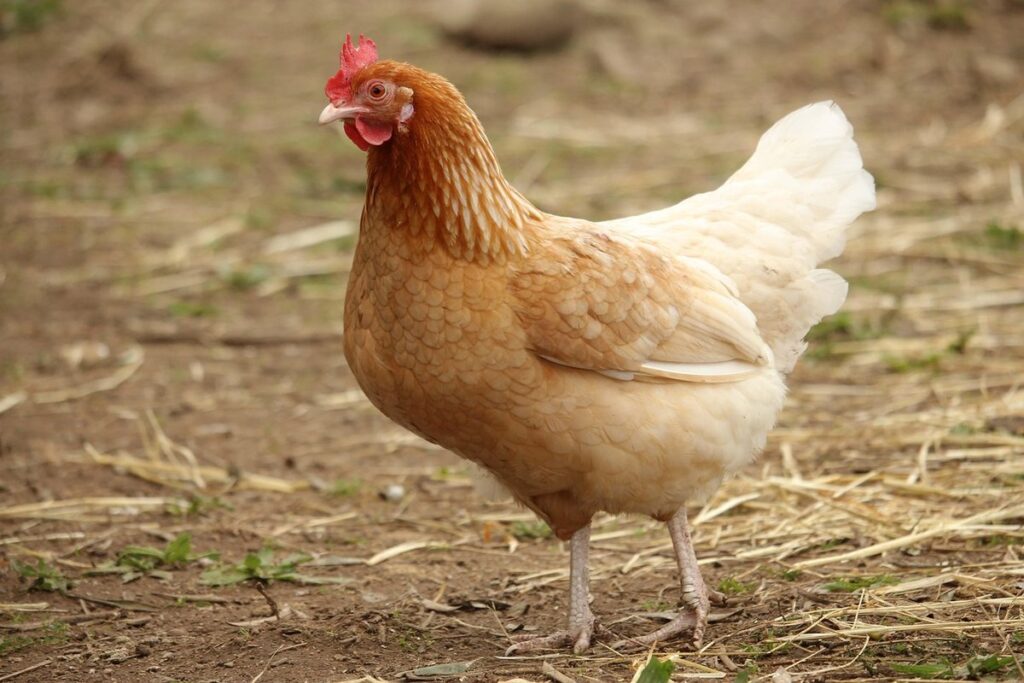
Pullets are young female chickens that are raised specifically for their potential to become egg-laying hens. These birds are typically less than 1 year old and have not yet reached full maturity. The term “pullet” is often used interchangeably with the term “young hen,” but technically, pullets are females under 1 year of age.
The origins of pullet chickens can be traced back to various breeds developed around the world for their egg-laying abilities. Some popular breeds include Leghorns, Rhode Island Reds, and Barred Rocks. These birds have been selectively bred over time for their high egg production rates, friendly temperaments, and adaptability in different environments.
One of the key characteristics that distinguish pullet chickens from other types is their sex-specific development. Pullets are raised to be egg-laying hens, whereas cockerels (male chicks) are often used for meat production or as breeding stock. By understanding these characteristics and origins, you can better appreciate the unique needs and potential of pullet chickens in your backyard flock or commercial operation.
Importance in Modern Chicken Keeping
In recent years, backyard chicken keepers and urban farmers have increasingly turned to pullet chickens for their small-scale egg production needs. This trend is driven by the growing awareness of sustainability and the desire to reduce one’s carbon footprint. Pullet chickens offer several benefits that make them an attractive choice for those looking to raise chickens.
One of the primary advantages of pullet chickens is their ability to provide a steady supply of fresh eggs without the need for large-scale commercial operations. On average, a healthy pullet will lay around 280-300 eggs per year, making them an ideal choice for small households or families with limited space. Moreover, pullets are often more docile and easier to handle than their full-grown counterparts, reducing stress and anxiety for those new to chicken keeping.
As the demand for locally sourced food continues to rise, pullet chickens offer a unique opportunity for urban farmers to capitalize on this trend while promoting sustainability in their communities. By raising pullets, backyard chicken keepers can enjoy fresh eggs from their own property while also contributing to a more environmentally friendly food system.
Benefits of Raising Pullet Chickens
Raising pullet chickens can be a rewarding experience, and understanding their benefits is a great place to start. Let’s explore why these young hens make fantastic additions to any backyard flock.
Advantages Over Other Chicken Breeds
When it comes to raising chickens, many backyard farmers are drawn to pullet chickens for their numerous advantages over other breeds. One of the primary benefits is easier management. Pullet chickens mature faster than other breeds, reaching egg-laying maturity within 18-20 weeks. This means you’ll have a consistent supply of fresh eggs sooner, with less need for frequent replacements.
Another significant advantage of pullet chickens is their reduced noise levels. Unlike some other breeds that are known for their loud clucking, pullets are generally quieter and won’t disturb your neighbors or family members. If you live in an urban area or have limited space, this can be a major plus. Plus, their lower energy requirements mean they need less food and water, making them more cost-effective to care for.
In terms of space requirements, pullet chickens also come out on top. They’re relatively compact birds that don’t require as much room to roam as larger breeds. This makes them ideal for small backyards or urban farms with limited space constraints. Overall, the advantages of pullet chickens make them an excellent choice for anyone looking to start a backyard chicken flock.
Environmental Benefits
Raising pullet chickens can have a significant impact on the environment, making it an attractive option for those looking to live more sustainably. For one, poultry farming is a significant contributor to greenhouse gas emissions, but backyard chicken-keeping reduces this carbon footprint significantly. By raising pullets on your own property, you’re not only reducing transportation-related emissions but also promoting local food production.
In terms of water conservation, chickens are surprisingly efficient users of water. They require minimal amounts to stay hydrated, especially when compared to other livestock like cows or pigs. A typical pullet flock can thrive with as little as 2-3 gallons of water per day, making them an attractive option for those looking to conserve this precious resource.
To promote eco-friendly farming practices, consider implementing a few simple strategies in your backyard chicken-keeping setup. For example, use composting toilets or recycling systems to minimize waste and reduce the environmental impact of your flock’s manure. Additionally, look into using alternative feeding methods like scratch grains or mealworms, which can significantly reduce the carbon footprint associated with traditional feed production.
Choosing the Right Pullet Chicken Breed
When selecting a pullet chicken breed, consider factors such as temperament, egg production, and space requirements to ensure a great fit for your backyard flock. This is especially true if you’re new to raising chickens.
Key Considerations for Selection
When selecting a pullet chicken breed, several key considerations come into play. As a beginner or experienced chicken keeper, you’ll want to evaluate breeds based on their egg-laying capacity. Some popular choices for beginners include Leghorns and Rhode Island Reds, which offer reliable laying capabilities.
However, size is another critical factor to consider. If you have limited space in your backyard, smaller breeds like Bantams or Silkie chickens may be more suitable. These compact birds produce fewer eggs but require less space and feed.
Temperament is also an essential consideration, especially if you plan to keep pullets as pets or with other animals. Friendly breeds like Barred Rocks and Golden Comets are known for their docile nature, making them perfect for families or first-time chicken keepers. Lastly, hardiness is a vital aspect to evaluate. Some breeds are more resistant to disease and harsh weather conditions than others.
When choosing a breed, assess your needs and lifestyle to ensure you select a pullet that fits your requirements. Research different breeds, read reviews, and consider visiting local farms or attending chicken shows to get hands-on experience with various breeds before making an informed decision.
Popular Pullet Breeds for Small-Scale Production
When it comes to small-scale pullet production, choosing the right breed can make all the difference. Here are some popular breeds that excel in this environment:
The Marans is a popular choice for its dark, rich eggs and robust health. They’re relatively low-maintenance, requiring less space and food than larger breeds. However, their foraging abilities can be limited due to their compact size.
Another excellent option is the Leghorn. While they’re known for high egg production, they also adapt well to small spaces and are generally easy-going. Their only drawback lies in their potential for being overly curious and energetic.
If you’re looking for a breed with impressive foraging skills, consider the Wyandotte. They’re hardy, adaptable birds that can thrive in smaller enclosures, provided with adequate space for exercise. However, their tendency to be heavy-set may limit their mobility in very small areas.
Lastly, don’t underestimate the Orpington’s potential for pullet production. Their calm nature makes them a great fit for small-scale operations, and they’re relatively easy to manage due to their docile temperament. Be aware that their larger size can lead to increased feed requirements and reduced egg-laying capacity compared to more compact breeds.
When selecting from these breeds, remember to consider your specific operation’s needs, including available space, climate, and management practices. This will help you choose the most suitable breed for a successful small-scale pullet production venture.
Caring for Your Pullet Chickens
Proper care and management are crucial for your pullet chickens’ health and happiness, and we’re about to dive into the essential tips you need to know. Next up, learn how to keep your girls happy and thriving.
Housing Requirements and Setup
When it comes to housing your pullet chickens, providing a safe and healthy environment is crucial for their well-being. The coop should be spacious enough to accommodate all the birds comfortably, with adequate ventilation to prevent ammonia buildup from droppings. A good rule of thumb is to provide at least 2-3 square feet of space per chicken inside the coop.
Ventilation is also essential, and you can achieve this by installing windows or vents that allow fresh air to circulate through the coop. Make sure to position these openings in a way that they are not accessible to predators, such as hawks or raccoons. Consider adding hardware cloth or chicken wire around the coop’s perimeter to protect your birds from predators.
Protecting your pullet chickens from predators is also vital. You can use electric fencing to enclose the run and prevent unwanted visitors from getting inside. It’s also a good idea to cover any gaps in the coop’s walls or floor with hardware cloth to prevent predators from digging their way in. By providing a secure and well-ventilated coop, you’ll be able to keep your pullet chickens happy and healthy.
Nutrition and Feeding Strategies
As your pullet chickens grow and develop, their nutritional needs will change. It’s essential to provide them with a balanced diet that meets their specific requirements at each stage of growth.
At around 16-18 weeks, pullets begin to lay eggs and require more calcium for strong eggshell production. You can achieve this by providing oyster shells or crushed eggshells as a supplement to their regular feed. For example, you can mix 1 tablespoon of crushed eggshells into their daily ration.
In the grower stage (around 20-24 weeks), pullets require more protein and energy for muscle development. Consider using a starter-grower feed with a minimum of 16% protein content. As they approach laying age (around 26-30 weeks), focus on maintaining eggshell quality by providing adequate calcium.
Monitor your flock’s weight, feather condition, and overall health to adjust feeding strategies accordingly. Keep in mind that pullet chickens have different nutritional needs than adult hens, so it’s crucial to tailor their diet to their specific stage of development.
Managing Health and Hygiene in Pullet Flocks
Maintaining a healthy pullet flock is crucial for their well-being, so let’s dive into the essential tips for managing health and hygiene to keep your girls happy and thriving.
Common Health Issues and Prevention
As a pullet flock owner, it’s essential to be aware of common health issues that can affect your birds. Pullet flocks are prone to various diseases and parasites, which can lead to significant losses if not managed properly. One of the most common health issues is respiratory disease, caused by viruses such as infectious bronchitis or Newcastle disease. Vaccinations can help prevent these diseases, but it’s crucial to follow a proper vaccination schedule.
Parasite control is also vital in preventing health issues in pullet flocks. Internal parasites like worms and mites can cause anemia, weight loss, and even death if left untreated. Regular deworming and monitoring for signs of parasite infestation are essential. Biosecurity protocols should be implemented to prevent the introduction of diseases into your flock. This includes proper sanitation, isolation of new birds, and regular cleaning and disinfection of equipment.
Regular health checks by a veterinarian can help identify any issues early on, allowing you to take prompt action. By being proactive in preventing and managing health issues, you can ensure the overall well-being and productivity of your pullet flock.
Biosecurity and Sanitation Best Practices
Maintaining a clean and healthy environment for your pullet flock is crucial to prevent disease outbreaks and ensure optimal growth. Regular cleaning schedules should be implemented to remove waste, debris, and dust that can harbor pathogens. The frequency of cleaning will depend on the size of the flock and the type of housing.
Clean the coop at least once a week, removing soiled bedding, disinfecting surfaces with a 1:10 solution of bleach to water, and replenishing fresh bedding material. Consider implementing a deeper clean every two months, where you strip the entire coop of its contents and disinfect everything thoroughly.
Effective waste management is also essential. Store manure in a designated area outside the coop, and consider using a covered storage container to prevent moisture buildup. Make sure to remove any dead birds promptly, following proper biosecurity protocols for handling and disposing of carcasses.
By implementing these cleaning schedules and waste management strategies, you can help maintain a healthy environment for your pullet flock and reduce the risk of disease outbreaks. Remember to always follow local regulations regarding animal waste disposal and maintain accurate records of your cleaning activities.
Integrating Pullet Chickens into Your Backyard or Farm
When it comes to incorporating pullet chickens into your backyard or farm, their integration is crucial for a harmonious and productive flock. Here’s how to do it smoothly.
Space Planning and Layout Considerations
When integrating pullet chickens into your backyard or farm, it’s essential to consider space planning and layout carefully. This will not only ensure a stress-free coexistence between humans and poultry but also guarantee the health and well-being of your new feathered friends.
Firstly, assess the available space you have dedicated for your pullets. Consider their adult size – most breeds will reach about 5-6 feet in length and require at least 2-3 square feet per bird inside the coop, plus additional outdoor space for exercise. For example, if you plan to keep 10 birds, you’ll need a minimum of 20-30 square feet inside the coop.
When designing or modifying your existing coop, prioritize accessibility, cleanliness, and ventilation. Ensure that there’s adequate airflow, natural light, and protection from harsh weather conditions. A well-planned layout will also make it easier to collect eggs, clean out droppings, and perform routine checks on your birds’ health.
Remember, proper space planning is crucial for maintaining a harmonious and healthy environment for both humans and pullets. By allocating sufficient space and incorporating thoughtful design elements, you’ll set yourself up for success in raising happy, thriving poultry.
Tips for Successful Co-Existence with Other Livestock
When integrating pullet chickens into your backyard or farm, it’s essential to consider coexistence with other livestock. A harmonious living environment requires careful planning and management to minimize stress, optimize resource utilization, and promote a balanced ecosystem.
Firstly, ensure that all animals have access to enough space and resources. For instance, if you’re introducing pullet chickens to a farm with existing cattle or pigs, consider providing separate pastures or rotational grazing to prevent competition for food and water. This will help reduce stress levels among the animals and promote a sense of calm.
Another crucial aspect is optimizing resource utilization. You can do this by implementing integrated feeding systems, where multiple species share the same feed without depleting its nutritional value. For example, pullet chickens can be fed on leftover grains from cattle or pigs, reducing waste and promoting efficient use of resources.
Lastly, maintaining a balanced ecosystem involves creating a diverse range of habitats for various species to thrive in. This includes providing adequate shelter, nesting boxes, and foraging areas tailored to the specific needs of each animal. By implementing these measures, you’ll be well on your way to creating a harmonious coexistence between pullet chickens and other livestock on your farm or backyard.
Conclusion: Embracing the Pullet Chicken Revolution
As you’ve learned about the benefits and care of pullet chickens, it’s time to wrap up our journey and explore the exciting possibilities of embracing this unique and rewarding experience. Let’s discuss how to successfully integrate pullets into your flock.
Recap of Key Takeaways
As you’ve reached the end of this comprehensive guide to pullet chickens, let’s recap the key takeaways to ensure you’re well-equipped for a successful and enjoyable pullet-keeping experience. One of the primary benefits of pullets is their smaller size, which makes them ideal for backyard flocks or urban spaces with limited room.
In terms of care requirements, we’ve discussed the importance of providing adequate nutrition through high-quality feed, fresh water, and access to pasture or a balanced diet supplement. Regular health checks, vaccinations, and parasite control measures are also crucial to maintaining your pullets’ well-being.
Effective management strategies include introducing pullets to their coop gradually, providing enough space for them to roam, and implementing a routine that balances work and play. Remember, it’s essential to research local regulations regarding chicken keeping before bringing home your new feathered friends.
By following these guidelines and adopting the right mindset, you’ll be well on your way to raising happy and healthy pullets that will provide endless joy and fresh eggs for years to come.
Encouraging Readers to Join the Movement
As you’ve learned about the wonders of pullet chickens, we hope you’re considering joining the movement to adopt these amazing birds as a sustainable and rewarding addition to your lifestyle or farm operations. Pullet chickens are not just a hobby or a side venture; they can bring significant benefits to your community, family, and environment.
By choosing pullets over traditional laying hens, you’ll be contributing to a more eco-friendly and humane approach to poultry production. Pullets require less space, feed, and resources compared to their adult counterparts, making them an attractive option for urban or rural residents alike. Moreover, they offer the same delicious eggs without the noise, mess, and stress associated with larger flock management.
So, what can you do next? Start by assessing your available space and determining if it’s suitable for a small flock of pullets. Research local regulations regarding backyard chicken keeping and ensure compliance. Consider consulting with experienced breeders or joining online forums to connect with like-minded individuals who can offer valuable advice and support.
Frequently Asked Questions
What is the ideal age for introducing pullet chickens to my backyard or farm?
The ideal age for introducing pullets to your flock depends on various factors, including their breed, size, and health status. Typically, it’s recommended to introduce pullets between 16 to 20 weeks of age, allowing them to adapt gradually to their new environment.
How can I ensure the proper nutrition and feeding strategies for my pullet chickens?
To provide optimal nutrition, focus on a balanced diet rich in protein (18-20%), calcium, and phosphorus. Consider offering free-range access to forage and supplement with organic grains or pellets specifically formulated for young hens. Ensure fresh water is always available, and maintain a clean feeding area.
Can pullet chickens be integrated into existing chicken flocks with older birds?
Yes, it’s possible to integrate pullets into an existing flock, but careful consideration should be taken to avoid stress on both the younger and older birds. Start by introducing them slowly, allowing for gradual adaptation, and monitor their behavior and health closely.
How can I prevent common health issues in my pullet chickens?
Common health concerns in young hens include respiratory infections, parasites, and nutritional deficiencies. Implement good hygiene practices, such as regular coop cleaning, vaccination, and parasite control measures to prevent these issues. Monitor your birds’ health closely and consult a veterinarian if you notice any unusual symptoms.
Can I raise pullet chickens for meat production, or are they only suitable for egg laying?
While pullets are primarily raised for their potential to become egg-laying hens, some breeds can be used for both egg and meat production. Research specific breed characteristics and consult with a veterinarian to determine the best use for your flock based on local market demand and regulations.