
If you’re a backyard chicken enthusiast or a seasoned farmer looking to optimize your poultry operations, understanding effective rooster management is crucial. Raising healthy, happy birds requires attention to their nutritional needs, health, and overall well-being. This includes implementing breeding and rearing programs that promote genetic diversity and strong immune systems. A well-managed flock not only ensures better egg production but also reduces the risk of disease and stress-related issues.
In this comprehensive guide, we’ll delve into the world of rooster management, covering essential topics such as nutrition, health, and breeding strategies. We’ll explore how to design and implement effective rearing programs that produce robust and healthy birds. Whether you’re just starting out or looking to refine your existing operations, our expert advice will help you navigate the complexities of rooster care and reap the rewards of a thriving flock.
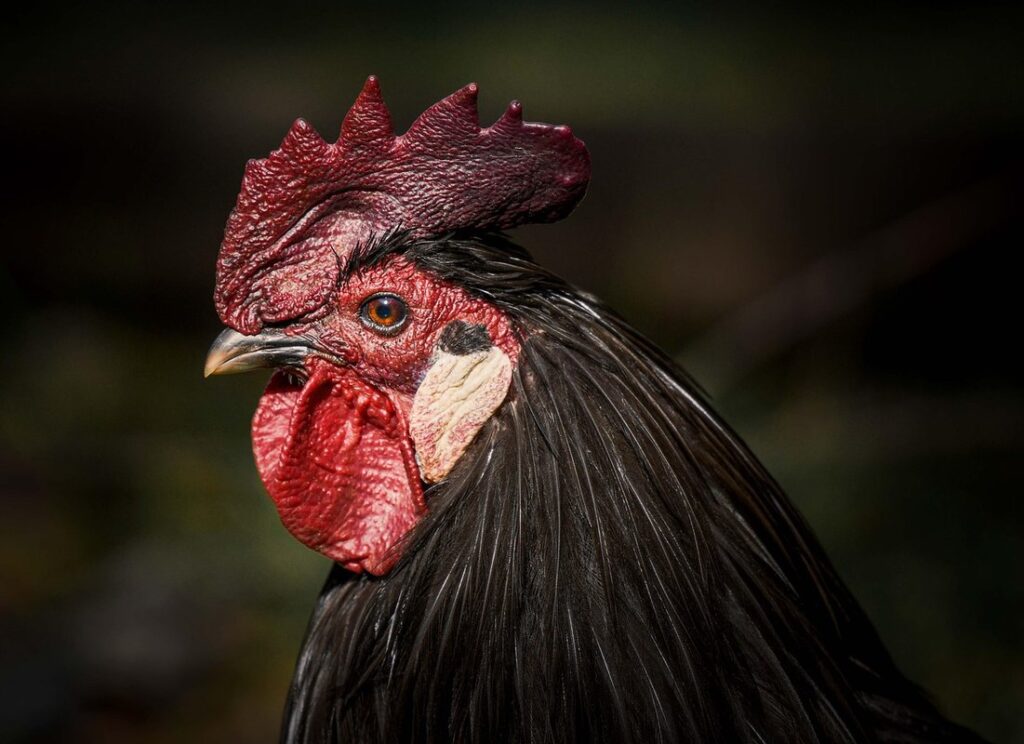
Understanding Roosters and Their Needs
When it comes to managing roosters, understanding their specific needs is crucial for creating a harmonious flock dynamic. This includes considering their social requirements and habitat needs.
Characteristics of Roosters
When it comes to managing roosters, understanding their unique characteristics is essential. Roosters are known for their distinct physical and behavioral traits that set them apart from hens.
Physically, roosters tend to be larger than hens, with a more robust build and a prominent comb on top of their heads. They also have longer tails and stronger legs, which enable them to strut around the coop with confidence. In terms of growth rate, roosters typically grow faster than hens, reaching maturity in about 5-6 months compared to 7-8 months for hens.
In terms of temperament, roosters are often more aggressive and dominant, especially during breeding season. However, this doesn’t mean they’re necessarily bad birds – it just means you need to be mindful of their behavior and provide them with enough space and stimulation to prevent frustration. To promote good health, make sure your rooster has access to a balanced diet, clean water, and regular exercise. Regular veterinary check-ups can also help identify any potential health issues early on.
When introducing a new rooster to your flock, it’s essential to monitor their behavior closely and provide separate housing for the hens if necessary. By understanding these characteristics, you’ll be better equipped to manage your roosters effectively and create a harmonious coop environment.
Nutritional Requirements for Roosters
When it comes to rooster nutrition, meeting their dietary needs is crucial for optimal health and performance. As a responsible rooster owner, you’ll want to ensure your birds receive the right balance of nutrients throughout their lives.
A key aspect of rooster nutrition is protein intake. Roosters require around 20-25% protein in their diet, which can be achieved through a mix of high-quality grains like oats and barley, as well as protein-rich supplements such as soybean meal or fish meal. For example, you can add 1/4 cup of chopped hard-boiled egg or 1 tablespoon of peanut butter to their feed to boost protein levels.
In addition to protein, roosters also require essential vitamins and minerals like calcium, phosphorus, and vitamin D3 for strong bone growth and development. You can supplement their diet with crushed oyster shells, cuttlebone, or commercial mineral blocks. For young roosters (pullet stage), you’ll want to provide a starter feed that’s formulated specifically for their needs, while adult roosters require a maintenance feed that balances energy, protein, and nutrient levels.
It’s also essential to rotate your rooster’s diet seasonally to ensure they receive the necessary nutrients for optimal health. Consider introducing new foods or supplements every few weeks to prevent nutritional deficiencies.
Health Considerations for Roosters
When it comes to maintaining healthy roosters, several common health issues can arise. Respiratory problems are one of the most frequent concerns, particularly among young birds. Factors such as dust, poor ventilation, and stress can exacerbate conditions like respiratory infections. Additionally, parasites like mites and lice can infest roosters’ plumage, causing discomfort and anemia.
Some diseases specific to roosters include fowl pox, infectious coryza, and blackhead disease. While these issues can be severe, there are steps you can take to prevent them. Maintaining a clean coop with proper ventilation and removing soiled bedding regularly is crucial. Also, ensure your birds have access to fresh water and nutritious feed.
When signs of illness appear – such as lethargy, changes in droppings or appetite, or difficulty breathing – consult a veterinarian experienced in poultry care for prompt treatment. Administering vaccinations on schedule can also help protect against certain diseases. Regularly monitoring your roosters’ health, observing for any unusual behavior or symptoms, and taking action promptly will contribute to their overall well-being.
Breeding and Rearing Programs for Roosters
If you’re looking to breed or rear roosters, a well-planned breeding program is crucial to ensure healthy, high-quality birds. This section covers key considerations and strategies for achieving your goals.
Selecting the Right Breed
When selecting a breed of rooster for your backyard flock, there are several factors to consider. Temperament is one of the most important characteristics to evaluate, as it will greatly impact the overall harmony and safety of your flock. Some breeds are known for their docility and gentleness, while others can be more aggressive.
Considerations such as egg production and fertility should also be taken into account. If you’re looking to start a small-scale egg business or want to ensure a steady supply of eggs for your family, selecting a breed that excels in these areas is crucial. However, if you’re not concerned with egg production, focusing on breeds known for their meat quality might be the better choice.
Additionally, research the specific needs and requirements of different breeds, including feed consumption, space, and climate tolerance. For example, some breeds are well-suited to cold climates while others prefer warmer temperatures. By carefully evaluating these factors, you can choose a breed that fits your lifestyle and resources, ensuring a happy and healthy rooster in your flock.
Implementing a Successful Breeding Program
When it comes to implementing a successful breeding program for roosters, careful planning and attention to detail are crucial. Before starting the program, it’s essential to determine your goals and objectives. What breed of rooster do you want to develop or improve? Are you looking to create a high-performance bird for exhibition or a hardy one for backyard flocks?
To ensure genetic diversity and avoid inbreeding, maintain a record of each rooster’s ancestry and pedigree. This will help you identify potential breeding pairs that can produce healthy offspring with desirable traits. Regular record-keeping also allows you to track the performance of your birds over time.
Maintaining genetic diversity is vital for a successful breeding program. It involves introducing new bloodlines or breeds into your flock periodically. For example, you could participate in breeding programs with other breeders or attend poultry exhibitions to select high-quality roosters from diverse backgrounds. By doing so, you’ll ensure that your birds remain healthy and resilient, reducing the risk of inherited diseases.
When selecting breeding stock, prioritize birds with excellent conformation, temperament, and fertility. This will help you produce high-quality offspring with desirable traits. Remember to also consider factors like climate adaptability and resistance to diseases when choosing your breeding stock.
Remember, a successful breeding program requires ongoing evaluation and improvement. Regularly assess the performance of your birds and make adjustments as needed. This might involve introducing new breeds or bloodlines, or changing your selection criteria. By following these steps, you’ll be well on your way to developing a thriving and productive rooster breeding program.
Rearing Chicks for Optimal Growth
When it comes to rearing chicks for optimal growth and development, there are several key factors to consider. Nutrition plays a critical role, as chicks require a balanced diet that includes essential nutrients like protein, calcium, and vitamins. A starter feed with 18-20% protein content is ideal for the first few weeks of life, while a grower feed with around 16-18% protein can be introduced later on.
Health management is also crucial during this phase. Vaccinations should be administered according to the manufacturer’s instructions, and chicks should be monitored regularly for signs of illness or stress. A clean and well-ventilated environment is essential to prevent disease outbreaks, and regular cleaning of feeding and watering equipment will help keep the flock healthy.
Environmental enrichment can have a significant impact on growth rates and overall development. Providing adequate light, temperature control, and space for exercise can help promote optimal health and growth. For example, offering dust baths or sand as an alternative to litter can help reduce stress and improve feather quality. By paying attention to nutrition, health management, and environmental enrichment, you can set your chicks up for success and lay the foundation for a strong, healthy flock.
Managing Roosters in Flocks and Backyards
When it comes to managing roosters, especially in smaller flocks or backyard settings, establishing a few key rules can help keep harmony among your birds. Let’s dive into the essential guidelines for living peacefully with male chickens.
Integrating Roosters into Existing Flocks
When introducing new roosters to an existing flock, it’s essential to do so gradually and under close observation. This helps prevent stress, aggression, and potential conflicts between the newcomers and established birds.
Start by isolating the new rooster in a separate enclosure for several days before integrating him into the main flock. During this time, provide him with plenty of food, water, and exercise to help him feel comfortable and secure. You can also introduce his scent to the existing flock by swapping their bedding or using a pheromone spray.
Once the new rooster is settled, it’s time to start the introduction process. Begin by keeping the two groups separated by a fence or netting, allowing them to become familiar with each other’s presence and sounds without direct contact. Observe your birds closely for signs of stress or aggression, such as raised hackles, aggressive posturing, or avoidance behaviors.
If you notice any adverse reactions, it may be best to slow down the introduction process or seek advice from a poultry expert. With patience and careful planning, integrating new roosters into your existing flock can be a smooth and successful experience for both birds and owners alike.
Creating a Safe and Comfortable Environment
When introducing roosters to your backyard flock, it’s essential to create a safe and comfortable environment for them to thrive. Adequate space is crucial to prevent stress and aggression. A general rule of thumb is to provide at least 10 square feet of space per rooster inside the coop, with an additional 20-30 square feet of outdoor space for exercise.
Shelter plays a vital role in protecting your roosters from harsh weather conditions. Consider building or purchasing a sturdy coop that provides adequate ventilation, insulation, and protection from predators. Make sure the coop is well-maintained and cleaned regularly to prevent disease and parasites.
In addition to shelter, provide access to fresh water and high-quality feed at all times. A calcium-rich diet can help support healthy beak growth and overall health. Offer a variety of fruits and vegetables as treats to supplement their diet and encourage foraging behavior.
By prioritizing your roosters’ needs, you’ll create a harmonious and stress-free environment that promotes healthy growth and well-being.
Managing Rooster Behavior and Aggression
Managing aggressive behavior in roosters requires patience, consistency, and understanding of their needs. The first step is to identify the underlying causes of aggression, which can range from mating instincts to territorialism or fear. Once you’ve pinpointed the root cause, it’s time to implement behavior modification techniques.
Start by introducing enrichment activities that challenge your rooster’s mind and body. Provide toys, perches, and scratching posts to keep him occupied and stimulated. Rotate these enrichment items regularly to prevent boredom and stress. For example, try offering a new foraging toy filled with treats or placing a ladder near the coop entrance to encourage exercise.
If behavior modification doesn’t yield results, it may be necessary to separate the problem bird from the flock. This can be done by building a separate enclosure or introducing a buffer zone between the rooster and hens. Make sure to provide adequate space, food, and water for the separated bird. In extreme cases, rehoming might be the best option.
Remember that every rooster is different, and what works for one may not work for another. Be patient and persistent in your efforts to manage aggressive behavior, and don’t hesitate to seek professional advice if needed.
Biosecurity Measures for Roosters
When it comes to protecting your flock from diseases, implementing effective biosecurity measures is crucial, especially for roosters that can carry and spread germs. Let’s explore some essential practices to keep your birds safe.
Preventing Disease Transmission
Preventing disease transmission is one of the most critical aspects of biosecurity measures for roosters. As you manage multiple flocks and introduce new birds to your operation, there’s always a risk of disease transmission between flocks or from other animals. This can have devastating consequences on your flock’s health, productivity, and even lead to financial losses.
To prevent disease transmission, it’s essential to implement strict biosecurity protocols. Start by maintaining separate facilities for each flock, including separate entrances, exits, and living areas. Ensure that these facilities are well-ventilated and cleaned regularly to reduce the risk of airborne diseases. Implement a robust cleaning schedule, using disinfectants specifically designed for poultry, and always follow the manufacturer’s instructions.
Another crucial step is to monitor the health status of your birds closely, identifying any signs of illness or stress early on. Be cautious when introducing new birds to your operation, ensuring they come from reputable sources and are free from diseases that could affect your flock. Regular veterinary check-ups can also help detect potential issues before they spread. By following these simple yet effective measures, you’ll significantly reduce the risk of disease transmission in your rooster flocks.
Implementing Effective Cleaning and Disinfection Protocols
When it comes to maintaining a healthy environment for your roosters, effective cleaning and disinfection protocols are crucial. Dirty coops and equipment can harbor diseases that spread quickly among the flock, putting their lives at risk. To prevent this, you need to establish a regular cleaning schedule that includes not only the coop but also the run and all equipment.
Here’s how to do it:
* Clean the coop thoroughly every 2-3 months by removing all bedding, scraping out droppings, and scrubbing walls and floors with a mild detergent. Rinse well and let dry before replacing the bedding.
* Disinfect high-touch areas such as feeding troughs, nesting boxes, and gates using a solution of 1 part bleach to 10 parts water. Let it sit for 5-10 minutes before rinsing off thoroughly.
* Clean and disinfect all equipment including feeders, waterers, and crates at least once a week.
* Remove soiled bedding from the run regularly and replace with fresh material.
Remember, prevention is key when it comes to maintaining biosecurity. By following these simple steps, you’ll be able to keep your roosters healthy and happy. Regular cleaning and disinfection will also help prevent disease outbreaks that can devastate your flock.
Monitoring for Pests and Parasites
Regular monitoring for pests and parasites is crucial to maintaining good health and preventing disease in roosters. As a responsible rooster owner, it’s essential to keep an eye out for signs of infestation, such as excessive scratching or preening, changes in appetite or droppings, or unexplained weight loss.
Some common pests that can affect roosters include lice, mites, and fleas. These external parasites can cause discomfort, stress, and even lead to secondary infections if left untreated. To identify infestations, inspect your rooster’s skin, particularly around the vent area, feathers, and beak. Check for signs of egg-laying by female pests or the presence of eggs.
To treat infestations, use insecticidal shampoos or powders specifically designed for poultry. Regular cleaning of living areas, changing bedding, and providing a balanced diet can also help prevent pest infestations. To maintain good health, consider performing regular checks every 2-3 weeks during the warmer months when pests are more active.
Economic Considerations for Rooster Management
When managing a flock of roosters, it’s essential to consider the financial aspects of owning these birds, from feed costs to potential revenue streams. Let’s dive into some economic considerations that will help you make informed decisions about your rooster management strategy.
Calculating Costs and Returns on Investment
When it comes to rooster management, calculating costs and returns on investment is crucial to ensuring the profitability of your operation. One key factor to consider is feed costs, which can account for up to 70% of total expenses. To accurately estimate feed costs, track the quantity of feed provided to each bird, as well as its cost per pound or kilogram.
Veterinary expenses are another significant consideration. Regular health checks and vaccinations can help prevent costly illnesses, but unexpected veterinary bills can arise. Set aside a portion of your budget for emergency vet visits and consider investing in a comprehensive health insurance policy for your flock.
The market value of eggs or meat is also essential to calculating returns on investment. Research local prices for your specific products to determine their selling value. Consider factors like transportation costs, packaging, and storage when determining the final price point. To give you a better idea, a small-scale rooster farm can produce around 200-300 dozen eggs per week, with each dozen selling for $5-$7.
This translates to an annual revenue of up to $52,000 from egg sales alone. By accurately tracking costs and returns on investment, you can make informed decisions about your rooster management operation and optimize its profitability.
Value-Added Products from Roosters
As you explore various income streams from rooster management, you’ll discover that these birds can be quite profitable beyond their breeding purposes. One lucrative opportunity lies in selling eggs produced by hens under roosters’ supervision. Rooster-mated hens typically produce heavier and more nutritious eggs due to the enhanced genetic diversity.
You can consider setting up a small flock of laying hens and marketing them as “rooster-raised” or “heritage breed” eggs. This niche appeal can command premium prices from health-conscious consumers willing to pay more for products perceived as superior in quality.
In addition, you can also capitalize on roosters’ value by selling breeding stock to other farmers or enthusiasts. Selecting and breeding top-quality roosters for specific traits like color, size, or temperament can be a profitable venture. For instance, some breeders focus on developing “feather-legged” or “fluff-footed” roosters, which are highly sought after by collectors.
Meat production is another viable option, particularly if you have older or less desirable roosters that no longer serve their breeding purpose. With a proper business plan and market research, you can turn these birds into a revenue stream through direct sales to consumers or wholesale to local restaurants and markets.
Marketing Strategies for Rooster Owners
If you’re a rooster owner looking to turn your passion into profit, developing effective marketing strategies is crucial. With millions of backyard chickens and roosters being kept as pets, there’s a growing market for products and services catering specifically to these birds.
To maximize returns on investment, start by identifying your target audience – whether it’s experienced breeders or first-time owners. Develop products or services that cater to their needs, such as high-quality feed, specialized equipment, or expert advice. Utilize social media platforms like Instagram and Facebook to showcase your offerings and engage with potential customers.
Consider partnering with influencers or online communities related to backyard chickens and roosters to expand your reach. Offer free consultations or workshops to build trust and demonstrate your expertise. By understanding the needs of your target market and presenting innovative solutions, you can establish a loyal customer base and achieve significant revenue growth.
Frequently Asked Questions
How do I determine the ideal rooster-to-hen ratio for my backyard flock?
The ideal ratio is around 1:10, but it may vary depending on your specific situation, such as the size of your property and the breed of your chickens. A good rule of thumb is to start with a single rooster per 5-7 hens and monitor their behavior to ensure they are not causing stress or aggression.
What can I do if my roosters are exhibiting aggressive behavior towards each other?
If you notice aggressive behavior among your roosters, it’s essential to separate them immediately. You may need to introduce a larger space or a separate enclosure for the dominant rooster. Monitor their behavior closely and consider introducing additional enrichment activities or toys to reduce stress and competition.
How do I know if my rooster is healthy enough for breeding?
A healthy rooster should have a shiny plumage, active movement, and bright eyes. Regular health checks can help identify any potential issues early on. Consider consulting with a veterinarian specializing in poultry care to assess the overall health of your roosters.
Can I keep multiple breeds of roosters together in the same flock?
While it’s possible to keep different breeds together, introducing multiple breeds may lead to conflicts and stress among the birds. It’s generally recommended to stick with a single breed or carefully introduce compatible breeds to avoid any potential issues.
How often should I replace my rooster?
As roosters age, their fertility can decline significantly. A general rule of thumb is to replace your rooster every 5-7 years, depending on the breed and its specific characteristics. Regular health checks can help identify when it’s time for a replacement.