
If you’re considering adding some unique charm to your backyard or farm, you might want to look into raising a Silkie rooster. These birds are known for their fluffy feathers and gentle nature, making them an excellent choice as pets or farm animals. But what makes Silkies so special? Where did they come from? What benefits do they offer as part of your flock? In this article, we’ll dive deep into the world of Silkie roosters, covering their origins, key characteristics, and care requirements. We’ll also explore why they’re such great additions to any poultry collection, and what you can expect when raising a happy, healthy Silkie. Whether you’re a seasoned chicken keeper or just starting out, this guide is packed with valuable insights on how to get the most out of your Silkie rooster.
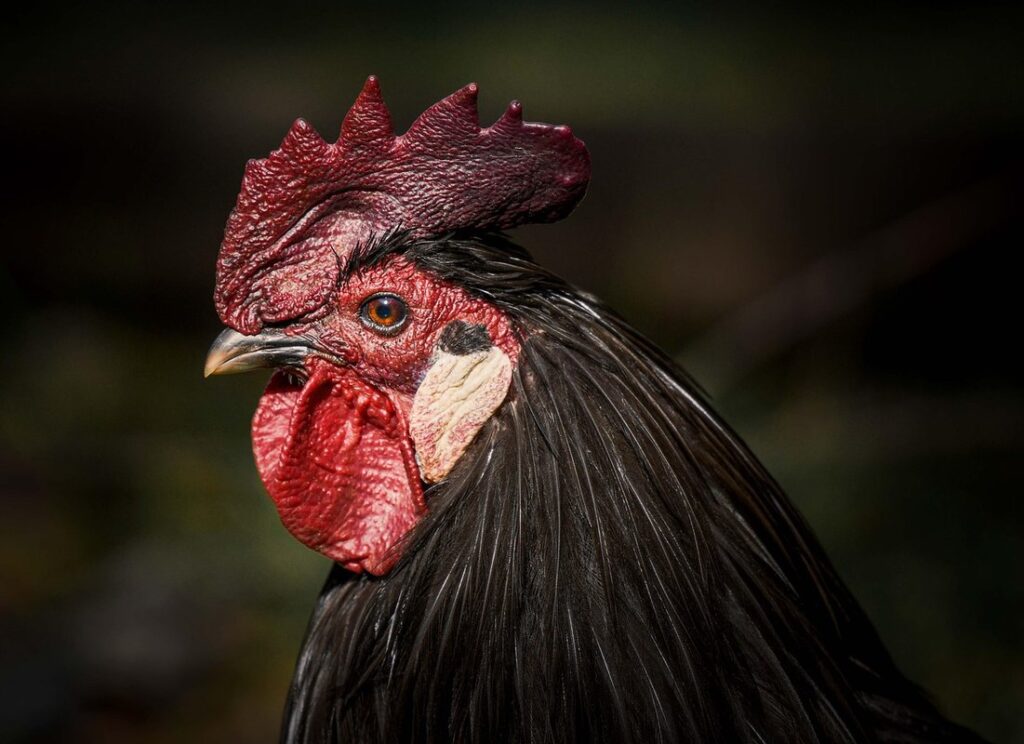
What are Rooster Silkies?
So, you’re new to the wonderful world of rooster silkies and want to learn more about these fluffy, lovable birds. Let’s start by exploring what makes them so unique and special.
Origin and History of Silkie Roosters
Silkie roosters have a rich and fascinating history that spans centuries. Originating from China, these gentle giants were highly prized for their unique appearance and soft, fluffy feathers. It’s believed that Silkie roosters were first bred as companions to royalty and high-ranking officials, who cherished them for their endearing nature.
As trade routes expanded between East Asia and Europe, Silkies were introduced to the Western world in the 13th century. Initially met with skepticism due to their unusual appearance, they eventually gained popularity among poultry enthusiasts and breeders. In the early 20th century, Silkie roosters were recognized as a distinct breed by major poultry associations.
What sets Silkie roosters apart is their unique genetic trait: loose, fluffy feathers that give them a distinctive “puppy-like” appearance. This characteristic makes them irresistibly adorable and endearing to many backyard chicken keepers. Their calm demeanor, gentle nature, and friendly disposition have also earned them a reputation as ideal family pets.
Their history is a testament to the Silkie rooster’s enduring appeal and popularity among poultry enthusiasts worldwide.
Characteristics of Silkie Roosters
Silkie roosters are a delight to behold, and their unique physical characteristics make them stand out from other breeds. One of the most striking features is their soft, fluffy feathers, which give them a teddy bear-like appearance. Imagine running your hands through the silky texture of their plumage – it’s like petting a stuffed animal come to life!
In addition to their impressive coat, Silkie roosters often sport beautiful beards and muffs that add an extra touch of charm. These long, flowing feathers can grow quite long, making for a majestic sight. Whether you’re a seasoned breeder or a newcomer to the world of Silkies, it’s hard not to fall in love with their endearing looks.
When choosing a Silkie rooster, pay attention to the quality and density of its coat. A good Silkie should have a lush, full plumage that covers its body evenly. Look for birds with bright, inquisitive eyes and a confident demeanor – these are often indicative of a healthy and spirited individual. By selecting a rooster with exceptional physical characteristics, you’ll be well on your way to raising a proud and regal Silkie companion.
The Benefits of Keeping a Silkie Rooster
If you’re considering adding a silkie rooster to your flock, you may be wondering if it’s worth the extra expense and effort. Let’s take a look at some of the unique benefits they bring to the table.
Pros of Raising Silkies for Hobby Farms
For hobby farmers looking to add a touch of personality to their farm, raising Silkie roosters can be a wonderful experience. One of the most significant advantages of keeping Silkies is their friendly nature. These birds are known for being docile and social, making them an excellent choice for small farms or homesteads where interaction with animals is encouraged.
Their adaptability also makes them a great fit for hobby farmers. Silkie roosters can thrive in a variety of environments, from backyards to large outdoor spaces, as long as they have access to adequate shelter and food. Their ability to handle stress is another significant benefit. Unlike some other breeds that may become aggressive when under pressure, Silkies tend to remain calm and composed.
This unique temperament allows hobby farmers to easily integrate Silkie roosters into their existing flock without worrying about conflicts or aggression. Whether you’re looking to start a small farm or simply want to add some charm to your backyard, raising a Silkie rooster can be an excellent choice for those who value friendly and low-maintenance companions.
The Role of Silkies in Poultry Breeding Programs
Silkie roosters are highly sought after by breeders due to their unique characteristics and ability to enhance desirable traits in offspring. When it comes to breeding programs, Silkies are often used as a tool to improve egg production, fertility, and overall quality of the flock.
One key aspect of poultry genetics is heterosis, or hybrid vigor. This occurs when two different breeds are crossed, resulting in offspring that exhibit improved characteristics compared to their parents. Silkie roosters can be used to introduce this beneficial effect into a breeding program, leading to healthier and more productive birds.
For example, if you’re looking to increase egg production in your flock, introducing a Silkie rooster with its high fertility rate and large testicles will enhance the chances of producing more fertile eggs. Similarly, if you want to improve the overall health and hardiness of your birds, Silkies’ natural resistance to disease can be passed down through their offspring.
To incorporate Silkies into your breeding program effectively, start by selecting a rooster with desirable traits such as large size, good temperament, and high fertility. Crossbreed them with hens from another breed or with Silkie hens themselves to create a new generation of birds that exhibit the best characteristics of both parents.
Health Considerations for Silkie Rooster Ownership
Before bringing a Silkies rooster into your home, it’s essential to consider their unique health needs and potential risks. Let’s dive into the health considerations you should be aware of as an owner.
Common Health Issues Affecting Silkies
As a Silkie rooster owner, it’s essential to be aware of the common health issues that can affect these lovable birds. Respiratory problems are a significant concern for Silkies, due to their unique genetics and physical characteristics. Their flat face and short nasal passages make breathing difficult, especially in hot or humid environments. Owners should look out for labored breathing, wheezing, or a reluctance to exercise.
Obesity is another common health issue in Silkies, as they are prone to overeating and can quickly become overweight. This excess weight can lead to various complications, including heart disease, diabetes, and mobility issues. Regular monitoring of food intake and ensuring that birds have access to plenty of fresh water and foraging opportunities can help mitigate this risk.
Feather conditions, such as feather pecking or matting, are also common in Silkies. Regular grooming and trimming of feathers can help prevent these issues. It’s crucial to inspect your bird regularly for any signs of distress or discomfort, such as labored breathing, lethargy, or unusual droppings. By being proactive about health checks and preventative care, you can help ensure that your Silkie rooster leads a happy and healthy life.
Nutritional Needs of Silkie Roosters
When it comes to feeding your Silkie roosters, it’s essential to provide them with a balanced diet that meets their unique nutritional needs. A high-quality protein source is crucial for maintaining their muscle mass and overall health. You can achieve this by incorporating lean meats like chicken or turkey into their diet, as well as supplementing with commercial poultry feed.
Calcium intake is also vital for Silkie roosters, particularly if they have a tendency to develop weak legs or other skeletal issues. To ensure adequate calcium levels, sprinkle crushed eggshells or oyster shells on their food daily. Additionally, provide fresh water at all times and make sure it’s clean and free from contamination.
Aim to create a diet that’s 50-60% protein, 20-30% fat, and 10-15% carbohydrates. As an example, you can mix 1 part commercial feed with 1/2 part oats or barley for a well-rounded meal. Regularly monitor their weight and overall health to make adjustments as needed. With proper nutrition, your Silkie roosters will thrive, grow strong, and maintain optimal health.
Caring for Your Silkie Rooster: Tips and Tricks
As you bring home your adorable silkie rooster, it’s essential to understand his unique needs, particularly when it comes to care and attention. We’ll share expert tips on keeping him happy and healthy.
Housing Requirements for Silkies
When it comes to creating an ideal living space for your Silkie rooster, understanding their specific needs is crucial. Silkies require ample space to move around comfortably, which means you’ll need to provide a minimum of 2-3 square feet per bird inside the coop and at least 8-10 square feet per bird in the outdoor run. This will allow them to stretch their legs, exercise, and engage in natural behaviors like foraging.
Good ventilation is also essential for Silkies. A well-designed coop with adequate airflow can help prevent respiratory issues and keep your birds cool during hot summer months. Consider installing windows or vents that can be opened to provide cross-ventilation, and ensure the coop is elevated off the ground to allow air to circulate beneath it.
Protecting your Silkie rooster from harsh weather conditions is also vital. Make sure the coop is designed with a waterproof roof and walls, and consider adding overhangs or awnings to shield them from direct sunlight and precipitation. By creating a comfortable environment that meets their unique needs, you’ll be able to keep your Silkie rooster happy, healthy, and thriving.
Handling and Socialization Techniques
When it comes to handling and socializing your Silkie rooster, it’s essential to approach them with gentle care. Silkies are known for their affectionate nature, but they can also be skittish if not handled properly from an early age. To build trust with your rooster, start by getting down to his level and speaking softly. Move slowly and calmly around him, allowing him to become accustomed to your presence.
Gentle handling is crucial in socializing Silkies. Avoid sudden movements or loud noises, which can frighten them. Instead, try using treats to lure your rooster into a calm state. Place a treat near his beak, then gradually move it back towards you. As he follows the treat, reward him with affection and praise.
Socialization is key in developing a strong bond between you and your Silkie rooster. Introduce them to new people, animals, and environments at a young age. This will help your rooster become confident in unfamiliar situations. By establishing trust through gentle handling and socialization, you’ll be well on your way to raising a friendly and docile companion.
Breeding Silkie Roosters: A Guide for Experienced Owners
As an experienced owner, you’re likely eager to learn more about breeding silky roosters, and we’ll walk you through the process of selecting the right birds. Let’s dive into the specifics of breeding these charming fowl.
Selecting the Right Breeders and Mating Strategies
When it comes to breeding Silkie roosters, selecting the right breeders and mating strategies is crucial for producing healthy, fertile, and well-tempered offspring. To start, you’ll want to research and identify reputable breeders who have a proven track record of producing high-quality Silkies.
Look for breeders who prioritize lineage, fertility, and temperament in their breeding program. A breeder’s reputation can be assessed by examining the health records, fertility rates, and customer reviews of their birds. You can also reach out to other experienced Silkie owners or join online forums to gather recommendations and insights on reputable breeders.
When selecting individual Silkies for breeding, consider factors such as age, health, and temperament. It’s essential to choose birds that exhibit excellent fertility and are free from genetic defects. A good rule of thumb is to start with two healthy, fertile roosters and select one as the primary breeder, allowing you to monitor his performance and adjust your mating strategy accordingly.
Consider implementing a rotational breeding program to maintain genetic diversity and minimize inbreeding. This involves rotating the breeders every few generations to introduce new genetics into the flock. By doing so, you can reduce the risk of inherited health issues and ensure the long-term sustainability of your Silkie breeding program.
Raising Healthy Silkie Chicks
Raising healthy Silkie chicks requires careful attention to their early development. As soon as they hatch, provide them with a warm and draft-free environment for brooding. You can use an incubator or a brooder heated with heat lamps or ceramic heat emitters. Maintain the temperature between 90-100°F (32-38°C) during the first week, gradually decreasing it to around 70-80°F (21-27°C) by the end of two weeks.
Establish a feeding schedule that ensures adequate nutrition for growth and development. Provide starter feed specifically formulated for young chicks, available at most poultry stores or online. Monitor their intake to prevent overeating, which can lead to health problems. Fresh water should be readily available at all times, and ensure good ventilation in the brooding area to reduce ammonia buildup.
Regular health checks are crucial during this critical period. Look out for signs of illness such as labored breathing, lethargy, or loss of appetite. Keep an eye on their droppings, watching for any abnormal colors or consistency that may indicate disease. Monitor their weight gain and adjust the feeding schedule accordingly to prevent overfeeding.
Conclusion: Embracing the Unique Charm of Rooster Silkies
As you conclude your journey through the world of rooster Silkies, let’s dive into what makes these birds truly special and how to appreciate their one-of-a-kind charm.
Final Thoughts on Why Silkies Make Great Pets or Farm Animals
As you’ve learned throughout this comprehensive guide, Silkie roosters are truly one-of-a-kind birds that bring a unique charm to any farm or backyard. Their fluffy feathers, gentle nature, and playful personalities make them an excellent addition to many households.
Whether you’re considering bringing a Silkie into your life as a pet or adding them to your farm for egg-laying purposes, their special qualities are sure to captivate you. From their curious and social behavior to their relatively low maintenance care requirements, Silkies have a lot to offer. With proper attention and care, these lovable birds can thrive in various settings.
So, what makes Silkie roosters so great? One of the main reasons is their ability to adapt to different living situations. Whether you live in a small apartment or a spacious farm, a Silkie will find a way to make themselves at home. Plus, with regular grooming and attention, they’ll be happy to show off their stunning plumage.
If you’re still unsure about bringing a Silkie into your life, consider the following benefits: Silkies are known for being friendly and docile, making them an excellent choice for families with children or for those who want a low-stress pet. They also have a relatively long lifespan of around 10-15 years, providing you with a long-term companion.
In conclusion, Silkie roosters offer a unique combination of charm, adaptability, and low-maintenance care that makes them an excellent choice for many households. With their playful nature and gentle demeanor, it’s easy to see why so many people fall in love with these lovable birds. If you’re ready to experience the joy of owning a Silkie, don’t hesitate – they’ll surely bring a smile to your face and a new level of charm to your life!
Frequently Asked Questions
Can I raise a Silkie rooster as my first backyard chicken?
Yes, Silkies are an excellent choice for beginners due to their gentle nature and adaptability to small spaces. However, it’s essential to research and understand their specific needs before introducing them to your flock. Make sure you have enough space for a separate enclosure or coop to accommodate their unique housing requirements.
How do I handle potential health issues in my Silkie rooster?
Silkies are generally hardy birds but can be prone to certain health issues like frostbite and heat stress. Regular monitoring of their behavior, diet, and environment is crucial to prevent these problems. Provide adequate ventilation, keep their coop clean, and ensure access to fresh water and nutritious feed.
Can Silkies be used in a small-scale poultry breeding program?
Yes, Silkie roosters can thrive in small-scale breeding programs due to their excellent fertility rates and robust offspring. However, consider the space requirements for multiple birds and develop a plan for managing genetics and record-keeping to ensure the quality of your flock.
How do I introduce my new Silkie rooster to an existing flock?
Introducing a new bird to a flock can be challenging, but Silkies are generally easy-going. Start by separating the new rooster from the flock in a neutral area for several days before introducing them together under close supervision. Monitor their behavior and adjust your introduction strategy accordingly.
Are Silkie roosters suitable for hot or humid climates?
Silkies can adapt to various climate conditions, but they may require more attention in extremely hot or humid environments. Ensure proper ventilation in their coop, provide shade, and monitor their hydration levels closely to prevent heat stress and related health issues.