
If you’re a backyard flock owner or serious breeder, you might have come across the term “rose comb” when researching different chicken breeds. But what exactly does this distinctive comb mean for your feathered friends? As it turns out, rose combs are not just a pretty feature – they also require special care and attention to thrive. In fact, chickens with rose combs need more TLC than their single or pea-combed counterparts due to their unique physiology. From learning how to properly trim and maintain their comb to understanding the specific needs of this breed, it’s essential to get it right if you’re looking to raise healthy, happy rose comb chickens. This guide will walk you through everything you need to know about these beautiful birds.
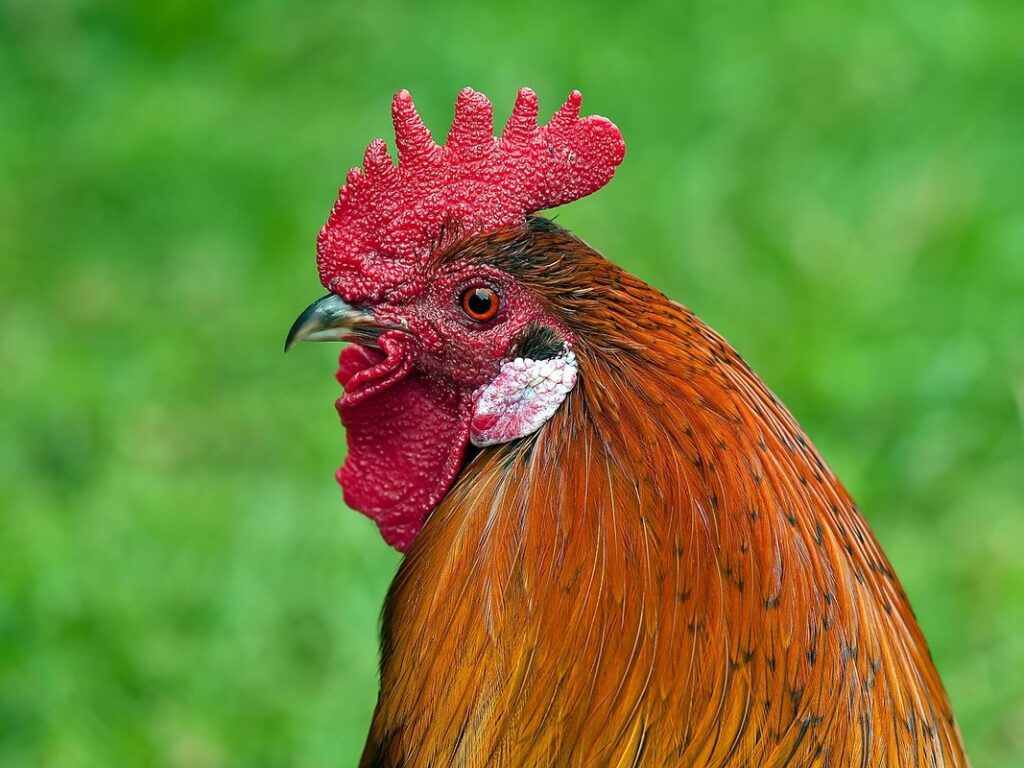
History and Origins of Rose Comb Chickens
Let’s take a step back and explore where it all began – the history and origins of the lovely rose comb chicken. From its humble beginnings to its rise in popularity, this section takes you on a journey through time.
Origin Story: Where Did They Come From?
Rose comb chickens have their roots in ancient Europe, where they were first bred for their unique combs and earlobes. It’s believed that these chickens originated from the Malay breeds brought over by Asian traders and sailors. The combination of Eastern and Western influences resulted in a distinct breed with a rose-shaped comb on top of their heads.
As trade and cultural exchange increased between Europe and Asia, the rose comb chicken spread rapidly across different regions. By the 17th century, they had gained popularity in England, where they were highly prized for their ornamental value and distinctive appearance. English breeders continued to refine the breed, selecting for desirable traits such as size, plumage quality, and egg-laying ability.
The rose comb chicken’s unique characteristics made them a favorite among European aristocracy, who would often keep them in their gardens and yards. By the 19th century, the breed had spread to other parts of the world, including North America, where they became popular as exhibition birds and backyard pets. Today, rose comb chickens remain a beloved breed worldwide for their striking appearance and friendly disposition.
Breed Development: How Rose Combs Became a Distinctive Feature
Selective breeding is responsible for the distinct rose comb that characterizes these birds. The process began with farmers and breeders who wanted to improve their flocks’ overall health and productivity. They noticed that chickens with a rose comb, which features a cluster of smaller combs radiating from a central point, seemed to be more resistant to cold temperatures.
To exploit this advantage, selective breeding was used to concentrate the desirable traits within specific flocks. Breeders chose individuals with particularly large or prominent combs and mated them together to produce offspring that inherited these characteristics. This gradual process allowed breeders to incrementally build up the distinctive comb shape and size over several generations.
As a result of this selective breeding, the rose comb has become a defining feature of Rose Comb chickens. This deliberate development underscores the role humans have played in shaping these birds’ physical appearance through careful selection.
Characteristics of Rose Comb Chickens
Rose comb chickens are known for their unique characteristics, which set them apart from other breeds. In this section, we’ll explore what makes these birds so special and distinctive.
Physical Traits: What Makes Them Unique?
Rose comb chickens are renowned for their distinctive physical traits that set them apart from other breeds. One of the most striking features is their size, which can range from 20 to 40 pounds depending on the specific type. For instance, the Brahma Rose Comb chicken is known for its massive size and weight, while the Polish Rose Comb is a smaller but no less majestic bird.
Their plumage is another area where rose comb chickens truly shine. Their feathers come in an array of colors and patterns, from sleek black to snow-white and every shade in between. In addition, their beak shape is often described as medium-sized with a slight curve, adding to their unique charm. Some breeds, such as the Cochin Rose Comb, even have feathered feet, which adds an extra layer of whimsy to their appearance.
In terms of practical advice for rose comb chicken owners, one key consideration is the need for regular grooming to prevent matting and tangling. By investing in a good quality brush and taking some time each week to gently work out any knots or tangles, you can keep your bird looking its absolute best.
Temperament and Personality: Are They Suitable for Your Farm or Backyard?
When it comes to choosing the right breed for your farm or backyard, understanding their temperament and personality is crucial. Rose Comb Chickens are known for their unique characteristics, but how do they stack up in terms of temperament? Generally, Rose Comb Chickens are friendly, docile, and make excellent family pets. They’re often described as gentle and laid-back, making them an ideal choice for homesteaders with children or those new to raising chickens.
One of the standout traits of Rose Comb Chickens is their social nature. They thrive on interaction and will often follow their owners around the yard. This makes them perfect for farmers who want a breed that will engage with visitors or help with pest control. However, be aware that they can become too tame if over-handled, so it’s essential to strike a balance between interaction and giving them space.
In terms of noise levels, Rose Comb Chickens are generally quiet, which is a bonus for those living in close proximity to neighbors. They’re also relatively low-maintenance when it comes to flock dynamics, making them an excellent choice for smaller farms or backyard flocks. With proper care and handling, Rose Comb Chickens can make wonderful additions to any homestead or farm.
Health Considerations for Rose Comb Chickens
When it comes to rose comb chickens, understanding their unique health needs is crucial. In this section, we’ll delve into the special considerations your flock requires to stay healthy and thrive.
Common Health Issues: What to Watch Out For
As you care for your rose comb chicken, it’s essential to be aware of some common health issues that can affect this breed. Respiratory problems are a particular concern, especially during cold weather or humidity changes. Pneumonia and bronchitis can be prevalent due to their heavy respiratory muscling, making them more prone to breathing difficulties.
Skin conditions are another issue you should watch out for. Mites, lice, and fleas can infest your rose comb chicken’s feathers, causing discomfort, stress, and potential health issues if left untreated. Regular grooming and monitoring will help catch these problems early on. Additionally, internal parasites like worms can affect your bird’s digestive system, leading to weight loss, lethargy, or diarrhea.
To prevent these issues, make sure to provide a clean living environment, with adequate ventilation and regular cleaning of the coop. Offer a balanced diet that includes essential nutrients, and ensure access to fresh water at all times. Regular health checks by a veterinarian will also help identify potential problems early on.
Nutrition and Diet: How to Keep Them Healthy and Thriving
When it comes to keeping your rose comb chickens healthy and thriving, nutrition plays a crucial role. These beautiful birds require a balanced diet that meets their specific needs, which can be different from other chicken breeds.
Start by providing them with a high-quality commercial layer feed as the main staple of their diet. This should contain a mix of grains, proteins, vitamins, and minerals necessary for optimal health. However, it’s essential to supplement this feed with fresh fruits and vegetables daily to add variety and ensure they’re getting all the nutrients they need.
Some recommended fruits include leafy greens like kale and spinach, as well as berries such as strawberries and blueberries. Vegetables like carrots, sweet potatoes, and squash are also great options. Additionally, consider adding a calcium supplement to their feed, especially if you’re feeding them a diet high in phosphorus-rich foods like peas.
It’s also vital to ensure they have access to fresh water at all times, and to provide a grit source for them to help with digestion. By following these guidelines and making adjustments as needed based on your birds’ individual needs, you can help keep your rose comb chickens happy and healthy throughout their lives.
Raising Rose Comb Chickens: Tips and Best Practices
If you’re new to raising rose comb chickens, learning the best practices for their care is essential to ensure they thrive in your backyard flock. This section will walk you through those key tips and guidelines.
Brooding and Hatching: How to Raise Healthy Chicks
Raising healthy rose comb chicks requires careful attention to temperature control, humidity, and feeding during the brooding process. The ideal temperature for the first week of life is around 99-100°F (37-38°C), gradually decreasing by 5°F every few days until it reaches a comfortable 70-80°F (21-27°C) by the time they’re 4 weeks old.
Maintaining proper humidity is also crucial. A humidity level between 50-60% is suitable for rose comb chicks, helping prevent respiratory problems and promote healthy growth. You can achieve this by placing a shallow dish of water in the brooder or using a humidifier specifically designed for poultry.
Feeding your chicks a high-quality starter feed that’s rich in protein (20-24%) will support their rapid growth during this period. Make sure to provide fresh, clean water at all times and place the feeders within easy reach to prevent overcrowding. It’s essential to monitor the temperature, humidity, and feeding closely, adjusting as necessary to ensure your chicks receive the best start in life. Regularly cleaning the brooder will also help keep them healthy and happy.
Growing and Caring for Adult Birds: A Comprehensive Guide
As your flock matures into adult rose comb chickens, their care requirements become more specialized. A well-managed coop is essential for maintaining a healthy and thriving flock. Ensure the coop is spacious enough to accommodate your birds’ movements, with adequate ventilation to prevent ammonia buildup from droppings.
Aim for at least 2-3 square feet of floor space per bird in the coop, and consider adding perches or roosts to promote leg health and reduce stress. Regularly inspect the coop’s cleanliness, removing soiled bedding and replacing it with fresh material like wood shavings or straw.
In addition to coop management, schedule regular health checks for your adult rose comb chickens. Monitor their overall condition, looking for signs of illness such as labored breathing, discharge from the eyes or nostrils, or changes in appetite or droppings. Consult a veterinarian experienced in poultry care if you suspect any health issues.
Vaccinations may also be necessary to protect your flock against diseases common in rose comb chickens, such as Marek’s disease or avian influenza. Always follow local vaccination guidelines and consult with a veterinarian before administering any vaccinations.
Rose Comb Chickens in the Show Ring
When it comes time to show your rose comb chicken, there are several things you’ll want to consider to ensure they look their absolute best. We’ll walk you through the key tips and tricks for success in the show ring.
Showing Your Flock: Tips for Beginners and Experienced Breeders Alike
Showing Your Flock: Tips for Beginners and Experienced Breeders Alike
When it comes to showing rose comb chickens, presentation is everything. Whether you’re a seasoned breeder or just starting out, the right preparation and display can make all the difference between winning and placing.
First things first: choose birds that are at their best visually. For rose combs, this means selecting chickens with full, even, and neatly trimmed combs. Avoid any birds with uneven growth patterns, damaged feathers, or signs of disease. Once you’ve selected your winners, it’s time to get them looking their absolute best.
Begin by gently scrubbing the comb with a soft-bristled brush and mild soap to remove dirt and debris. Next, use a clean towel to dry the area thoroughly. For finishing touches, apply a small amount of oil to keep the comb shiny and supple. As for overall appearance, pay attention to plumage quality, posture, and eye clarity. A rose comb chicken’s feathers should be sleek, well-maintained, and show an even distribution of color.
When presenting your birds, consider displaying them in a clean, well-ventilated area with adequate lighting. Practice handling and posing your chickens beforehand to ensure they remain calm under scrutiny. By following these steps, you’ll be well on your way to showcasing the very best that rose comb chickens have to offer.
The World of Chicken Shows: Understanding the Rules and Regulations
As you consider showing off your rose comb chicken’s unique features in the show ring, it’s essential to understand the rules and regulations that govern these events. Each organization hosting a chicken show has its own set of guidelines, so familiarize yourself with the specific rules for the event you’re participating in.
In general, most shows adhere to standards set by organizations like the American Bantam Association (ABA) or the American Poultry Association (APA). These groups dictate breed-specific requirements, including plumage quality, beak shape, and comb type. For rose comb chickens, this means focusing on a well-proportioned, symmetrical comb that’s free from blemishes.
When preparing for a show, make sure to review the event’s rules regarding age restrictions, entry fees, and breed classification. Many shows also have specific requirements for chick or egg registration, so ensure your bird meets these criteria if you’re entering in the young chicken category.
Conclusion: Why Rose Comb Chickens Make Great Pets or Farm Animals
Now that you’ve learned all about the fascinating history, unique characteristics, and versatile uses of rose comb chickens, let’s explore why they make ideal pets or farm animals.
A Final Word on the Joy of Keeping Rose Combs
Rose comb chickens have stolen the hearts of many backyard flock enthusiasts and small farmers with their unique charm and gentle nature. As we conclude our comprehensive guide to these lovely birds, it’s essential to summarize why they make great pets or farm animals.
One of the primary reasons rose comb chickens are a popular choice is their hardiness. Unlike some other breeds that require special care in extreme temperatures, rose combs can thrive in various climates. They’re also relatively low-maintenance when it comes to feed and housing. For instance, they can adapt well to free-range systems, allowing them to forage for insects and plants while providing excellent exercise.
Another reason these birds have gained a loyal following is their friendly and docile temperament. Rose comb chickens are known for their affectionate nature, making them an excellent choice for families with children or for those who want a low-stress pet. They’re also relatively quiet compared to some other breeds, which can be a bonus for backyard flocks.
If you’re considering bringing rose comb chickens into your life, remember that they do require regular grooming to prevent matting and tangling of their beautiful feathers. However, with a little practice, you’ll find it’s a rewarding experience to care for these lovely birds. By incorporating them into your flock or farm, you’ll not only enjoy the benefits of fresh eggs but also experience the joy of having loving companions.
In conclusion, rose comb chickens are an excellent choice for anyone looking for a low-maintenance and affectionate pet or farm animal. With their unique qualities and charms, it’s no wonder they’ve become a favorite among many backyard flock enthusiasts and small farmers.
Frequently Asked Questions
Can I start raising rose comb chickens without prior experience?
Yes, with the right guidance and research, you can successfully raise healthy rose comb chickens even if you’re new to backyard flock ownership or chicken breeding. Start by learning about their specific needs and care requirements outlined in this guide, and gradually build your knowledge and confidence as you gain experience.
How do I know if my rose comb chicken has a health issue?
Rose comb chickens are prone to certain health issues due to their unique physiology. Keep an eye out for signs of respiratory problems, heat stress, or skin conditions, especially during hot weather or when their combs become too large. Regular check-ups with a veterinarian and maintaining good hygiene practices can help prevent these issues.
Can I mix rose comb chickens with other breeds?
Yes, you can keep rose comb chickens alongside other breeds, but it’s essential to consider their unique needs and potential compatibility issues. Some breeds may be more aggressive or competitive for resources, while others might benefit from the rose comb’s gentle nature. Research and choose breeds that complement each other to create a harmonious flock.
How often should I trim my rose comb chicken’s comb?
Trimming your rose comb chicken’s comb regularly is crucial to prevent overgrowth and reduce the risk of health problems. Check their combs every 1-2 weeks, especially during breeding season or hot weather. Trim only what’s necessary to maintain a neat and healthy appearance.
What are some common mistakes beginners make when caring for rose comb chickens?
One common mistake is not providing enough ventilation in the coop, leading to heat stress and respiratory issues. Another error is neglecting regular grooming and trimming of their combs, which can cause health problems. To avoid these mistakes, carefully follow the care guidelines outlined in this guide and be prepared to adapt your strategies as you gain experience with raising rose comb chickens.